Dog Pregnancy Signs Week by Week: Complete 63-Day Gestation Guide
Track dog pregnancy signs week by week through all 9 weeks of gestation. Includes symptoms, nutrition, vet visits, whelping prep, and newborn care tips.
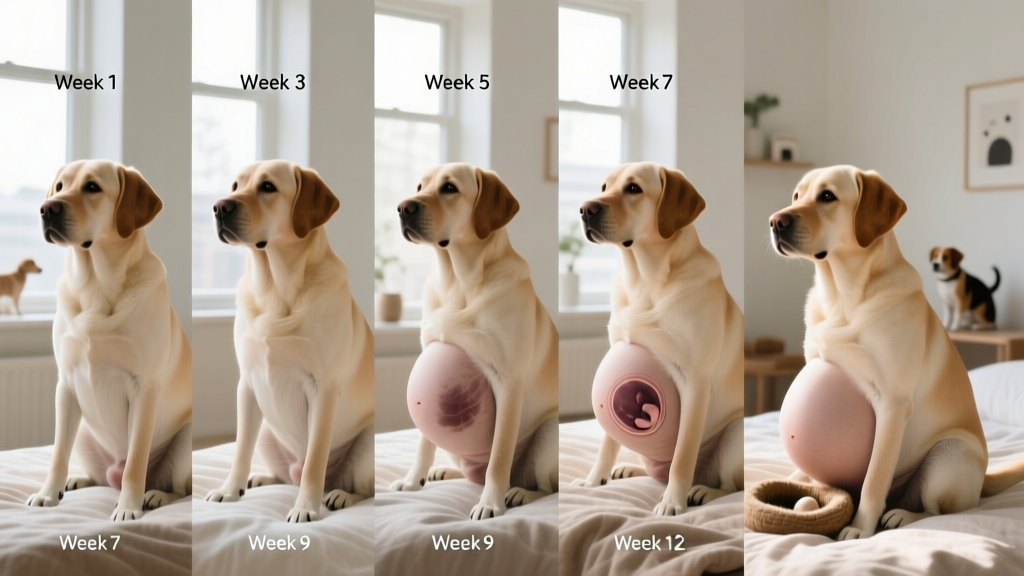
Canine gestation moves fast. In roughly 63 days, a dog transforms from early conception to delivering a litter of puppies. For owners navigating a planned breeding or an unexpected pregnancy, understanding dog pregnancy signs week by week is essential for keeping the dam healthy and preparing for a safe whelping.
This guide walks you through every stage of the approximately 9-week gestation period, covering physical changes, nutritional adjustments, veterinary milestones, and environmental modifications. Whether you're working with a responsible breeder or managing a surprise pregnancy, you'll find actionable timelines and specific care protocols below.
When Is a Dog Considered Pregnant? Understanding the Canine Reproductive Timeline
Before tracking pregnancy signs, it helps to understand the reproductive life stage context. A dog's pregnancy occurs during her reproductive years, typically between her first heat cycle (6–12 months depending on breed size) and around 7–8 years of age, after which breeding is generally discouraged due to increased complications.
Dogs reach reproductive maturity at different rates based on size:
| Breed Size | First Heat Cycle | Safe Breeding Window | Senior Threshold |
|---|---|---|---|
| Small (under 20 lb / 9 kg) | 6–8 months | 2–7 years | 10–12 years |
| Medium (20–50 lb / 9–23 kg) | 8–12 months | 2–6 years | 8–10 years |
| Large (50–90 lb / 23–41 kg) | 10–16 months | 2.5–5 years | 7–9 years |
| Giant (over 90 lb / 41 kg) | 12–24 months | 3–5 years | 6–8 years |
According to the American Kennel Club, the average canine gestation period is 63 days from ovulation, though it can range from 58 to 68 days. The challenge is that ovulation doesn't always align with mating dates, so your veterinarian will use diagnostic tools to pinpoint the timeline more accurately.
Dog Pregnancy Signs Week by Week: The Complete Gestation Timeline
Weeks 1–2: Fertilization and Early Cell Division
During the first two weeks after mating, fertilized eggs travel through the oviducts toward the uterus. At this stage, there are virtually no visible signs of pregnancy. Your dog's behavior, appetite, and energy levels will remain completely normal.
What's happening internally: The fertilized ova undergo rapid cell division and begin their descent into the uterine horns. By day 12–14, the embryos are still free-floating and have not yet implanted in the uterine wall.
Owner actions: Continue normal feeding and exercise. No dietary changes are needed yet. Avoid administering any medications (including flea/tick preventives) without veterinary approval, as some products are contraindicated during pregnancy.
Week 3: Implantation Begins
Around days 18–21, embryos implant into the uterine lining. This is a critical developmental window, though external signs remain minimal.
Subtle signs you might notice:
- Slight decrease in appetite (similar to morning sickness in humans)
- Mild nipple enlargement or pinker-than-usual nipples ("pinking up")
- Slightly less interest in vigorous play
Veterinary milestone: Your vet may perform a relaxin hormone blood test as early as day 22–25. Relaxin is a pregnancy-specific hormone produced by the placenta, and this test (such as the Witness Relaxin test by Zoetis) runs approximately $75–$150 depending on your region. False negatives can occur before day 28, so a repeat test may be recommended.
Week 4: Palpation Window and Confirmed Pregnancy
Days 25–35 represent the most reliable window for abdominal palpation by a veterinarian. The amniotic sacs surrounding each fetus are roughly the size of grapes and can be felt as distinct, firm spheres within the uterine horns.
Visible signs at Week 4:
- Nipples continue to darken and enlarge
- Some dogs show mild clear or slightly mucoid vaginal discharge (normal)
- Appetite typically rebounds or increases slightly
- Weight gain of 1–2 lb (0.5–1 kg) in medium-to-large breeds
Nutritional adjustment: Begin transitioning to a higher-calorie diet. According to the Merck Veterinary Manual, energy requirements during the first two-thirds of gestation increase only modestly (about 10–20% above maintenance). A quality AAFCO-approved food labeled for "all life stages" or "growth and reproduction" is appropriate.
Week 5: Organogenesis — Rapid Fetal Development
Week 5 (days 29–35) marks a major developmental milestone. Fetal organs begin forming rapidly. The fetuses develop limb buds, organ systems, and begin to take on recognizable canine form. Each fetus now measures approximately 5–10 mm.
Physical changes in the dam:
- Abdomen may begin to look slightly fuller (more noticeable in small breeds carrying proportionally larger litters)
- Weight gain accelerates to roughly 20–30% above pre-pregnancy weight
- Increased appetite becomes more consistent
- Some dams show nesting instinct early — seeking quiet, enclosed spaces
Ultrasound milestone: An abdominal ultrasound performed between days 28–35 can confirm pregnancy, assess fetal viability (detecting heartbeats), and estimate litter size with moderate accuracy. Typical cost: $150–$350. Ultrasound is more accurate for counting fetuses early; later in pregnancy, the fetuses overlap and become harder to count individually.
Week 6: Visible Abdominal Enlargement
By days 36–42, pregnancy becomes visibly obvious in most dogs. The abdomen expands noticeably, and you may be able to feel fetal movement by placing your hand gently on the dam's belly.
Key changes:
- Mammary glands begin significant development and may produce clear fluid
- Abdomen appears rounded and distended
- Dog may tire more easily during walks
- Appetite increases substantially — she's now eating for a litter
- Some dams experience occasional vomiting due to uterine pressure on the stomach
Nutritional adjustment: Energy requirements increase to approximately 30–50% above maintenance. Switch to feeding multiple smaller meals (3–4 per day) rather than one or two large meals to accommodate reduced stomach capacity. A high-quality puppy formula or food specifically labeled for gestation provides the extra protein (minimum 28% crude protein), fat (minimum 17% crude fat), and calcium your dog needs.
Exercise modification: Reduce high-impact activities. Replace long runs or agility work with moderate leash walks of 20–30 minutes, twice daily. Swimming is excellent low-impact exercise if your dog enjoys water.
Week 7: Rapid Weight Gain and Mammary Development
Days 43–49 bring accelerated fetal growth. The puppies develop skeletal structure, pigmentation, and claws. The dam's body is working hard to support them.
Physical signs:
- Abdomen is significantly enlarged; individual puppies may be palpable
- Mammary glands are fully developed; colostrum (first milk) may appear
- Total weight gain now 30–50% above pre-pregnancy baseline
- Visible fetal movement, especially when the dam is resting
- Increased thirst and urination
Radiograph (X-ray) milestone: Around day 45–55, fetal skeletons become mineralized enough to appear on X-rays. A lateral abdominal radiograph is the most accurate method for counting puppies (by counting skulls or spines). Cost typically ranges from $150–$300. Knowing the exact litter size is critical for identifying dystocia (difficult birth) — if your dog has been pushing for 30+ minutes without producing a puppy, and you know more remain, it's an emergency.
Week 8: Final Growth and Nesting Behavior
Days 50–56 are about final preparation. Puppies are nearly fully developed and are positioning for birth.
What to expect:
- Dam may become restless, anxious, or clingy
- Nesting behavior intensifies — shredding bedding, pawing at corners
- Appetite may decrease slightly as puppies crowd the stomach
- Body temperature remains normal (101–102.5°F / 38.3–39.2°C)
- Milk production is well established
Home environment adjustments: Set up the whelping box now so the dam can acclimate. Ideal specifications:
- Size: 1.5 times the dam's body length in each direction, with 4–6 inch (10–15 cm) sides to contain puppies while allowing the dam easy entry/exit
- Bedding: Washable whelping pads or old towels (avoid loose blankets that could smother newborns)
- Location: Quiet, low-traffic room with temperature control (72–78°F / 22–26°C)
- Puppy rail: Install a rail 3–4 inches above the floor around the inside perimeter to prevent puppies from being crushed against the wall
Week 9: Whelping Preparation and Delivery
Days 57–63 are the home stretch. Puppies are fully developed and awaiting birth.
Critical monitoring in the final days:
- Temperature monitoring: Take the dam's rectal temperature twice daily starting at day 58. Normal canine temperature is 101–102.5°F (38.3–39.2°C). A drop below 99°F (37.2°C) typically signals that labor will begin within 12–24 hours.
- Appetite: Most dams refuse food 12–24 hours before labor
- Behavior: Restlessness, panting, pacing, digging at bedding
- Physical signs: Vulvar relaxation, clear discharge, visible straining
- Active pushing for more than 30–60 minutes without producing a puppy
- More than 2 hours between puppies with continued straining
- Green or black discharge before any puppy is born (indicates placental separation)
- Temperature drop more than 24 hours ago with no signs of labor
- Known litter size (from X-ray) doesn't match puppies delivered
- Dam appears exhausted, distressed, or unresponsive
Nutrition Modifications During Canine Pregnancy
Proper nutrition is the single most impactful factor in a healthy pregnancy outcome. The dam's caloric and nutrient needs shift significantly across gestation and into lactation.
| Gestation Stage | Caloric Increase | Diet Type | Feeding Frequency | Key Nutrients |
|---|---|---|---|---|
| Weeks 1–4 | +10–20% | Current adult diet (all life stages) | 2 meals/day | Folic acid (0.2 mg/day for medium breeds) |
| Weeks 5–6 | +30–50% | Puppy or gestation formula | 3 meals/day | Protein ≥28%, fat ≥17%, DHA |
| Weeks 7–9 | +50–75% | Puppy or gestation formula | 3–4 small meals/day | Calcium, phosphorus (1.2:1 ratio) |
| Lactation (Weeks 1–4 post-whelp) | +200–400% | Puppy or gestation formula, free-choice | Free-choice / 4–5 meals/day | High calcium, DHA for puppies via milk |
Exercise and Activity Adjustments During Pregnancy
Maintaining appropriate activity levels supports the dam's cardiovascular health, muscle tone for labor, and mental well-being — but the type and intensity of exercise must evolve as pregnancy progresses.
Weeks 1–4: Normal Activity
- Maintain regular walk duration and pace
- Continue light play and mental enrichment
- Avoid new strenuous activities (don't start agility training)
- No contact with intact males
Weeks 5–7: Moderate Reduction
- Reduce walk duration by 25–30%
- Eliminate jumping (off furniture, into vehicles)
- Replace running with steady-paced leash walks
- Shorten sessions to 20–30 minutes, twice daily
Weeks 8–9: Minimal Activity
- Short, gentle walks only (10–15 minutes)
- Allow the dam to set the pace
- Provide easy access to outdoor potty area
- Monitor for signs of early labor during walks
Veterinary Visit Schedule and Health Screenings
A pregnant dog requires more frequent veterinary contact than a typical adult. Here's the recommended screening schedule:
| Timing | Visit Type | Tests/Diagnostics | Estimated Cost |
|---|---|---|---|
| Pre-breeding (2–4 weeks before mating) | Wellness + reproductive exam | Brucellosis test, vaginal cytology, thyroid panel, breed-specific genetic screening | $200–$500 |
| Day 22–28 | Pregnancy confirmation | Relaxin blood test or early ultrasound | $75–$350 |
| Day 28–35 | Viability check | Ultrasound (fetal heartbeats, litter estimate) | $150–$350 |
| Day 45–55 | Litter count | Abdominal radiographs (skeletal mineralization visible) | $150–$300 |
| Day 55–60 | Pre-whelp consultation | Physical exam, discuss emergency plan, C-section standby | $80–$150 |
Total estimated veterinary cost for an uncomplicated pregnancy: $650–$1,650, not including emergency procedures or C-section.
Common Health Problems During Canine Pregnancy
While most pregnancies proceed without complications, certain conditions are more common during gestation. Early recognition can be lifesaving.
Eclampsia (Milk Fever / Hypocalcemia)
When it occurs: Most commonly during late gestation or early lactation (first 2 weeks post-whelp).
Warning signs: Muscle tremors, restlessness, panting, stiffness, seizures, collapse. This is a medical emergency requiring immediate IV calcium gluconate.
Risk factors: Small-breed dogs with large litters, poor nutrition, excessive calcium supplementation before whelping.
Gestational Diabetes
When it occurs: Mid-to-late gestation (weeks 5–8).
Warning signs: Excessive thirst, increased urination, weight loss despite increased appetite, lethargy.
Management: Your vet will monitor blood glucose and may adjust diet or recommend insulin therapy.
Pyometra (If Breeding Was Unsuccessful)
When it occurs: 4–8 weeks after estrus, regardless of whether pregnancy was achieved.
Warning signs: Purulent vaginal discharge, fever, lethargy, increased thirst, abdominal distension. This is a life-threatening uterine infection requiring emergency surgery (ovariohysterectomy). Cost: $1,500–$5,000.
Pregnancy Toxemia
When it occurs: Late gestation, especially in dogs carrying very large litters or those that are undernourished.
Warning signs: Lethargy, anorexia, vomiting, sweet-smelling breath (ketones), weakness.
Home Environment Adjustments for the Pregnant Dog
Modifying your home environment reduces stress on the dam and creates a safe space for whelping and puppy rearing.
🏠 Whelping Box Setup
- Introduce by Week 7 so the dam acclimates
- Line with washable whelping pads (e.g., Vetrap or reusable Gorilla Grip pads)
- Install pig rails to prevent puppy crushing
- Keep in a room maintained at 72–78°F (22–26°C)
🌡️ Temperature Control
- Newborns cannot thermoregulate for first 2 weeks
- Whelping area: 85°F (29°C) for first 4 days, then gradually reduce to 75°F (24°C)
- Use a heating pad on ONE side of the box (dam must be able to move away from heat)
- Monitor with a digital thermometer at puppy level
🚧 Safety Modifications
- Block stairs with baby gates after Week 6
- Provide ramps for couch/bed access if allowed
- Remove other household pets during whelping
- Secure a quiet room away from foot traffic and noise
🧰 Whelping Supply Kit
- Digital rectal thermometer
- Dental floss or hemostats (for tying umbilical cords)
- Clean towels and bulb syringe
- Puppy scale (for daily weight tracking)
- Canine milk replacer (Esbilac) as backup
- Your vet's emergency after-hours number posted visibly
Behavioral Changes and Emotional Support
Hormonal fluctuations during pregnancy affect behavior in ways that can surprise even experienced owners. Understanding these shifts helps you provide appropriate support.
Common behavioral changes by stage:
- Weeks 1–4: Minimal change. Some dogs may seem slightly withdrawn or seek more attention than usual.
- Weeks 5–7: Increased nesting behavior, possible food guarding (even in dogs who never resource-guarded before), reduced tolerance for other household pets.
- Weeks 8–9: Restlessness, clinginess, irritability, denning instinct. Some dams become protective of their chosen whelping space.
- Post-whelp (Weeks 1–3): Maternal aggression is normal. The dam may growl or snap if approached while nursing. This typically diminishes as puppies mature.
How to support your pregnant dog emotionally:
- Maintain a predictable daily routine — consistency reduces anxiety
- Use positive reinforcement to reward calm behavior near the whelping box
- Avoid forcing interaction; let the dam seek attention on her terms
- Provide mental enrichment through puzzle feeders and gentle training sessions (short, 5-minute sessions)
- Never punish nesting or protective behavior — redirect gently if needed
Post-Whelping: The Transition to Lactation and Recovery
The first 24–48 hours after delivery are critical for both dam and puppies. Here's what to monitor:
- Placental expulsion: Each puppy should be accompanied by a placenta. Retained placentas can cause metritis (uterine infection). Count them and compare to your X-ray litter count.
- Nursing initiation: Puppies should nurse within the first 1–2 hours. The first milk (colostrum) contains essential antibodies that puppies can only absorb in the first 24 hours.
- Dam's condition: She should be alert, responsive, and willing to eat and drink within a few hours of delivery. Offer warm chicken broth and high-quality puppy food.
- Vaginal discharge (lochia): Dark green to reddish-brown discharge is normal for 3–6 weeks post-whelp. Foul-smelling or pus-like discharge indicates infection.
Veterinary follow-up: Schedule a post-whelping exam within 48 hours of delivery. The vet will check for retained fetuses (if no X-ray was done), assess mammary health, and evaluate the puppies. Cost: $80–$200.
The Emotional Toll on Owners: What No One Tells You
Managing a dog pregnancy is emotionally demanding in ways that articles and breeding books rarely address. Sleep disruption during whelping (which often occurs overnight), the anxiety of monitoring for complications, and the weight of responsibility for multiple new lives can take a significant toll.
Practical coping strategies:
- Arrange shifts: If possible, share overnight whelping monitoring with a partner, family member, or trusted friend
- Set up a comfortable monitoring station: A recliner, laptop, and whelping cam (such as a Wyze Cam or Blink Mini, $25–$50) allow you to monitor remotely from another room
- Have a plan for puppy placement BEFORE birth: Waitlist management, vetting potential buyers, and having a rescue backup plan reduces post-whelping stress
- Know your limits: It's okay to involve your veterinarian early and often. There is no such thing as "too cautious" when lives are at stake
If a pregnancy loss or stillbirth occurs, recognize that grief is a normal response. Many owners underestimate the emotional bond they develop with expected puppies. Allow yourself to process the loss and seek support from your veterinarian, who has experience guiding families through these situations.
Frequently Asked Questions
How can I tell if my dog is pregnant without going to the vet?
Early pregnancy is nearly impossible to confirm visually. The earliest reliable home indicator is nipple enlargement and "pinking" around week 3, followed by abdominal enlargement around week 6. However, false pregnancy (pseudocyesis) produces identical symptoms — swollen mammary glands, nesting behavior, even milk production — in non-pregnant dogs. Only a relaxin blood test, ultrasound, or radiograph can definitively confirm pregnancy.
Can I continue giving my pregnant dog flea and tick medication?
Many common flea/tick preventives are safe during pregnancy, but not all. Products containing isoxazolines (Bravecto, NexGard, Simparica) have varying safety data for breeding dogs. Always consult your veterinarian before continuing any medication during pregnancy. Your vet can recommend a pregnancy-safe alternative if needed.
How many puppies will my dog have?
Litter size varies enormously by breed and individual. Small breeds (Chihuahuas, Yorkies) average 1–4 puppies. Medium breeds (Beagles, Cocker Spaniels) average 5–7. Large breeds (Labradors, German Shepherds) average 6–10. Giant breeds (Great Danes) can have 8–15+. An abdominal radiograph at day 45–55 provides the most accurate count.
Should I change my dog's vaccination schedule during pregnancy?
Vaccines should ideally be updated 2–4 weeks BEFORE breeding, not during pregnancy. Modified-live vaccines are generally contraindicated during gestation. If your dog is overdue for vaccines, your veterinarian will advise whether killed-vaccine options are appropriate or whether vaccination should wait until after weaning.
What if my dog's pregnancy was unplanned?
Contact your veterinarian immediately. Depending on the timing, options may include a spay procedure (which terminates the pregnancy) or allowing the pregnancy to proceed with close veterinary monitoring. Spaying a pregnant dog is a common procedure, though it carries slightly higher surgical risk and cost ($400–$1,200 depending on gestation stage and dog size) than a routine spay. Your vet will help you evaluate the best path based on your dog's health and your circumstances.
This article is for informational purposes only and does not replace professional veterinary care. Always consult your veterinarian for decisions regarding your dog's pregnancy, nutrition, and medical treatment. For toxic ingestion emergencies, contact the ASPCA Animal Poison Control Center at (888) 426-4435 (24/7, consultation fee applies).
Marcus Aldridge
All our authors care for dogs every day — read more of their work on the authors page.