Dog Osteoarthritis Diagnosis Treatment
Discover effective osteoarthritis in dogs treatment options, from medications to lifestyle changes. Read our 2026 veterinary guide to help your pet today!
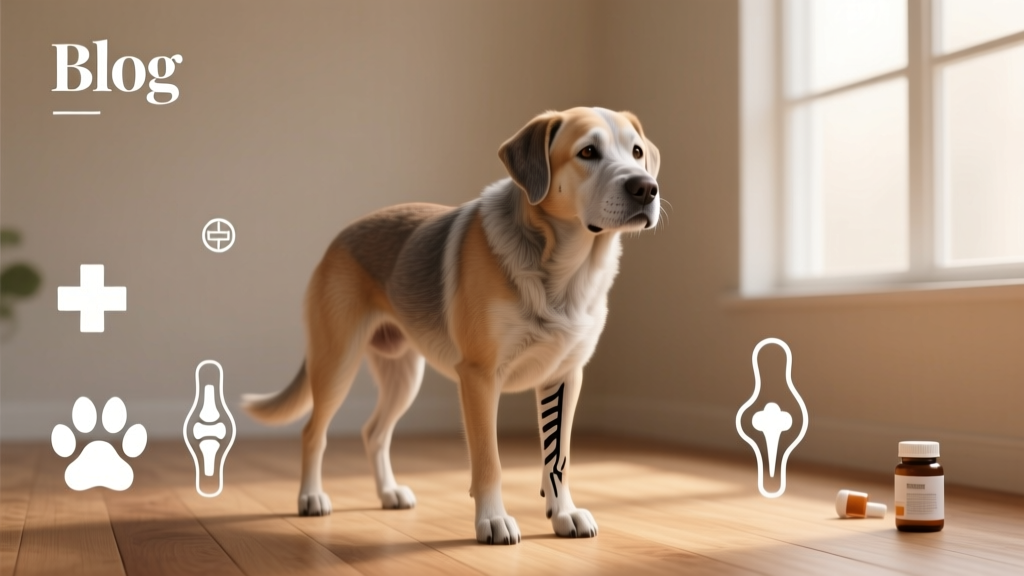
Osteoarthritis in dogs treatment requires a multimodal approach combining weight management, pharmaceutical pain relief, and physical therapy. The most effective protocol starts with Non-Steroidal Anti-Inflammatory Drugs or anti-Nerve Growth Factor monoclonal antibodies to reduce inflammation, paired with joint supplements. This guide is designed for dog owners navigating a recent osteoarthritis diagnosis or seeking better pain management for their aging companions. Treatment for canine osteoarthritis focuses on halting cartilage degradation and managing chronic pain. Veterinary professionals typically prescribe a combination of prescription analgesics, omega-3 fatty acid supplementation, and controlled low-impact exercise. Early intervention prevents irreversible joint remodeling.
Key Takeaways
- Multimodal therapy combining medication, weight control, and physical therapy yields the best outcomes.
- Biologic therapies like bedinvetmab offer targeted pain relief with fewer gastrointestinal side effects.
- Maintaining a lean body condition score reduces joint load by up to 25 percent.
Confirming the Diagnosis
Before initiating osteoarthritis in dogs treatment, a veterinarian must confirm the condition through orthopedic examination and radiographic imaging. According to the American Veterinary Medical Association, approximately 20 percent of adult dogs suffer from some form of joint disease. X-rays reveal joint effusion, osteophyte formation, and subchondral bone sclerosis.

Pharmaceutical Treatments for Canine Osteoarthritis
Non-Steroidal Anti-Inflammatory Drugs
Non-Steroidal Anti-Inflammatory Drugs remain the cornerstone of pharmacological intervention. Medications such as carprofen and meloxicam inhibit cyclooxygenase enzymes to decrease prostaglandin production. These drugs provide rapid relief from acute flare-ups and chronic stiffness.
Monoclonal Antibody Therapy
The introduction of bedinvetmab (Librela) revolutionized pain management by targeting Nerve Growth Factor directly. Administered via subcutaneous injection once every 28 days, this biologic therapy prevents pain signals from reaching the central nervous system. It is highly effective for dogs that cannot tolerate traditional oral medications.
Natural Remedies and Lifestyle Management
Many owners search for natural remedies for dog osteoarthritis to complement clinical care. Omega-3 fatty acids derived from wild-caught fish oil reduce systemic inflammation at the cellular level. Additionally, controlled hydrotherapy and underwater treadmill sessions build muscle mass without placing excessive concussive forces on damaged cartilage.
Weight management is equally critical. A 15 percent reduction in body weight for overweight dogs significantly decreases the mechanical load on weight-bearing joints like the stifles and hips. The World Small Animal Veterinary Association emphasizes that maintaining an ideal body condition score is the single most effective non-pharmacological intervention.

Evaluating Medication Side Effects
Understanding dog arthritis medication side effects ensures safe long-term administration. While Non-Steroidal Anti-Inflammatory Drugs are generally safe, they can occasionally cause gastrointestinal ulceration or renal toxicity. Veterinarians mitigate these risks by performing baseline blood chemistry panels every 6 months to monitor liver and kidney function.
According to the Cornell University College of Veterinary Medicine, monitoring for vomiting, diarrhea, or changes in water consumption is essential during the first 14 days of starting a new analgesic.
Surgical Interventions
When conservative management fails, surgery for dog osteoarthritis becomes a necessary consideration. Procedures such as total hip replacement or cranial cruciate ligament stabilization address the underlying biomechanical instability. Joint replacement surgeries boast a 95 percent success rate in restoring full, pain-free mobility.
Treatment Comparison Matrix
| Treatment Modality | Onset of Action | Estimated Monthly Cost | Primary Benefit |
|---|---|---|---|
| Non-Steroidal Anti-Inflammatory Drugs | 2 to 4 hours | $45 to $90 | Rapid reduction of acute inflammation |
| Bedinvetmab (Librela) | 7 to 14 days | $120 to $250 | Targeted nerve pain blockade |
| Omega-3 Fatty Acids | 4 to 8 weeks | $20 to $40 | Cellular membrane support |
| Hydrotherapy | 3 to 6 weeks | $60 to $100 per session | Muscle strengthening without joint impact |
Frequently Asked Questions
What is the clinical definition of canine osteoarthritis?
Osteoarthritis Definition: A progressive, degenerative joint disease characterized by the continuous breakdown of articular cartilage. This structural deterioration leads to painful bone-on-bone friction, chronic synovial inflammation, joint effusion, and significantly reduced mobility in affected canine joints, requiring lifelong multimodal management.
Can diet alone treat joint degeneration?
Diet cannot reverse cartilage loss, but maintaining an optimal body condition score of 4 or 5 on a 9-point scale prevents accelerated joint degradation.
Are alternative therapies like acupuncture effective?
Veterinary acupuncture stimulates endogenous opioid release, providing adjunctive pain relief when combined with primary pharmacological treatments.
Conclusion and Next Steps
Managing joint degeneration requires consistent, multi-faceted intervention rather than a single curative pill. By combining targeted pharmaceuticals with strict weight control and physical rehabilitation, you can preserve your dog's mobility and comfort. Your immediate next step is to schedule a comprehensive orthopedic re-evaluation with your veterinarian to establish a customized, multimodal pain management protocol.
jonas-cole
All our authors care for dogs every day — read more of their work on the authors page.