When to See a Dog Massage Therapist for Canine Myofascial
Learn when a dog massage therapist can help manage canine myofascial pain syndrome — symptoms, diagnosis, treatment costs, and prognosis explained.
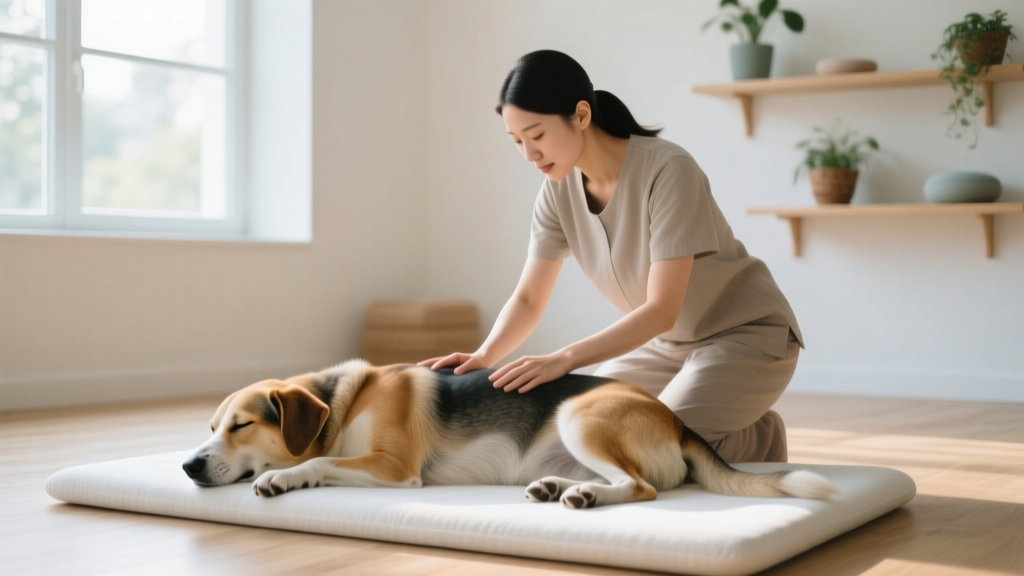
If your dog has been favoring one leg, resisting being touched along the back, or seems stiff after naps, you may be dealing with canine myofascial pain syndrome (MPS) — a condition involving chronic trigger points in the muscle and surrounding fascia. MPS is increasingly recognized in veterinary rehabilitation circles, and a certified dog massage therapist is often a key member of the treatment team. MPS affects an estimated 15–20% of aging dogs and up to 30% of working or athletic breeds, according to rehabilitation veterinarians surveyed by the AVMA. It develops when repeated microtrauma, overuse, or compensatory gait changes cause taut bands of muscle fiber to form hypersensitive nodules called trigger points. Left untreated, MPS can lead to chronic lameness, reduced range of motion, and secondary joint degeneration.
While MPS is not life-threatening, it significantly impacts quality of life. This guide covers how to recognize it, what diagnostic tests to expect, when a dog massage therapist fits into the treatment plan, and realistic costs for managing the condition long-term.
What Is Canine Myofascial Pain Syndrome?
Myofascial pain syndrome in dogs is a neuromuscular disorder characterized by myofascial trigger points (MTrPs) — discrete, hyperirritable spots within a taut band of skeletal muscle. These trigger points refer pain to surrounding areas, meaning your dog may react to touch in the hip when the actual problem originates in the lumbar paraspinal muscles.
The condition arises from several mechanisms:
- Acute overload: A single episode of excessive exertion (e.g., an agility dog over-rotating on a jump)
- Chronic repetitive strain: Daily activities like jumping on/off furniture or pulling on leash
- Compensatory gait changes: A dog with hip dysplasia shifting weight to the front limbs, overloading shoulder and cervical muscles
- Post-surgical scarring: Fascia adhesions forming after orthopedic procedures like TPLO or FHO
- Stress-related tension: Anxiety-related muscle bracing, particularly in the neck and jaw
Unlike simple muscle soreness, MPS trigger points do not resolve with rest alone. They require targeted intervention — which is where a trained dog massage therapist, working under veterinary referral, becomes essential.
Symptoms of Myofascial Pain Syndrome in Dogs
MPS symptoms are often subtle and progress slowly, which is why many owners don't notice until the condition is well-established. Use the checklist below to assess your dog's current state.
| Severity Level | Symptoms |
|---|---|
| Early Warning Signs |
|
| Moderate Symptoms |
|
| Advanced Symptoms |
|
A certified dog massage therapist trained in canine myofascial release can often palpate trigger points that are not yet causing overt lameness — making them valuable for early detection during routine bodywork sessions.
Risk Factors and Breed Predisposition
Who Is Most at Risk?
- Working and athletic breeds: Border Collies, Belgian Malinois, German Shepherds, Labrador Retrievers, and Australian Shepherds face the highest risk due to repetitive high-intensity activity
- Chondrodystrophic breeds: Dachshunds, Corgis, and Basset Hounds develop MPS secondary to IVDD-related gait compensation
- Large and giant breeds: Great Danes, Rottweilers, and Mastiffs accumulate trigger points from carrying excess body mass
- Age: Dogs over 7 years show significantly higher prevalence, though MPS can develop in puppies as young as 6 months in working-line dogs
- Weight: Dogs with a body condition score (BCS) of 6/9 or above place additional mechanical load on postural muscles
- Environment: Slippery flooring (hardwood, tile) forces constant micro-adjustments in stance; dogs in homes without non-slip rugs develop hind-end trigger points more frequently
- History of orthopedic surgery: Post-TPLO, post-FHO, and post-total-hip-replacement dogs develop compensatory MPS in 40–60% of cases within 12 months
Genetics play a role indirectly: breeds predisposed to hip dysplasia, elbow dysplasia, or IVDD are more likely to develop secondary MPS as their bodies compensate for joint instability or nerve compression.
How Is Myofascial Pain Syndrome Diagnosed?
MPS diagnosis is primarily clinical — there is no single blood test or imaging study that confirms trigger points. Your veterinarian, often in collaboration with a veterinary rehabilitation specialist, will use a combination of methods:
- Comprehensive orthopedic exam ($80–$150): Gait analysis, joint range-of-motion measurement, and palpation of all major muscle groups. The vet applies firm digital pressure to suspected trigger point locations and watches for a "jump sign" — an involuntary flinch or vocalization.
- Neurological exam ($50–$100): Rules out nerve root compression, IVDD, or degenerative myelopathy that can mimic MPS symptoms.
- Radiographs ($150–$400 for full series): Not diagnostic for MPS itself, but essential to rule out osteoarthritis, bone tumors, or fractures as the primary pain source.
- Diagnostic ultrasound ($200–$500): High-resolution musculoskeletal ultrasound can visualize taut muscle bands and fascial thickening. Some rehabilitation practices use this to map trigger point locations before referring to a dog massage therapist.
- Blood work ($100–$250 CBC/chemistry panel): Rules out systemic causes of muscle pain such as hypothyroidism, immune-mediated myositis, or tick-borne disease.
- Advanced imaging if needed ($800–$2,000 MRI/CT): Reserved for cases where neurological disease cannot be ruled out by exam and radiographs alone.
Total diagnostic cost typically ranges from $400 to $1,200 depending on how many tests are needed. Most straightforward MPS cases are diagnosed within the first two visits once other conditions are excluded.
Treatment Options: Where a Dog Massage Therapist Fits In
MPS management is multimodal. A dog massage therapist is one component of a broader treatment plan that may include pharmaceutical, physical, and environmental interventions.
| Treatment | How It Works | Typical Cost per Session | Frequency | Success Rate |
|---|---|---|---|---|
| Canine myofascial massage therapy | Sustained pressure and stretching techniques release trigger points, improve fascial glide, and restore normal muscle length | $65–$120 | Weekly for 4–6 weeks, then biweekly maintenance | 70–85% improvement in pain scores after 6 sessions (veterinary rehabilitation literature) |
| NSAIDs (carprofen, meloxicam, grapiprant) | Reduce inflammation and break the pain-spasm cycle | $30–$80/month | Daily during acute flare-ups; pulse-dosing for maintenance | Effective for acute pain; limited long-term monotherapy benefit |
| Laser therapy (class IV) | Photobiomodulation increases cellular ATP production and reduces local inflammation | $40–$75 per session | 2–3 times per week for 3–4 weeks | 60–75% response rate as adjunct therapy |
| Acupuncture | Needle insertion at trigger points and traditional points modulates pain signaling | $75–$150 per session | Weekly for 4–6 weeks | 65–80% improvement reported in chronic musculoskeletal pain |
| Hydrotherapy (underwater treadmill) | Buoyancy reduces joint load while water resistance rebuilds atrophied muscle | $55–$100 per session | 1–2 times per week for 8–12 weeks | High efficacy for concurrent arthritis; moderate for isolated MPS |
| Shockwave therapy (ESWT) | Acoustic pulses stimulate tissue regeneration and disrupt chronic trigger points | $200–$400 per session | 1–3 sessions spaced 2–3 weeks apart | 75–90% for refractory trigger points unresponsive to manual therapy |
| Trigger point injection | Local anesthetic (bupivacaine) injected directly into MTrP | $100–$250 per session | As needed; typically 1–3 sessions | Immediate relief in 80–90% of cases; effects last 2–8 weeks |
The most effective protocols combine a dog massage therapist's manual work with at-home exercises and, when needed, short courses of anti-inflammatory medication. Rehabilitation veterinarians increasingly refer to this as the "manual-pharmaceutical-exercise" triad.
Prognosis by Stage and Severity
| Stage | Clinical Picture | Expected Outcome | Timeline to Improvement |
|---|---|---|---|
| Stage 1 (Acute, localized) | Single trigger point region, symptoms present less than 4 weeks, no muscle atrophy | Full resolution in 85–95% of cases with consistent treatment | 2–4 weeks |
| Stage 2 (Chronic, regional) | Multiple trigger point regions, symptoms 1–6 months, mild compensatory atrophy | Significant improvement (70–80% pain reduction); some maintenance therapy required indefinitely | 6–12 weeks |
| Stage 3 (Advanced, widespread) | Diffuse trigger points, symptoms over 6 months, significant atrophy, secondary joint changes | Management rather than cure; goal is 50–60% improvement in comfort and mobility | 3–6 months to see meaningful change; ongoing therapy required |
| Stage 4 (End-stage with comorbidities) | MPS concurrent with severe osteoarthritis, neurological disease, or systemic illness | Palliative focus; massage therapy improves comfort even when underlying disease is progressive | Variable; quality-of-life assessments guide ongoing care |
MPS itself is not fatal and does not shorten life expectancy when managed appropriately. Dogs with Stage 1–2 MPS typically live a normal lifespan. The prognosis is primarily driven by any underlying conditions (hip dysplasia, IVDD, degenerative myelopathy) rather than the myofascial component alone.
Home Care and Daily Management
Your dog massage therapist will typically assign "homework" between sessions. Here is what a comprehensive home management plan looks like:
Environmental Modifications
- Non-slip surfaces: Place rubber-backed rugs or yoga mat runners on hardwood and tile floors. Cost: $40–$120 for a typical living area.
- Ramps and steps: Use a foam ramp (e.g., Pet Gear Tri-Fold Ramp, ~$45–$70) for car access and a pet stair set for furniture. This eliminates the high-impact jumping that reactivates trigger points.
- Orthopedic bed: A memory foam bed (minimum 4 inches thick for dogs over 50 lb / 23 kg) prevents pressure points during sleep. Expect to spend $80–$200 for a quality option like the Big Barker or Furhaven Orthopedic lines.
- Raised food bowls: For dogs with cervical trigger points, elevate bowls to shoulder height to reduce neck strain during meals.
At-Home Exercises (Prescribed by Your Rehab Vet or Therapist)
- Passive range of motion (PROM): Gently flex and extend affected joints through 10–15 slow repetitions, twice daily. Your dog massage therapist will demonstrate correct angles.
- Controlled leash walks: 15–20 minutes on flat, even ground at a steady pace. Avoid sudden starts, stops, and turns during the initial 4–6 week treatment phase.
- Balance work: Standing on a stable balance disc or folded towel for 30–60 seconds engages core stabilizers and reduces compensatory patterns. Start with front paws only, progress to all four.
- Heat therapy: Apply a warm (not hot — approximately 104°F / 40°C) compress to trigger point areas for 10–15 minutes before exercise or massage to improve tissue extensibility.
Monitoring Your Dog's Progress
Keep a simple weekly log tracking:
- Ease of rising (score 1–5, where 1 is severe difficulty and 5 is normal)
- Walk duration before slowing or limping
- Reaction to palpation of known trigger point areas
- Overall activity level and enthusiasm
Share this log with your dog massage therapist and rehabilitation veterinarian at each visit. Objective tracking prevents the "he seemed fine yesterday" recall bias that can delay treatment adjustments.
Cost of Treatment: What to Budget
Managing MPS is an ongoing investment. Here is a realistic breakdown based on 2026 pricing at US veterinary rehabilitation practices:
| Expense Category | Initial Phase (First 3 Months) | Maintenance Phase (Annual) |
|---|---|---|
| Diagnostic workup | $400–$1,200 | $150–$300 (annual recheck radiographs) |
| Dog massage therapist sessions | $520–$960 (8–12 sessions) | $650–$1,440 (biweekly to weekly) |
| NSAIDs or pain medication | $90–$240 | $120–$600 (intermittent or continuous) |
| Adjunct therapies (laser, acupuncture) | $300–$900 | $200–$600 |
| Home equipment (beds, ramps, rugs) | $200–$500 | $50–$150 (replacement wear items) |
| Supplements (fish oil, glucosamine/chondroitin) | $60–$120 | $120–$240 |
| Total Estimated Cost | $1,570–$3,920 | $1,290–$3,330/year |
Worst-case scenario: A dog requiring shockwave therapy plus trigger point injections alongside ongoing massage could see first-year costs reach $5,000–$7,000. Pet insurance with wellness/rehabilitation add-ons (such as those offered by Trupanion or Healthy Paws) may cover 50–80% of rehabilitation costs depending on your plan — check your policy's alternative therapy rider before starting treatment.
When to See the Vet Immediately
Red Flag Symptoms — Do Not Wait for the Next Massage Appointment
While MPS is a chronic condition, certain symptoms indicate a potentially serious underlying problem that requires immediate veterinary evaluation:
- Sudden inability to bear weight on a limb — could indicate fracture, ligament rupture, or fibrocartilaginous embolism (FCE)
- Acute dragging of hind limbs or knuckling — possible IVDD disc herniation or degenerative myelopathy flare
- Muscle swelling that is warm to the touch — could indicate infection, abscess, or inflammatory myopathy
- Fever (above 103.5°F / 39.7°C) with muscle pain — possible immune-mediated myositis or tick-borne illness
- Rapid muscle wasting over days (not weeks) — requires neurological workup to rule out denervation
- Pain that causes your dog to stop eating or drinking — indicates severity beyond what MPS alone typically produces
These symptoms require same-day veterinary evaluation. A dog massage therapist is not equipped to diagnose or treat these emergencies. Always consult your veterinarian before beginning or continuing any bodywork if your dog's condition changes suddenly.
Finding a Qualified Dog Massage Therapist
Not all massage practitioners have the same training. Look for these credentials:
- Certified Canine Rehabilitation Practitioner (CCRP) — requires a veterinary or physical therapy background plus specialized canine coursework through the University of Tennessee or Canine Rehabilitation Institute
- Certified Canine Massage Therapist (CCMT) — offered through the Canine Massage Therapy Centre (UK-based, internationally recognized) requiring 200+ hours of hands-on training
- National Board Certification for Animal Acupressure and Massage (NBCAAM) — standardized exam-based certification
A qualified dog massage therapist should always work under veterinary referral, maintain liability insurance, and be willing to communicate directly with your veterinarian about your dog's treatment plan. Avoid practitioners who claim to "diagnose" conditions or who discourage you from seeking concurrent veterinary care.
Session costs vary by region: expect $65–$85 in the Midwest and South, $85–$120 on the coasts and in major metro areas. Mobile practitioners who come to your home typically charge 20–30% more.
Prevention Strategies
While not all MPS cases are preventable — particularly those secondary to genetic orthopedic conditions — you can significantly reduce risk:
- Maintain lean body condition: A BCS of 4–5/9 reduces mechanical load on postural muscles. Every pound above ideal weight increases cumulative joint and muscle stress.
- Warm-up before intense activity: Five minutes of brisk walking before agility, flyball, or fetch sessions prepares muscle tissue for high-intensity loading.
- Avoid weekend warrior syndrome: Dogs that are sedentary Monday–Friday and then hike 8 miles on Saturday are prime MPS candidates. Build fitness gradually — increase activity volume by no more than 10% per week.
- Regular bodywork as maintenance: Even healthy, active dogs benefit from a professional massage session every 4–6 weeks. Think of it as preventive maintenance, similar to dental cleanings.
- Core strengthening exercises: A strong core stabilizes the spine and reduces compensatory tension in the limbs. Ask your rehabilitation vet for a sport-specific conditioning program.
- Proper harness fit: Ill-fitting harnesses create pressure points along the sternum and axillary region. Have your harness professionally fitted or choose an adjustable model like the Ruffwear Front Range or Perfect Fit harness.
Frequently Asked Questions
Can myofascial pain syndrome in dogs be cured?
Stage 1 MPS (acute, localized) can often be fully resolved with 4–6 weeks of consistent treatment including professional massage, home exercises, and short-term anti-inflammatory medication. Chronic Stage 2–3 MPS is typically managed rather than cured — the goal shifts to maintaining comfort and mobility through ongoing therapy. The condition does not shorten lifespan when properly managed.
How much does a dog massage therapist cost?
Individual sessions range from $65 to $120 depending on your region and the therapist's credentials. An initial treatment plan typically requires 8–12 weekly sessions ($520–$1,440 total), followed by biweekly or monthly maintenance. Some veterinary rehabilitation clinics include massage therapy within a bundled rehabilitation package priced at $100–$180 per combined session.
Which breeds are most prone to myofascial pain syndrome?
Working and athletic breeds — Border Collies, German Shepherds, Belgian Malinois, Labrador Retrievers, and Australian Shepherds — have the highest incidence due to repetitive high-intensity activity. Chondrodystrophic breeds (Dachshunds, Corgis) frequently develop secondary MPS from IVDD compensation. Large breeds over 80 lb (36 kg) are also overrepresented due to the cumulative mechanical load on postural muscles.
What is the life expectancy of a dog with myofascial pain syndrome?
MPS itself does not reduce life expectancy. Dogs with well-managed MPS live normal lifespans for their breed. Prognosis is determined by any concurrent conditions (severe hip dysplasia, IVDD, degenerative myelopathy) rather than the myofascial component. A dog with isolated MPS and no other health issues has the same expected lifespan as an unaffected dog.
How is myofascial pain syndrome diagnosed in dogs?
Diagnosis is clinical, based on orthopedic and neurological examination, trigger point palpation, and exclusion of other causes through radiographs and blood work. There is no single definitive test. A "jump sign" response to firm palpation of a taut muscle band, combined with ruling out orthopedic and neurological disease, confirms the diagnosis. Musculoskeletal ultrasound can support the diagnosis by visualizing fascial thickening.
Can I massage my dog myself instead of seeing a professional?
Light effleurage (gentle stroking) is safe for most dogs and can complement professional therapy. However, trigger point release requires specific pressure, angle, and duration techniques that are difficult to learn without hands-on training. Incorrect technique can worsen muscle guarding or cause your dog to associate touch with pain. A dog massage therapist will teach you safe at-home techniques appropriate for your dog's specific trigger points during your sessions.
This article is for informational purposes only and does not replace professional veterinary advice. Always consult your veterinarian before beginning any new treatment, including massage therapy, for your dog. If your dog shows signs of sudden pain, lameness, or neurological changes, seek immediate veterinary care.
Dr. Hannah Wickes
All our authors care for dogs every day — read more of their work on the authors page.