Dog Itchy Ears: Causes, Diagnosis, and Treatment Guide
Why are your dog's ears so itchy? Learn the top causes of dog itchy ears, symptoms to watch for, vet diagnosis steps, treatment costs, and prevention tips.
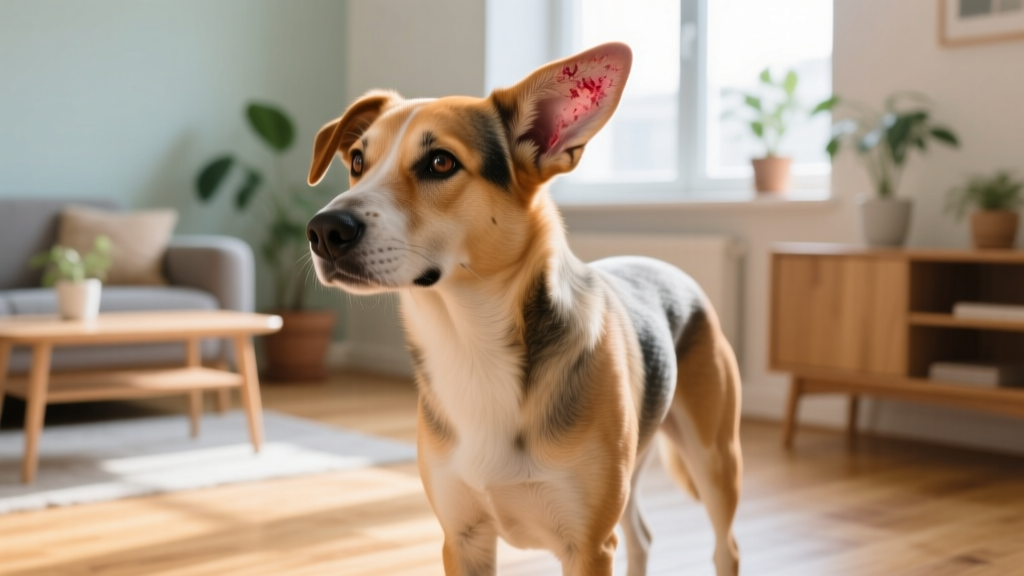
What Causes Dog Itchy Ears? Understanding the Problem
When your dog can't stop scratching, pawing, or rubbing their ears against furniture, you're likely dealing with otitis externa — inflammation of the outer ear canal. This is the most common reason for dog itchy ears, affecting an estimated 20% of the canine population at some point in their lives, according to data summarized in the Merck Veterinary Manual. But "itchy ears" isn't a single diagnosis. It's a symptom cluster that can stem from yeast overgrowth, bacterial infection, ear mites, allergies (food or environmental), foreign bodies like grass awns, or even hormonal imbalances such as hypothyroidism.
The ear canal of a dog is L-shaped — vertical, then horizontal — which traps moisture and debris far more effectively than the human ear. This anatomy makes dogs particularly susceptible to the cycle of inflammation, infection, and chronic thickening that turns a simple itch into a $1,500+ veterinary problem if left unchecked.
Symptoms of Itchy Ears in Dogs: Early Warning vs. Advanced Signs
Recognizing the stage of ear disease helps you act quickly and communicate effectively with your veterinarian. Below is a severity-organized checklist:
| Severity | Symptoms | Typical Timeline |
|---|---|---|
| Early (Stage 1) |
|
Days 1-5 of onset |
| Moderate (Stage 2) |
|
Days 5-14 without treatment |
| Advanced (Stage 3) |
|
Weeks to months of untreated or recurrent disease |
Risk Factors: Which Dogs Are Most Prone to Itchy Ears?
Breed Predisposition
Dogs with floppy, pendant ears are the highest-risk group because the ear flap restricts airflow into the canal, creating a warm, humid environment ideal for microbial growth:
- Cocker Spaniels — the #1 breed cited for chronic otitis externa; their narrow canals combined with heavy ear leather create a near-perfect infection environment
- Basset Hounds & Bloodhounds — extremely long ear leather drags on the ground, picking up debris
- Labrador & Golden Retrievers — high prevalence linked to both ear conformation and high rates of atopic dermatitis (environmental allergies)
- German Shepherds — despite upright ears, they're predisposed due to a breed-specific tendency toward excessive cerumen (ear wax) production and stenosis
- Poodles & Doodle mixes — hair growth inside the ear canal traps debris; a common grooming oversight
- Shar-Peis — extremely narrow ear canals from birth, making even mild inflammation problematic
Other Key Risk Factors
- Age: Puppies are more susceptible to ear mites (Otodectes cynotis); adult and senior dogs more commonly develop allergy-driven or chronic otitis
- Swimming/bathing frequency: Dogs that swim weekly (Labs, Newfoundlands, Portuguese Water Dogs) have 2-3x higher rates of otitis externa
- Allergies: An estimated 43-80% of dogs with atopic dermatitis develop otitis externa as a secondary manifestation, per the Merck Veterinary Manual
- Endocrine disease: Hypothyroidism and Cushing's disease suppress skin barrier function, leading to recurrent ear infections
- Foreign bodies: Grass awns (foxtails) are a seasonal emergency in western and southern US states, particularly May-October
How Veterinarians Diagnose the Cause of Itchy Ears
A thorough ear diagnosis is multi-step. Expect your vet to work through the following process, which typically spans one to two visits:
| Step | Procedure | What It Reveals | Estimated Cost |
|---|---|---|---|
| 1. Otoscopic Exam | Visual inspection of ear canal using an otoscope; assesses canal patency, eardrum integrity, and presence of foreign bodies or masses | Confirms canal inflammation, identifies foreign objects, checks if eardrum is intact (critical before prescribing certain medications) | $50-$85 (included in exam fee) |
| 2. Ear Cytology | Swab of ear discharge smeared on a slide, stained, and examined under microscope | Identifies yeast (Malassezia), cocci vs. rod bacteria, ear mites, and inflammatory cells — this dictates medication choice | $35-$65 per ear |
| 3. Bacterial Culture & Sensitivity | Ear swab sent to lab; bacteria grown and tested against various antibiotics | Essential for recurrent or rod-bacterial infections to identify resistant organisms like Pseudomonas aeruginosa | $120-$200 |
| 4. Allergy Testing | Intradermal skin testing or serum IgE blood panel (if allergic otitis suspected) | Identifies specific environmental allergens for immunotherapy formulation | $250-$450 |
| 5. Food Elimination Trial | 8-12 week strict diet trial using novel protein or hydrolyzed diet (e.g., Royal Canin Ultamino, Hill's z/d) | Rules in or out cutaneous adverse food reaction (food allergy) as the root cause | $80-$150 (specialized diet cost over trial period) |
| 6. Advanced Imaging | CT scan or MRI of the head (for chronic cases, suspected middle ear disease, or tumors) | Evaluates tympanic bulla, soft tissue masses, and extent of canal stenosis | $800-$2,500 |
In straightforward first-time infections, steps 1 and 2 are usually sufficient. Culture and sensitivity, allergy workups, and imaging come into play for recurrent or refractory cases — which is where the majority of long-term costs accumulate.
Treatment Options for Dog Itchy Ears: What Works and When
Treatment depends entirely on the underlying cause identified during diagnosis. Here's a comparison of the most common therapeutic approaches:
| Cause | Primary Treatment | Duration | Success Rate | Cost Range |
|---|---|---|---|---|
| Yeast infection (Malassezia) | Topical antifungal drops (miconazole, clotrimazole, or posaconazole-based like Osurnia® single-application gel) | 7-14 days (daily drops) or single application (Osurnia) | 85-95% resolution with appropriate topical therapy | $30-$85 (drops); $100-$175 (Osurnia per ear) |
| Bacterial infection (cocci) | Topical antibiotic-steroid combinations (e.g., Surolan®, Otomax®, MomentaMax®) | 10-14 days | 90%+ with compliant daily application | $25-$65 |
| Bacterial infection (rods/Pseudomonas) | Culture-guided topical therapy; may require TrizEDTA flush to break biofilm; oral antibiotics in severe cases | 3-6 weeks | 60-80% (often requires multiple treatment rounds) | $150-$500+ |
| Ear mites | Topical parasiticide (selamectin/Revolution®, fluralaner/Bravecto®, or moxidectin/Advantage Multi®) | Single dose to 2 doses, 30 days apart | 95%+ with isoxazoline-class products | $25-$60 per dose |
| Allergic otitis | Treat secondary infection first, then manage allergy: oclacitinib (Apoquel®), lokivetmab (Cytopoint®), allergen-specific immunotherapy, or hydrolyzed diet | Lifelong management | 70-85% good-to-excellent control with multimodal allergy plan | $40-$150/month ongoing |
| Foreign body | Removal under sedation or general anesthesia; followed by short course of topical anti-inflammatory | Single procedure + 5-7 days aftercare | 99% if caught before eardrum perforation | $150-$450 (including sedation) |
| Chronic end-stage ear disease | Total ear canal ablation with lateral bulla osteotomy (TECA-BO) surgery | Recovery: 6-8 weeks post-op | 90-95% owner satisfaction; eliminates future ear infections | $2,500-$5,000 per ear (board-certified surgeon) |
Supportive Care That Makes a Difference
Regardless of the primary treatment, these supportive measures improve outcomes:
- Ear cleaning: Use a veterinary-approved ceruminolytic cleanser (e.g., Epi-Otic® Advanced by Virbac, TrizUltra® by Dechra) every 2-3 days during active infection, then weekly for maintenance. Never use hydrogen peroxide, alcohol, or witch hazel — these damage the delicate canal lining.
- Elizabethan collar (E-collar): Essential if your dog is causing self-trauma. A soft recovery collar or inflatable donut collar works for mild cases; a rigid plastic cone is necessary for dogs who can reach their ears with their hind paws.
- Drying after water exposure: For swimmers, apply a drying ear solution (acetic acid-based products like Dogswell Clean Ears or Vet Basics Ear Flush) within 30 minutes of exiting water.
Prognosis: What to Expect Based on Severity
| Stage | Prognosis | Expected Outcome |
|---|---|---|
| Acute, first-time (mild-moderate) | Excellent | Full resolution within 10-14 days with appropriate treatment. No lasting damage if eardrum is intact. |
| Recurrent (3+ episodes/year) | Good to guarded | Requires identifying and managing underlying cause (usually allergies or endocrine disease). Expect ongoing maintenance therapy. Canal changes may begin to accumulate. |
| Chronic with canal stenosis | Guarded | Canal narrowing may become irreversible. Medical management may only provide partial relief. Surgery (TECA-BO) may be recommended if quality of life declines. |
| Otitis media/interna (middle or inner ear) | Guarded to fair | If infection penetrates past the eardrum, treatment is prolonged (4-8 weeks). Vestibular signs (head tilt, balance issues) may persist even after infection resolves. Most dogs compensate well over 2-6 weeks. |
Itchy ears themselves do not shorten a dog's life. The underlying conditions — particularly when they progress to otitis media, aural hematomas requiring surgery, or chronic pain from end-stage ear disease — can significantly impact quality of life. Dogs that undergo TECA-BO surgery typically return to normal activity within 8 weeks, and owner satisfaction rates are reported at 90-95% in veterinary surgical literature.
Home Care, Prevention, and Daily Management
Weekly Ear Inspection Routine
Make this a 60-second habit every Sunday evening:
- Gently flip the ear flap and look at the inner pinna — it should be pale pink with minimal visible wax.
- Sniff the ear opening — healthy ears have little to no odor. Any musty, sweet, or sour smell indicates microbial overgrowth.
- If you see wax or debris, apply 4-6 drops of a veterinary ear cleanser into the canal, massage the base of the ear for 20-30 seconds (you'll hear a squishing sound), then let your dog shake. Wipe away loosened debris with a cotton ball or gauze pad. Never insert cotton swabs (Q-tips) into the ear canal — they push debris deeper and risk eardrum perforation.
Prevention Strategies That Actually Work
- For swimmers: Instill a drying ear flush within 30 minutes after every water exposure. Products containing salicylic acid, boric acid, or acetic acid lower canal pH, making it inhospitable to yeast and bacteria.
- For allergy-prone dogs: Work with your vet on a proactive allergy management plan (Cytopoint injections every 4-8 weeks, daily Apoquel, or immunotherapy) rather than waiting for ear infections to develop and treating reactively.
- For hairy ear canals (Poodles, Doodles): Have a groomer pluck or trim ear canal hair every 4-6 weeks. However, note that some veterinary dermatologists now recommend against routine plucking in dogs without active infections, as the plucking itself can cause microtrauma and inflammation. Discuss with your vet what's best for your individual dog.
- Diet quality: Dogs fed diets with adequate omega-3 fatty acids (EPA/DHA at 20-30 mg per lb of body weight daily) show improved skin barrier function, which can reduce the frequency of secondary ear infections. Fish oil supplements like Nordic Naturals Omega-3 Pet or Grizzly Salmon Oil provide measured dosing.
- Parasite prevention: Keep your dog current on a broad-spectrum parasiticide (e.g., Simparica Trio®, NexGard Plus®) that covers ear mites alongside fleas, ticks, and heartworm.
Cost of Treating Itchy Ears in Dogs: Budgeting for Care
The cost of addressing dog itchy ears varies enormously depending on whether you're dealing with a simple first-time infection or a chronic, recurrent condition. Here's a realistic breakdown based on 2025-2026 US veterinary pricing:
- Simple acute infection (first visit): $120-$250 total (exam + cytology + topical medication). Most pet insurance wellness plans cover a portion of this.
- Recurrent infection workup: $400-$900 (adds culture & sensitivity, possible allergy testing, multiple recheck visits)
- Chronic allergy-driven ear disease (annual cost): $800-$2,400/year (Cytopoint or Apoquel + periodic ear cytology + maintenance cleansers)
- Aural hematoma repair: $400-$1,200 (drainage and suturing, or laser therapy in some practices)
- TECA-BO surgery: $2,500-$5,000 per ear at a board-certified veterinary surgeon. Bilateral procedures (both ears) may cost $4,500-$8,000 total.
- Worst-case scenario (chronic bilateral disease with surgery, allergy workup, and ongoing management): $5,000-$10,000+ over the dog's lifetime
Pet insurance can significantly offset these costs. Most comprehensive policies (Trupanion, Healthy Paws, Figo) cover ear infections as a standard condition, with typical reimbursement of 70-90% after deductible. However, if your dog had ear problems before enrollment, those will be classified as pre-existing conditions and excluded.
🚨 When to See the Vet Immediately
Don't wait for your next routine appointment if your dog shows any of these red flags:
- Head tilt that appeared suddenly — suggests inner ear or neurological involvement
- Loss of balance, falling, or circling in one direction
- Swollen, pillow-like ear flap (aural hematoma) — needs drainage within 24-48 hours for best cosmetic outcome
- Pus, blood, or dark fluid draining from the ear
- Extreme pain — dog won't allow you near the ear, cries when touched
- Fever (rectal temperature above 103.5°F / 39.7°C)
- Facial nerve paralysis — drooping lip, inability to blink on affected side
- Lethargy combined with ear symptoms — especially in puppies or senior dogs
Consult your veterinarian promptly. These symptoms can indicate otitis media, a ruptured eardrum, or a neurological emergency that requires same-day evaluation.
Frequently Asked Questions About Dog Itchy Ears
Can I treat my dog's itchy ears at home without going to the vet?
For very mild cases where symptoms have been present less than 48 hours, you can try gently cleaning the ears with a veterinary-approved ear cleanser and monitoring closely. However, if scratching persists beyond two days, if you notice discharge, odor, or pain, or if this is a recurring problem, a veterinary exam is essential. Using leftover prescription ear drops from a previous infection without current cytology is risky — the medication may be inappropriate for the current organism, and applying drops to an ear with a ruptured eardrum can cause deafness.
Are itchy ears in dogs contagious to other pets or humans?
Ear mites (Otodectes cynotis) are highly contagious between dogs and cats in the same household. If one pet is diagnosed with ear mites, all in-contact animals should be treated simultaneously. Bacterial and yeast ear infections are not contagious. None of these organisms are zoonotic — they don't transmit to humans.
How long does it take for dog itchy ears to clear up with treatment?
Simple yeast or bacterial otitis externa typically resolves within 10-14 days of starting appropriate topical therapy, assuming the eardrum is intact and the dog isn't scratching out the medication. Pseudomonas infections may require 3-6 weeks. Allergy-driven otitis requires ongoing management — the itching may improve within days of starting Apoquel or Cytopoint, but the underlying allergy is a lifelong condition.
Why does my dog's ear infection keep coming back?
Recurrent otitis externa almost always points to an unresolved underlying cause. The most common culprits, in order of prevalence: environmental allergies (atopic dermatitis), food allergies, hypothyroidism, and anatomical factors (narrow canals, excessive hair in canals). According to the American Kennel Club, dogs with three or more ear infections per year should undergo a full allergy and endocrine workup rather than continuing to treat infections one at a time.
Can dog itchy ears lead to deafness?
Chronic, untreated ear disease can cause permanent hearing loss through several mechanisms: scarring and stenosis of the canal, destruction of the eardrum, or damage to the structures of the middle ear. Certain ototoxic medications (some aminoglycoside antibiotics like gentamicin) can also cause deafness if applied to an ear with a ruptured eardrum. This is why your vet checks eardrum integrity before prescribing treatment. Hearing loss from chronic ear disease is usually gradual and partial rather than sudden and total.
What is the best ear cleaner for dogs prone to itchy ears?
The "best" cleaner depends on the situation. For routine maintenance in healthy ears, a gentle, non-irritating cleanser like Epi-Otic® Advanced (Virbac) works well. For dogs with waxy buildup, a ceruminolytic formula like Cerulytic® (Dechra) or Oti-Clens® is more effective. For dogs with active or recent yeast infections, an acidifying cleanser like TrizUltra® + Keto (Dechra) adds antifungal benefit. Always choose products specifically formulated for canine ears — human ear drops and home remedies (vinegar, tea tree oil, coconut oil) can damage the canal or are toxic to dogs.
This article is for informational purposes only and does not replace professional veterinary advice. Always consult your veterinarian for diagnosis and treatment of your dog's ear conditions. If you suspect your dog has ingested a toxic substance, contact the ASPCA Animal Poison Control Center at (888) 426-4435 (24/7, consultation fee applies).
Robin Maitland
All our authors care for dogs every day — read more of their work on the authors page.