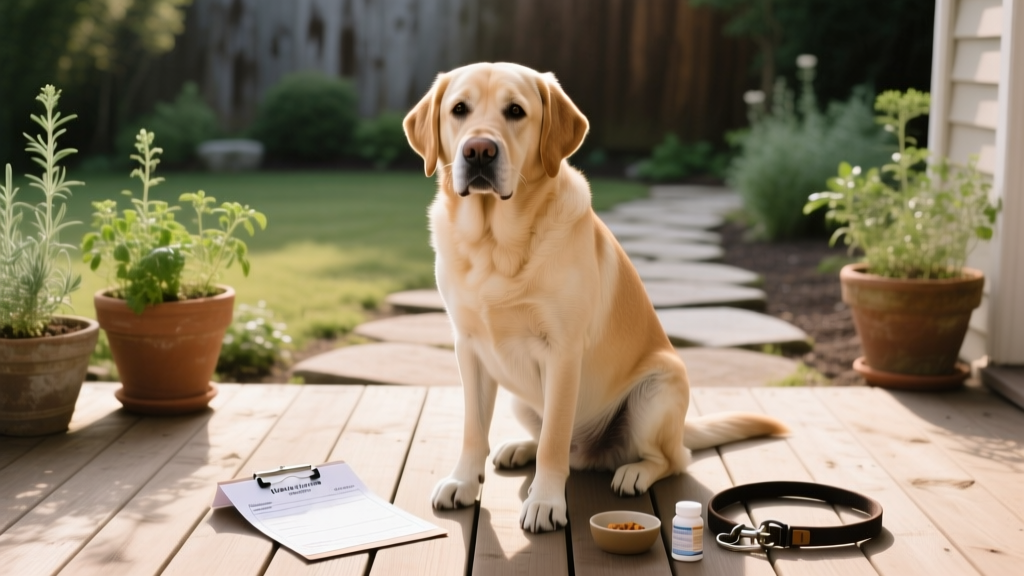
Your Dog Is Constipated: Symptoms, Causes & Treatment Guide
Your dog is constipated — learn the symptoms, causes, diagnosis, treatment costs, and when to see the vet in this comprehensive canine constipation guide.

What Is Constipation in Dogs?
Constipation in dogs occurs when your pet has difficulty passing stool, passes it infrequently, or produces abnormally hard, dry feces. It is one of the most common gastrointestinal complaints seen in veterinary practice, affecting dogs of all ages and breeds — though older, sedentary, and dehydrated dogs face elevated risk. When a dog is constipated, the colon retains fecal matter longer than normal, allowing excessive water absorption that makes stool progressively harder and more painful to pass.
Occasional constipation — skipping a bowel movement for 24 to 36 hours — can happen to any dog and often resolves with dietary adjustments. However, when your dog is constipated for more than 48 to 72 hours, the condition can escalate to obstipation (complete inability to defecate) or megacolon (permanent colon dilation and loss of motility), both of which require veterinary intervention.
According to the Merck Veterinary Manual, constipation arises from a wide range of causes including dehydration, dietary indiscretion, orthopedic pain, neurological dysfunction, and anatomical obstructions. Understanding the root cause is essential — treating the symptom without addressing the underlying problem often leads to recurrence.
Symptoms: How to Tell if Your Dog Is Constipated
Recognizing constipation early prevents progression to obstipation or megacolon. Symptoms develop along a severity continuum — early signs are easy to miss, while advanced signs indicate a potentially serious condition requiring immediate veterinary care.
| Severity Level | Symptoms | Action Required |
|---|---|---|
| Early Warning (24–48 hrs) |
|
Increase water intake, add fiber (canned pumpkin), monitor closely. Call vet if no improvement within 24 hours. |
| Moderate (48–72 hrs) |
|
Schedule a veterinary appointment within 24 hours. Do not attempt enemas at home. |
| Advanced / Emergency (72+ hrs) |
|
Emergency — go to nearest veterinary clinic or emergency hospital immediately. |
Important distinction: Many owners confuse constipation with a urinary blockage, especially in male dogs. If your dog is straining but producing no urine at all, this is a life-threatening emergency. A blocked bladder can cause fatal kidney damage within 24–48 hours. When in doubt, go to the vet.
Risk Factors: Which Dogs Are Most Prone to Constipation?
While any dog can become constipated, certain risk factors significantly increase the likelihood. Understanding these helps you monitor proactively and discuss preventive strategies with your veterinarian.
Breed Predisposition
- Brachycephalic breeds (Bulldogs, Pugs, Boston Terriers) — anatomical pelvic narrowing and chronic dehydration risk
- German Shepherds — higher incidence of perineal hernias and spinal conditions that affect colonic innervation
- Toy and small breeds (Pomeranians, Chihuahuas, Yorkshire Terriers) — smaller colon diameter means even mild dehydration causes harder stool
- Manx-type or tailless breeds — congenital spinal abnormalities can impair nerve function to the colon
Age and Life Stage
- Senior dogs (8+ years) — decreased mobility, reduced water intake, age-related muscle weakness, and higher rates of metabolic disease
- Post-surgical dogs — anesthesia, opioid pain medications (e.g., tramadol, buprenorphine), and reduced activity all slow gastrointestinal motility
Weight and Body Condition
- Overweight and obese dogs (BCS 7–9/9) — excess abdominal fat compresses the colon and reduces physical activity that stimulates peristalsis
- Underweight dogs — insufficient dietary bulk and possible dehydration
Environmental and Lifestyle Factors
- Insufficient daily exercise (under 30 minutes/day for most breeds)
- Low-moisture diet (dry kibble without supplemental water)
- Inadequate access to fresh water
- Stress or environmental changes (boarding, moving, new pets)
- Hair ingestion from excessive grooming (especially long-coated breeds)
- Ingestion of foreign material — bones, grass, toys, fabric, dirt
Medical Comorbidities
- Hypothyroidism — slows overall metabolic and GI function
- Kidney disease — chronic dehydration from increased urination
- Arthritis or hip dysplasia — pain makes squatting posture difficult
- Anal gland impaction or perianal fistulas
- Neurological conditions — IVDD, degenerative myelopathy, spinal trauma
- Prostate enlargement in intact male dogs — physically compresses the colon
How Is Constipation Diagnosed?
When you bring a constipated dog to the veterinary clinic, the diagnostic process typically follows a structured sequence. Your vet will begin with a thorough history and physical examination, then proceed to imaging and laboratory tests as needed to identify the underlying cause — not just the symptom.
Step-by-Step Diagnostic Process
- History & Physical Exam ($50–$95 office visit fee)
Your vet will ask about diet, water intake, exercise, last observed bowel movement, medications, and any foreign body ingestion. A physical exam includes abdominal palpation to assess fecal loading and a digital rectal exam to check for impaction, masses, strictures, anal gland issues, or perineal hernias. - Abdominal Radiographs / X-rays ($150–$350)
Two-view abdominal X-rays reveal the extent of fecal accumulation, colon diameter, presence of foreign objects, bone fragments, or masses. Radiographs also screen for megacolon — defined as a colon diameter exceeding 1.5 times the length of the L7 vertebral body on lateral view. - Blood Work — CBC and Chemistry Panel ($80–$200)
Blood tests evaluate hydration status (packed cell volume, total protein), kidney function (BUN, creatinine, SDMA), electrolyte balance (potassium, calcium), and thyroid levels. Hypokalemia (low potassium) and hypercalcemia (high calcium) both directly impair colonic smooth muscle function. - Urinalysis ($35–$75)
Assesses urine concentration to evaluate hydration and screens for metabolic conditions contributing to dehydration. - Advanced Imaging — Ultrasound or CT ($300–$800)
If X-rays are inconclusive or a mass, stricture, or neurological cause is suspected, abdominal ultrasound or CT provides detailed soft-tissue visualization. This step is more common in recurrent or chronic cases. - Colonoscopy or Biopsy ($400–$1,200)
Reserved for chronic, unresponsive cases or when neoplasia (cancer) is suspected. Performed under general anesthesia with tissue samples sent to a veterinary pathologist.
Total initial diagnostic cost: For a straightforward case, expect $280–$720. For a complex or chronic case requiring advanced imaging and specialist referral, costs can range from $800–$2,500+.
Treatment Options for Constipation in Dogs
Treatment depends entirely on severity, underlying cause, and duration. Your veterinarian will determine the appropriate approach — never administer over-the-counter human laxatives, enemas, or stool softeners without explicit veterinary instruction. Many human products (especially phosphate-based enemas like Fleet) are toxic and potentially fatal to dogs.
| Treatment Type | Examples | Used For | Cost Range | Success Rate |
|---|---|---|---|---|
| Dietary Modification | Canned pumpkin (1–4 Tbsp/meal), psyllium fiber, high-moisture prescription diets (e.g., Royal Canin Gastrointestinal, Hill's i/d) | Mild, early-stage constipation | $15–$60/month (food cost) | High for mild cases; not sufficient alone for moderate/advanced |
| Osmotic Laxatives | Lactulose (0.5–1.0 mL/kg PO q8–12h), polyethylene glycol 3350 (MiraLAX, vet-dosed) | Mild to moderate constipation | $15–$40 (prescription) | 70–85% effective when used early |
| Prokinetic Agents | Cisapride (0.1–0.5 mg/kg PO q8–12h), prucalopride | Chronic constipation, megacolon management | $30–$80/month | Variable — effective in ~60% of megacolon cases when combined with other therapy |
| Fluid Therapy (Subcutaneous or IV) | Lactated Ringer's solution, 0.9% NaCl — typically 50–100 mL/kg/day | Dehydration-related constipation, supportive care | $75–$200 per session (clinic-administered) | Very high as adjunct therapy |
| Manual Deobstipation | Manual fecal extraction under sedation/anesthesia, warm-water enemas (vet-administered only) | Moderate to severe impaction | $250–$700 (includes sedation, monitoring) | 90%+ immediate relief; recurrence likely without ongoing management |
| Surgical — Subtotal Colectomy | Removal of most or all of the colon; ileocolic or colorectal anastomosis | End-stage megacolon unresponsive to medical management | $2,500–$6,000+ | Good to excellent long-term outcome in 70–90% of cases (per Merck Veterinary Manual); most dogs have soft stools but regain continence within 2–6 weeks |
What You Can Safely Do at Home (with Vet Guidance)
For mild, early-stage constipation — and only after confirming with your veterinarian that there is no obstruction — these home measures can help:
- Canned pumpkin (plain, not pie filling): 1 tablespoon per 10 lb of body weight, mixed into food once or twice daily. Pumpkin provides soluble fiber and moisture.
- Increased hydration: Add warm water or low-sodium chicken broth (onion-free, garlic-free) to kibble. Switch to canned food or a high-moisture diet. Consider a pet water fountain to encourage drinking.
- Exercise: A brisk 20–30 minute walk stimulates colonic motility through physical movement and increased parasympathetic tone.
- Olive oil or coconut oil: 1 teaspoon per 10 lb of body weight, once daily for no more than 2–3 days. This is a short-term lubricant, not a long-term solution.
Prognosis: What to Expect Based on Severity
The prognosis for canine constipation varies dramatically depending on how quickly it's addressed and whether an underlying condition is identified and managed.
| Stage | Typical Duration | Prognosis | Long-Term Outlook |
|---|---|---|---|
| Acute / Mild | 24–72 hours | Excellent — resolves with dietary or medical intervention within 1–3 days | Full recovery; prevent recurrence with hydration and fiber |
| Moderate / Obstipation | 3–7 days | Good with veterinary treatment — manual deobstipation and supportive care usually effective | Good if underlying cause addressed; 30–50% recurrence rate without ongoing management |
| Chronic / Recurrent | Multiple episodes over weeks to months | Guarded to fair — requires lifelong management with medications and diet | Manageable with consistent veterinary care; quality of life generally maintained |
| Megacolon (End-Stage) | Months to years of progressive colon dilation | Fair with surgery (subtotal colectomy); medical management alone often fails at this stage | Post-surgery: 70–90% have good long-term outcomes; most dogs adapt to softer stools within weeks |
For most dogs experiencing a first episode of mild constipation, the prognosis is excellent and life expectancy is unaffected. The concern lies with chronic, unmanaged cases that progress to megacolon — at that stage, the colon's smooth muscle is permanently damaged and can no longer generate normal peristaltic contractions. Early intervention is the single most important factor in preventing this outcome.
Cost Breakdown: What You'll Pay for Diagnosis and Treatment
Veterinary costs vary significantly by region, clinic type (general practice vs. emergency/specialty), and case complexity. The ranges below reflect typical 2026 US pricing from general practice and emergency veterinary hospitals.
| Service | Low Estimate | High Estimate |
|---|---|---|
| Office visit / exam fee | $50 | $95 |
| Abdominal X-rays (2 views) | $150 | $350 |
| Blood work (CBC + chemistry) | $80 | $200 |
| Urinalysis | $35 | $75 |
| Subcutaneous fluids | $40 | $100 |
| Prescription laxatives (lactulose, cisapride) | $15 | $80 |
| Manual deobstipation under sedation | $250 | $700 |
| Emergency visit (after-hours) | $150 | $300 |
| Abdominal ultrasound | $300 | $600 |
| Subtotal colectomy surgery | $2,500 | $6,000+ |
| Typical total — mild case | $280 – $720 | |
| Typical total — moderate case with deobstipation | $600 – $1,800 | |
| Worst-case — emergency + surgery | $3,500 – $8,000+ | |
Insurance note: Most comprehensive pet insurance plans (Trupanion, Healthy Paws, Nationwide) cover constipation diagnosis and treatment when it's not a pre-existing condition. If your dog has a history of GI issues, review your policy's exclusion clauses before a visit.
Prevention: Keeping Your Dog Regular
Preventing constipation is far simpler and less expensive than treating it. These strategies address the most common contributing factors:
Hydration
- Ensure access to fresh, clean water at all times — change bowls at least twice daily
- Add water or broth to dry food; aim for at least 1 oz of water per pound of body weight per day
- Feed canned food at least once daily if your dog is prone to constipation
- Use a pet water fountain — many dogs drink more from flowing water sources
Diet and Fiber
- Feed a diet that meets AAFCO nutritional standards for your dog's life stage
- For dogs with recurrent constipation, discuss a veterinary-formulated high-fiber or gastrointestinal diet with your vet
- Avoid feeding large quantities of bones, rawhide, or indigestible chews that can cause obstruction
- Supplement with 1–2 tablespoons of canned pumpkin daily for prone dogs (adjust by size)
Exercise
- Minimum 30 minutes of moderate activity daily for most breeds; 60+ minutes for high-energy breeds
- Walking stimulates peristalsis — even a short walk after meals can promote regular bowel movements
- For senior or arthritic dogs, shorter but more frequent walks (2–3 times daily, 10–15 minutes each)
Grooming
- Brush long-haired breeds regularly to minimize hair ingestion during self-grooming
- Keep the perianal area trimmed and clean — matted fur around the anus can physically block defecation
- Regular anal gland expression if your dog is prone to impaction (your vet or groomer can do this)
Medication Awareness
- If your dog is prescribed medications known to cause constipation (opioids like tramadol, anticholinergics, iron supplements, sucralfate), ask your vet about a preventive bowel management plan
- Post-surgical dogs should have a bowel movement protocol in place before discharge
🚨 When to See the Vet Immediately
Go to your veterinarian or the nearest emergency veterinary hospital right away if your dog shows any of these red-flag symptoms:
- No bowel movement for 72 hours or more
- Vomiting, especially repeated vomiting or inability to keep water down
- Visible abdominal bloating or distension
- Crying, yelping, or trembling during defecation attempts
- Blood in stool or around the anal area
- Extreme lethargy, weakness, or collapse
- Straining with no urine output (this may be a urinary blockage, not constipation)
- Known ingestion of a foreign object (toy, sock, bone, corn cob)
ASPCA Animal Poison Control: (888) 426-4435 (24/7, consultation fee applies) — call if you suspect your dog ingested something toxic or a harmful foreign body.
Frequently Asked Questions
Can a dog die from constipation?
Yes, though it is uncommon when the condition is addressed promptly. Untreated severe constipation can progress to obstipation, megacolon, and in extreme cases, intestinal perforation or sepsis — both life-threatening. The risk increases dramatically after 72+ hours without a bowel movement, especially if accompanied by vomiting, dehydration, or refusal to eat. Early veterinary intervention virtually eliminates this risk in otherwise healthy dogs.
How long can a dog go without pooping before I should worry?
A healthy dog typically defecates 1–3 times per day. Missing a single bowel movement (24 hours) is not usually alarming if the dog is eating, drinking, and behaving normally. At 48 hours, begin monitoring closely and consider mild home interventions. At 72 hours or more, contact your veterinarian — even if your dog seems otherwise fine. Dogs with known risk factors (senior, post-surgical, brachycephalic) should be seen sooner.
Is it safe to give my dog MiraLAX (polyethylene glycol 3350)?
Polyethylene glycol 3350 (PEG 3350, brand name MiraLAX) is sometimes used in veterinary medicine for constipation, but the dose must be determined by your veterinarian based on your dog's weight, hydration status, and the severity of constipation. The typical veterinary dose ranges from 0.5–2.0 grams per kg of body weight per day, divided into multiple doses — but this varies significantly by case. Never administer without veterinary guidance, and never use if an intestinal obstruction is suspected, as laxatives against a blockage can cause perforation.
My dog is constipated after surgery — is this normal?
Post-surgical constipation is very common and expected. Anesthesia slows GI motility, opioid pain medications (tramadol, buprenorphine, hydromorphone) are strongly constipating, and reduced activity and food intake compound the problem. Most surgical discharge instructions include a bowel management plan. If your dog hasn't defecated within 72 hours of surgery, call your surgeon — they may prescribe lactulose or adjust pain medication. Do not discontinue prescribed pain medication without consulting your vet.
Can I use a human enema on my dog?
No. Human enemas — especially sodium phosphate (Fleet) enemas — are extremely dangerous for dogs and can cause fatal electrolyte imbalances, dehydration, and colonic damage. Even "pet-safe" enema products should only be administered by a veterinary professional who can first confirm there is no obstruction. Home enema attempts risk rectal perforation, which is a surgical emergency.
What breeds are most prone to constipation?
Brachycephalic breeds (English Bulldogs, French Bulldogs, Pugs, Boston Terriers) have a higher incidence due to anatomical factors and chronic low-grade dehydration. German Shepherds are overrepresented due to neurological and orthopedic comorbidities. Small and toy breeds are susceptible because of their smaller colon diameter. Intact male dogs of any breed may develop constipation secondary to prostatic enlargement. Senior dogs of all breeds are at increased risk due to reduced mobility and water intake.
What is the life expectancy of a dog with chronic constipation?
Most dogs with chronic or recurrent constipation have a normal life expectancy when the condition is actively managed with veterinary guidance — including dietary modifications, medications (lactulose, cisapride), and regular monitoring. Dogs that progress to megacolon and undergo subtotal colectomy surgery also have a good long-term prognosis, with studies reporting 70–90% good-to-excellent outcomes and normal life expectancy post-recovery. The key factor is consistent veterinary care and not allowing the condition to go unmanaged.
How can I tell the difference between constipation and a bowel obstruction?
This is difficult to determine at home, which is why veterinary evaluation is essential. General clues: constipation typically develops gradually and the dog may still pass small amounts of hard stool. A bowel obstruction (from a foreign body, tumor, or intussusception) often causes sudden, severe symptoms including acute vomiting, complete inability to pass any stool or gas, and rapid deterioration. If your dog has a known history of eating non-food items, or if symptoms came on suddenly and severely, treat it as a potential obstruction and seek emergency care.
Disclaimer: This article is for informational purposes only and does not replace professional veterinary advice. Always consult your veterinarian for diagnosis and treatment of your dog's health conditions. If your dog is experiencing a medical emergency, contact your nearest veterinary clinic or emergency hospital immediately.
Tom Renshaw
All our authors care for dogs every day — read more of their work on the authors page.