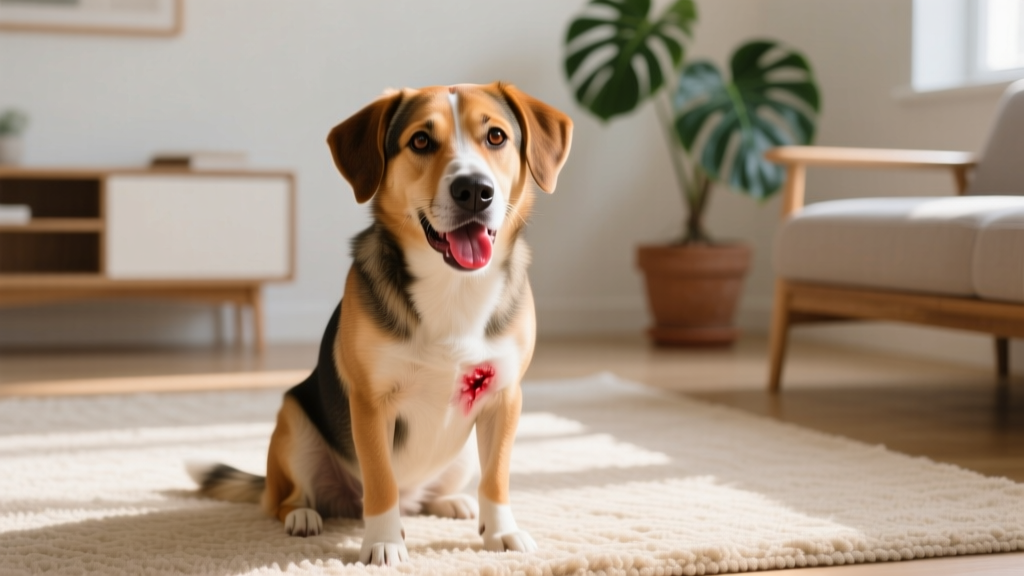
Dog Interdigital Cyst: Symptoms, Treatment Costs & Recovery Guide
Complete guide to dog interdigital cysts: symptoms by severity, diagnosis process, medical and surgical treatment options, costs, and home care tips.

If your dog keeps licking between their toes, limps after walks, or you've noticed red, swollen bumps on their paw pads, you may be dealing with a dog interdigital cyst. These painful, fluid-filled nodules form in the webbing between a dog's toes and are one of the most common causes of pododermatitis (paw inflammation) seen in veterinary clinics. According to the Merck Veterinary Manual, interdigital cysts—technically called interdigital furunculosis—occur when hair follicles in the toe webbing rupture, triggering a deep inflammatory and sometimes infectious response. They affect dogs of all ages but are especially prevalent in short-coated, heavy-set breeds like Bulldogs, Mastiffs, and Labrador Retrievers. While not life-threatening, untreated interdigital cysts can lead to chronic pain, secondary infections, and permanent tissue scarring that affects your dog's mobility.
What Exactly Is an Interdigital Cyst in Dogs?
An interdigital cyst is a firm, raised nodule that develops in the interdigital space—the skin webbing between your dog's toes. Despite the name, these aren't true cysts with a defined epithelial lining. They're more accurately described as furuncles (boils): dilated, ruptured hair follicles that leak keratin and other follicular material into the surrounding dermis, triggering a foreign-body inflammatory reaction.
The process typically unfolds in stages:
- Follicular dilation: A hair follicle in the toe webbing becomes clogged or irritated, often due to friction, pressure, or an underlying allergy.
- Follicular rupture: The dilated follicle bursts, releasing its contents into deeper tissue layers.
- Granulomatous inflammation: The immune system treats the leaked material as a foreign body, creating a walled-off nodule of inflammatory tissue.
- Secondary infection (common): Bacteria—most often Staphylococcus pseudintermedius—colonize the damaged tissue, forming pus-filled tracts and draining sinuses.
Some dogs develop a single cyst; others form clusters across multiple paws. Recurrence is common, especially when underlying causes like allergies or conformation issues aren't addressed.
Symptoms Checklist: Early Warning Signs vs. Advanced Disease
Interdigital cysts progress gradually. Catching them early significantly improves treatment outcomes and reduces costs. Use this checklist to assess where your dog's condition may fall:
| Severity | Symptom | What You'll Notice |
|---|---|---|
| Early (Mild) | Excessive paw licking | Dog licks between toes frequently, especially after walks or at night |
| Mild redness | Skin between toes appears pink or slightly red; no open wounds | |
| Small firm bump | Pea-sized nodule palpable between toes; dog may flinch when touched | |
| Occasional limping | Intermittent favoring of one paw, especially on hard surfaces | |
| Moderate | Visible swelling | Noticeable puffiness between toes; paw may look wider than normal |
| Draining tracts | Small openings that ooze blood-tinged fluid or pus | |
| Consistent lameness | Dog avoids putting weight on affected paw; alters gait | |
| Foul odor | Musty or yeasty smell from the paw, indicating secondary infection | |
| Advanced (Severe) | Multiple draining sinuses | Several open tracts across one or more paws; tissue looks raw |
| Scar tissue formation | Thickened, fibrotic skin between toes; reduced toe splay | |
| Chronic pain behavior | Reluctance to walk, irritability, decreased appetite, disturbed sleep | |
| Spreading cellulitis | Redness and warmth extending beyond the toe webbing up the paw or leg |
Don't wait for a scheduled appointment if your dog shows any of these red flags:
- Rapid swelling that spreads beyond the toes within 24 hours
- Fever (rectal temperature above 103.5°F / 39.7°C)
- Refusal to bear any weight on the affected limb for more than 12 hours
- Thick, green or yellow pus with a strong odor
- Lethargy or loss of appetite accompanying paw symptoms
These signs suggest a deep bacterial infection or cellulitis that requires prompt antibiotic therapy to prevent systemic spread.
Breed Predisposition and Risk Factors
- Brachycephalic breeds: English Bulldogs, French Bulldogs, Pugs, Boston Terriers
- Large, heavy breeds: Mastiffs, Great Danes, Labrador Retrievers, Golden Retrievers
- Short-coated breeds: Boxers, Bull Terriers, Weimaraners, Doberman Pinschers
- Breeds with tight toe conformation: Shar-Peis, Basset Hounds
Why these breeds? Several overlapping factors create the conditions for interdigital cysts:
Conformation and weight bearing: Heavy dogs and those with compact, splayed feet put constant pressure on the interdigital skin. The webbing gets compressed between the ground and the metatarsal bones, irritating hair follicles with every step. Bulldogs and Mastiffs are particularly vulnerable because their wide bodies and relatively short legs concentrate weight on the toe webbing.
Short, stiff coat hairs: Short-coated breeds have bristly guard hairs that can be driven back into the follicle by friction—essentially creating an ingrown hair on a larger scale. These embedded hairs act as foreign bodies, triggering the inflammatory cascade that leads to cyst formation.
Atopic dermatitis (allergies): According to the American Kennel Club, environmental allergies are one of the leading underlying causes of paw inflammation in dogs. Dogs with atopy lick and chew their paws obsessively, damaging follicles and introducing bacteria. Common allergens include dust mites, grasses, mold spores, and certain proteins in food.
Obesity: Excess body weight increases mechanical pressure on the interdigital spaces. A dog carrying even 10-15% above ideal body condition score (BCS) faces measurably higher risk.
Environmental factors: Dogs that walk frequently on rough surfaces (concrete, gravel), spend time in wet or muddy conditions, or live in high-humidity climates have higher incidence rates. Moisture softens the interdigital skin and promotes bacterial overgrowth.
How Veterinarians Diagnose Interdigital Cysts
A thorough veterinary workup is essential because interdigital cysts can mimic other conditions—demodectic mange, fungal infections (mycetoma), foreign body reactions (grass awns), and even neoplasia (mast cell tumors or squamous cell carcinoma). Your vet will typically follow a staged diagnostic approach:
| Step | Test / Procedure | Purpose | Estimated Cost (2026) |
|---|---|---|---|
| 1 | Physical examination & history | Visual inspection, palpation, gait assessment, allergy history review | $65 – $120 (exam fee) |
| 2 | Cytology (impression smear) | Microscopic exam of draining material to identify bacteria, yeast, or inflammatory cells | $45 – $85 |
| 3 | Bacterial culture & sensitivity | Identifies specific bacteria and which antibiotics will work; critical for recurrent cases | $120 – $200 |
| 4 | Deep skin scraping | Rules out Demodex mites, which can cause identical-looking interdigital lesions | $40 – $70 |
| 5 | Fungal culture (DTM) | Rules out dermatophytosis or deep fungal infection if cytology is ambiguous | $60 – $110 |
| 6 | Biopsy & histopathology | Definitive diagnosis; rules out neoplasia; performed if cysts are atypical or unresponsive to treatment | $200 – $450 (including lab fees) |
| 7 | Allergy testing (IgE serology or intradermal) | Identifies environmental allergens driving chronic paw licking; guides immunotherapy | $275 – $500 |
Total diagnostic costs for a straightforward case typically range from $250 to $500. Complex or recurrent cases requiring biopsy and allergy testing can push total diagnostics to $800 – $1,400 before treatment even begins. Always consult your veterinarian to determine which tests are appropriate for your dog's specific presentation.
Treatment Options: Medical, Surgical, and Supportive Care
Treatment for a dog interdigital cyst depends on severity, the number of cysts, and whether underlying causes have been identified. Most veterinarians follow a stepped approach, starting with the least invasive option.
Medical Management (Mild to Moderate Cases)
Systemic antibiotics: When bacterial infection is confirmed via cytology or culture, your vet will prescribe a course of antibiotics—typically cephalexin (30 mg/kg twice daily), amoxicillin-clavulanate (13.75 mg/kg twice daily), or clindamycin (11 mg/kg twice daily). Treatment duration is usually 4 to 8 weeks, and it's critical to complete the full course even if the cyst appears resolved. Incomplete courses drive antibiotic resistance.
Anti-inflammatory medications: Short courses of corticosteroids (prednisone at 0.5-1 mg/kg, tapering over 2-3 weeks) can rapidly reduce inflammation and pain. For longer-term management, your vet may recommend oclacitinib (Apoquel, 0.4-0.6 mg/kg twice daily) or lokivetmab (Cytopoint injections, administered every 4-8 weeks) to control allergic inflammation without the side effects of steroids. Apoquel runs approximately $45-$90 per month depending on dog size; Cytopoint averages $65-$120 per injection.
Topical therapy: Antimicrobial shampoos containing chlorhexidine (2-4%) or benzoyl peroxide are used to flush follicles and reduce surface bacterial load. Apply to affected paws 2-3 times weekly, leaving on for 10 minutes before rinsing. Mupirocin 2% ointment may be applied directly to individual cysts twice daily for localized cases. Expect to spend $15-$30 per tube of mupirocin and $18-$35 per bottle of medicated shampoo.
Surgical and Procedural Options (Moderate to Severe or Recurrent Cases)
| Treatment | Best For | Success Rate | Cost Range | Recovery Time |
|---|---|---|---|---|
| CO₂ laser ablation | Individual cysts or small clusters | 70-85% resolution per lesion | $400 – $900 per paw | 2-3 weeks |
| Surgical excision | Well-defined, isolated cysts | 60-80% (higher recurrence if underlying cause not addressed) | $500 – $1,500 per paw | 3-4 weeks |
| Interdigital webbing resection (fusectomy) | Chronic, widespread disease with scar tissue | 80-90% long-term improvement | $1,200 – $3,000 per paw | 4-6 weeks |
| Photodynamic therapy (PDT) | Superficial follicular disease; adjunctive | 50-70% (often combined with medical therapy) | $300 – $600 per session | 1-2 weeks |
CO₂ laser ablation has become the preferred procedural treatment at many veterinary dermatology practices. The laser precisely vaporizes cyst tissue while sealing small blood vessels, resulting in less post-operative pain and faster healing compared to traditional scalpel excision. Most dogs need only a light bandage for 3-5 days and an Elizabethan collar to prevent licking.
Fusectomy (removal of the entire interdigital webbing) is reserved for severe, refractory cases where chronic inflammation has created extensive scar tissue and draining tracts. The procedure removes the diseased webbing and sutures the toes together at their bases, creating a smooth, hairless surface that eliminates the follicular environment entirely. According to a study published in the Journal of the American Veterinary Medical Association, fusectomy has the highest long-term success rate for dogs with chronic, multi-paw interdigital furunculosis, though it is the most invasive and costly option.
Supportive and Adjunctive Care
Weight management: Reducing your dog's weight to ideal BCS (4-5 on a 9-point scale) decreases mechanical pressure on the interdigital spaces. Even a 5-10% body weight reduction can produce noticeable improvement in mild cases.
Protective footwear: Dog booties (brands like Ruffwear Grip Trex or Muttluks) protect healing paws from environmental irritants and prevent licking. Use during walks and outdoor time; remove indoors to allow air circulation.
Omega-3 fatty acid supplementation: EPA/DHA supplementation at 50-100 mg/kg combined daily dose supports skin barrier function and has mild anti-inflammatory effects. Look for products with NASC (National Animal Supplement Council) quality certification. Expect to spend $25-$50 per month for a medium-to-large dog.
Prognosis by Stage: What to Realistically Expect
| Stage | Typical Presentation | Expected Outcome | Recurrence Risk |
|---|---|---|---|
| Mild (single cyst, no infection) | One small nodule, minimal licking, no drainage | Full resolution with topical therapy and monitoring; 2-4 weeks | Low (20-30%) if underlying cause addressed |
| Moderate (multiple cysts, secondary infection) | 2-5 cysts with draining tracts, consistent lameness | Good response to antibiotics + anti-inflammatories; 6-8 weeks to resolution | Moderate (40-60%) without long-term allergy management |
| Severe (chronic, multi-paw, scarring) | Widespread lesions, fibrosis, chronic pain, altered gait | Requires procedural intervention; significant improvement achievable but may need multiple treatments | High (60-80%) without surgical correction of affected webbing |
Life expectancy is not directly affected by interdigital cysts. This is not a fatal condition. However, chronic untreated pain can significantly diminish quality of life, leading to reduced activity, weight gain, joint stress, and behavioral changes. Dogs that receive appropriate treatment—including management of underlying allergies—typically return to normal activity and live full lifespans.
Home Care and Daily Management
Whether your dog is undergoing active treatment or in maintenance mode, daily paw care is essential to prevent recurrence:
Daily inspection routine (2-3 minutes per paw):
- Gently spread each toe and examine the webbing for new bumps, redness, or moisture
- Check for foreign material—grass seeds, burrs, small pebbles—that can lodge between toes
- Note any changes in odor, discharge, or your dog's reaction to touch
Post-walk paw cleaning:
- Wipe paws with a damp microfiber cloth or unscented pet wipe after every outdoor walk
- For dogs with known allergies, rinse paws in a shallow basin of cool water with a teaspoon of diluted chlorhexidine solution
- Dry thoroughly between each toe—moisture trapped in the webbing promotes bacterial and yeast growth
Environmental modifications:
- Keep grass in your yard trimmed short to reduce pollen contact and grass awn exposure
- Use washable cotton rugs on hard floors to provide cushioning without trapping moisture
- Avoid walking on hot pavement (above 120°F / 49°C surface temperature) or salted winter roads; use paw balm like Musher's Secret ($15-$22) as a protective barrier
- Maintain indoor humidity between 40-55% to prevent skin from becoming excessively dry or overly moist
Prevent licking: If your dog persistently licks their paws, use an Elizabethan collar, a recovery suit, or interdigital bandaging as directed by your vet. Chronic licking creates a self-perpetuating cycle: saliva macerates the skin, which causes itching, which triggers more licking. Breaking this cycle is critical.
Cost Breakdown: What to Budget For
Interdigital cyst treatment costs vary widely depending on severity and whether you see a general practitioner or a board-certified veterinary dermatologist (DACVD). Here's a realistic breakdown based on 2026 U.S. pricing:
| Cost Category | Mild Case | Moderate Case | Severe / Chronic Case |
|---|---|---|---|
| Initial diagnostics (exam, cytology, culture) | $175 – $350 | $300 – $550 | $500 – $1,400 |
| Medications (antibiotics, anti-inflammatories, topicals) | $50 – $120 | $150 – $350 | $200 – $600 (ongoing) |
| Allergy management (Apoquel/Cytopoint, testing) | $0 – $100/month | $45 – $120/month | $45 – $120/month + $275-$500 testing |
| Procedural/surgical treatment | Not needed | $400 – $900 | $1,200 – $3,000+ |
| Follow-up visits (2-4 per year) | $130 – $240 | $260 – $480 | $400 – $800 |
| Total first-year estimate | $355 – $810 | $1,155 – $2,400 | $2,575 – $6,420+ |
Worst-case scenario: A large-breed dog with chronic, multi-paw interdigital furunculosis requiring fusectomy on two paws, allergy testing, and long-term Cytopoint injections could cost $5,000 – $8,000 in the first year. Pet insurance with accident-and-illness coverage typically reimburses 70-90% of these costs after deductible, making it a worthwhile investment for predisposed breeds. Note that pre-existing condition exclusions apply, so enrolling before symptoms develop is critical.
Prevention Strategies for At-Risk Dogs
If your dog belongs to a predisposed breed or has had a previous interdigital cyst, proactive prevention can reduce recurrence significantly:
- Maintain ideal body weight: Keep BCS at 4-5/9. Every extra pound increases interdigital pressure. Work with your vet to calculate daily caloric needs—most adult dogs need approximately 30 × (body weight in kg) + 70 kcal/day for maintenance.
- Manage allergies aggressively: If your dog has confirmed environmental allergies, stay consistent with Apoquel, Cytopoint, or allergen-specific immunotherapy (ASIT). Don't wait for flare-ups—preventive management keeps the paw-licking cycle from starting.
- Regular paw hygiene: Clean and dry paws after outdoor exposure. For dogs that swim frequently, rinse and dry paws within 30 minutes of exiting the water.
- Trim interdigital hair (selectively): For breeds with feathering between the toes, carefully trimming excess hair reduces moisture trapping. However, avoid shaving the webbing bare—this exposes delicate skin to abrasion. Use blunt-tipped grooming scissors and work in good light.
- Provide appropriate walking surfaces: When possible, walk on grass or dirt trails rather than concrete. If your dog must walk on hard surfaces, consider protective booties for extended outings.
- Annual veterinary dermatology check: For high-risk breeds, an annual exam with a veterinary dermatologist ($150-$250 specialist consultation fee) can catch early follicular changes before they develop into full cysts.
Frequently Asked Questions
Can I pop or drain my dog's interdigital cyst at home?
No. Attempting to lance, squeeze, or drain an interdigital cyst at home is dangerous. These are not simple pimples—they involve deep follicular structures surrounded by inflamed tissue. Squeezing can force infected material deeper, spread cellulitis, and cause extreme pain. Improper drainage also introduces new bacteria from your hands and non-sterile instruments. Leave any procedural treatment to your veterinarian under appropriate sedation and sterile conditions.
Are interdigital cysts contagious to other dogs or humans?
Interdigital cysts themselves are not contagious. They result from your dog's individual inflammatory response, not from an infectious organism that spreads between animals. However, if a secondary bacterial infection is present, the bacteria (typically Staphylococcus) could theoretically transfer to immunocompromised humans or other pets through direct contact with draining fluid. Practice basic hygiene—wash your hands after handling your dog's paws, and keep draining cysts covered with a light bandage.
How long does it take for an interdigital cyst to heal?
Healing timelines depend on severity and treatment approach. A single mild cyst treated with topical therapy and oral antibiotics may resolve in 2-4 weeks. Moderate cases with multiple cysts typically require 6-8 weeks of consistent medical management. Post-surgical healing from CO₂ laser ablation takes 2-3 weeks, while fusectomy recovery requires 4-6 weeks of restricted activity and bandage changes. In all cases, addressing the underlying cause (allergies, obesity, conformation) is necessary to prevent recurrence.
Will my dog need to wear an Elizabethan collar the entire time?
Most dogs need an E-collar during active healing—typically 2-4 weeks after procedural treatment or until draining stops with medical management. The collar prevents licking, which is the single biggest factor that delays healing and introduces new bacteria. If your dog struggles with a traditional plastic cone, ask your vet about inflatable collar alternatives (like the Kong Cloud Collar, $15-$25) or recovery suits that cover the paws.
Can interdigital cysts be a sign of cancer?
In rare cases, what appears to be an interdigital cyst can actually be a neoplastic growth. Mast cell tumors, squamous cell carcinoma, and melanoma can all present as nodules between the toes. This is why veterinary evaluation—including biopsy if the lesion is atypical or doesn't respond to standard treatment—is essential. The AVMA recommends that any new growth on your dog be examined by a veterinarian within one week of discovery.
Is interdigital cyst covered by pet insurance?
Yes, most comprehensive accident-and-illness pet insurance policies cover interdigital cyst diagnosis and treatment, including diagnostics, medications, surgery, and follow-up care. However, if your dog showed symptoms before the policy's effective date or during the waiting period, the condition will likely be classified as pre-existing and excluded. Average monthly premiums for accident-and-illness coverage range from $35-$75 for mixed breeds and $50-$120 for predisposed purebreds in 2026.
Disclaimer: This article is for informational purposes only and does not replace professional veterinary advice. Always consult your veterinarian for diagnosis and treatment of your dog's health conditions. If you suspect your dog has ingested a toxic substance, contact the ASPCA Animal Poison Control Center at (888) 426-4435 (24/7, consultation fee applies).
Marcus Aldridge
All our authors care for dogs every day — read more of their work on the authors page.