Dog Grooming Certification: Skin & Coat Health Guide for Owners
Explore dog grooming certification-level skin and coat care: anatomy, common problems, home exams, cleaning routines, and vet red flags for every breed.
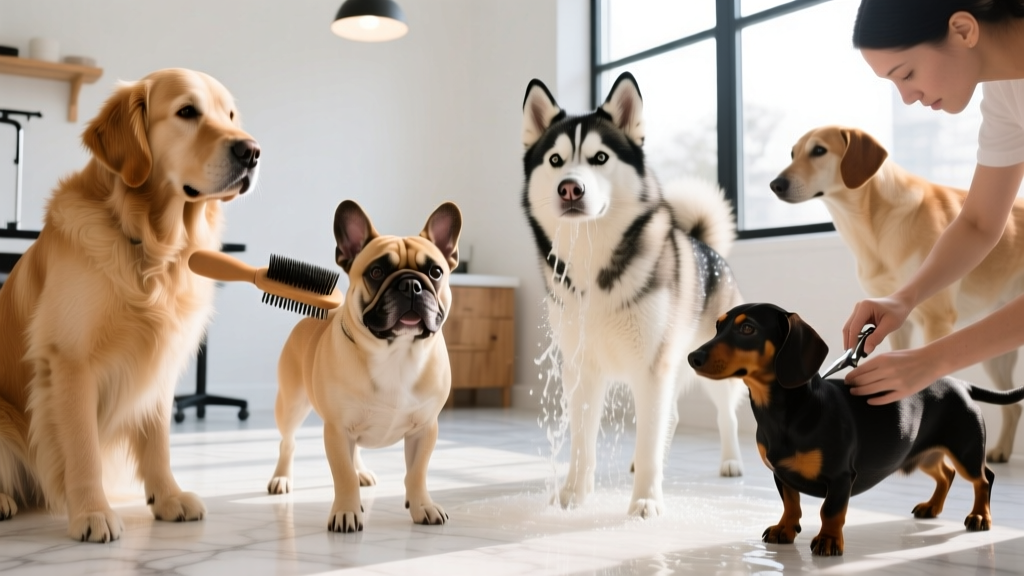
Whether you're considering a dog grooming certification or simply want to keep your own dog's skin and coat in peak condition, understanding canine dermatology at a professional level changes how you spot problems early. Skin is the largest organ in a dog's body, and coat quality is often the first visible indicator of systemic health — from allergies to endocrine disorders. This guide brings certification-level skin and coat knowledge to the home owner, covering anatomy, examination technique, common conditions, and preventive care with the specificity you need to act confidently.
Canine Skin & Coat Anatomy: How It Differs From Human Skin
- pH Level: Dog skin sits at pH 6.2–7.4 (near neutral), while human skin is more acidic at pH 4.5–5.5. This is why human shampoos disrupt the canine acid mantle and invite bacterial overgrowth.
- Epidermal Thickness: A dog's epidermis is only 3–5 cell layers thick compared to 10–15 layers in humans, making canine skin significantly more permeable and sensitive to irritants.
- Hair Follicle Density: Dogs have compound follicles — one primary (guard) hair surrounded by 3–15 secondary (undercoat) hairs emerging from a single pore. Humans have simple follicles with one hair each.
- Sweat Glands: Dogs possess merocrine glands only on paw pads and apocrine glands associated with each hair follicle (producing pheromonal secretions, not cooling sweat). Humans have eccrine glands distributed across the entire body surface.
- Cell Turnover Rate: Canine epidermal turnover occurs roughly every 20 days versus approximately 28 days in humans, meaning skin conditions can develop and escalate faster in dogs.
The canine coat serves three primary functions: thermoregulation (trapping insulating air in winter and reflecting solar radiation in summer), sensory input (vibrissae or whiskers detect nearby movement), and barrier protection against UV radiation, parasites, and environmental allergens. Understanding these functions helps you recognize when grooming choices — like shaving a double-coated breed — can cause lasting damage to follicle architecture.
Common Skin & Coat Problems in Dogs: Symptoms and Causes
| Condition | Primary Symptoms | Common Causes | Typical Onset |
|---|---|---|---|
| Atopic Dermatitis | Licking paws, face rubbing, recurrent ear infections, belly rash | Environmental allergens (pollen, dust mites, mold spores) | 6 months – 3 years of age |
| Hot Spots (Acute Moist Dermatitis) | Rapidly expanding red, weeping, painful lesion; often on cheeks, hips, or limbs | Self-trauma from scratching; underlying allergy or flea bite | Hours to 1–2 days |
| Seborrhea | Greasy or flaky scales, waxy buildup, musty odor | Primary (genetic) or secondary to hypothyroidism, allergies | Gradual; weeks to months |
| Flea Allergy Dermatitis (FAD) | Intense itching at tail base, lower back, hind legs; hair loss; scabbing | Hypersensitivity to flea saliva — even 1 bite triggers reaction | 15–30 minutes after bite |
| Demodectic Mange | Patchy hair loss (often face/forelegs), mild scaling; severe cases: widespread redness, pustules | Overgrowth of Demodex canis mites (normally present in small numbers) | 3–18 months (juvenile) or adult-onset with immunosuppression |
| Ringworm (Dermatophytosis) | Circular patches of hair loss, broken hairs, mild scaling; sometimes no visible lesions | Microsporum canis fungal infection — zoonotic (transmissible to humans) | 1–4 weeks post-exposure |
| Yeast Dermatitis (Malassezia) | Brownish waxy discharge in ears, greasy skin, "corn chip" odor, thickened skin | Overgrowth of normal skin yeast; secondary to allergies or moisture trapping | Gradual; days to weeks |
According to the Merck Veterinary Manual, skin disorders represent the single most common reason dogs are presented to veterinary clinics, accounting for approximately 20–25% of all canine veterinary visits. Many of these conditions are manageable at home when caught early, but accurate diagnosis requires veterinary examination — skin scrapings, fungal cultures, or allergy testing cannot be reliably performed at home.
How to Check Your Dog's Skin and Coat: A Step-by-Step Home Exam
Professional groomers with dog grooming certification training perform systematic skin checks during every appointment. You can replicate this at home with a methodical approach. Schedule this exam monthly, or bi-weekly during peak flea and allergy seasons (spring and fall in most US regions).
- Full-body visual scan (2 minutes): Observe your dog standing naturally under bright light. Look for asymmetry — patches of thinning coat, color changes, or visible scaling on one side that doesn't appear on the other.
- Hands-on coat assessment (3 minutes): Run your fingers through the coat against the grain, section by section: head → neck → shoulders → back → sides → belly → legs → tail. Feel for lumps, crusts, bumps, or areas of increased warmth.
- Skin part-line check (3 minutes): Part the hair along the spine, behind ears, under front legs, and at the tail base. Look directly at the skin surface — it should be pale pink to white (breed-dependent), smooth, and free of redness or flakes.
- Ear fold inspection (1 minute per ear): Gently fold back each ear flap. Check the inner pinna for redness, discharge (brown, yellow, or black), and odor. A healthy ear has minimal visible wax and no smell.
- Paw pad and interdigital check (1 minute per paw): Spread the toes and examine between pads for redness, swelling, foreign material (foxtails, burrs), or excessive licking discoloration (brown/rust staining indicates chronic saliva exposure).
- Coat elasticity test (30 seconds): Gently pinch a fold of skin along the back and release. It should snap back immediately. Slow return suggests dehydration or loss of skin elasticity (common in senior dogs).
Time investment: approximately 10–12 minutes for a medium-sized dog. Pair this with a treat reward to build positive association.
Normal vs. Abnormal: What Healthy Dog Skin and Coat Looks Like
| Indicator | Normal / Healthy | Abnormal / Concerning | |
|---|---|---|---|
| Skin Color | Pale pink to white; some breeds have naturally pigmented (black/gray) patches on belly and inner thighs | Bright red, dark purple/black discoloration (new), yellowish tint | |
| Coat Texture | Smooth, slightly oily sheen; breed-appropriate texture (wire, silky, curly, double) | Dry, brittle, dull; clumping; patchy thinning; broken hairs | |
| Odor | Mild, clean scent or no noticeable odor | Musty, yeasty ("corn chip"), rancid, or sweet-fruity smell | |
| Flaking | Occasional tiny white flakes (especially in winter/dry climates) | Large yellowish scales, greasy flakes adhered to skin, widespread dandruff | |
| Scratching Frequency | Occasional scratch (5–10 times per hour during normal activity) | Persistent scratching, biting at skin, rubbing face on furniture, waking from sleep to scratch | |
| Shedding Pattern | Seasonal increase (spring/fall for double coats); consistent light shedding year-round for single coats | Sudden heavy shedding outside season; bald patches; asymmetrical hair loss | |
| Lumps & Bumps | Stable, soft lipomas in older dogs (confirmed by vet); small sebaceous cysts | Rapidly growing masses, firm/fixed lumps, ulcerated or bleeding bumps, clusters of raised lesions | |
Home Skin & Coat Care Routine: Products, Frequency, and Methods
- Brushing: Short coats — 2× per week with a rubber curry brush ($8–$15). Double coats — daily during shedding season, 3× per week otherwise, using an undercoat rake ($15–$30) followed by a slicker brush ($12–$25). Curly/wire coats — daily with a pin brush and metal comb ($18–$35).
- Bathing: Every 4–8 weeks for most dogs using a pH-balanced canine shampoo (6.2–7.0). Dogs with skin conditions may require medicated baths 2× per week initially, tapering as directed by your vet. Recommended: Vet's Best Hypoallergenic Shampoo ($10–$14) or Douxo S3 Calm Shampoo ($22–$28, veterinary-line).
- Ear Cleaning: Every 1–2 weeks for floppy-eared breeds; monthly for erect-eared breeds. Use a canine ear rinse (Epi-Otic Advanced, $14–$18). Apply, massage the ear canal base for 20 seconds, let dog shake, then wipe visible folds with cotton balls — never cotton swabs deep in the canal.
- Paw Pad Care: Wipe paws after outdoor walks. Apply a paw balm (Musher's Secret, $14–$20) weekly in extreme weather (below 20°F / -6°C or on hot pavement above 85°F / 29°C). Trim hair between pads every 2–3 weeks to prevent matting and traction loss.
- Nutritional Support: Omega-3 fatty acids (EPA/DHA) at 50–100 mg per kg body weight daily improve coat quality within 8–12 weeks. Sources: wild-caught salmon oil (Nordic Naturals Omega-3 Pet, $18–$25) or veterinary-formulated supplements like Welactin 3X Canine ($25–$35).
Products to avoid: Human shampoos (pH mismatch strips the acid mantle), tea tree oil products above 1% concentration (toxic to dogs at higher doses — if ingested, call ASPCA Animal Poison Control at (888) 426-4435), and any product containing zinc oxide on large skin areas (ingestion risk from licking). The ASPCA Animal Poison Control receives thousands of calls annually related to topical product toxicity in dogs.
When to See the Vet: Skin & Coat Red Flags
- Open sores, ulcers, or wounds that don't begin healing within 48 hours
- Rapidly expanding areas of hair loss (more than 1 inch / 2.5 cm diameter growth in 24 hours)
- Skin that is hot to the touch with spreading redness (possible cellulitis or deep hot spot)
- Black or purple skin discoloration that appeared suddenly
- Pustules, blisters, or crusting lesions covering more than a quarter-sized area
- Excessive scratching that prevents sleep or causes self-injury (bleeding from scratching)
- Any lump that is firm, fixed to underlying tissue, growing, or ulcerated
- Skin lesions accompanied by systemic signs: lethargy, fever (above 103°F / 39.4°C), loss of appetite, or vomiting
Skin conditions can escalate rapidly in dogs due to their thin epidermis and tendency toward self-trauma. Early veterinary intervention typically results in shorter, less expensive treatment courses. Always consult your veterinarian for an accurate diagnosis — home assessment cannot replace skin scrapings, cytology, or fungal cultures.
Breed Predispositions: Which Dogs Are Most Vulnerable to Skin & Coat Issues
| Breed | Predisposed Conditions | Why (Anatomical/Genetic Factor) | Preventive Focus |
|---|---|---|---|
| West Highland White Terrier | Atopic dermatitis, Malassezia yeast, epidermal dysplasia | Genetic immune dysregulation; estimated 30%+ of breed affected by atopy | Regular medicated baths, allergy testing by age 2 |
| German Shepherd Dog | Perianal fistulas, pyoderma, flea allergy dermatitis | Deep skin folds around tail base; immune-mediated tendencies | Strict flea control, keep perianal area clean and trimmed |
| Shar-Pei | Cutaneous mucinosis, skin fold pyoderma, demodectic mange | Excessive skin folds trap moisture and bacteria; mucin overproduction | Daily fold cleaning with chlorhexidine wipes, weight management |
| Golden Retriever | Hot spots, ichthyosis, hypothyroidism-related coat changes | Dense double coat traps moisture; breed-specific genetic mutation (PNPLA1) for ichthyosis | Thorough drying after swimming, genetic testing via breeder |
| Bulldog (English/French) | Interdigital cysts, facial fold dermatitis, tail fold infections | Deep facial wrinkles, screw tail creating enclosed fold, wide-set toes | Twice-daily fold wiping, interdigital area inspection on every walk |
| Dalmatian | Copper-associated hepatopathy (secondary skin signs), atopy | Unique uric acid metabolism; short coat offers minimal UV protection | Sunscreen on sparsely-haired areas, liver-supportive diet |
| Cocker Spaniel | Seborrhea, ear canal infections, primary keratinization disorder | Long pendulous ears trap moisture; genetic sebaceous gland dysfunction | Weekly ear cleaning, clip hair from ear canals, omega-3 supplementation |
The American Kennel Club notes that brachycephalic breeds (those with short muzzles and facial wrinkles) require the most intensive daily skin maintenance due to fold dermatitis risk. If you own one of these breeds, budget an additional 5–10 minutes daily for fold care using veterinary-grade chlorhexidine wipes ($12–$18 for a 50-count pack).
Preventing Skin & Coat Problems: A Proactive Framework
Prevention is where professional grooming knowledge and owner diligence converge. The following framework prioritizes interventions by impact level:
- Year-round parasite control (highest impact): Monthly flea/tick preventives reduce FAD incidence by over 90%. Products like Simparica Trio ($55–$75 for a 6-month supply) or Bravecto ($50–$65 per 12-week chew) provide broad-spectrum coverage. Even indoor-only dogs need flea prevention — fleas enter homes on clothing and other pets.
- Diet quality assessment: Feed an AAFCO-complete diet with named animal protein as the first ingredient and guaranteed minimum 18% crude fat for coat health. Dogs on low-fat or homemade diets without proper supplementation often develop dry, flaky skin within 4–8 weeks.
- Environmental allergen reduction: Wipe down your dog's coat and paws with a damp microfiber cloth after outdoor exposure during high-pollen periods (typically March–May and August–October in temperate US climates). Wash bedding weekly in hot water (minimum 130°F / 54°C) to kill dust mites.
- Grooming tool maintenance: Sanitize brushes and combs monthly by soaking in a 1:10 dilution of chlorhexidine solution for 10 minutes. Dirty grooming tools transfer bacteria and yeast between body areas and between dogs in multi-pet households.
- Stress and anxiety management: Psychogenic alopecia (over-grooming from anxiety) is increasingly recognized in dogs. If your dog licks or chews a specific area repetitively without a dermatological cause, consult your veterinarian about behavioral modification and, if needed, anti-anxiety medication.
- Avoid over-bathing: Bathing more than every 2 weeks without veterinary indication strips natural skin oils, disrupts the microbiome, and can trigger rebound seborrhea. When more frequent bathing is needed (muddy adventures, skunk encounters), use a soap-free, moisturizing canine shampoo to minimize lipid disruption.
Frequently Asked Questions
How do I check my dog's skin and coat at home?
Perform a systematic 10-minute exam monthly: visually scan for coat asymmetry, run hands against the grain feeling for lumps and texture changes, part the hair along the spine and behind ears to inspect skin directly, check ear folds and between paw pads. Use bright, natural lighting and reward your dog with treats to build a positive association with handling.
What are the most common skin and coat problems in dogs?
Atopic dermatitis (environmental allergies), flea allergy dermatitis, hot spots, yeast overgrowth (Malassezia), and seborrhea rank among the top five. Bacterial pyoderma often develops secondary to any of these primary conditions. According to veterinary dermatology surveys, allergic skin disease affects an estimated 10–15% of the canine population, with some breeds exceeding 30% prevalence.
How often should I bathe my dog for optimal skin health?
Most dogs benefit from bathing every 4–8 weeks with a pH-balanced canine shampoo. Dogs with active skin conditions may need medicated baths 2–3 times per week as prescribed by a veterinarian. Over-bathing (more than every 2 weeks without medical need) can strip protective skin oils and worsen dryness. Always follow medicated shampoo instructions precisely — most require 5–10 minutes of contact time before rinsing.
When should I see a vet about skin and coat issues?
Seek veterinary care immediately for: open sores not healing within 48 hours, rapidly spreading hair loss, skin that is hot with expanding redness, pustules or blisters, any firm or growing lump, or skin problems accompanied by lethargy, fever, or appetite loss. For chronic mild issues (occasional flaking, seasonal shedding changes), schedule a non-urgent appointment within 1–2 weeks.
Which dog breeds are most prone to skin problems?
West Highland White Terriers, German Shepherds, Shar-Peis, Bulldogs, Golden Retrievers, Cocker Spaniels, and Dalmatians carry the highest genetic predispositions. Brachycephalic breeds with facial wrinkles and breeds with dense double coats require the most intensive preventive skin care routines.
Can I use human shampoo on my dog in an emergency?
In a one-time emergency (your dog rolled in something toxic or foul), a mild baby shampoo diluted 1:3 with water is acceptable. However, human shampoos have a pH of 4.5–5.5 versus the canine skin pH of 6.2–7.4 — repeated use disrupts the acid mantle, promoting bacterial and yeast overgrowth. Always keep a bottle of canine-formulated shampoo on hand to avoid this compromise.
Is a dog grooming certification worth pursuing for skin and coat knowledge?
A formal dog grooming certification program (through organizations like the National Dog Groomers Association of America or International Professional Groomers) provides 200–600 hours of hands-on training including breed-specific coat care, skin condition recognition, and safe product use. While certification is not legally required in most US states, it provides the systematic skin assessment skills that help groomers serve as early-detection partners for veterinary care. Costs range from $3,000–$8,000 for comprehensive programs, with certification exams adding $150–$400.
Disclaimer: This guide provides educational information and does not replace professional veterinary diagnosis or treatment. Always consult your veterinarian for skin and coat concerns, especially before starting any medicated product or supplement regimen.
Dr. Hannah Wickes
All our authors care for dogs every day — read more of their work on the authors page.