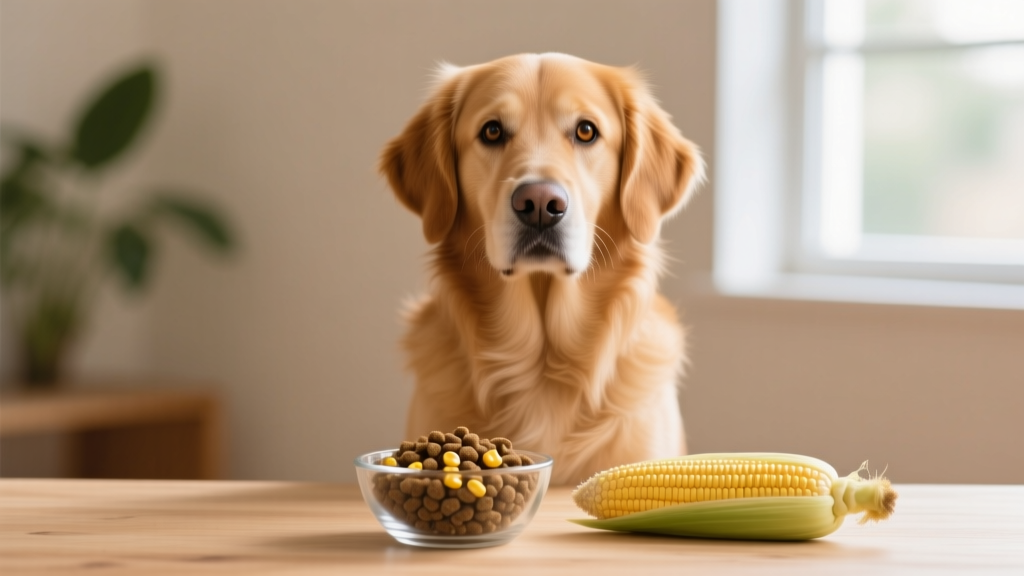
Complete Guide for Allergies & Sensitive Dogs
Find the best dog food without chicken for allergies and sensitive stomachs.

Why Choose Dog Food Without Chicken?
Chicken is one of the most common protein sources in commercial dog food — and one of the most common allergens. According to veterinary dermatology studies cited by the Merck Veterinary Manual, chicken ranks among the top three food allergens in dogs, alongside beef and dairy. If your dog suffers from chronic ear infections, itchy paws, gastrointestinal upset, or recurrent hot spots, a chicken-free diet may be the key to relief.
But going chicken-free isn't as simple as picking a bag that says "no chicken." Chicken fat, chicken meal, chicken broth, and even "natural flavors" derived from chicken can hide in ingredient lists. This guide breaks down exactly what to look for, which brands deliver reliable chicken-free nutrition in 2026, and how to transition your dog safely.
Nutritional Requirements by Life Stage (Without Chicken)
Removing chicken from your dog's diet doesn't mean compromising on nutrition. Here are the baseline requirements your dog's food must meet, regardless of protein source:
| Life Stage | Min. Protein | Min. Fat | Calories/Day (50 lb dog) | Key Considerations |
|---|---|---|---|---|
| Puppy (2–12 months) | 22% (AAFCO min) | 8.5% | 1,200–1,600 kcal | Higher DHA for brain development; calcium:phosphorus ratio 1.1:1 to 1.4:1 |
| Adult (1–7 years) | 18% (AAFCO min) | 5.5% | 900–1,200 kcal | Varies heavily by activity level; working dogs need 25–30% protein |
| Senior (7+ years) | 20–25% | 8–12% | 750–1,000 kcal | Higher protein supports muscle preservation; joint-supporting supplements beneficial |
| Weight Management | 25–30% | 8–12% | 700–900 kcal | High protein + high fiber to maintain satiety; L-carnitine supports fat metabolism |
| Active/Working | 26–34% | 18–24% | 1,500–2,200 kcal | Higher fat for sustained energy; electrolyte balance critical |
For dogs with confirmed chicken allergies, the protein source itself matters less than the novelty — meaning your dog's immune system hasn't been previously sensitized to it. Novel proteins commonly used in chicken-free diets include lamb, salmon, duck, venison, rabbit, and kangaroo.
How to Read Labels: Finding Truly Chicken-Free Dog Food
Manufacturers are not always transparent about chicken-derived ingredients. Here's your ingredient analysis guide for identifying hidden chicken in dog food:
🔍 Ingredients to Scrutinize
Obvious chicken ingredients: Chicken, chicken meal, chicken fat, chicken broth, chicken liver, chicken by-products, chicken by-product meal
Hidden chicken sources:
- "Natural flavors" — FDA regulations allow this term to include chicken-derived flavoring without disclosure. If the product isn't explicitly labeled chicken-free, contact the manufacturer.
- "Poultry fat" or "poultry meal" — Poultry is a generic term that can include chicken.
- "Animal fat" or "animal digest" — Unspecified animal sources may contain chicken.
- "Meat and bone meal" — If the animal species isn't named, chicken may be included.
What to look for instead:
- Named single-species proteins: "salmon meal," "lamb fat," "duck broth"
- AAFCO statement confirming "complete and balanced" nutrition for your dog's life stage
- Ingredients listed by weight in descending order — the first ingredient should be a named whole protein or named protein meal
Top 7 Chicken-Free Dog Foods: 2026 Recommendations
These recommendations are based on AAFCO compliance, ingredient transparency, manufacturer quality control standards, and suitability for elimination diet trials. Prices reflect typical retail ranges as of early 2026.
1. Hill's Prescription Diet d/d Salmon & Green Pea
Type: Prescription (requires vet authorization) | Price: $85–$105 per 27.5 lb bag
Why it works: Hydrolyzed-free but uses salmon as the sole novel protein with green pea as the sole carbohydrate. Formulated specifically for elimination diet trials. Hill's conducts feeding trials (not just formulation analysis) to validate AAFCO compliance.
Best for: Dogs undergoing allergy diagnosis; confirmed chicken/food protein allergy
Guaranteed Analysis: 20.5% protein, 13.5% fat, 353 kcal/cup
2. Royal Canin Selected Protein Adult PF (Purified & Fish)
Type: Prescription | Price: $90–$115 per 26 lb bag
Why it works: Uses fish protein and potato as limited ingredients. Royal Canin's manufacturing facilities implement strict allergen segregation protocols, reducing cross-contamination risk — critical for dogs with severe reactions.
Best for: Severe food allergy; dogs reacting to trace contaminants in OTC limited-ingredient diets
Guaranteed Analysis: 20% protein, 11% fat, 331 kcal/cup
3. Natural Balance L.I.D. Limited Ingredient Diets Sweet Potato & Fish
Type: Over-the-counter | Price: $55–$70 per 24 lb bag
Why it works: Single animal protein (fish meal) with sweet potato as the primary carbohydrate. Natural Balance runs a voluntary "Feed with Confidence" program allowing buyers to test each bag for contaminants and verify nutrient profiles.
Best for: Budget-conscious owners; maintenance diet after successful elimination trial
Guaranteed Analysis: 21% protein, 11% fat, 350 kcal/cup
4. Zignature Whitefish Limited Ingredient Formula
Type: Over-the-counter | Price: $60–$78 per 25 lb bag
Why it works: Whitefish and chickpeas with no chicken, no corn, no soy, no dairy. Zignature explicitly formulates to avoid the most common allergens. Made in company-owned facilities (not co-packed), which improves quality control traceability.
Best for: Multi-allergen avoidance; active adult dogs (higher protein at 27%)
Guaranteed Analysis: 27% protein, 13% fat, 375 kcal/cup
5. Purina Pro Plan HA Hypoallergenic (Hydrolyzed)
Type: Prescription | Price: $75–$95 per 24 lb bag
Why it works: Proteins are hydrolyzed (broken into fragments too small for the immune system to recognize). Even if trace chicken protein existed, hydrolyzation renders it non-allergenic. This is the gold standard approach for dogs who fail standard elimination diets.
Best for: Dogs with multiple confirmed food allergies; dogs who react to novel protein diets
Guaranteed Analysis: 22% protein, 11% fat, 356 kcal/cup
6. Nutro Limited Ingredient Diet Lamb & Sweet Potato
Type: Over-the-counter | Price: $48–$62 per 22 lb bag
Why it works: Lamb meal as the sole animal protein. Nutro's "non-GMO" sourcing and clean-label approach means fewer mystery ingredients. AAFCO-approved for adult maintenance. Widely available at major retailers.
Best for: Dogs new to limited-ingredient diets; mild sensitivities rather than confirmed allergy
Guaranteed Analysis: 22% protein, 13% fat, 336 kcal/cup
7. Open Farm Wild-Caught Salmon Recipe (Gently Cooked Frozen)
Type: Over-the-counter (fresh/frozen) | Price: $55–$75 per 2-pack (28 oz total)
Why it works: Gently cooked (not raw), single-protein salmon recipe with whole-food ingredients you can identify by sight. Ideal for owners who want minimally processed food without the pathogen risks of raw diets. AAFCO-compliant for all life stages.
Best for: Picky eaters; owners preferring fresh food; puppy-to-adult transition
Guaranteed Analysis: 10% protein (as-fed), 5% fat (as-fed), approximately 385 kcal per 7 oz serving
Feeding Amounts: How Much Chicken-Free Food to Feed
Caloric needs vary dramatically based on your dog's weight, body condition score (BCS), activity level, age, and metabolism. Use this calculator table as a starting point, then adjust based on your dog's body condition over 2–3 weeks:
| Dog Weight | Sedentary/Indoor | Moderately Active | Very Active/Working | Senior (7+ yrs) |
|---|---|---|---|---|
| 10 lb / 4.5 kg | 250 kcal/day | 340 kcal/day | 450 kcal/day | 220 kcal/day |
| 25 lb / 11 kg | 500 kcal/day | 680 kcal/day | 900 kcal/day | 430 kcal/day |
| 50 lb / 23 kg | 800 kcal/day | 1,100 kcal/day | 1,500 kcal/day | 700 kcal/day |
| 75 lb / 34 kg | 1,050 kcal/day | 1,450 kcal/day | 1,950 kcal/day | 920 kcal/day |
| 100 lb / 45 kg | 1,300 kcal/day | 1,780 kcal/day | 2,400 kcal/day | 1,140 kcal/day |
Adjustment factors: Intact (unspayed/neutered) dogs typically need 10–15% more calories than altered dogs. Dogs with a BCS above 6/9 should be fed at their target weight, not current weight. Pregnant dogs in the last trimester need 25–50% more calories; lactating dogs may need 2–4× maintenance depending on litter size.
The 10-Day Transition Protocol
Switching to a new chicken-free food too quickly is the number one cause of diet-transition diarrhea. Your dog's gut microbiome needs time to adapt to new protein sources and fiber profiles. Follow this schedule strictly:
| Days | Old Food | New Food | Watch For |
|---|---|---|---|
| Days 1–2 | 75% | 25% | Normal stool is expected |
| Days 3–4 | 50% | 50% | Slightly softer stool is normal; if diarrhea occurs, hold at this ratio for 1–2 extra days |
| Days 5–6 | 25% | 75% | Monitor appetite; some dogs resist new food at this stage |
| Days 7–8 | 10% | 90% | Energy levels should remain stable |
| Days 9–10 | 0% | 100% | Full transition complete; begin 8–12 week observation period for allergy improvement |
Pro tip: If your dog has a history of sensitive digestion, extend each phase to 3 days instead of 2, making the full transition 14–15 days. Adding a canine probiotic (such as FortiFlora or Proviable) during transition can help stabilize gut flora.
Homemade Chicken-Free Diets: What You Need to Know
Some owners pursue homemade diets to achieve complete control over every ingredient. This is viable — but only with professional formulation. A 2023 study published in the Journal of the American Veterinary Medical Association found that over 95% of homemade dog food recipes found online were nutritionally deficient in at least one essential nutrient.
If you want to pursue a homemade chicken-free diet, here's the process:
- Consult a veterinary nutritionist. Services like Balance IT (created by veterinary nutritionists) allow you to generate AAFCO-compliant recipes using your chosen protein source. Custom formulation typically costs $150–$350.
- Use a supplement blend. Homemade diets require precise calcium, vitamin E, zinc, B-vitamin, and omega-3 supplementation. Products like Balance IT Canine or JustFoodForDogs Nutrient Blend are designed to complete specific recipes.
- Weigh ingredients on a kitchen scale. Measuring by volume (cups) introduces too much variability. Recipes must be followed by gram weight.
- Reassess every 6 months. Your dog's nutritional needs change with age, weight, and health status. Schedule regular re-evaluations with your nutritionist.
Sample framework (NOT a complete recipe — must be finalized by a nutritionist): Cooked salmon or lamb as protein (40% by weight), sweet potato or quinoa as carbohydrate (35%), steamed green beans and carrots as fiber/micronutrient source (20%), veterinary-formulated supplement blend (5%).
Regarding raw diets: The AVMA and FDA both caution against raw meat diets due to documented risks of Salmonella, Listeria, and E. coli contamination — posing risks to both dogs and the humans handling the food. If you choose raw, follow strict food safety protocols: separate cutting boards, immediate surface sanitization, and frozen storage until use. Raw diets still require veterinary nutritionist formulation to ensure completeness.
Supplements: What to Add and When
A complete-and-balanced commercial diet should not require supplementation for most healthy dogs. However, certain situations warrant targeted additions:
| Supplement | When to Add | Typical Dosage | Purpose |
|---|---|---|---|
| Omega-3 (EPA/DHA) | Skin/coat issues, joint inflammation, allergy management | 20–55 mg EPA+DHA per kg body weight daily | Anti-inflammatory; supports skin barrier function |
| Probiotics | During diet transitions, antibiotic courses, stress events | 1–10 billion CFU daily (strain-specific) | Gut microbiome stabilization |
| Glucosamine/Chondroitin | Senior dogs, large breeds, dogs with osteoarthritis | 500–1,500 mg glucosamine daily (weight-dependent) | Joint cartilage support |
| Vitamin E | Dogs on high-fat diets or fish-based diets | 2–5 IU per kg body weight daily | Antioxidant; prevents oxidative damage from polyunsaturated fats |
| Digestive enzymes | Dogs with exocrine pancreatic insufficiency (EPI) | Per veterinary prescription only | Nutrient absorption support |
Do not supplement calcium on top of a complete commercial diet — excess calcium can cause skeletal abnormalities, particularly in large-breed puppies. Always consult your veterinarian before starting any supplement regimen.
Monitoring Success: Is the Diet Working?
After switching to a chicken-free diet, you need a structured monitoring plan. Food allergy symptoms typically take 8–12 weeks to fully resolve after the offending protein is eliminated.
📋 Weekly Monitoring Checklist
| Metric | What to Track | Expected Timeline | Red Flags |
|---|---|---|---|
| Body Condition Score | Ribs palpable without excess fat cover; visible waist from above; abdominal tuck from side | Assess every 2 weeks | BCS above 6/9 (overweight) or below 4/9 (underweight) |
| Stool Quality | Firm, formed, easy to pick up; brown color; 1–2 bowel movements daily | Stabilizes within 2–3 weeks of transition | Persistent loose stool, mucus, blood, or straining beyond week 3 |
| Coat & Skin | Shiny coat, minimal flaking, reduced scratching/licking | Improvement begins at 4–6 weeks; full effect at 8–12 weeks | New hot spots, worsening hair loss, increased ear infections |
| Energy Level | Normal play drive, alert demeanor, no lethargy after meals | Should remain stable throughout transition | Noticeable lethargy, weakness, or reluctance to exercise |
| Appetite | Eager to eat at mealtime; finishing full portions | May take 1–2 weeks to accept new food fully | Refusing food for more than 24 hours (48 hours for large breeds — risk of bilious vomiting) |
Ingredients to Avoid Beyond Chicken
If your dog has a confirmed chicken allergy, they may also react to related proteins due to cross-reactivity. Here are ingredients to evaluate carefully:
- Turkey and other poultry: Some chicken-allergic dogs react to turkey due to protein similarity. If your dog is undergoing an elimination trial, avoid all poultry species until cleared by your vet.
- Eggs: Egg proteins (particularly ovomucoid) can cross-react with chicken meat allergy. Many chicken-free foods still contain eggs — check labels carefully.
- Chicken fat (the gray area): Pure fat contains negligible protein, and protein triggers allergic reactions. Some veterinary dermatologists consider chicken fat safe for chicken-allergic dogs; others advise strict avoidance. Discuss with your vet based on your dog's sensitivity level.
- Generic "meat meals" and "animal by-products": Without species identification, you cannot confirm these are chicken-free.
- Common co-allergens: Beef, dairy, wheat, soy, and lamb are also frequent allergens. If your dog has multiple food sensitivities, a prescription hydrolyzed diet may be more effective than simply rotating novel proteins.
Frequently Asked Questions
What is the best dog food without chicken for puppies?
For puppies requiring a chicken-free diet, look for foods meeting AAFCO nutrient profiles for growth (or "all life stages"). Open Farm's gently cooked salmon recipe and Zignature's puppy formulas are strong options. Prescription diets like Hill's d/d can also be used in puppies under veterinary supervision. Never feed an adult-maintenance-only diet to a growing puppy — the calcium:phosphorus ratios and calorie densities are inadequate for skeletal development.
How much chicken-free food should I feed my dog?
Feeding amounts depend on your dog's weight, activity level, age, and the specific food's caloric density (kcal/cup). Use the feeding calculator table above as a starting point, then check the feeding guide on your specific food's packaging. Adjust portions every 2 weeks based on body condition score changes. A 50 lb / 23 kg moderately active adult dog typically needs 900–1,200 kcal per day.
Can I feed my dog a homemade or raw diet to avoid chicken?
Yes, but only with a recipe formulated by a board-certified veterinary nutritionist. Homemade diets require precise supplementation of calcium, vitamins, and trace minerals. Raw diets carry documented Salmonella and Listeria risks for both dogs and humans. Neither approach is safe without professional formulation and regular nutritional monitoring. Budget $150–$350 for initial recipe formulation and $50–$100 per follow-up consultation.
What ingredients should I avoid if my dog is allergic to chicken?
Avoid chicken, chicken meal, chicken fat, chicken broth, chicken by-products, poultry fat, poultry meal, generic "animal fat," "animal digest," and "natural flavors" from unspecified sources. Also be cautious with turkey, eggs, and duck due to potential cross-reactivity. Always choose foods with named, single-species protein and fat sources.
How do I switch my dog to a new chicken-free food?
Follow a gradual 10-day transition: 75/25 old-to-new for days 1–2, 50/50 for days 3–4, 25/75 for days 5–6, 10/90 for days 7–8, and 100% new food by days 9–10. Extend each phase by 1–2 days if your dog develops soft stool. Add a canine probiotic during transition if your dog has a history of digestive sensitivity.
Does my dog need supplements on a chicken-free diet?
If you're feeding a complete-and-balanced commercial diet with an AAFCO statement, additional supplements are generally unnecessary. However, omega-3 fatty acids (fish oil at 20–55 mg EPA+DHA per kg) can accelerate skin and coat recovery in dogs with allergy-related dermatitis. Probiotics help during diet transitions. Always consult your veterinarian before adding supplements — excess supplementation can cause harm.
How long until I see improvement after eliminating chicken?
Gastrointestinal symptoms (vomiting, diarrhea, excessive gas) often improve within 2–4 weeks. Dermatological symptoms (itching, ear infections, hot spots) take longer — expect 8–12 weeks for full resolution. If symptoms persist beyond 12 weeks on a strict chicken-free diet, the allergy may involve additional proteins, and your vet may recommend expanding the elimination trial or switching to a hydrolyzed prescription diet.
Key Resources
- ASPCA Animal Poison Control: (888) 426-4435 (24/7, consultation fee applies) — call if your dog ingests any potentially toxic substance
- FDA Guidance on Dog Food Recalls and Safety
- Find a board-certified veterinary nutritionist: American College of Veterinary Nutrition Directory
Priya Sutaria
All our authors care for dogs every day — read more of their work on the authors page.