Best Dog Food for Urinary Health: Complete Nutrition Guide
Expert guide to dog food for urinary health: top prescription & OTC picks, feeding amounts, ingredients to avoid, and vet-approved transition protocols.
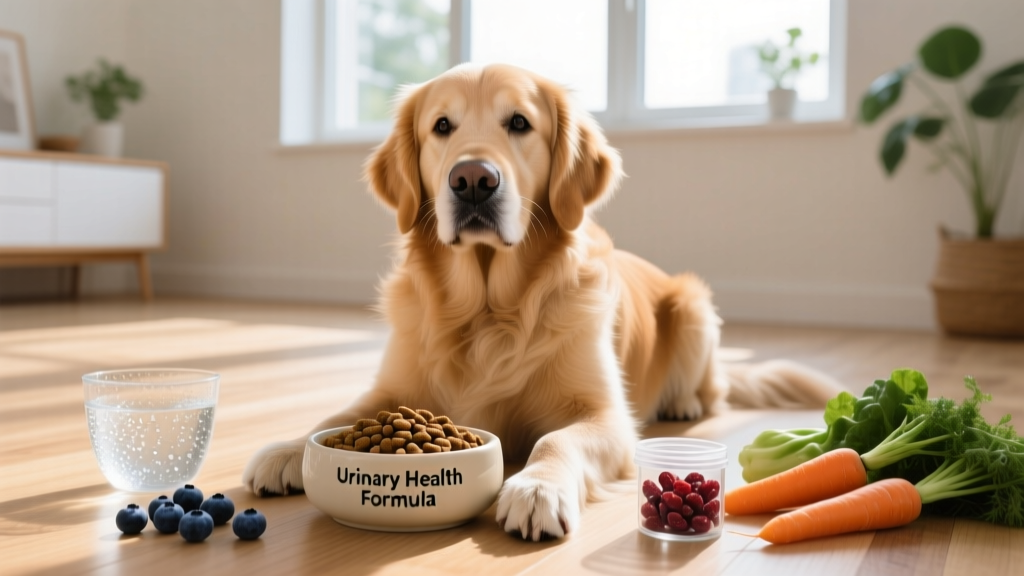
Understanding Urinary Health Nutrition in Dogs
Urinary tract issues — including struvite and calcium oxalate stones, urinary tract infections (UTIs), and feline-style crystalluria — affect an estimated 2-3% of dogs seen in general veterinary practice, with certain breeds like Miniature Schnauzers, Bichon Frises, Shih Tzus, and Yorkshire Terriers carrying significantly higher risk. Nutrition plays a central role in both prevention and management, but the wrong diet can actually worsen stone formation or fail to address the underlying metabolic drivers.
The goal of any urinary health diet revolves around a few measurable targets: controlling urine pH (ideally between 6.0 and 6.5 for most stone-prevention protocols), reducing urinary concentration (specific gravity under 1.020), and limiting the concentration of stone-forming minerals like magnesium, phosphorus, and calcium. These are not goals you can achieve by simply switching to a "premium" kibble — they require formulated therapeutic nutrition, often available only through veterinary prescription.
Veterinary Disclaimer: Urinary diets are therapeutic interventions. Always consult your veterinarian before starting or changing a urinary health diet, especially if your dog has a history of urolithiasis (stones), recurrent UTIs, or kidney disease. The wrong diet for the wrong stone type can cause serious harm.
Nutritional Requirements for Urinary Health Diets
Therapeutic urinary diets differ from standard maintenance foods in several measurable ways. Below are the target ranges your veterinarian or veterinary nutritionist will look for when recommending a specific formula.
| Nutrient | Standard Adult Maintenance (AAFCO Min) | Typical Urinary Health Diet Range | Why It Matters |
|---|---|---|---|
| Crude Protein | 18% (dry matter basis) | 14-22% DMB (varies by stone type) | Lower protein reduces purine load (for urate stones) and urea concentration; moderate protein supports struvite dissolution |
| Crude Fat | 5.5% DMB | 12-20% DMB | Maintains caloric density when protein is restricted; supports coat and skin health |
| Sodium | 0.08% DMB | 0.3-0.5% DMB (often elevated) | Mildly increased sodium encourages water intake, diluting urine |
| Phosphorus | 0.36% DMB | 0.3-0.5% DMB (controlled) | Excess phosphorus contributes to struvite and calcium phosphate crystal formation |
| Magnesium | 0.06% DMB | 0.08-0.12% DMB (controlled) | Key component of struvite (magnesium ammonium phosphate) crystals |
| Calcium | 0.55% DMB | 0.5-0.8% DMB | Must be balanced — too low increases oxalate absorption, too high promotes calcium oxalate stones |
| Calories (typical) | ~300-400 kcal/cup | 290-380 kcal/cup | Varies by formula; wet foods are ~80-150 kcal per 5.5 oz can |
| Moisture (canned) | ~10-12% in dry | 72-82% in canned urinary formulas | Higher moisture directly reduces urine specific gravity |
Key point: Struvite dissolution diets (like Royal Canin Urinary SO) are formulated to acidify urine (pH ~5.9-6.1) and are typically short-term (4-12 weeks). Calcium oxalate prevention diets aim for a more neutral pH (6.2-6.8) and are often long-term or lifelong. These are fundamentally different nutritional strategies — never swap one for the other without veterinary guidance.
Top Recommended Dog Foods for Urinary Health (2026 Picks)
The following products are widely recommended by veterinary nutritionists and available through veterinary clinics or authorized online pharmacies. Prices reflect 2026 retail ranges and may vary by region.
1. Royal Canin Veterinary Diet Urinary SO
Format: Dry (14 lb bag) and canned (13.5 oz, 24-pack)
Price range: $78-$95 (dry 14 lb); $85-$110 (canned case)
Key features: Formulated to dissolve struvite stones and prevent recurrence. Targets urine pH of 5.9-6.1. Contains controlled magnesium (0.09% DMB) and increased sodium to promote dilute urine. Available in dry and wet formats.
Best for: Dogs with confirmed struvite urolithiasis, post-surgical stone prevention.
Prescription required: Yes.
2. Hill's Prescription Diet c/d Multicare
Format: Dry (8.75 lb, 27.5 lb) and canned (12.8 oz)
Price range: $48-$62 (8.75 lb dry); $105-$135 (27.5 lb); $72-$90 (canned case of 24)
Key features: Clinically tested to reduce recurrence of both struvite and calcium oxalate stones. Contains controlled levels of calcium, phosphorus, and magnesium. Added potassium citrate helps maintain neutral urine pH. Also addresses stress-related urinary issues with added L-tryptophan and milk protein hydrolysate.
Best for: Multi-stone prevention, dogs with mixed stone history, stress-prone dogs.
Prescription required: Yes.
3. Purina Pro Plan Veterinary Diets UR (Urinary)
Format: Dry (8 lb, 18 lb) and canned (10 oz)
Price range: $52-$68 (8 lb dry); $95-$120 (18 lb); $65-$85 (canned case)
Key features: Moderate protein with controlled minerals. Formulated for both dissolution and prevention of struvite crystals. Includes added fish oil for anti-inflammatory omega-3 fatty acids (EPA + DHA). Palatability tends to be high, which helps with compliance in picky eaters.
Best for: Dogs who refuse other urinary diets, picky eaters needing high palatability.
Prescription required: Yes.
4. Hill's Prescription Diet u/d (Non-Struvite)
Format: Dry (8.75 lb, 27.5 lb) and canned (12.8 oz)
Price range: $55-$70 (8.75 lb); $115-$145 (27.5 lb)
Key features: Specifically formulated for calcium oxalate, cystine, and urate stone prevention. Very low protein (~14% DMB) to reduce purine and cystine precursors. Alkalizes urine to pH 6.5-7.0. Contains added potassium citrate.
Best for: Dogs with confirmed non-struvite stones (calcium oxalate, urate, cystine).
Prescription required: Yes.
5. Royal Canin Veterinary Diet Urinary SO + Hydrolyzed Protein
Format: Dry (14 lb bag)
Price range: $110-$135
Key features: Combines urinary stone management with hydrolyzed soy protein for dogs with concurrent food allergies or inflammatory bowel disease. Same urinary parameters as standard SO formula but with a novel protein source that reduces allergic triggers.
Best for: Dogs needing both urinary management and hypoallergenic nutrition.
Prescription required: Yes.
6. Blue Buffalo Natural Veterinary Diet NP (Kidney + Urinary Support)
Format: Dry (5 lb, 11 lb)
Price range: $35-$45 (5 lb); $60-$78 (11 lb)
Key features: Targets dogs with concurrent early-stage chronic kidney disease and urinary stone risk. Moderate protein restriction with controlled phosphorus. Less aggressive urinary pH modification than Hill's c/d or Royal Canin SO, making it suitable for dogs needing gentler support.
Best for: Senior dogs with early CKD and mild urinary crystal history.
Prescription required: Yes.
| Product | Primary Use | Stone Types Addressed | Dry Price Range | Wet Available |
|---|---|---|---|---|
| Royal Canin Urinary SO | Struvite dissolution & prevention | Struvite | $78-$95 (14 lb) | Yes |
| Hill's c/d Multicare | Broad-spectrum stone prevention | Struvite, Ca-oxalate | $48-$135 | Yes |
| Purina UR | Struvite management | Struvite | $52-$120 | Yes |
| Hill's u/d | Non-struvite stone prevention | Ca-oxalate, urate, cystine | $55-$145 | Yes |
| Royal Canin SO + HP | Urinary + allergy dual management | Struvite | $110-$135 | No |
| Blue Buffalo NP | Kidney + urinary combo support | Mild crystal prevention | $35-$78 | No |
How to Select a Urinary Health Food: Label Reading Guide
When evaluating any commercial food marketed for urinary support (including over-the-counter options), look for these specific indicators:
- AAFCO Statement: The label must include an AAFCO nutritional adequacy statement specifying the life stage (adult maintenance or all life stages). Therapeutic diets will state "formulated to meet AAFCO nutrient profiles" or "animal feeding tests using AAFCO procedures." If there's no AAFCO statement, do not purchase the product.
- First three ingredients: For prescription urinary diets, the first ingredient is typically a grain (brewers rice, corn) or a specific protein (chicken, hydrolyzed soy). This is intentional — the formulation prioritizes mineral control over protein density.
- Guaranteed Analysis: Check that phosphorus is listed and falls within the 0.3-0.7% range (as-fed basis). Magnesium should be under 0.15% for struvite-prone dogs. Sodium may be intentionally elevated (0.3-0.5%).
- Caloric density: Listed as kcal/cup or kcal/can. You need this number to calculate proper feeding amounts.
- Moisture content: Canned urinary diets (72-82% moisture) are often preferred because they directly increase water intake and produce more dilute urine. If your dog will eat wet food, it's generally the better choice for urinary health.
- "Urinary" or "Urinary Tract Health" marketing claims on OTC foods: These claims on non-prescription foods (like some Purina ONE or Iams formulas) are largely unregulated and do not indicate therapeutic efficacy. They may contain slightly adjusted minerals but are not formulated to dissolve stones or achieve specific urine pH targets.
Feeding Amounts by Weight and Adjustment Factors
Feeding guidelines on the bag are starting points. Your dog's actual caloric needs depend on body weight, body condition score (BCS), activity level, age, and metabolic rate. Here's a practical framework.
| Dog Weight | Resting Energy Requirement (RER) | Maintenance Calories (Neutered Adult, Low Activity) | Maintenance Calories (Active/Intact) | Approx. Cups/Day (at 340 kcal/cup) |
|---|---|---|---|---|
| 10 lb / 4.5 kg | 218 kcal | 349 kcal | 436 kcal | 1.0 - 1.3 cups |
| 20 lb / 9 kg | 370 kcal | 592 kcal | 740 kcal | 1.7 - 2.2 cups |
| 30 lb / 13.6 kg | 507 kcal | 811 kcal | 1,014 kcal | 2.4 - 3.0 cups |
| 50 lb / 22.7 kg | 768 kcal | 1,229 kcal | 1,536 kcal | 3.6 - 4.5 cups |
| 70 lb / 31.8 kg | 1,004 kcal | 1,606 kcal | 2,008 kcal | 4.7 - 5.9 cups |
| 90 lb / 40.8 kg | 1,222 kcal | 1,955 kcal | 2,444 kcal | 5.8 - 7.2 cups |
RER Formula: RER = 70 × (body weight in kg)^0.75
Adjustment multipliers:
- Neutered adult, low activity: RER × 1.6
- Intact adult, moderate activity: RER × 1.8
- Active/working dog: RER × 2.0-3.0
- Senior (7+ years), reduced activity: RER × 1.2-1.4
- Weight loss program: RER × 1.0 (feed at target weight RER)
For urinary health specifically, feeding multiple smaller meals (3-4 per day rather than 1-2) helps maintain more consistent urine pH throughout the day and prevents large fluctuations in mineral concentration. If possible, divide your dog's daily ration into at least three feedings.
Critical water intake note: Dogs on urinary diets should consume at least 50-60 mL of water per kg of body weight daily. For a 20 lb (9 kg) dog, that's roughly 450-540 mL (about 2 cups) of total water per day — including water in food. If feeding dry kibble (which is only ~10% moisture), you'll need to ensure your dog drinks approximately 400-500 mL from their water bowl. Consider adding water to kibble, using a pet fountain to encourage drinking, or switching to canned food to close this gap.
Foods and Ingredients to Avoid
Certain foods and ingredients can directly contribute to urinary stone formation or undermine a therapeutic diet's effectiveness.
- High-oxalate foods (for calcium oxalate stone formers): Spinach, sweet potatoes, beet greens, brown rice, and organ meats (liver, kidney) are rich in oxalates. Even as treats, these should be eliminated from the diet of dogs with calcium oxalate uroliths.
- High-purine proteins (for urate stone formers): Organ meats, sardines, mackerel, game meats, and yeast extracts are high in purines, which metabolize to uric acid. Dalmatians and English Bulldogs are genetically predisposed to urate stones and need strict purine restriction.
- Table scraps and human food: Even small amounts of cheese, deli meat, or salty snacks can spike urinary mineral concentrations and undo the careful balance of a prescription diet. This is the #1 reason therapeutic diets fail in practice.
- Calcium supplements: Never add calcium supplements to a urinary diet unless specifically directed by your veterinarian. Excess calcium promotes calcium oxalate crystallization.
- Vitamin C supplements: Ascorbic acid metabolizes to oxalate in dogs. High-dose vitamin C (above 100 mg/day for small dogs, 500 mg/day for large dogs) can increase urinary oxalate excretion and stone risk.
- Over-the-counter "urinary support" treats: Many contain cranberry extract, D-mannose, or other supplements at unverified doses. While cranberry may have mild anti-adhesion properties against E. coli, these treats often contain added minerals or sugars that counteract prescription diets. Ask your vet before adding any treat.
- Straining to urinate with little or no output (possible urethral obstruction — life-threatening within 24-48 hours)
- Blood in urine (hematuria) lasting more than 24 hours
- Vocalizing or crying during urination
- Frequent attempts to urinate with only drops produced
- Lethargy, vomiting, or collapse alongside urinary symptoms
If you suspect a urinary blockage, this is a true emergency. Contact your veterinarian or nearest emergency animal hospital immediately. For suspected toxin ingestion, call ASPCA Animal Poison Control at (888) 426-4435 (24/7, consultation fee applies).
Homemade Diets for Urinary Health: Risks and Considerations
Some owners ask whether they can prepare a homemade diet for urinary health management. The short answer: it's possible, but significantly more difficult than using a formulated therapeutic diet, and carries real risks without professional oversight.
A 2023 study published in the Journal of the American Veterinary Medical Association found that 95% of homemade dog diets evaluated were nutritionally deficient in at least one essential nutrient, and diets formulated by owners without veterinary nutritionist input were the most likely to have dangerous imbalances — including calcium-to-phosphorus ratios that promote stone formation.
If you're committed to homemade feeding for a dog with urinary issues, here are the non-negotiable requirements:
- Work with a board-certified veterinary nutritionist (DACVN or equivalent): They will formulate a recipe specific to your dog's stone type, weight, and metabolic needs. You can find one through the American College of Veterinary Nutrition or services like Balance IT (which provides veterinarian-formulated recipes with a proprietary supplement blend).
- Expect regular urine monitoring: Your vet will likely request urinalysis every 4-8 weeks initially to verify that the homemade diet is achieving target pH, specific gravity, and crystal-free urine.
- Use a complete supplement blend: Homemade diets almost always require a calibrated vitamin-mineral supplement to meet AAFCO requirements. Products like Balance IT Canine Supplement or recipes from a DACVN will specify exact amounts.
- Sample framework (NOT a complete recipe — for illustration only): A struvite-prevention homemade diet might include cooked white rice (low mineral base), boiled chicken breast (controlled protein, low oxalate), a specific amount of vegetable oil (caloric density), and a calibrated supplement providing controlled calcium, phosphorus, magnesium, and potassium citrate. Exact ratios must be calculated per dog.
Raw diets and urinary health: Raw feeding introduces additional risks for dogs with urinary issues. Raw meat is high in phosphorus and purines, bone content can spike calcium levels unpredictably, and the bacterial load (Salmonella, E. coli, Campylobacter) poses a particular concern for dogs with compromised urinary tracts — bacteria from raw food can colonize the urinary tract and actually cause struvite stone formation (struvite forms in the presence of urease-producing bacteria). The AVMA and FDA both advise against raw diets for dogs with health conditions.
Transition Protocol: Switching to a Urinary Health Diet
Sudden food changes can cause gastrointestinal upset (diarrhea, vomiting, inappetence) and make it impossible to determine whether symptoms are from the new diet or an underlying condition. Follow a gradual 7-10 day transition schedule.
| Days | Old Food | New Urinary Diet | Notes |
|---|---|---|---|
| 1-2 | 75% | 25% | Monitor stool consistency and appetite closely |
| 3-4 | 50% | 50% | Normal if stool softens slightly; call vet if diarrhea is watery or persistent |
| 5-6 | 25% | 75% | Most dogs adjust well at this stage |
| 7-10 | 0% | 100% | Full transition complete; schedule follow-up urinalysis for week 4-6 |
Transition tips:
- Warm canned food to body temperature (~101°F / 38°C) to enhance aroma and palatability.
- For dry food, add a tablespoon of warm water or low-sodium chicken broth (onion-free, garlic-free) to improve acceptance.
- If your dog refuses the new food entirely after 3-4 days, contact your veterinarian. There are multiple urinary diet brands — if one isn't palatable, another may work.
- Never starve a dog into eating a new food. Prolonged inappetence (over 48 hours) in any dog, especially small breeds, risks hepatic lipidosis and other metabolic complications.
Supplements for Urinary Health: What Works and What Doesn't
Supplements can complement a therapeutic diet but should never replace it. Here's an evidence-based overview of the most commonly discussed urinary supplements.
| Supplement | Evidence Level | Typical Dosage | When to Use | Precautions |
|---|---|---|---|---|
| Cranberry extract (standardized to PACs) | Moderate (anti-adhesion against E. coli) | 10-20 mg proanthocyanidins (PACs) per kg body weight daily | Recurrent UTIs caused by E. coli; adjunct to antibiotics | Ensure product is standardized for PAC content; cranberry juice cocktail is ineffective and high in sugar |
| D-Mannose | Moderate (prevents E. coli adhesion to bladder wall) | 50-100 mg per kg body weight, divided BID | Recurrent E. coli UTIs; prevention between antibiotic courses | Only effective against E. coli, not other UTI-causing bacteria; does not treat active infections |
| Potassium citrate | Strong (alkalinizes urine, binds calcium) | 40-75 mg/kg BID-TID (prescription) | Calcium oxalate stone prevention; acidic urine correction | Prescription only; contraindicated with hyperkalemia, kidney failure; must be dosed by vet |
| Omega-3 fatty acids (fish oil) | Moderate (anti-inflammatory for bladder wall) | 20-55 mg combined EPA+DHA per kg body weight daily | Chronic cystitis, inflammatory bladder conditions | Choose a product with IFOS or GOED certification for purity; high doses may affect clotting |
| Probiotics (specific strains) | Emerging (modulates urobiome) | 1-10 billion CFU daily; strains like L. acidophilus, L. rhamnosus | Post-antibiotic UTI prevention; gut-bladder axis support | Strain-specific evidence is limited in dogs; choose products with guaranteed strain identification |
| Vitamin B6 (pyridoxine) | Strong for specific cases | 2-5 mg/kg daily (prescription) | Cystine stone prevention (reduces cystine excretion) | Prescription dosing; high doses long-term can cause neuropathy; vet must determine dose |
Important: Never add potassium citrate, vitamin B6 at therapeutic doses, or any urinary-altering supplement without your veterinarian's explicit guidance. Incorrect dosing can shift urine pH in the wrong direction and promote a different type of stone formation.
Monitoring Success: How to Know the Diet Is Working
After transitioning to a urinary health diet, you should see measurable improvements within 4-8 weeks. Here's what to monitor:
- Urinalysis results (vet-confirmed): Target urine specific gravity under 1.020, pH within the range your vet specified (typically 6.0-6.5 for struvite prevention, 6.5-7.0 for calcium oxalate prevention), and absence of crystals on sediment examination. Your vet will typically recheck at 4-6 weeks, then every 3-6 months.
- Body Condition Score (BCS): Your dog should maintain a BCS of 4-5 on a 9-point scale. You should be able to feel ribs easily without pressing hard, see a visible waist from above, and observe an abdominal tuck from the side. If your dog is gaining or losing weight on the urinary diet, the portion needs adjustment.
- Urination habits: Frequency should normalize (typically 3-5 times per day for most adult dogs). Straining, frequent squatting with little output, or licking the genital area excessively are signs the diet may not be controlling crystals adequately.
- Water intake: Should increase modestly on most urinary diets (due to elevated sodium). Monitor by measuring how much water you add to the bowl each day. A sudden spike in water consumption (polydipsia) beyond expected levels warrants a vet check to rule out diabetes, Cushing's disease, or kidney dysfunction.
- Coat quality: Should remain shiny and soft. Dull, flaky coat or excessive shedding may indicate the diet's fat content is too low for your individual dog — discuss omega-3 supplementation with your vet.
- Stool quality: Should be formed, brown, and easy to pick up. Loose stools during transition are normal for a few days; persistent diarrhea (beyond 7-10 days) indicates the formula may not suit your dog's GI tract.
- Energy and demeanor: Should remain normal. Lethargy on a therapeutic diet could indicate inadequate caloric intake or an unrelated condition — report to your vet.
Life Stage and Condition Considerations
Urinary health diets must be adapted to your dog's broader health context:
- Puppies: Most prescription urinary diets are formulated for adult maintenance and are not appropriate for growing puppies. If a puppy develops urinary stones (rare but possible, especially in predisposed breeds), a veterinary nutritionist will formulate a growth-appropriate therapeutic diet. Standard puppy food should not be replaced with an adult urinary formula without professional guidance.
- Senior dogs (7+ years): Senior dogs often have concurrent conditions — early kidney disease, arthritis (reducing mobility to go outside, leading to urine retention), or cognitive decline (forgetting housetraining). Urinary diets for seniors may need to balance stone prevention with renal support. Hill's c/d Multicare or Blue Buffalo NP may be more appropriate than aggressive dissolution diets.
- Overweight dogs: Obesity is a risk factor for urinary stones (increased urinary concentration due to lower water intake relative to body mass). If your dog needs both weight loss and urinary management, your vet may recommend feeding the urinary diet at a reduced caloric allotment calculated for target weight, not current weight.
- Dogs with concurrent kidney disease: This is the most complex scenario. Kidney diets restrict protein and phosphorus, while some urinary diets have moderate-to-high protein. A veterinary nutritionist must balance both conditions — never combine a kidney diet and a urinary diet without professional formulation.
- Intact breeding dogs: Higher caloric needs mean larger portions, which changes mineral intake calculations. Intact males with prostatitis are at increased UTI risk and may benefit from urinary diets as preventive support.
Frequently Asked Questions
What is the best dog food for urinary health?
For dogs with confirmed urinary stones or crystals, prescription diets like Hill's c/d Multicare, Royal Canin Urinary SO, or Purina UR are the gold standard — but the "best" option depends on the specific stone type. Struvite requires acidifying, dissolution-formulated diets. Calcium oxalate requires neutral-pH, low-oxalate prevention diets. Your veterinarian must identify the stone type (via urinalysis, radiographs, or stone analysis) before recommending a specific food. There is no single "best" urinary diet for all dogs.
How much should I feed my dog on a urinary diet?
Calculate your dog's Resting Energy Requirement (RER = 70 × body weight in kg^0.75), multiply by the appropriate activity factor (1.6 for neutered adults, 1.2-1.4 for seniors), and divide by the caloric density of the specific food (kcal/cup or kcal/can). See the feeding calculator table above for examples. Always adjust based on body condition score changes over 2-4 week periods — if your dog is gaining weight, reduce by 10%; if losing, increase by 10%.
Can I feed my dog a homemade or raw diet for urinary health?
A homemade diet can work for urinary health management, but only when formulated by a board-certified veterinary nutritionist (DACVN) with regular urinalysis monitoring. Raw diets are strongly discouraged for dogs with urinary issues due to high purine and phosphorus content, unpredictable calcium from bone, and bacterial contamination risk that can directly cause struvite-forming UTIs. See the AVMA's position on raw diets for more detail.
What ingredients should I avoid in my dog's food for urinary health?
Avoid high-oxalate ingredients (spinach, sweet potatoes, beet greens) if your dog forms calcium oxalate stones. Avoid high-purine proteins (organ meats, sardines, game meats) for urate stone formers. Eliminate table scraps entirely — even small amounts of human food can disrupt the mineral balance of a prescription urinary diet. Never add calcium supplements, vitamin C, or over-the-counter urinary treats without veterinary approval.
How do I switch my dog to a new urinary health food?
Follow a 7-10 day gradual transition: 75/25 (old/new) for days 1-2, 50/50 for days 3-4, 25/75 for days 5-6, and 100% new food by day 7-10. Warm canned food to body temperature for better palatability. If your dog refuses the new food after 3-4 days of trying, contact your vet — alternative brands are available. Never force-feed or starve a dog into accepting a new diet.
Does my dog need supplements alongside a urinary diet?
Not necessarily — prescription urinary diets are complete and balanced. However, supplements like cranberry extract (10-20 mg PACs/kg/day) or D-mannose (50-100 mg/kg/day) may help dogs with recurrent E. coli UTIs. Omega-3 fish oil (20-55 mg EPA+DHA/kg/day) can support bladder wall inflammation. Potassium citrate and vitamin B6 are prescription-only supplements that must be dosed by your veterinarian. Always discuss supplements with your vet before adding them — incorrect supplementation can undermine the diet's therapeutic effect.
How long does my dog need to stay on a urinary diet?
It depends on the condition. Struvite dissolution diets are typically fed for 4-12 weeks until stones are confirmed dissolved via radiographs, then the dog may transition to a maintenance urinary prevention diet. For calcium oxalate, urate, or cystine stones — which cannot be dissolved and tend to recur — the prevention diet is often lifelong. Your vet will reassess at each urinalysis and adjust the plan based on crystal presence, urine pH, and overall health.
Sources consulted: Merck Veterinary Manual — Urinary Disorders of Dogs, American Veterinary Medical Association (AVMA), American College of Veterinary Nutrition (ACVN).
Priya Sutaria
All our authors care for dogs every day — read more of their work on the authors page.


