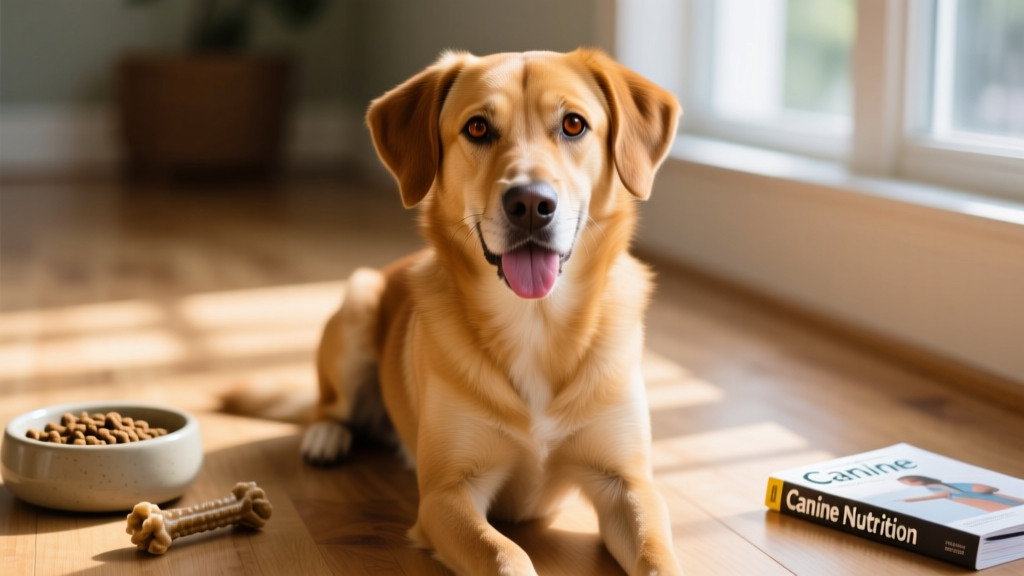
Best Dog Food for Pancreatitis: Vet-Guided Nutrition & Treatment
Complete guide to dog food for pancreatitis: symptoms, diagnosis, treatment costs, best diets, and vet-recommended feeding strategies for recovery.

What Is Pancreatitis in Dogs?
Pancreatitis is inflammation of the pancreas — a small organ nestled against the stomach and small intestine that produces digestive enzymes and insulin. When the pancreas becomes inflamed, those enzymes can activate prematurely, essentially beginning to digest the organ itself and surrounding tissues. According to the Merck Veterinary Manual, pancreatitis is one of the most common inflammatory disorders seen in canine practice, affecting an estimated 1 in 200 dogs annually, though mild cases likely go undiagnosed.
The condition presents in two forms: acute pancreatitis (sudden onset, often triggered by a high-fat meal or table scraps) and chronic pancreatitis (low-grade, recurring inflammation that may smolder for months). Both forms require dietary management, and choosing the right dog food for pancreatitis is one of the most impactful things you can do for your dog's recovery and long-term health.
The most common trigger veterinarians see? A dog raiding the trash after a holiday dinner or being fed fatty table scraps like bacon grease, ham fat, or butter-laden foods. But pancreatitis can also strike without an obvious dietary cause — genetics, certain medications, and metabolic disorders all play a role.
Recognizing the Symptoms: From Early Warnings to Emergency Signs
Pancreatitis symptoms range from subtle appetite changes to life-threatening collapse. Early recognition dramatically improves outcomes. Use this checklist to assess your dog's condition:
| Severity Level | Symptoms | Typical Onset |
|---|---|---|
| Mild / Early Warning | Decreased appetite, occasional vomiting (1-2 episodes), mild lethargy, soft stools, slight abdominal discomfort when picked up | 12-48 hours after trigger |
| Moderate | Repeated vomiting (3+ episodes/day), diarrhea, obvious abdominal pain (hunched posture, "prayer position"), dehydration, fever (103-104°F / 39.4-40°C) | 24-72 hours after onset |
| Severe / Emergency | Intractable vomiting, bloody diarrhea, collapse or inability to stand, jaundice (yellow gums/eyes), rapid breathing, distended abdomen, signs of shock (pale gums, weak pulse) | Can escalate within 12-24 hours |
Risk Factors: Which Dogs Are Most Vulnerable?
- Breed predisposition: Miniature Schnauzers (highest risk — up to 23% may develop the condition), Yorkshire Terriers, Cocker Spaniels, Dachshunds, Poodles, and Cavalier King Charles Spaniels
- Age: Most common in dogs 7+ years old, though acute cases can occur at any age
- Weight: Overweight and obese dogs (body condition score 7-9/9) face 2-3x higher risk
- Diet history: Dogs fed high-fat diets, table scraps, or those with access to garbage/compost
- Medications: Potassium bromide, phenobarbital, L-asparaginase, certain antibiotics (metronidazole at high doses), and high-dose corticosteroids
- Comorbidities: Hypothyroidism, diabetes mellitus, Cushing's disease (hyperadrenocorticism), and hyperlipidemia
- Genetics: Miniature Schnauzers carry a hereditary predisposition linked to a mutation affecting pancreatic enzyme regulation
If your dog falls into multiple risk categories, proactive dietary management with an appropriate dog food for pancreatitis prevention becomes especially important — even before symptoms appear.
How Veterinarians Diagnose Pancreatitis
No single test provides a definitive pancreatitis diagnosis. Your veterinarian will build a clinical picture using several tools. Here's what to expect during the diagnostic process:
- Physical examination — Abdominal palpation for pain, body temperature, hydration assessment, gum color check. Cost: $50-$85 as part of an office visit.
- Blood work (CBC + Chemistry panel) — Looks for elevated white blood cells, liver enzyme changes, and kidney function markers. Cost: $120-$250.
- Canine Pancreatic Lipase (cPL) test — The Spec cPL® by IDEXX is the most widely used in-clinic test. It measures pancreas-specific lipase levels. A result above 400 µg/L strongly suggests pancreatitis. Cost: $75-$150.
- Abdominal ultrasound — Visualizes pancreatic swelling, surrounding fluid, and rules out other abdominal disease. This is the imaging gold standard. Cost: $300-$600.
- Abdominal X-rays — Less specific for pancreatitis but helps rule out foreign body obstruction or other causes of vomiting. Cost: $150-$350.
- Fine-needle aspiration or biopsy — Rarely needed for diagnosis but may be performed if a pancreatic mass is suspected. Cost: $200-$500.
Treatment Options: Medical, Supportive, and Surgical
Pancreatitis treatment focuses on resting the pancreas, managing pain, and supporting the body while inflammation resolves. The approach depends entirely on severity.
| Severity | Treatment Approach | Hospitalization | Typical Cost Range | Success Rate |
|---|---|---|---|---|
| Mild | Outpatient anti-nausea medication (maropitant/Cerenia), low-fat prescription diet, pain management (gabapentin or tramadol), subcutaneous fluids | None (home care) | $200-$500 | 90-95% full recovery |
| Moderate | IV fluid therapy (24-72 hours), injectable anti-emetics, IV pain medications (methadone or fentanyl CRI), gradual reintroduction of bland low-fat food | 1-3 days | $1,500-$3,500 | 80-90% full recovery |
| Severe | Intensive care: IV fluids, plasma transfusion, feeding tube placement, broad-spectrum antibiotics if sepsis suspected, possible surgical intervention for abscess or necrosis | 3-7+ days | $4,000-$10,000+ | 55-70% survival |
The AVMA emphasizes that early veterinary intervention significantly improves prognosis across all severity levels. Never attempt to manage moderate or severe pancreatitis at home — dehydration and electrolyte imbalances can become fatal within hours.
Can Pancreatitis Be Cured?
Acute pancreatitis can resolve completely with proper treatment, and many dogs never experience a recurrence — especially if the trigger (a fatty meal, a specific medication) is identified and avoided. Chronic pancreatitis, however, is managed rather than cured. Dogs with recurring episodes require lifelong dietary modification and periodic veterinary monitoring. The goal shifts from "cure" to "remission" — keeping inflammation controlled and quality of life high.
Choosing the Right Dog Food for Pancreatitis
Dietary management is the cornerstone of both recovery and long-term prevention. The ideal dog food for pancreatitis meets these criteria:
- Fat content: 10% or less on a dry matter basis (DMB) for maintenance, and under 8% DMB during active recovery
- Moderate protein: 20-30% DMB from highly digestible sources (chicken, turkey, egg, whitefish)
- Highly digestible carbohydrates: White rice, potato, or oat-based formulations that are gentle on the GI tract
- AAFCO statement: Must carry a "complete and balanced" designation for adult maintenance or all life stages
- No added fats or oils: Avoid foods listing chicken fat, beef fat, or vegetable oil in the first 5 ingredients
Prescription Diets Veterinarians Recommend
Your vet will likely recommend one of these veterinary-formulated low-fat diets during and after a pancreatitis episode:
- Hill's Prescription Diet i/d Low Fat — Approximately 8.5% fat DMB, widely available, commonly used in clinic settings. Canned and dry formats. ($35-$55 per 12 lb bag)
- Royal Canin Veterinary Diet Gastrointestinal Low Fat — Approximately 7% fat DMB, high palatability scores. Available in dry and loaf formats. ($38-$58 per 12 lb bag)
- Purina Pro Plan Veterinary Diets EN Gastroenteric Low Fat — Approximately 9% fat DMB, contains prebiotic fiber for gut support. ($35-$50 per 12 lb bag)
- Hill's Prescription Diet i/d Stress Low Fat — Same low-fat base with added calming ingredients for anxiety-prone dogs. ($40-$60 per 12 lb bag)
These diets require a veterinary prescription. Your vet will authorize refills based on your dog's ongoing lab work and body condition score.
Transitioning Back to Food After an Episode
After a moderate or severe episode, your vet may withhold food for 12-24 hours while providing IV fluids and anti-nausea medication. When reintroducing food:
- Day 1-2: Offer 1-2 tablespoons of the prescribed low-fat diet every 3-4 hours. If vomiting recurs, stop and contact your vet.
- Day 3-5: Increase to 25% of normal daily ration, split into 4-6 small meals.
- Day 6-10: Gradually increase to 50%, then 75% of normal daily intake.
- Day 11+: Return to full ration, still divided into 2-3 meals per day rather than one large meal.
Smaller, more frequent meals reduce the pancreatic workload and help prevent recurrence.
Prognosis and Life Expectancy
| Stage | Survival Rate | Recovery Timeline | Long-Term Outlook |
|---|---|---|---|
| Mild acute | 95%+ | 5-7 days | Full recovery typical; low recurrence risk if diet managed |
| Moderate acute | 80-90% | 2-4 weeks | Good with dietary compliance; ~30% recurrence rate within 1 year |
| Severe acute (necrotizing) | 55-70% | 4-8 weeks if survived | Guarded; risk of diabetes mellitus or exocrine pancreatic insufficiency (EPI) as complications |
| Chronic (recurring) | Variable — depends on frequency and severity of flares | Ongoing management | Many dogs live 5-10+ years with strict dietary compliance and regular vet monitoring |
Dogs that survive a severe episode may develop diabetes mellitus (if enough insulin-producing cells are destroyed) or exocrine pancreatic insufficiency (if enzyme-producing cells are lost). Both conditions are manageable but add to long-term care costs.
Home Care and Long-Term Management
Once your dog is home, your daily management routine will make or break long-term outcomes. Here's what consistent home care looks like:
Daily Feeding Protocol
- Feed the prescribed low-fat diet exclusively — no treats, table scraps, or flavored medications without vet approval
- Divide daily food into 2-3 meals to reduce pancreatic enzyme demand per feeding
- Measure food with a standard 8 oz measuring cup or kitchen scale (grams) — free-feeding promotes weight gain, a major recurrence risk factor
- Ensure fresh water is always available; consider adding water to kibble for additional hydration
Safe Treat Options
Dogs with pancreatitis can still enjoy treats — but they must be low-fat. Safe options include:
- Plain, boiled chicken breast (no skin, no seasoning) — 1-2 small pieces as a reward
- Carrot sticks or green beans (steamed, unsalted)
- Commercial low-fat treats specifically formulated for GI-sensitive dogs (check for less than 5% crude fat on the label)
- Ice cubes — a zero-calorie, zero-fat option many dogs enjoy
Monitoring at Home
Keep a symptom journal noting appetite, stool consistency, energy level, and any vomiting episodes. Share this log with your vet at follow-up visits. Schedule recheck blood work every 3-6 months for dogs with chronic pancreatitis, and maintain a body condition score between 4-5/9.
Contact your veterinarian or emergency clinic right away if your dog shows any of these red-flag symptoms:
- Vomiting more than 3 times in a 12-hour period
- Bloody or tarry-black diarrhea
- Refusing food for more than 24 hours
- Obvious abdominal pain (whining when touched, hunched posture, restlessness)
- Lethargy severe enough that your dog won't get up for walks or meals
- Signs of dehydration (tacky gums, skin that doesn't snap back when gently pinched)
- Yellow discoloration of gums, whites of eyes, or skin (jaundice)
- Labored or rapid breathing
If your regular vet is unavailable, contact the nearest emergency veterinary hospital. For suspected toxin ingestion contributing to GI signs, call the ASPCA Animal Poison Control Center at (888) 426-4435 (24/7, consultation fee applies).
How Much Does Pancreatitis Treatment Cost?
Treatment costs vary dramatically based on severity, your geographic location, and whether emergency after-hours care is needed. Here's a realistic breakdown based on 2025-2026 U.S. veterinary pricing:
- Mild outpatient case: $200-$500 (exam, cPL test, anti-nausea medication, prescription diet)
- Moderate case requiring 1-2 day hospitalization: $1,500-$3,500 (IV fluids, injectable medications, monitoring, lab work)
- Severe case with ICU care: $4,000-$10,000+ (prolonged hospitalization, plasma transfusions, feeding tube, specialist involvement)
- Chronic management (annual): $600-$1,500/year (prescription diet, recheck exams, periodic blood work, cPL monitoring)
- Worst-case scenario (surgical intervention + complications): $8,000-$15,000+
Pet insurance can significantly offset these costs if enrolled before the first episode. Most comprehensive policies cover pancreatitis treatment, but pre-existing condition exclusions apply. Average monthly premiums for comprehensive coverage range from $35-$75 depending on breed, age, and deductible.
Prevention Strategies
While you can't eliminate genetic risk, these evidence-based strategies reduce pancreatitis likelihood:
- Maintain ideal body weight: Keep your dog at a body condition score of 4-5/9. Obesity is a modifiable risk factor with strong evidence linking it to pancreatitis.
- Avoid high-fat foods entirely: No bacon, sausage, cheese, fried foods, fatty meat trimmings, butter, or cooking grease — even as an occasional treat.
- Secure trash cans and compost bins: Garbage ingestion is one of the top triggers veterinarians see for acute pancreatitis episodes.
- Feed a consistent, moderate-to-low fat diet: For predisposed breeds, feeding a diet under 15% fat DMB as a preventive measure is reasonable — discuss with your vet.
- Review medications annually: If your dog takes phenobarbital, potassium bromide, or other pancreatitis-associated drugs, ask your vet about periodic cPL monitoring.
- Limit single large meals: Two smaller meals daily reduce the acute enzyme demand on the pancreas compared to one large daily feeding.
Frequently Asked Questions
Which dog breeds are most prone to pancreatitis?
Miniature Schnauzers carry the highest breed-specific risk — studies suggest up to 23% may develop pancreatitis in their lifetime due to a hereditary lipid metabolism disorder. Yorkshire Terriers, Cocker Spaniels, Dachshunds, Toy and Miniature Poodles, and Cavalier King Charles Spaniels also show elevated risk. However, any breed can develop pancreatitis given the right (or wrong) dietary trigger.
Can I feed my dog a homemade diet for pancreatitis?
It's possible, but risky without professional formulation. A homemade low-fat diet must still meet all AAFCO nutrient requirements for vitamins, minerals, and amino acids. Consult a board-certified veterinary nutritionist (find one through the American College of Veterinary Nutrition) to formulate a complete recipe. Never switch to a long-term homemade diet without this guidance — nutritional deficiencies can cause serious secondary health problems.
How long does a pancreatitis flare-up last?
Mild episodes typically resolve in 5-7 days with appropriate dietary management and medication. Moderate cases requiring hospitalization may take 2-4 weeks for full recovery. Severe necrotizing pancreatitis can require 4-8 weeks of intensive management, and some dogs experience lingering digestive sensitivity for months afterward.
Is pancreatitis painful for dogs?
Yes — pancreatitis is considered one of the most painful inflammatory conditions in veterinary medicine. The pancreas is richly innervated, and inflammation causes significant abdominal pain. This is why pain management (not just anti-nausea medication) is a critical component of treatment. Never give human pain relievers like ibuprofen or acetaminophen — these are toxic to dogs and can worsen organ damage.
Will my dog need a prescription diet forever?
For dogs with a single mild episode and no predisposing factors, your vet may eventually approve a transition to a commercial low-fat diet (under 12% fat DMB) after 6-12 months of stability. Dogs with chronic or recurring pancreatitis, or those with breed predisposition, typically benefit from lifelong prescription diet feeding. Each case is individual — always consult your veterinarian before making dietary changes.
This article is for informational purposes only and does not replace professional veterinary advice. Always consult your veterinarian for diagnosis, treatment decisions, and dietary changes specific to your dog's condition.
Jonas Cole
All our authors care for dogs every day — read more of their work on the authors page.