Dog Has Dry Flaky Skin? Causes, Home Checks & Relief Guide
Your dog has dry flaky skin — learn how to check their coat, identify causes, build a care routine, and know when to see the vet for lasting relief.
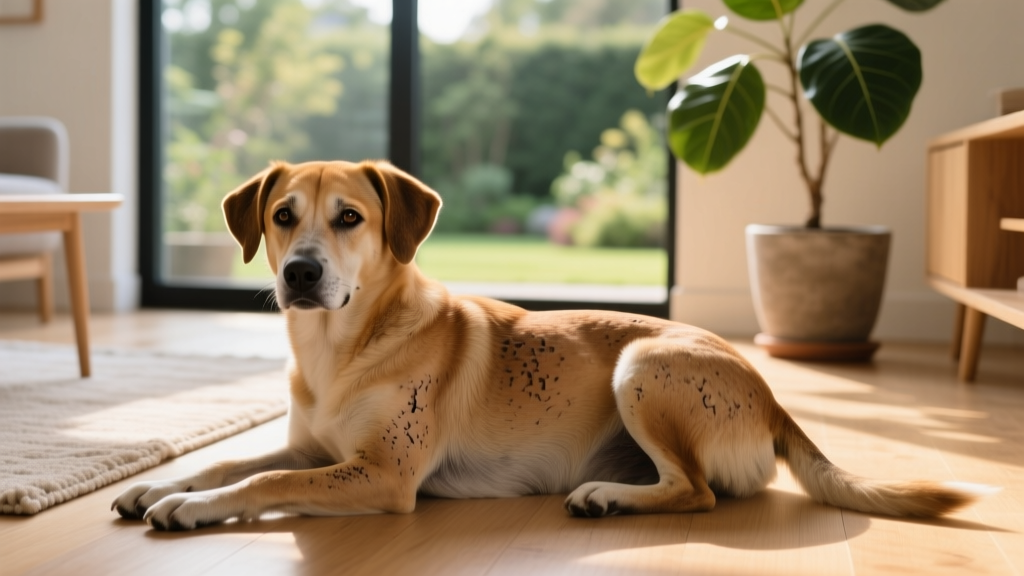
If your dog has dry flaky skin, you're not alone — dermatological complaints account for roughly 30% of all veterinary visits in the United States, according to the AVMA. Flaking, itching, and dull coats can stem from a dozen different triggers, ranging from simple seasonal humidity drops to underlying endocrine disorders. The key to solving the problem is understanding what healthy canine skin looks like, how to examine it properly, and when home care is enough versus when professional diagnosis is essential.
This guide walks you through the anatomy of your dog's skin, a step-by-step home examination technique, a normal-versus-abnormal comparison, a practical care routine with product specifics, breed predispositions, and clear red-flag symptoms that warrant a vet visit. Always consult your veterinarian before starting any medicated treatment — skin conditions often require diagnostic testing to identify the root cause.
How Canine Skin Works: A Quick Anatomy Primer
Dog skin is structurally different from human skin in several important ways:
- Epidermal thickness: A dog's epidermis is only 3–5 cell layers thick, compared to 10–15 layers in humans. This makes canine skin more vulnerable to irritants, allergens, and moisture loss.
- pH level: Canine skin has a pH of approximately 6.2–7.4 (near-neutral), while human skin is more acidic at around 5.5. Using human shampoos on dogs can disrupt their acid mantle and accelerate dryness.
- Hair follicle density: Dogs have compound follicles — one primary (guard) hair surrounded by 3–15 secondary (undercoat) hairs emerging from a single pore. Humans have one hair per follicle. This density means skin health directly affects coat quality across thousands of follicle groups.
- Sebaceous glands: These oil-producing glands are attached to every hair follicle in dogs. They secrete sebum, which lubricates the skin and provides a barrier against water loss. Overactive or underactive sebaceous glands both cause visible flaking.
- Epidermal turnover rate: Dogs replace their outer skin layer roughly every 21–28 days. When this cycle accelerates due to irritation, disease, or nutritional deficiency, dead cells shed visibly as flakes — sometimes called "dander" or "scales" depending on size and adherence.
Because dogs can't verbally report itchiness or discomfort the way humans can, visible flaking is often the first — and sometimes only — external clue that something is disrupting their skin's normal barrier function.
How Do I Check My Dog's Skin for Dryness and Flaking?
A thorough skin exam takes about 5–10 minutes and should be done at least once a month, or weekly during seasonal transitions (fall-to-winter and spring-to-summer) when humidity shifts are most dramatic. Here's a systematic technique:
- Part the coat in a grid pattern. Starting at the head, use your fingers to part the fur down to the skin in sections roughly 2–3 inches wide. Work from nose to tail, then along each flank and the belly.
- Look for visible flakes. Healthy skin should appear smooth and slightly pink (in light-skinned breeds) or pigmented gray-to-black (in darker breeds). White or grayish flakes clinging to the hair shaft or resting on the skin surface indicate abnormal shedding.
- Feel for texture changes. Run your fingertips along the exposed skin. It should feel smooth and slightly supple. Rough, crusty, or "sandpapery" patches suggest hyperkeratosis or localized dermatitis.
- Check high-risk zones first. Pay extra attention to the elbows, hocks (back of the hind legs), ear flaps, groin, and the base of the tail — these areas are most prone to dryness and pressure-related callus formation.
- Brush over a white towel. Give your dog a thorough brushing over a clean white towel or sheet. This makes flakes, debris, and potential parasites (like fleas or Cheyletiella mites — sometimes called "walking dandruff") much easier to spot.
- Note any behavioral clues. Excessive licking, scratching, scooting, or head-shaking during or after the exam points to pruritus (itching), which frequently accompanies dry skin conditions.
Normal vs. Abnormal: What Healthy Dog Skin Looks Like
| Indicator | Normal (Healthy) | Abnormal (Concerning) |
|---|---|---|
| Flake presence | None to very occasional, barely visible | Consistent white/gray flakes on coat, bedding, or furniture |
| Skin color | Pink (light breeds) or uniformly pigmented (dark breeds) | Red patches, dark hyperpigmented spots, or yellowish discoloration |
| Texture | Smooth, supple, slightly elastic | Rough, crusty, thickened, or "leathery" areas |
| Odor | Mild, neutral "dog" scent | Yeasty, musty, or rancid smell (suggests secondary infection) |
| Coat quality | Glossy, uniform, lies flat | Dull, brittle, patchy thinning, or excessive shedding beyond seasonal norms |
| Itching behavior | Occasional scratch (1–3 times per hour at most) | Constant scratching, biting at skin, rubbing against furniture, or waking at night to scratch |
| Moisture level | Slightly oily sheen, not greasy | Visibly dry and tight, or conversely, greasy and matted |
If your dog has dry flaky skin that persists for more than 7–10 days despite a basic moisturizing intervention, or if you notice any abnormal indicators from the right column above, it's time to investigate further.
Common Problems That Cause Dry, Flaky Skin in Dogs
| Condition | Key Symptoms | Typical Onset | Vet Diagnosis Needed? |
|---|---|---|---|
| Environmental dryness (low humidity) | Fine, loose flakes; mild itching; worse in winter | Seasonal, within 2–4 weeks of heating season start | No — usually responds to home care |
| Allergic dermatitis (atopy) | Redness, paw licking, face rubbing, flaking on belly and flanks | Often begins between ages 1–3 years; seasonal or year-round | Yes — allergy testing (intradermal or serum IgE) |
| Flea allergy dermatitis (FAD) | Intense itching at base of tail and hindquarters; flakes, scabs, hair loss | Rapid onset after flea exposure; even 1–2 bites trigger reaction | Yes — flea comb exam, possible capstar trial |
| Seborrhea (primary or secondary) | Greasy or dry flakes (sometimes both), waxy buildup, odor | Gradual; primary is genetic, secondary follows other conditions | Yes — skin cytology, possible biopsy |
| Hypothyroidism | Dry coat, symmetric hair loss, weight gain, lethargy, flaking | Gradual onset, typically ages 4–10 years | Yes — full thyroid panel (T4, free T4, TSH) |
| Cushing's disease (hyperadrenocorticism) | Thinning skin, hair loss, pot-bellied appearance, increased thirst/urination | Gradual, typically ages 7+ years | Yes — ACTH stimulation test or low-dose dexamethasone suppression test |
| Nutritional deficiency (fatty acids, zinc) | Dull coat, flaking, slow wound healing, poor growth in puppies | Weeks to months after dietary change or inadequate diet | Yes — dietary history review, possible bloodwork |
| Cheyletiellosis ("walking dandruff") | Heavy flaking especially along the spine; flakes may appear to move | 2–3 weeks after exposure to infected animals or environments | Yes — skin scraping, tape prep, or acetate impression |
| Ichthyosis (genetic scaling disorder) | Large, dark, adherent scales present from puppyhood | Visible by 6–12 months of age | Yes — genetic testing, skin biopsy |
| Bacterial or yeast overgrowth (secondary infection) | Redness, musty odor, greasy flakes, thickened skin | Develops secondary to allergies, moisture, or immune suppression | Yes — skin cytology (impression smear) |
According to the Merck Veterinary Manual, many of these conditions overlap in presentation, which is why skin cytology — a simple, low-cost test ($35–$75 at most general practices) — is often the first diagnostic step your veterinarian will recommend.
How Do I Clean and Maintain My Dog's Skin?
A consistent care routine is the foundation of managing dry, flaky skin at home. Here's a practical schedule with product specifics:
Daily
- Brushing (3–5 minutes): Use a slicker brush or rubber grooming mitt to distribute natural oils across the skin surface. For double-coated breeds, add an undercoat rake once or twice weekly.
- Humidifier use: During winter months (or year-round in arid climates below 30% indoor humidity), run a cool-mist humidifier in the room where your dog sleeps. Aim for 40–50% relative humidity. A basic hygrometer costs $10–$15 and removes the guesswork.
Weekly
- Visual skin check: Follow the 6-step home examination technique described above.
- Bedding wash: Wash all dog bedding in hot water (at least 130°F / 54°C) using a fragrance-free, dye-free detergent. This reduces environmental allergens and removes accumulated dander.
Every 2–4 Weeks (Bathing)
- Bath with a moisturizing canine shampoo: Water temperature should be lukewarm (around 95–100°F / 35–38°C) — hot water strips oils. Lather, leave on for 5–10 minutes as directed, then rinse thoroughly. Incomplete rinsing is one of the most common causes of post-bath irritation.
- Follow with a conditioner or leave-in spray: Products containing colloidal oatmeal, aloe vera, or ceramides help restore the skin barrier.
Monthly or As Directed
- Omega fatty acid supplement: Fish oil supplements providing EPA and DHA at a combined dose of approximately 50–75 mg per kg of body weight daily have well-documented anti-inflammatory and skin-barrier benefits. For a 50 lb (23 kg) dog, that's roughly 1,150–1,725 mg of combined EPA/DHA per day.
- Flea and tick preventive: Even indoor dogs need year-round prevention. Topical or oral isoxazoline-class preventives (e.g., Bravecto, NexGard, Simparica) cost $20–$65 per dose depending on dog size and product.
Recommended Products for Dry, Flaky Dog Skin
| Product Category | Specific Examples | Price Range | Key Ingredients to Look For |
|---|---|---|---|
| Moisturizing shampoo | Douxo S3 Calm Shampoo; Veterinary Formula Clinical Care Oatmeal Shampoo; Earthbath Oatmeal & Aloe | $12–$32 | Colloidal oatmeal, phytosphingosine, ceramides, aloe |
| Leave-in conditioner/spray | Douxo S3 Calm Mousse; Davis Oatmeal & Aloe Leave-In; Vet's Best Moisture Mist | $10–$28 | Glycerin, panthenol, oat extract |
| Fish oil supplement | Nordic Naturals Omega-3 Pet; Grizzly Salmon Plus; Zesty Paws Omega Bites | $15–$40 (1–3 month supply) | EPA + DHA content clearly listed per pump or softgel |
| Humidifier | Levoit Classic 300S; Vicks Warm Mist; any cool-mist unit rated for your room size | $25–$65 | Ultrasonic cool-mist; easy-to-clean tank |
| Grooming tools | Hertzko slicker brush; Furminator deShedding tool (breed-specific size); Kong ZoomGroom | $8–$35 | Appropriate pin length for your dog's coat type |
Note: Always check with your veterinarian before introducing new supplements, especially if your dog is on medications — high-dose fish oil can interact with anticoagulants and may not be appropriate for dogs with pancreatitis.
When Should I See a Vet About My Dog's Dry, Flaky Skin?
Contact your veterinarian promptly if you notice any of the following red flags:
- Open sores, bleeding, or raw patches — indicates self-trauma from severe pruritus or secondary bacterial infection requiring antibiotics.
- Hair loss in distinct patches (alopecia) — can signal ringworm, demodicosis, or endocrine disease.
- Skin that is hot to the touch, swollen, or oozing pus — suggests pyoderma or a deep tissue infection.
- Flaking that doesn't improve after 2–3 weeks of consistent home care (humidifier, appropriate shampoo, omega supplementation).
- Behavioral changes: lethargy, decreased appetite, increased thirst/urination, or weight changes alongside skin symptoms — these systemic signs point toward metabolic conditions like hypothyroidism or Cushing's disease.
- Sudden onset of severe scaling in an older dog — adult-onset seborrhea is almost always secondary to an underlying condition that needs diagnosis.
- Flakes that appear to move — this may indicate Cheyletiella mites, which are contagious to other pets and occasionally to humans.
Typical veterinary costs for skin workup: An office visit ($60–$120) plus skin cytology ($35–$75), skin scraping ($40–$60), and basic bloodwork including thyroid panel ($150–$350) can range from $285–$605 for a comprehensive dermatology evaluation. While this may seem significant, catching hypothyroidism or Cushing's early prevents far costlier complications down the line.
Which Breeds Are Prone to Dry, Flaky Skin?
| Breed | Common Skin Condition | Why They're Predisposed |
|---|---|---|
| West Highland White Terrier | Atopic dermatitis, Malassezia overgrowth | Genetic predisposition to barrier dysfunction; one of the most allergy-prone breeds documented by the AKC |
| Cocker Spaniel (American & English) | Primary seborrhea, ear infections | Hereditary keratinization disorder; heavy ear flaps trap moisture |
| Shar-Pei | Mucinosis, skin fold dermatitis | Excess mucin in skin folds creates microenvironments prone to irritation and infection |
| Golden Retriever | Ichthyosis (ICH-1 and ICH-2 genetic variants), atopy | Known genetic mutations affecting skin barrier; high prevalence in the breed |
| Labrador Retriever | Atopic dermatitis, food sensitivities | Among the top breeds presented for allergy-related dermatology referrals |
| Dachshund | Seborrhea, acanthosis nigricans | Breed-specific skin condition causing darkening and thickening in the axillary area |
| Bulldog (English & French) | Skin fold dermatitis, atopy | Deep facial and body folds; brachycephalic breeds also have compromised immune responses in skin |
| German Shepherd | Chronic allergic dermatitis, pyoderma | Predisposed to both environmental allergies and secondary bacterial skin infections |
| Basset Hound | Seborrhea, Malassezia dermatitis | Loose, folded skin and heavy ear leather create ideal conditions for yeast overgrowth |
| Cavalier King Charles Spaniel | Ichthyosis, atopic dermatitis | Documented genetic scaling disorders; breed club recommends DNA screening |
If you own one of these breeds, proactive skin care — including regular omega-3 supplementation, consistent bathing with appropriate products, and annual wellness bloodwork — can catch problems before they escalate.
How Can I Prevent Dry, Flaky Skin in My Dog?
Prevention is always more effective (and less expensive) than treatment. These strategies address the most common root causes:
- Feed an AAFCO-complete diet with named animal protein as the first ingredient. Look for guaranteed analysis showing at least 2.5% crude fat for adult maintenance (higher for active dogs). Diets severely restricted in fat are a surprisingly common cause of dry skin in well-intentioned "weight management" feeding plans.
- Supplement omega-3 fatty acids year-round. Even dogs on premium diets often benefit from additional EPA/DHA. The anti-inflammatory effect takes 6–8 weeks to become fully apparent — don't stop too early.
- Maintain indoor humidity between 40–50%. Central heating in winter can drop indoor humidity to 15–20%, which is devastating to both human and canine skin. A $30–$50 humidifier pays for itself quickly.
- Bathe no more than every 2 weeks unless directed by your vet. Over-bathing is a leading cause of iatrogenic (owner-caused) dry skin. When you do bathe, always follow with a moisturizing conditioner.
- Use only canine-formulated shampoos. Human shampoos, dish soap, and "natural" castile soaps have pH levels and surfactant concentrations that strip the canine acid mantle. This is one of the most common mistakes well-meaning owners make.
- Keep up with parasite prevention. Flea allergy dermatitis is the single most common allergic skin disease in dogs. A single flea bite can trigger days of intense scratching in a sensitized dog.
- Manage stress. Chronic stress elevates cortisol, which can suppress immune function and worsen skin barrier integrity. If your dog has anxiety-related licking or scratching, address the behavioral component with a certified positive-reinforcement trainer or veterinary behaviorist.
- Schedule annual wellness exams. Your veterinarian can detect early signs of hypothyroidism, Cushing's, and other metabolic conditions through routine bloodwork before skin symptoms become severe.
Frequently Asked Questions
Can I use coconut oil on my dog's dry skin?
Virgin coconut oil can be applied topically in small amounts to localized dry patches — it has mild moisturizing and antimicrobial properties. However, it is comedogenic (can clog pores) and shouldn't replace a proper canine-formulated moisturizer for widespread flaking. If your dog licks it off, small quantities are safe, but large ingestions can cause gastrointestinal upset or contribute to pancreatitis in predisposed dogs due to the high fat content. Apply sparingly and monitor.
Why does my dog's skin get worse in winter?
Indoor heating systems drop relative humidity to 15–25% in most homes — well below the 40–50% range that supports healthy skin barrier function. Cold outdoor air also holds less moisture. The combination accelerates transepidermal water loss, leading to flaking and itchiness. Running a humidifier and slightly increasing omega-3 supplementation during heating season typically resolves seasonal dryness within 3–4 weeks.
Is dry flaky skin contagious to other pets or humans?
Most causes of dry, flaky skin are not contagious. However, Cheyletiellosis (walking dandruff), ringworm (dermatophytosis), and sarcoptic mange are transmissible between animals and, in some cases, to humans. If flakes appear to move, if there are circular patches of hair loss, or if you develop an itchy rash yourself after contact, isolate the affected dog and contact your veterinarian promptly. The ASPCA recommends keeping new pets separated until they've had a veterinary health screening.
How long does it take for a dog's dry skin to improve with treatment?
For simple environmental dryness managed with a humidifier and moisturizing shampoo, improvement is often visible within 1–2 weeks. For allergy-related dermatitis, it may take 4–8 weeks of consistent management (including allergen avoidance, omega supplementation, and any prescribed medications) to see significant improvement. Endocrine-related skin conditions like hypothyroidism typically show coat improvement within 6–12 weeks of starting thyroid hormone replacement therapy. Patience and consistency are essential — skin has a long repair cycle.
Should I change my dog's food if they have dry, flaky skin?
Not necessarily as a first step. True food allergies account for only about 10–15% of allergic skin disease in dogs, according to veterinary dermatology literature. Before switching foods, rule out environmental allergies and parasites with your vet. If a food trial is warranted, it must be a strict 8–12 week trial using a novel protein or hydrolyzed diet — simply switching to a different commercial brand with similar ingredients won't yield reliable results.
When your dog has dry flaky skin, the path to relief starts with a careful home examination, a consistent moisturizing routine, and knowing when professional diagnosis is needed. Most cases respond well to a combination of environmental management, proper nutrition, and appropriate bathing — but persistent or worsening symptoms should always be evaluated by your veterinarian to rule out underlying conditions that require targeted treatment.
Beth Carrasco
All our authors care for dogs every day — read more of their work on the authors page.


