Complete Nutrition Guide for Gut Support
Expert guide to dog digestive health supplements, including probiotics, prebiotics, & enzymes.
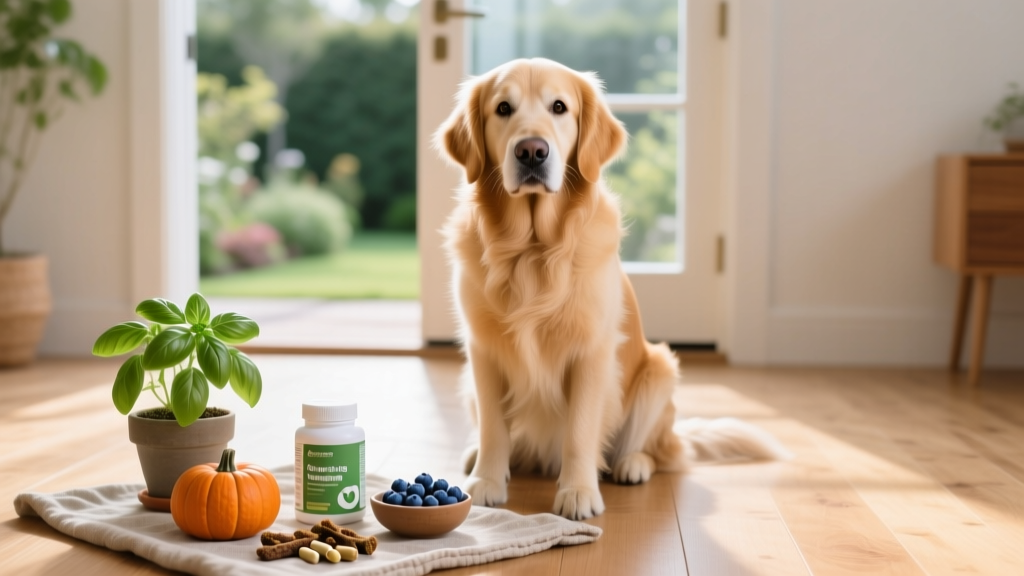
Understanding Your Dog's Digestive Health: Why the Gut Matters
A dog's gastrointestinal tract houses approximately 70% of their immune system and contains trillions of microorganisms that influence everything from nutrient absorption to mood regulation. When this ecosystem becomes imbalanced—a condition veterinarians call dysbiosis—dogs may experience chronic diarrhea, gas, food sensitivities, poor coat quality, and even behavioral changes. This is where dog digestive health supplements come into play, bridging the gap between what commercial diets provide and what individual dogs actually need.
Before adding any supplement to your dog's regimen, it's essential to understand baseline nutritional requirements and how your dog's life stage or health condition affects their digestive needs. The Merck Veterinary Manual notes that malabsorption issues can stem from pancreatic insufficiency, inflammatory bowel disease, or simple dietary indiscretion—each requiring different supplemental approaches.
Nutritional Requirements for Digestive Health by Life Stage
Digestive supplement needs shift dramatically across a dog's lifespan. Puppies have immature gut microbiomes, seniors face declining enzyme production, and dogs with chronic conditions often require targeted nutritional support. Here's what the numbers look like:
| Life Stage / Condition | Protein (% DM) | Fat (% DM) | Fiber (% DM) | Calories/Day (50 lb dog) | Key Supplement Focus |
|---|---|---|---|---|---|
| Puppy (2-12 months) | 28-32% | 17-22% | 3-5% | 1,200-1,500 kcal | Probiotic colonization support |
| Adult (maintenance) | 22-26% | 12-16% | 2-5% | 900-1,100 kcal | Prebiotic fiber, maintenance probiotics |
| Senior (7+ years) | 25-30% | 10-14% | 4-7% | 750-950 kcal | Digestive enzymes, joint-gut axis support |
| Weight Management | 27-35% | 8-12% | 5-10% | 600-800 kcal | Fiber supplements, L-carnitine |
| Food Allergies/Sensitivities | 24-30% | 14-18% | 3-5% | 850-1,050 kcal | Novel protein + targeted probiotics |
| Kidney Disease (Stage 2-3) | 14-18% | 14-20% | 3-5% | 800-1,000 kcal | Phosphorus binders, omega-3s |
| Active/Working Dog | 28-35% | 20-28% | 2-4% | 1,500-2,200 kcal | Electrolyte support, high-calorie probiotics |
Important: These percentages are on a dry matter (DM) basis. To convert from the guaranteed analysis on your dog food label, you must account for moisture content. A canned food showing 8% protein with 78% moisture actually contains 36% protein on a DM basis. Always consult your veterinarian before adjusting macronutrient ratios, especially for dogs with diagnosed conditions.
Top Dog Digestive Health Supplements: Product Recommendations for 2026
After evaluating products based on CFU counts, strain diversity, third-party testing, veterinary recommendations, and real-world owner outcomes, here are the top digestive health supplements currently available:
1. Purina Pro Plan Veterinary Supplements FortiFlora
Price: $28-$34 for 30 packets | Key Strain: Enterococcus faecium SF68 (100 million CFU/g)
Why it works: This is the most veterinarian-recommended probiotic in clinical practice. The SF68 strain is one of the few with published peer-reviewed research demonstrating efficacy in dogs. The single-serve packet format ensures viability—it's microencapsulated to survive stomach acid. Ideal for acute diarrhea episodes or antibiotic-associated GI upset.
Best for: Dogs with stress colitis, kennel diarrhea, or post-antibiotic microbiome recovery.
2. Nutramax Proviable-DC
Price: $24-$30 for 30 capsules | Key Strains: 7-strain blend including Bifidobacterium and Lactobacillus species (5 billion CFU/capsule)
Why it works: Multi-strain approach targets different sections of the GI tract. The capsule can be opened and sprinkled on food for dogs who won't take pills. Includes prebiotic FOS (fructooligosaccharides) to feed the probiotics. Nutramax is NASC (National Animal Supplement Council) certified, meaning independent lab verification of label claims.
Best for: Chronic GI issues, long-term microbiome support, dogs with food sensitivities.
3. Zesty Paws Allergy Immune Supplement (with Probiotics)
Price: $25-$30 for 90 chews | Key Strains: Lactobacillus acidophilus + L. plantarum (200 million CFU per 2 chews)
Why it works: Combines digestive support with immune modulation via colostrum, quercetin, and omega-3s from salmon oil. The soft chew format has high palatability—even picky eaters typically accept them. Good entry-level option for dogs with mild seasonal allergies that also manifest as GI sensitivity.
Best for: Dogs with concurrent allergy and digestive symptoms, owners preferring chewable format.
4. Animal Essentials Plant Enzymes & Probiotics
Price: $22-$28 for 75g powder | Key Components: Plant-based enzymes (protease, amylase, lipase, cellulase) + L. acidophilus + L. casei
Why it works: Specifically designed for dogs on cooked or processed diets where natural food enzymes are destroyed. The cellulase enzyme is particularly important—dogs don't produce it endogenously, so it helps break down plant cell walls for better nutrient extraction from kibble or homemade diets containing vegetables.
Best for: Senior dogs with declining pancreatic function, dogs on kibble-only diets, dogs with exocrine pancreatic insufficiency (EPI) as an adjunct to prescription enzyme therapy.
5. VetriScience Laboratories Mega Probiotic
Price: $32-$40 for 120 capsules | Key Strains: 8-strain blend at 5 billion CFU per capsule
Why it works: High-potency formula intended for therapeutic use rather than maintenance. VetriScience products undergo rigorous quality control and are distributed primarily through veterinary channels. Includes the yeast probiotic Saccharomyces boulardii, which survives antibiotic treatment and is particularly effective for antibiotic-associated diarrhea.
Best for: Dogs undergoing antibiotic therapy, post-surgical GI recovery, severe dysbiosis cases.
6. Bernie's Perfect Poop Digestion Support
Price: $22-$27 for 90 chews | Key Components: Bacillus coagulans + pumpkin fiber + miscanthus grass (prebiotic fiber)
Why it works: B. coagulans is a spore-forming probiotic that doesn't require refrigeration and survives stomach acid exceptionally well. The combination of soluble and insoluble fiber from pumpkin and miscanthus grass helps regulate stool consistency—firming loose stools while also easing constipation. Excellent for dogs with inconsistent stool quality.
Best for: Dogs with chronic soft stools, owners seeking shelf-stable probiotic options.
7. Dr. Harvey's Paradigm (Whole Food Digestive Support)
Price: $38-$45 for 1 lb powder | Key Components: Green tripe, digestive enzymes, probiotics, organic kelp
Why it works: Takes a whole-food approach rather than isolated supplements. Green tripe naturally contains digestive enzymes, probiotics, and a balanced calcium:phosphorus ratio. This product is designed to be mixed into homemade diets or used as a kibble topper. The kelp provides trace minerals often missing from commercial diets that support thyroid function, which indirectly affects gut motility.
Best for: Dogs on homemade diets needing digestive support, owners preferring whole-food supplement approaches.
Supplement Dosage Guide by Dog Weight
Dosing digestive supplements incorrectly is one of the most common mistakes owners make. Too little provides no therapeutic benefit; too much can cause osmotic diarrhea. Here's a practical dosage framework:
| Dog Weight | Probiotic (CFU/day) | Digestive Enzyme (mg/day) | Prebiotic Fiber (g/day) | Pumpkin Puree (tbsp/day) | L-Glutamine (mg/day) |
|---|---|---|---|---|---|
| Under 10 lb (under 4.5 kg) | 1-2 billion | 50-100 mg | 0.5-1 g | 1 tsp | 100-200 mg |
| 10-25 lb (4.5-11 kg) | 2-5 billion | 100-200 mg | 1-2 g | 1 tbsp | 200-500 mg |
| 25-50 lb (11-23 kg) | 5-10 billion | 200-400 mg | 2-4 g | 1-2 tbsp | 500-1,000 mg |
| 50-80 lb (23-36 kg) | 10-15 billion | 400-600 mg | 4-6 g | 2-3 tbsp | 1,000-1,500 mg |
| Over 80 lb (over 36 kg) | 15-25 billion | 600-800 mg | 6-8 g | 3-4 tbsp | 1,500-2,000 mg |
Adjustment factors: Double the probiotic dose during antibiotic therapy. Increase fiber by 50% for dogs with chronic constipation. For acute diarrhea, start at the lower end and increase gradually over 3-5 days. Always introduce one supplement at a time with 5-7 days between additions so you can identify what's working and what might be causing adverse reactions.
Choosing the Right Commercial Food for Digestive Health
Supplements work best when the foundation—your dog's daily diet—is already optimized for GI health. Here's what to evaluate on every bag of dog food:
The AAFCO Statement: Your First Quality Gate
Every commercial dog food sold in the US should carry an AAFCO (Association of American Feed Control Officials) nutritional adequacy statement. This appears on the label as either:
- "Formulated to meet" — the recipe was analyzed to meet nutrient profiles on paper
- "Animal feeding tests using AAFCO procedures substantiate" — the food was actually fed to dogs in controlled trials
The feeding trial statement is the gold standard because it proves the nutrients are actually bioavailable, not just present on a lab analysis. If a food lacks any AAFCO statement, it's not a complete diet—it's a treat or topper, regardless of marketing claims.
Ingredient List Analysis for Digestive Health
Look for these digestive-friendly indicators:
- Named protein sources in first two positions (chicken, lamb, salmon—not "meat meal" or "animal by-products")
- Prebiotic fibers listed: chicory root, inulin, beet pulp, FOS (fructooligosaccharides), MOS (mannanoligosaccharides)
- Fermentation products: dried Lactobacillus or Bifidobacterium fermentation products (though viability in kibble is questionable)
- Single carbohydrate source for sensitive dogs (rice only, potato only—not a blend of 4-5 starches)
- Named fat sources (chicken fat, salmon oil—not "animal fat")
Ingredients to avoid for dogs with digestive issues:
- Artificial preservatives: BHA, BHT, ethoxyquin—these can disrupt gut microbiome balance and have been linked to GI inflammation in sensitive dogs
- Corn syrup and added sugars: Feed pathogenic bacteria, worsen dysbiosis
- Rendered fat (listed as "animal fat"): Unidentified source, higher risk of rancidity causing GI upset
- Propylene glycol: Used as a humectant in some semi-moist foods; can cause osmotic diarrhea
- Excessive legume content (peas, lentils, chickpeas in top 5 ingredients): The FDA has flagged potential associations with dilated cardiomyopathy (DCM), and high legume content can cause excessive gas in many dogs
- Carrageenan: A thickener that some studies suggest promotes intestinal inflammation
Feeding Amounts and Adjustment Calculator
Overfeeding is one of the primary causes of digestive upset in dogs—excess food overwhelms enzymatic capacity and accelerates transit time, leading to soft stools. Here's a baseline feeding guide that you should then adjust based on your individual dog:
| Dog Weight | Dry Kibble (cups/day) | Canned Food (oz/day) | Calories/Day | Meals per Day |
|---|---|---|---|---|
| 5 lb (2.3 kg) | ⅓ - ½ cup | 3-4 oz | 150-200 kcal | 2 |
| 15 lb (6.8 kg) | ¾ - 1 cup | 7-9 oz | 350-450 kcal | 2 |
| 30 lb (13.6 kg) | 1¼ - 1¾ cups | 12-16 oz | 600-750 kcal | 2 |
| 50 lb (22.7 kg) | 1¾ - 2½ cups | 18-24 oz | 900-1,100 kcal | 2 |
| 70 lb (31.8 kg) | 2¼ - 3 cups | 24-30 oz | 1,100-1,350 kcal | 2 |
| 90 lb (40.8 kg) | 2¾ - 3½ cups | 30-36 oz | 1,350-1,600 kcal | 2 |
| 110+ lb (50+ kg) | 3½ - 4½ cups | 36-48 oz | 1,600-2,000 kcal | 2-3 |
Adjustment multipliers:
- Intact (unneutered) dog: multiply by 1.0-1.1
- Neutered/spayed adult: multiply by 0.9-1.0 (baseline above assumes this)
- Senior/sedentary: multiply by 0.75-0.85
- Highly active/working: multiply by 1.3-2.0
- Pregnant (last trimester): multiply by 1.25-1.5
- Nursing (peak lactation): multiply by 2.0-4.0
- Weight loss goal: multiply by 0.7-0.8 of target weight calories
For dogs with digestive issues specifically, splitting daily food into 3 smaller meals rather than 2 larger ones reduces the enzymatic burden per feeding and often improves stool quality within 1-2 weeks.
The 10-Day Food Transition Protocol
Rapid diet changes are a leading cause of acute GI upset. Even when switching to a higher-quality food, the microbiome needs time to adapt to new protein sources, carbohydrate profiles, and fiber types. Here's the protocol I recommend to every dog owner making a food switch:
| Days | Old Food | New Food | Supplement Addition |
|---|---|---|---|
| Days 1-2 | 75% | 25% | Start probiotic at half dose |
| Days 3-4 | 60% | 40% | Probiotic at half dose |
| Days 5-6 | 40% | 60% | Probiotic at full dose |
| Days 7-8 | 25% | 75% | Probiotic at full dose + enzyme if using |
| Days 9-10 | 0% | 100% | Full supplement regimen |
Slow down the transition if: your dog develops soft stools, increased gas, decreased appetite, or vomiting at any stage. Hold at the current ratio for an extra 2-3 days before advancing. Some dogs with sensitive stomachs need a 14-21 day transition. Dogs with diagnosed IBD or food allergies may need an even slower 3-4 week transition under veterinary supervision.
Pro tip: If your dog has a history of food transition problems, start the probiotic supplement 3-5 days before beginning the food switch. Pre-loading the gut with beneficial bacteria creates a more resilient microbiome that handles dietary changes better.
Homemade Diet Considerations for Digestive Health
Some owners turn to homemade diets specifically to address chronic digestive issues, and in certain cases—particularly dogs with multiple food allergies or IBD—a veterinary-formulated home-cooked diet can be genuinely therapeutic. However, the risks are substantial and must be understood.
A study referenced by the AVMA found that the majority of homemade pet diet recipes available online were nutritionally deficient in at least one essential nutrient. For digestive health specifically, common deficiencies in homemade diets include:
- Calcium: Most homemade recipes lack adequate calcium unless a supplement is explicitly added
- Zinc and copper: Critical for intestinal mucosal repair; often deficient in meat-and-rice based diets
- Vitamin E: An antioxidant that protects intestinal cells; destroyed by cooking
- Taurine: Essential for some breeds; not always present in sufficient quantities in cooked meat
If you're considering a homemade diet for a dog with digestive issues:
- Work with a board-certified veterinary nutritionist (DACVN) or a veterinarian with advanced nutrition training
- Use a recipe from a service like Balance IT (balanceit.com) that formulates to AAFCO standards
- Include a digestive enzyme supplement to compensate for the lack of natural enzymes in cooked ingredients
- Add a probiotic since cooking destroys the beneficial bacteria naturally present in raw ingredients
- Perform periodic bloodwork (every 3-6 months) to verify nutritional adequacy
Raw diet safety warning: The AVMA, FDA, and CDC all advise against feeding raw meat diets due to documented risks of Salmonella, Listeria, and E. coli contamination—pathogens that affect both dogs and the humans handling their food. Dogs with compromised digestive systems are particularly vulnerable. If you choose to feed raw despite these warnings, implement strict food safety protocols: separate prep surfaces, immediate cleanup, and regular fecal pathogen screening for your dog.
Monitoring Success: How to Know If Your Dog's Digestive Health Is Improving
Supplement and diet changes should produce measurable improvements within 2-6 weeks. Here's your monitoring checklist:
Stool Quality Scoring (The Most Important Indicator)
Use the Purina Fecal Scoring System, a 7-point scale widely used in veterinary practice:
- Score 1: Hard, dry pellets — indicates dehydration or insufficient fiber
- Score 2: Firm, segmented, holds shape — ideal
- Score 3: Log-shaped, slightly moist, holds shape when picked up — ideal
- Score 4: Moist, holds shape but leaves residue when picked up — borderline acceptable
- Score 5: Soft, loses shape, piles — indicates mild digestive upset
- Score 6: Very soft, puddle-like — active digestive issue
- Score 7: Watery diarrhea — requires veterinary attention if lasting more than 24 hours
Your goal is consistent scores of 2-3. If your dog's score improves from 5-6 down to 3-4 within the first two weeks of supplementation, the protocol is working even if it hasn't reached ideal yet.
Additional Success Indicators
| Indicator | Improving Sign | Concerning Sign | Timeline to Observe |
|---|---|---|---|
| Flatulence | Reduced frequency and odor | Increased gas, sulfur smell | 1-2 weeks |
| Coat quality | Shinier, less shedding, softer texture | Dull, brittle, increased shedding | 4-8 weeks |
| Energy level | Sustained energy, playful behavior | Lethargy, post-meal crashes | 2-4 weeks |
| Body Condition Score | Stable at 4-5/9 (ribs palpable, waist visible) | Weight loss or gain without diet change | 2-4 weeks |
| Appetite | Eager to eat, finishes meals | Food refusal, eating grass excessively | 1-2 weeks |
| Bowel movement frequency | 1-3 formed stools per day | Straining, urgency, or >4 per day | 1-2 weeks |
When to Consult Your Veterinarian
Seek veterinary care immediately if your dog experiences:
- Diarrhea lasting more than 48 hours despite probiotic supplementation
- Blood in stool (bright red or black/tarry)
- Vomiting combined with diarrhea
- Signs of dehydration (tacky gums, skin tenting, sunken eyes)
- Weight loss exceeding 5% of body weight in 2 weeks
- Abdominal distension or signs of pain (hunched posture, whining)
- Any GI symptoms in puppies under 6 months (high risk for parvovirus)
These symptoms may indicate serious conditions such as hemorrhagic gastroenteritis, intestinal obstruction, pancreatitis, or parvovirus that require professional diagnosis and treatment.
For chronic digestive issues persisting beyond 2-3 weeks of dietary and supplement changes, your veterinarian may recommend diagnostic tests including fecal analysis ($40-$80), GI panel bloodwork ($150-$300), abdominal ultrasound ($300-$600), or endoscopy with biopsies ($800-$2,000). These tests can identify specific causes like IBD, food allergies, exocrine pancreatic insufficiency, or intestinal parasites that require targeted treatment beyond general digestive supplements.
Frequently Asked Questions
What is the best dog food for digestive health?
There is no single "best" food—it depends on your dog's specific condition. For general digestive support, look for diets with highly digestible proteins (chicken, egg, or fish as first ingredient), moderate fat (12-16% DM), and prebiotic fibers. For dogs with diagnosed food allergies, a limited-ingredient diet or hydrolyzed protein prescription diet (such as Hill's z/d or Royal Canin HP) is typically necessary. Dogs with EPI require a low-fat, highly digestible diet paired with prescription pancreatic enzymes.
How much should I feed my dog with digestive issues?
Start with the baseline feeding amounts in the table above, then reduce by 10-15% if your dog is experiencing loose stools—overfeeding is a common cause of soft stool. Divide the daily amount into 3 smaller meals rather than 2 larger ones to reduce digestive burden per feeding. Adjust based on body condition score every 2 weeks, targeting a BCS of 4-5 on the 9-point scale.
Can I feed my dog a homemade or raw diet for better digestion?
A veterinary-formulated homemade diet can benefit dogs with specific conditions like food allergies or IBD, but it must be designed by a veterinary nutritionist to avoid nutritional deficiencies. Raw diets carry documented pathogen risks (Salmonella, Listeria) that the AVMA and FDA advise against. If you pursue homemade cooking, use a formulation service like Balance IT and supplement with digestive enzymes and probiotics to compensate for cooking-related nutrient losses.
What ingredients should I avoid for a dog with sensitive digestion?
Avoid artificial preservatives (BHA, BHT, ethoxyquin), rendered fats listed as "animal fat," corn syrup, propylene glycol, and excessive legume content. For individual dogs, common trigger ingredients include beef, dairy, wheat, and chicken—the four most frequently identified allergens in canine food allergy studies. An elimination diet trial under veterinary guidance is the only reliable way to identify your dog's specific triggers.
How do I switch my dog to a new food safely?
Follow a 10-day gradual transition: 75/25 old-to-new for days 1-2, then 60/40, 40/60, 25/75, advancing every 2 days. Start a probiotic supplement at half dose on day 1 and increase to full dose by day 5. If soft stools develop at any stage, hold at the current ratio for an additional 2-3 days. Some dogs with sensitive stomachs need 14-21 day transitions.
Does my dog need digestive supplements if they eat a high-quality diet?
Many healthy dogs on AAFCO-complete diets do not require supplements. However, supplementation is often beneficial for: dogs on antibiotics (probiotics to prevent dysbiosis), senior dogs (declining enzyme production), dogs with chronic GI issues, dogs experiencing stress-related colitis (boarding, travel, new pets), and dogs recently recovered from GI illness. The decision should be based on clinical signs and your veterinarian's assessment rather than marketing claims.
How long does it take for digestive supplements to work?
Probiotics typically show initial improvement in stool quality within 3-7 days, with full microbiome stabilization taking 2-4 weeks. Digestive enzymes may show results within 1-3 feedings for dogs with EPI, but 1-2 weeks for dogs with milder enzyme insufficiency. Fiber supplements usually affect stool consistency within 24-48 hours. If no improvement is seen after 4-6 weeks, the supplement choice or dosage may need adjustment, or an underlying condition may require veterinary diagnosis.
Priya Sutaria
All our authors care for dogs every day — read more of their work on the authors page.


