Dog Diarrhea & Pumpkin: A Vet-Backed Treatment Guide for Owners
Learn how pumpkin helps dog diarrhea, when it works, dosage by weight, and red-flag symptoms that mean skip the pumpkin and call your vet immediately.
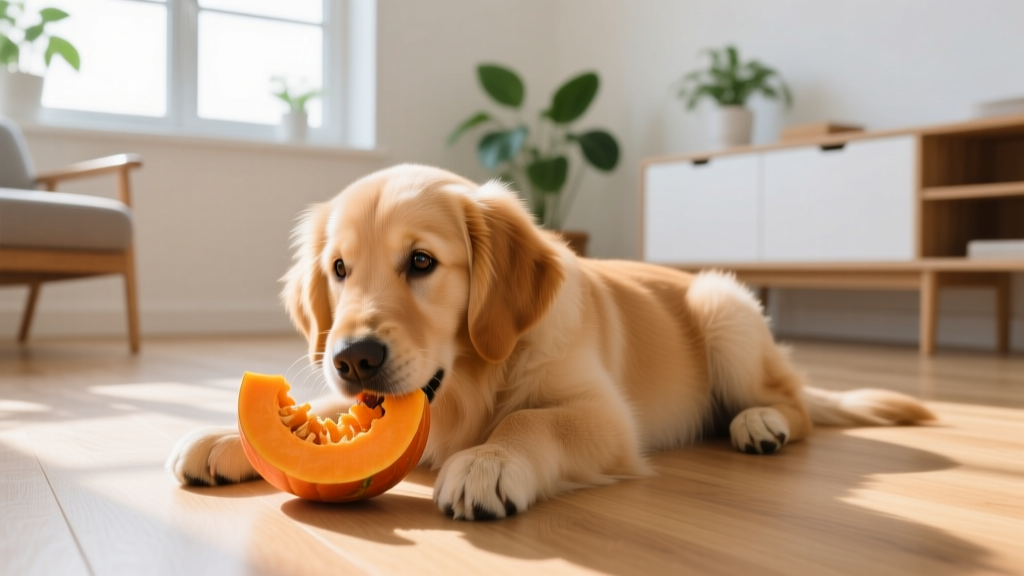
What Is Acute Diarrhea in Dogs?
Canine acute diarrhea is defined as the sudden onset of loose, watery, or unformed stools lasting less than 14 days. It is one of the most common reasons dogs are presented at veterinary clinics — the AVMA lists gastrointestinal upset among the top five canine health complaints reported by pet owners annually.
Diarrhea occurs when the intestines cannot properly absorb water and nutrients from digested food. This can result from dietary indiscretion (eating garbage, table scraps, or sudden diet changes), parasitic infections (giardia, coccidia, roundworms), bacterial overgrowth, viral pathogens (parvovirus in unvaccinated dogs), stress, food intolerances, or underlying conditions like inflammatory bowel disease (IBD) or exocrine pancreatic insufficiency (EPI).
This is where pumpkin enters the picture. Plain pumpkin is rich in soluble fiber — specifically pectin — which absorbs excess water in the intestinal tract, adds bulk to stool, and slows gastrointestinal transit time. The Merck Veterinary Manual notes that dietary fiber supplementation is a recognized supportive therapy for mild gastrointestinal disturbances in companion animals.
However, pumpkin is a supportive measure, not a cure. It will not treat parasitic infections, viral diseases, foreign body obstructions, or systemic illness. Understanding when pumpkin is appropriate — and when your dog needs professional veterinary care — is the difference between a two-day recovery and a life-threatening delay.
Symptoms Checklist: Is Your Dog's Diarrhea Mild or Serious?
Not all diarrhea is equal. Use this severity checklist to determine whether home management with pumpkin is appropriate or whether your dog needs veterinary attention.
| Severity Level | Symptoms | Action |
|---|---|---|
| Mild (Early Warning) | Soft or loose stool (formed but not firm); slightly increased frequency (1–2 extra bowel movements/day); normal appetite; normal energy level; no vomiting | Home care: pumpkin + bland diet, monitor 24–48 hours |
| Moderate | Watery or completely unformed stool; 3+ episodes in 24 hours; mild decrease in appetite; slight lethargy; mild straining; mucus visible in stool | Begin pumpkin + bland diet; if no improvement within 24 hours, call vet |
| Severe (Advanced) | Blood in stool (bright red or dark/tarry); vomiting alongside diarrhea; refusal to eat or drink; pronounced lethargy or weakness; abdominal pain or bloating; fever (rectal temp > 103.5°F / 39.7°C); pale gums; signs of dehydration (tacky gums, skin tenting) | Emergency — contact vet or emergency clinic immediately |
Risk Factors: Which Dogs Are Most Prone to Diarrhea?
Key Risk Factors for Canine Diarrhea
- Age: Puppies (under 1 year) and senior dogs (over 8 years) have less gastrointestinal resilience. Puppies face higher infectious disease risk; seniors are more prone to underlying conditions like IBD and pancreatic insufficiency.
- Breed Predisposition: German Shepherds are overrepresented for EPI and IBD. Yorkshire Terriers, Miniature Schnauzers, and Shih Tzus have higher rates of food sensitivities. Great Danes and other giant breeds are at risk for acute hemorrhagic diarrhea syndrome (AHDS). Boxers are predisposed to histiocytic ulcerative colitis.
- Diet History: Dogs on frequent diet changes, those with access to garbage or compost, and raw-fed dogs (higher Salmonella/Campylobacter exposure per FDA data) have elevated risk.
- Environment: Dogs in boarding facilities, dog daycares, shelters, or multi-dog households face higher pathogen exposure. Stress-induced colitis is common in recently rehomed or boarded dogs.
- Medication Use: NSAIDs (carprofen, meloxicam), antibiotics (especially broad-spectrum like amoxicillin-clavulanate), and corticosteroids can disrupt gut flora and trigger diarrhea.
- Parasite Exposure: Dogs that frequent dog parks, drink from standing water, or have not been dewormed in the last 6 months are at higher risk for giardia, coccidia, and helminth infections.
How Is the Cause of Diarrhea Diagnosed?
If your dog's diarrhea persists beyond 48 hours, contains blood, or is accompanied by systemic symptoms, your veterinarian will begin a diagnostic workup to identify the underlying cause rather than simply treating the symptom. Here is what to expect during a typical veterinary visit for diarrhea:
- Physical Examination ($55–$95): The vet will assess hydration status (skin tent test, gum moisture), check rectal temperature (normal: 101.0–102.5°F / 38.3–39.2°C), palpate the abdomen for pain, masses, or foreign bodies, and perform a rectal exam to evaluate stool character and check for rectal polyps or strictures.
- Fecal Floatation & Giardia Antigen Test ($40–$75): A fecal sample is analyzed under a microscope to detect parasite eggs (roundworm, hookworm, whipworm) and protozoal cysts. A SNAP Giardia test detects Giardia antigen directly. This is usually the first diagnostic step for any dog with diarrhea lasting more than a day.
- Complete Blood Count & Chemistry Panel ($120–$250): CBC reveals infection, anemia, or dehydration markers. The chemistry panel evaluates kidney function (BUN, creatinine), liver enzymes (ALT, ALP), electrolyte balance (sodium, potassium), and protein levels (albumin). Low albumin can indicate protein-losing enteropathy.
- Canine Pancreatic Lipase (cPL) Test ($85–$140): If pancreatitis is suspected — especially in Miniature Schnauzers, Yorkshire Terriers, or dogs with a high-fat meal history — this test measures pancreatic inflammation. Acute pancreatitis commonly presents with simultaneous vomiting and diarrhea.
- Abdominal Imaging — X-ray or Ultrasound ($200–$500): Radiographs can reveal foreign bodies, intestinal obstruction, or intussusception. Ultrasound provides detailed visualization of intestinal wall thickness (thickened walls suggest IBD or lymphoma), lymph node enlargement, and pancreatic changes.
- Advanced Diagnostics (when indicated): PCR fecal panels ($150–$250) test for multiple bacterial and viral pathogens simultaneously. Endoscopy with intestinal biopsy ($1,200–$2,500) is the gold standard for diagnosing IBD vs. intestinal lymphoma. Cobalamin (B12) and folate levels help localize small vs. large intestinal disease.
How Pumpkin Works for Dog Diarrhea — and How to Use It Correctly
Pumpkin's effectiveness for mild canine diarrhea comes from its soluble fiber content, primarily pectin and mucilage. Here is the mechanism: soluble fiber dissolves in water within the intestinal tract to form a gel-like substance. This gel absorbs excess fluid, slows transit time, and provides a fermentable substrate for beneficial gut bacteria (producing short-chain fatty acids like butyrate, which nourish colon cells and reduce inflammation).
Choosing the Right Pumpkin
Only use 100% pure canned pumpkin — not pumpkin pie filling, which contains sugar, spices (some pumpkin pie spice blends contain nutmeg, which is toxic to dogs in sufficient quantity), and other additives. Check the ingredient label: it should read "pumpkin" and nothing else. Brands like Libby's 100% Pure Pumpkin and Farmer's Market Organic Pumpkin are widely available and consistently safe.
You can also cook and puree fresh pumpkin (sugar pumpkins or pie pumpkins, not carving jack-o'-lantern types, which are stringy and nutritionally poor). Bake at 375°F (190°C) for 45–60 minutes until fork-tender, scoop out the flesh, and puree in a food processor. Freeze portions in ice cube trays for convenient dosing — each standard ice cube holds approximately 2 tablespoons.
Pumpkin Dosage by Dog Weight
| Dog Weight | Pumpkin per Meal | Frequency | Maximum Daily Amount |
|---|---|---|---|
| Under 10 lb (4.5 kg) | 1–2 teaspoons | 2x daily with meals | 4 teaspoons (1.3 Tbsp) |
| 10–25 lb (4.5–11 kg) | 1–2 tablespoons | 2x daily with meals | 4 tablespoons |
| 25–50 lb (11–23 kg) | 2–3 tablespoons | 2x daily with meals | 6 tablespoons |
| 50–75 lb (23–34 kg) | 3–4 tablespoons | 2x daily with meals | 8 tablespoons (½ cup) |
| Over 75 lb (34+ kg) | 4–5 tablespoons | 2x daily with meals | 10 tablespoons |
When Pumpkin Will NOT Help
Pumpkin is a fiber supplement, not a medication. It will not resolve diarrhea caused by:
- Parasitic infections (giardia, coccidia, worms) — requires specific deworming medication like fenbendazole or metronidazole
- Bacterial infections (Salmonella, Campylobacter, Clostridium perfringens) — may require targeted antibiotics based on fecal culture
- Parvovirus — requires intensive supportive care including IV fluids, anti-nausea medication, and sometimes hospitalization
- Foreign body obstruction — requires surgical or endoscopic removal
- Hemorrhagic gastroenteritis (HGE/AHDS) — requires aggressive fluid therapy; can be fatal within 24 hours without treatment
- Pancreatitis — requires low-fat diet management, pain control, and often hospitalization
- IBD or intestinal lymphoma — requires long-term immunosuppressive therapy or chemotherapy
Treatment Options Compared: Home Care vs. Veterinary Intervention
| Treatment Approach | When Appropriate | Typical Protocol | Expected Outcome |
|---|---|---|---|
| Pumpkin + Bland Diet (Home) | Mild, acute diarrhea in an otherwise healthy adult dog; no blood, vomiting, or lethargy | Pumpkin dosed by weight + chicken/rice 3–4 small meals daily for 2–3 days, then gradual transition to regular food | Resolution in 24–72 hours for simple dietary indiscretion; success rate estimated 70–80% for mild uncomplicated cases |
| Probiotic Supplementation | Alongside bland diet for mild cases; post-antibiotic gut flora restoration; stress colitis | Veterinary-specific probiotic (e.g., Purina FortiFlora, Proviable-DC) — 1 capsule/packet daily for 5–14 days | Reduces duration of acute diarrhea by approximately 1 day per clinical studies; supports microbiome recovery |
| Prescription Anti-Diarrheal Medication | Moderate diarrhea not responding to diet change; vet-directed treatment | Metronidazole (10–25 mg/kg BID for 5–7 days) or tylosin (20 mg/kg BID for 7–14 days); sometimes combined with probiotics | Effective for bacterial overgrowth and protozoal infections; note: metronidazole resistance is increasing, and the AVMA recommends culture-guided antibiotic use |
| Deworming Protocol | Confirmed parasitic infection via fecal floatation or antigen test | Fenbendazole (50 mg/kg daily for 3–5 days) for giardia/nematodes; ponazuril for coccidia; praziquantel for tapeworms | High cure rate (>90%) for most parasites; giardia may require a second round of treatment in 10–15% of cases |
| Hospitalization & IV Fluids | Severe dehydration, parvovirus, AHDS, pancreatitis, intestinal obstruction | IV crystalloid fluids, anti-emetics (maropitant/Cerenia), pain management, NPO (nothing by mouth) period, gradual diet reintroduction | Parvo survival rate ~80–95% with aggressive treatment; AHDS typically resolves in 2–5 days with fluid therapy; obstruction requires surgical intervention |
Prognosis and Recovery Timelines
Recovery expectations depend entirely on the underlying cause, not just the symptom of diarrhea itself:
| Cause / Severity | Typical Recovery Time | Prognosis |
|---|---|---|
| Dietary indiscretion (mild) | 24–72 hours | Excellent — full recovery expected with supportive home care |
| Stress colitis | 2–5 days | Excellent — may recur with future stress events; manageable with probiotics and fiber |
| Parasitic infection (giardia, worms) | 5–14 days after treatment begins | Excellent with appropriate deworming; reinfection possible if environment not managed |
| Bacterial gastroenteritis | 5–10 days with antibiotics | Good to excellent; some dogs develop post-infectious IBS requiring long-term fiber/probiotic support |
| Acute hemorrhagic diarrhea syndrome (AHDS) | 3–7 days with hospitalization | Good with prompt treatment (>90% survival); poor without treatment — can be fatal within 24 hours |
| Parvovirus | 5–10 days hospitalized; 2–3 weeks full recovery | Guarded to fair — 80–95% survival with intensive treatment; <10% survival without treatment |
| Chronic IBD | Ongoing management (months to lifelong) | Fair to good with dietary management and immunosuppressive therapy; not curable but controllable in most cases |
Cost of Diarrhea Treatment: What to Budget
Treatment costs vary dramatically depending on severity. Here are realistic 2026 price ranges based on typical US veterinary pricing (urban and suburban clinics; rural clinics may be 15–25% lower):
- Home care only (pumpkin + bland diet): $5–$20 for food and pumpkin supplies
- Basic vet visit with fecal test: $150–$275 (exam + fecal floatation + Giardia SNAP test)
- Comprehensive diagnostic workup: $400–$800 (exam, fecal panel, CBC, chemistry, cPL)
- Prescription medication course: $25–$80 for metronidazole or tylosin; $40–$90 for deworming protocols
- Outpatient treatment with subcutaneous fluids: $200–$400 per visit
- Hospitalization (parvo, AHDS, severe pancreatitis): $1,500–$5,000+ depending on duration (typically 2–5 days at $500–$1,500/day)
- Emergency surgery for intestinal obstruction: $3,000–$7,000
- Advanced diagnostics (endoscopy + biopsy): $1,200–$2,500
For context, a typical mild diarrhea case that resolves with a single vet visit, fecal test, and a course of metronidazole will cost roughly $200–$350 total. Pet insurance with accident-and-illness coverage typically reimburses 70–90% of these costs after the deductible, making it a cost-effective safety net for gastrointestinal episodes.
When to Call the Vet Immediately
🚨 Red-Flag Symptoms — Do NOT Wait
Contact your veterinarian or an emergency veterinary clinic immediately if your dog shows any of the following:
- Blood in stool — either bright red (hematochezia) or dark, tarry black (melena)
- Diarrhea combined with vomiting (especially if unable to keep water down)
- Diarrhea lasting more than 48 hours despite home care
- Signs of dehydration: dry/tacky gums, sunken eyes, skin that does not snap back when gently pinched
- Lethargy, weakness, collapse, or inability to stand
- Abdominal distension (bloated belly) or obvious pain when the abdomen is touched
- Fever above 103.5°F (39.7°C) or hypothermia below 99°F (37.2°C)
- Pale or white gums (indicates internal bleeding or shock)
- Known or suspected ingestion of a toxic substance, foreign object, or human medication
- Unvaccinated puppy with any diarrhea (parvovirus risk)
ASPCA Animal Poison Control: (888) 426-4435 — available 24/7 if you suspect your dog ingested something toxic. A consultation fee of approximately $95 applies.
Prevention: Reducing Future Diarrhea Episodes
While not all diarrhea is preventable, you can significantly reduce frequency and severity with these evidence-based strategies:
- Consistent diet: Avoid sudden food changes. When transitioning to a new food, mix gradually over 7–10 days (25% new / 75% old for days 1–3, 50/50 for days 4–6, 75% new / 25% old for days 7–9, 100% new by day 10).
- Secure trash and compost: Dietary indiscretion — eating spoiled food, bones, or fatty scraps — is the single most common cause of acute diarrhea in dogs.
- Regular deworming: The Companion Animal Parasite Council (CAPC) recommends fecal testing 2–4 times per year and year-round heartworm/intestinal parasite prevention.
- Probiotic maintenance: A daily veterinary-formulated probiotic (containing Enterococcus faecium SF68 or Lactobacillus acidophilus) can help maintain gut flora stability, particularly for dogs with a history of stress colitis or antibiotic-associated diarrhea.
- Limit high-fat treats: Table scraps, fatty chew treats, and rich commercial treats can trigger pancreatitis — especially in predisposed breeds like Miniature Schnauzers.
- Vaccination compliance: Keep DHPP (distemper, hepatitis, parainfluenza, parvovirus) vaccinations current. Parvovirus is almost entirely preventable with proper vaccination.
- Daily pumpkin for sensitive dogs: Some dogs with chronic mild loose stools benefit from a small daily dose of pumpkin (half the therapeutic dose listed above) as ongoing fiber supplementation. Consult your vet before making this a permanent addition.
Frequently Asked Questions
Can I give my dog pumpkin every day for diarrhea?
For an acute episode, yes — feed the weight-appropriate dose with each meal for 2–3 days until stool firms up. For chronic loose stools, a smaller daily maintenance dose may be appropriate, but discuss this with your veterinarian first. Persistent loose stools lasting more than two weeks warrant a veterinary workup for underlying conditions like IBD, food allergy, or EPI, not indefinite pumpkin supplementation.
Is pumpkin safe for all dogs?
Plain canned or cooked pumpkin is safe for the vast majority of dogs. However, dogs with diabetes should use pumpkin cautiously due to its carbohydrate content (approximately 12g carbs per cup of canned pumpkin) — consult your vet for appropriate dosing. Dogs on potassium-restricted diets (some kidney disease patients) should also be monitored, as pumpkin contains approximately 505mg potassium per cup. Pumpkin seeds are not toxic but are difficult to digest and should be removed or ground finely before feeding.
How quickly does pumpkin work for dog diarrhea?
Most owners see improvement in stool consistency within 12–24 hours of the first pumpkin-supplemented meal. Full resolution of mild dietary-indiscretion diarrhea typically occurs within 24–72 hours when combined with a bland diet. If there is no improvement after 48 hours of pumpkin and bland diet, the underlying cause is likely not simple dietary upset and veterinary diagnosis is needed.
Can I use pumpkin pie filling instead of plain pumpkin?
No. Pumpkin pie filling contains added sugars, spices, and sometimes xylitol (an artificial sweetener that is highly toxic to dogs, causing rapid hypoglycemia and liver failure). Even "natural" pumpkin pie spice blends may contain nutmeg, which in sufficient quantities causes hallucinations, increased heart rate, and seizures in dogs. Always verify the ingredient list reads only "pumpkin."
What other foods help firm up dog stool besides pumpkin?
Plain white rice (low-fiber, easily digestible), boiled skinless chicken breast, plain boiled potatoes (no skin, no seasoning), and canned sweet potato (100% pure, like pumpkin) are all bland, binding foods. Some veterinarians also recommend a spoonful of plain, unsweetened applesauce (no xylitol) for its pectin content. Commercial veterinary gastrointestinal diets like Hill's i/d, Royal Canin GI, or Purina EN are specifically formulated for digestive recovery and are nutritionally complete, unlike homemade bland diets which should only be fed short-term (3–5 days maximum).
Should I fast my dog when they have diarrhea?
Current veterinary consensus has shifted away from prolonged fasting. For adult dogs, a brief 12-hour fast (water always available) followed by small, frequent bland meals is generally appropriate. Do not fast puppies, toy breeds (under 10 lb), or diabetic dogs — these dogs are at risk for hypoglycemia and should be offered small bland meals immediately. Always consult your veterinarian before withholding food from any dog.
Veterinary Disclaimer: This article is for educational purposes and does not replace professional veterinary advice. If your dog is experiencing persistent diarrhea, blood in stool, vomiting, lethargy, or any concerning symptoms, consult your veterinarian promptly. Home remedies like pumpkin are appropriate only for mild, uncomplicated cases in otherwise healthy adult dogs.
Aaron Whyte
All our authors care for dogs every day — read more of their work on the authors page.


