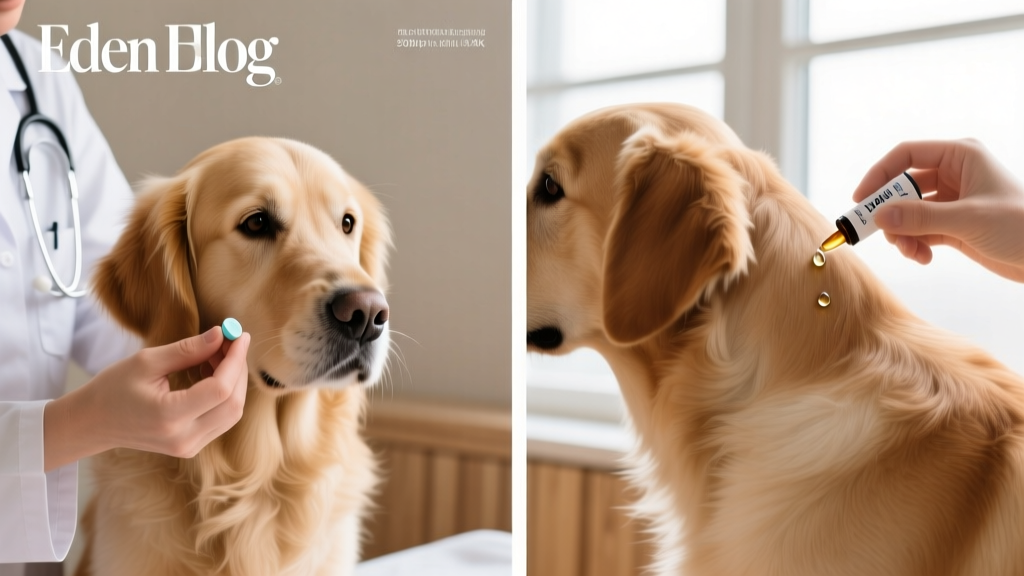
Dog Diabetes Treatment: A Complete Guide to Managing Canine Diabetes
Comprehensive guide to dog diabetes treatment covering symptoms, diagnosis, insulin therapy, costs, & life expectancy.

Understanding Canine Diabetes Mellitus
Canine diabetes mellitus is a metabolic disorder where the pancreas either fails to produce sufficient insulin (Type 1-like, most common in dogs) or the body's cells become resistant to insulin's effects (Type 2-like, rare in dogs). Insulin is the hormone responsible for regulating blood glucose levels, and without adequate function, glucose accumulates in the bloodstream while cells starve for energy.
According to veterinary epidemiological data, diabetes affects approximately 1 in 300 dogs, though prevalence appears to be rising alongside increasing canine obesity rates. Unlike humans, the vast majority of diabetic dogs have insulin-dependent diabetes mellitus (IDDM), meaning they require lifelong insulin injections to survive. The condition is most frequently diagnosed in middle-aged to senior dogs, typically between 7 and 9 years of age.
Successful dog diabetes treatment hinges on a combination of consistent insulin administration, dietary management, regular monitoring, and close collaboration with your veterinarian. While diabetes cannot be cured in dogs, modern treatment protocols allow most well-managed diabetic dogs to live full, active lives with a good quality of life.
Recognizing the Symptoms of Diabetes in Dogs
Early detection significantly improves long-term outcomes. Diabetes symptoms develop gradually, and many owners miss the initial warning signs. Use this checklist to assess your dog's current condition:
| Severity Level | Symptoms | Notes |
|---|---|---|
| Early Warning Signs |
|
These signs may develop over weeks to months. Owners often notice larger water bowls emptied daily or more frequent house accidents in previously house-trained dogs. |
| Progressive Symptoms |
|
At this stage, blood glucose levels are consistently elevated. Cataracts develop in approximately 80% of diabetic dogs within the first year of diagnosis. |
| Advanced/Emergency Signs |
|
These may indicate diabetic ketoacidosis (DKA) or severe hypoglycemia — both are life-threatening emergencies requiring immediate veterinary intervention. |
If your dog exhibits any advanced/emergency symptoms — especially vomiting combined with lethargy, collapse, or rapid breathing — contact your veterinarian or an emergency veterinary hospital immediately. Diabetic ketoacidosis can be fatal within hours without aggressive treatment. For suspected insulin overdose (seizures, disorientation after an injection), rub corn syrup or honey on your dog's gums and seek emergency care.
ASPCA Animal Poison Control: (888) 426-4435 (24/7, consultation fee applies) — call if your dog accidentally ingests human diabetes medications or receives an incorrect insulin dose.
Risk Factors: Which Dogs Are Most Likely to Develop Diabetes?
While any dog can develop diabetes, several factors increase susceptibility significantly:
Key Risk Factors for Canine Diabetes
- Breed Predisposition: Australian Terriers, Standard Schnauzers, Samoyeds, Keeshonds, Foxhounds, Cairn Terriers, Beagles, Dachshunds, Pugs, and Miniature Poodles show higher incidence rates.
- Age: Peak onset occurs between 7–9 years, though juvenile diabetes can appear in dogs under 1 year.
- Sex and Reproductive Status: Unspayed females are approximately twice as likely to develop diabetes as males, likely due to hormonal fluctuations during estrus and pregnancy that affect insulin sensitivity.
- Obesity: While obesity is more strongly linked to Type 2 diabetes in cats, excess body weight in dogs contributes to insulin resistance and complicates management.
- Concurrent Conditions: Cushing's disease (hyperadrenocorticism), hypothyroidism, chronic pancreatitis, and immune-mediated diseases increase diabetes risk.
- Medication History: Prolonged use of glucocorticoids (such as prednisone) or progestins can trigger diabetes in predisposed dogs.
- Genetics: Certain family lines within breeds show higher rates, suggesting heritable components involving the dog leukocyte antigen (DLA) complex.
How Veterinarians Diagnose Diabetes in Dogs
Diagnosis requires more than observing symptoms — several conditions mimic diabetes, including Cushing's disease, kidney disease, and urinary tract infections. Your veterinarian will follow a systematic diagnostic process:
- Complete Blood Count (CBC): Evaluates red and white blood cell counts. May reveal dehydration (elevated red blood cell concentration) or concurrent infection (elevated white blood cells). Typical cost: $80–$150.
- Serum Biochemistry Panel: Measures blood glucose, liver enzymes (ALT, ALP), kidney values (BUN, creatinine), electrolytes, and cholesterol. Persistent fasting hyperglycemia above 200 mg/dL strongly suggests diabetes. Typical cost: $100–$200.
- Urinalysis: Checks for glucose in the urine (glucosuria), ketones, specific gravity, and signs of infection. Glucose in urine confirms that blood glucose has exceeded the renal threshold (~180 mg/dL). Typical cost: $40–$80.
- Fructosamine Test: Measures average blood glucose over the preceding 2–3 weeks, helping differentiate diabetes from stress hyperglycemia (common in anxious dogs at the vet). Typical cost: $60–$120.
- Additional Testing (as needed): Abdominal ultrasound ($300–$500) to evaluate the pancreas and adrenal glands; urine culture ($80–$150) if UTI is suspected; ACTH stimulation test ($150–$250) to rule out Cushing's disease.
Total initial diagnostic costs typically range from $300 to $800 for a straightforward case, or $800 to $1,500+ if complications like DKA or concurrent Cushing's disease are suspected.
Dog Diabetes Treatment Options and Protocols
Treatment depends on the severity at diagnosis. Dogs presenting in stable condition (uncomplicated diabetes) follow a different protocol than those in DKA.
| Treatment Component | Uncomplicated Diabetes | Diabetic Ketoacidosis (DKA) |
|---|---|---|
| Initial Setting | Outpatient management at home | Hospitalization (ICU-level care) for 2–7 days |
| Insulin Type | Intermediate-acting (NPH/Caninsulin/Vetsulin) or long-acting (glargine/Lantus, detemir/Levemir) | Short-acting regular insulin (Humulin R) via CRI initially, then transition to intermediate/long-acting |
| Insulin Administration | Subcutaneous injection, typically twice daily (every 12 hours) | Intravenous or intramuscular initially; subcutaneous once stabilized |
| Fluid Therapy | Not typically required | IV crystalloid fluids (0.9% NaCl or LRS) with electrolyte supplementation (potassium, phosphate) |
| Monitoring | Home glucose curves or continuous glucose monitors (FreeStyle Libre); vet rechecks every 1–3 months | Blood glucose checked every 1–2 hours; electrolytes every 4–6 hours |
| Dietary Management | High-fiber, complex-carbohydrate prescription diet; consistent meal timing aligned with insulin peaks | Nutritional support once vomiting resolves; gradual transition to diabetic diet |
| Estimated Initial Cost | $300–$800 (diagnostics) + $150–$400 (supplies + first month insulin) | $2,000–$6,000+ (hospitalization, intensive monitoring, medications) |
| Stabilization Timeline | 4–12 weeks to achieve regulation | 3–7 days for crisis stabilization, then 4–12 weeks for full regulation |
Insulin Types Used in Dogs
The choice of insulin affects dosing frequency, cost, and regulation success:
- Vetsulin (porcine insulin zinc suspension): FDA-approved specifically for dogs. Intermediate-acting, typically dosed twice daily. Cost: approximately $30–$50 per vial (lasts 4–6 weeks for a medium dog). This is often the first-line choice.
- NPH (Novolin N, Humulin N): Human recombinant intermediate-acting insulin. Similar profile to Vetsulin but may be less expensive. Cost: $25–$45 per vial.
- Glargine (Lantus): Long-acting insulin. Some dogs achieve once-daily dosing, though twice-daily is often needed. Cost: $45–$80 per vial. May provide smoother glucose curves.
- Detemir (Levemir): Long-acting insulin with potent effect in dogs. Often requires lower doses than other insulins. Cost: $50–$90 per vial. Studies from the University of Melbourne showed good glycemic control in dogs.
Your veterinarian will determine the appropriate insulin type and starting dose based on your dog's weight, typically beginning at 0.25–0.5 units per kilogram of body weight, administered twice daily. Doses are adjusted based on glucose curve results over subsequent weeks.
Dietary Management for Diabetic Dogs
Nutrition is as critical as insulin in managing canine diabetes. Key principles include:
- Prescription diabetic diets: Formulations like Hill's Prescription Diet w/d, Royal Canin Diabetic, or Purina Pro Plan Veterinary Diets DCO are specifically designed with high fiber and complex carbohydrates to slow glucose absorption.
- Consistent feeding schedule: Feed measured meals at the same times each day, ideally coinciding with insulin injections (feed half the daily ration at each injection).
- Avoid high-sugar treats: Semi-moist commercial treats often contain simple sugars. Opt for low-calorie, high-fiber treats or vegetables like green beans and carrots.
- Maintain ideal body weight: Both obesity and underweight status complicate regulation. Work with your vet to determine your dog's ideal body condition score (BCS 4–5 on the 9-point scale).
Continuous Glucose Monitoring (CGM)
The FreeStyle Libre system (Abbott) has transformed home glucose monitoring for diabetic dogs. A small sensor applied to the back of the neck provides continuous interstitial glucose readings for up to 14 days, eliminating the stress of repeated blood draws. The sensor costs approximately $60–$80, and a compatible reader costs $70–$100 (though many owners use the smartphone app). This technology allows veterinarians to see complete glucose curves remotely and make more precise insulin adjustments.
Prognosis and Life Expectancy for Diabetic Dogs
| Stage at Diagnosis | Expected Outcome | Life Expectancy |
|---|---|---|
| Uncomplicated diabetes (stable, no DKA) | Good to excellent with consistent management. Most dogs achieve regulation within 1–3 months. | Normal or near-normal life expectancy. Studies show well-regulated diabetic dogs live an average of 2–4+ years post-diagnosis, with many living 5+ years. |
| DKA at presentation | Guarded initially. Survival to discharge from hospitalization is approximately 70–80% with aggressive treatment. | If the dog survives the initial crisis and achieves regulation, long-term prognosis is similar to uncomplicated cases. However, DKA recurrence risk is higher. |
| Diabetes with comorbidities (Cushing's, pancreatitis, renal disease) | More challenging to regulate. Insulin requirements may fluctuate. Requires management of all concurrent conditions. | Variable — depends heavily on severity of comorbidities. Some dogs with well-managed Cushing's and diabetes live 2–3+ years. Chronic pancreatitis may shorten lifespan. |
| Poorly regulated diabetes (persistent hyperglycemia despite treatment) | Guarded. Chronic hyperglycemia leads to cataracts, neuropathy, recurrent infections, and organ damage. | Reduced quality of life and potentially shortened lifespan. Referral to a veterinary internal medicine specialist may improve outcomes. |
The most significant factor affecting prognosis is owner compliance — dogs whose owners maintain consistent insulin schedules, dietary management, and regular veterinary monitoring have dramatically better outcomes than those with inconsistent care.
Home Care and Daily Management
Managing a diabetic dog requires commitment to a structured daily routine. Here is what a typical day looks like:
- Morning (e.g., 7:00 AM): Feed measured breakfast. Administer insulin injection subcutaneously within 30 minutes of eating. Check for signs of hypoglycemia (trembling, disorientation, weakness).
- Midday: Monitor water intake and urination frequency. Maintain consistent exercise (a moderate 20–30 minute walk is ideal — avoid sudden intense exercise that could cause hypoglycemia).
- Evening (e.g., 7:00 PM): Feed measured dinner. Administer second insulin injection. Try to keep the interval between injections as close to 12 hours as possible.
- Ongoing: Perform home glucose monitoring as directed by your veterinarian. Keep a daily log of appetite, water consumption, urination, activity level, and any glucose readings.
Insulin Injection Technique
Administering insulin injections is simpler than most owners anticipate. Follow these steps:
- Always use U-40 syringes for Vetsulin/Caninsulin or U-100 syringes for human insulins — using the wrong syringe can cause a 2.5x dosing error.
- Gently roll (do not shake) the insulin vial to resuspend. Vetsulin must be thoroughly mixed until uniformly milky.
- Lift a fold of skin along the dog's side (alternating left and right sides prevents injection site reactions).
- Insert the needle at a 45-degree angle into the skin tent, aspirate gently to ensure you are not in a blood vessel, and depress the plunger smoothly.
- Never recap needles with your fingers — use a one-handed scoop technique or dispose directly in a sharps container.
Handling Hypoglycemic Emergencies at Home
Hypoglycemia (blood glucose below 60 mg/dL) can occur if your dog receives too much insulin, misses a meal, or exercises excessively. Signs include trembling, confusion, stumbling, seizures, and collapse.
Immediate action: Rub 1–2 tablespoons of corn syrup, honey, or maple syrup directly onto your dog's gums. Do not attempt to pour liquid into the mouth of a seizing or unconscious dog (aspiration risk). Offer food once your dog is alert. Contact your veterinarian immediately for further guidance, even if your dog appears to recover — the underlying insulin dose needs adjustment.
The Cost of Dog Diabetes Treatment
Understanding the financial commitment helps owners plan realistically:
| Expense Category | Estimated Cost Range | Frequency |
|---|---|---|
| Initial diagnostic workup (blood work, urinalysis, fructosamine) | $300–$800 | One-time |
| Insulin (Vetsulin, NPH, glargine, or detemir) | $30–$90 per vial | Every 4–8 weeks |
| Insulin syringes (box of 100) | $15–$30 | Every 2–3 months |
| Prescription diabetic diet | $50–$90 per bag (25–30 lb) | Monthly to bi-monthly |
| FreeStyle Libre sensor | $60–$80 per sensor | Every 14 days (during regulation) |
| Veterinary rechecks with glucose curves | $150–$350 per visit | Monthly during regulation, then every 3–6 months |
| Fructosamine rechecks | $60–$120 | Every 3–6 months once regulated |
| Cataract surgery (phacoemulsification) | $2,500–$5,000 per eye | One-time (if elected) |
| DKA emergency hospitalization | $2,000–$6,000+ | As needed (emergency) |
First-year total estimate: $1,500–$4,000 for a stable diabetic dog, or $4,000–$8,000+ if DKA hospitalization is required. Ongoing annual costs after regulation: $1,200–$2,500.
Pet insurance may cover diabetes treatment if the condition develops after the policy's effective date and waiting period. However, diabetes is typically classified as a chronic condition requiring lifelong management, so review your policy's annual and lifetime limits carefully. Some policies cap chronic condition payouts at $5,000–$10,000 per year.
Prevention Strategies and Breed Considerations
While insulin-dependent diabetes cannot always be prevented (especially in genetically predisposed breeds), several strategies reduce risk:
- Spay intact females: Removing the hormonal fluctuations of estrus cycles significantly reduces diabetes risk in female dogs. Unspayed females with diabetes are notoriously difficult to regulate due to progesterone-induced insulin resistance.
- Maintain healthy body weight: Keep your dog at a body condition score of 4–5 (on the 9-point scale). Excess adipose tissue promotes systemic inflammation and insulin resistance.
- Avoid unnecessary glucocorticoids: Long-term prednisone or other steroid use increases diabetes risk. Discuss alternative treatments with your veterinarian when possible.
- Manage concurrent diseases: Early treatment of Cushing's disease, pancreatitis, and hypothyroidism may reduce secondary diabetes risk.
- Regular veterinary wellness exams: Annual or biannual blood work can catch rising glucose levels or other metabolic changes before clinical diabetes develops.
Breeds With Elevated Diabetes Risk
According to data referenced in the Merck Veterinary Manual, the following breeds show higher-than-average diabetes incidence:
- Australian Terrier
- Standard Schnauzer
- Samoyed
- Keeshond
- Cairn Terrier
- Foxhound
- Beagle
- Miniature Poodle
- Dachshund
- Pug
If you own one of these breeds, discuss diabetes screening with your veterinarian starting at age 7, particularly if your dog is overweight or has other risk factors.
Frequently Asked Questions About Dog Diabetes Treatment
Can diabetes in dogs be cured?
No. Unlike some cases of feline diabetes, canine diabetes is almost always permanent and insulin-dependent. However, rare exceptions exist — diabetes secondary to pancreatitis or diestrus (hormonal phase after heat) may resolve if the underlying cause is treated. In the vast majority of cases, lifelong insulin therapy is required.
What is the life expectancy of a dog with diabetes?
Well-regulated diabetic dogs typically live 2–5+ years after diagnosis, and many die of unrelated causes at a normal age. A study published in the Journal of the American Veterinary Medical Association found that dogs who survive the initial regulation period have a median survival time comparable to age-matched non-diabetic dogs. The key variables are owner compliance, absence of severe comorbidities, and consistent veterinary monitoring.
Are there oral medications for dog diabetes?
Oral hypoglycemic agents (like glipizide or metformin) used in human and feline Type 2 diabetes are generally ineffective in dogs because most dogs have Type 1-like insulin-dependent diabetes. Insulin injections remain the standard of care. Some supplements (chromium, vanadium, alpha-lipoic acid) have been studied but lack sufficient evidence for clinical recommendation. Always consult your veterinarian before adding any supplements.
Will my diabetic dog go blind?
Diabetic cataracts develop in approximately 80% of diabetic dogs, often within the first year of diagnosis, even with well-regulated blood glucose. Cataracts progress from partial to complete lens opacity and can cause blindness. However, phacoemulsification surgery performed by a veterinary ophthalmologist has a success rate of approximately 90–95% and can restore vision. Many dogs also adapt remarkably well to blindness, navigating familiar environments with confidence using their other senses.
Can I feed my diabetic dog regular dog food?
While some diabetic dogs can be regulated on a high-quality, consistent diet of non-prescription food (high fiber, moderate protein, low fat, complex carbohydrates), prescription diabetic diets are specifically formulated to minimize post-meal glucose spikes and simplify insulin dosing. Any dietary change should be discussed with your veterinarian, as switching foods requires insulin dose re-evaluation. Never feed semi-moist foods (high in simple sugars) or table scraps to a diabetic dog.
What happens if I miss an insulin dose?
A single missed dose will cause temporary hyperglycemia but is generally not dangerous. Do not double the next dose — simply resume the normal schedule at the next injection time. Contact your veterinarian for guidance if you miss two or more consecutive doses, as your dog may begin developing ketosis. Never adjust insulin doses without veterinary direction.
This article is intended for educational purposes and does not replace professional veterinary advice. Always consult your veterinarian for diagnosis, treatment planning, and ongoing management of canine diabetes. If you suspect your dog has diabetes or is experiencing a diabetic emergency, seek veterinary care immediately.
Marcus Aldridge
All our authors care for dogs every day — read more of their work on the authors page.