Dog Dental Care Products: A Complete Oral Health & Symptom Guide
Expert guide to dog dental care products, oral anatomy, common dental diseases, home exam techniques, and vet-approved prevention strategies.
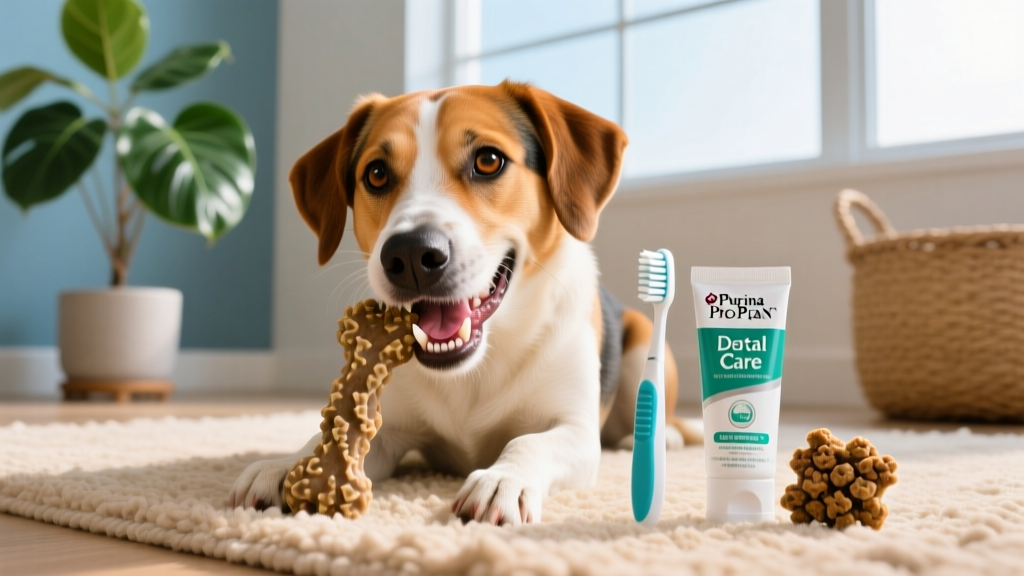
If your dog has ever turned their head away when you lean in for a sniff, or if you've noticed a faint (or not-so-faint) odor drifting from their mouth, you're not alone. According to the American Veterinary Medical Association, over 80% of dogs show signs of periodontal disease by age three. Yet dental health remains one of the most overlooked aspects of canine wellness. Choosing the right dog dental care products isn't just about fresh breath — it's about preventing pain, tooth loss, and systemic infections that can affect the heart, kidneys, and liver.
This guide walks you through your dog's oral anatomy, what healthy versus unhealthy mouths look like, how to perform a home dental exam, and which dental care products actually work based on veterinary recommendations.
Canine Oral Anatomy: How Dog Teeth Differ From Yours
Anatomy Quick Primer
Adult dogs have 42 teeth (humans have 32). Puppies start with 28 deciduous (baby) teeth that erupt between 3-6 weeks of age, with permanent teeth replacing them by roughly 6-7 months.
- Incisors (12): Front teeth used for nibbling and grooming
- Canines (4): The "fangs" — used for gripping and tearing
- Premolars (16): Shearing and chewing, located behind canines
- Molars (10): Grinding surfaces at the back of the mouth
Key difference from humans: Dogs have a larger oral pH (more alkaline at ~7.5 vs. human ~6.5-7.0), which means they're less prone to cavities but more susceptible to plaque mineralization and periodontal disease. Plaque hardens into tartar (calculus) within 24-72 hours in dogs — faster than in humans. This is why daily intervention with dog dental care products matters far more than weekly efforts.
The carnassial teeth (upper fourth premolar and lower first molar) are the largest chewing surfaces and the most common sites for fractures and heavy tartar buildup.
Normal vs. Abnormal: What a Healthy Dog Mouth Looks Like
Before you can spot problems, you need a clear picture of what "normal" looks like. Use this comparison as your baseline:
| Feature | Healthy (Normal) | Concerning (Abnormal) |
|---|---|---|
| Gums | Salmon-pink, firm, stippled texture (some breeds have natural black or spotted pigmentation) | Bright red, swollen, pale/white, bleeding easily, receding from teeth |
| Teeth | White to slightly off-white, smooth surfaces, no visible cracks | Yellow/brown buildup, visible tartar, chipped, loose, or missing teeth |
| Breath | Mild odor (not pleasant, but not offensive) | Foul, putrid, or suddenly changed odor |
| Saliva | Clear, moderate amount | Excessive drooling, blood-tinged, thick/ropey |
| Eating behavior | Eats readily, chews on both sides | Dropping food, chewing on one side, reluctance to eat hard kibble, pawing at mouth |
| Capillary refill time | Press gum — color returns in 1-2 seconds | Takes longer than 2 seconds (may indicate circulation issues) |
Common Dog Dental Problems and Their Symptoms
Understanding what can go wrong helps you catch issues early, before they require expensive veterinary intervention.
| Condition | Description | Key Symptoms | Estimated Vet Cost |
|---|---|---|---|
| Periodontal disease | Progressive inflammation of gums and supporting structures; stages 1-4 | Bad breath, red/swollen gums, tartar, loose teeth, bleeding | $200-$800 (cleaning); $500-$2,500+ (extractions) |
| Tooth fracture | Cracked or broken tooth, often carnassial; may expose pulp | Pain when chewing, visible crack, swelling below eye (for upper carnassial) | $300-$1,500 (extraction or root canal) |
| Gingivitis | Early-stage gum inflammation; reversible with proper care | Red gum line, mild bleeding during brushing, bad breath | $150-$400 (professional cleaning resolves it) |
| Oral tumors | Benign (epulis) or malignant (melanoma, squamous cell carcinoma) growths | Visible mass, difficulty eating, facial swelling, weight loss | $500-$5,000+ (biopsy, surgery, oncology) |
| Retained deciduous teeth | Baby teeth that don't fall out, crowding adult teeth | Two teeth in one position, misaligned bite, food trapping | $100-$300 per tooth extraction |
| Tooth resorption | Progressive destruction of tooth structure from inside (less common in dogs than cats but underdiagnosed) | Pain on touch, "chattering" jaw, visible pink spot on tooth | $200-$600 per extraction |
How to Check Your Dog's Teeth and Gums at Home
A monthly home oral exam takes about 2-3 minutes and can catch problems before they become painful or expensive. Here's a step-by-step technique I recommend to every dog owner:
Step-by-Step Home Dental Exam
- Start calm: Choose a time when your dog is relaxed — after a walk or meal. Sit beside them (not in front, which can feel confrontational). Have treats ready for positive reinforcement.
- Lift the upper lip: Gently raise the jowl on one side using your thumb and forefinger. Start with the canines — they're easiest to see and dogs tolerate this well.
- Check the gum line: Look where the tooth meets the gum. Healthy gums should be snug against the tooth with no redness, swelling, or visible gap (pocket).
- Examine tooth surfaces: Look for yellow-brown tartar (especially on the outer surfaces of premolars and molars), chips, cracks, or discoloration.
- Check the carnassials: Gently open the mouth slightly to view the large back teeth. Look for asymmetry — if one side looks more worn or discolored, that's a red flag.
- Palpate gently: Run your finger along the outside of the jaw from below the eye to the jaw angle. Feel for swellings, bumps, or sensitivity (flinching, pulling away).
- Check under the tongue: If your dog tolerates it, gently lift the lower jaw and look under the tongue for foreign material (sticks, bone fragments) or masses.
- Sniff test: Note the breath odor. A sudden change to putrid or metallic-smelling breath warrants a vet visit.
Pro tip: Pair each exam session with high-value treats (small bits of boiled chicken or freeze-dried liver). Your dog should associate mouth handling with rewards, not stress.
Building a Dog Dental Care Routine at Home
Daily brushing remains the gold standard, but it's not the only tool. Here's a realistic care routine that combines methods based on your dog's tolerance level:
Daily & Weekly Dental Care Checklist
- Daily (ideal): Tooth brushing with enzymatic dog toothpaste — 30-60 seconds per side, focusing on outer surfaces of premolars and canines
- Daily (alternative if brushing isn't tolerated): VOHC-approved dental chew or dental diet kibble
- 3-4x per week: Dental water additive in fresh drinking water
- Weekly: Home oral exam (8-step process above)
- Every 6-12 months: Professional veterinary dental cleaning under anesthesia (frequency depends on breed risk and plaque accumulation rate)
Recommended Dog Dental Care Products by Category
Not all dental products are created equal. The Veterinary Oral Health Council (VOHC) maintains a seal-of-acceptance program that independently verifies product efficacy claims. Look for the VOHC seal when selecting products.
| Category | Top Product Picks | Price Range | Key Details |
|---|---|---|---|
| Enzymatic Toothpaste | Virbac C.E.T. Enzymatic Toothpaste; Sentry Petrodex Enzymatic Toothpaste | $8-$15 (3.5 oz tube) | Dual-enzyme formula; poultry, beef, or malt flavors; never use human toothpaste (fluoride is toxic to dogs) |
| Toothbrush | Virbac C.E.T. Dual-Head Toothbrush; finger brushes (for small dogs or beginners) | $4-$10 | Dual-head design fits canine tooth rows; replace every 3 months |
| Dental Chews | Greenies Original Dental Chews; Purina Pro Plan Veterinary Dental Chews; Whimzees Dental Chews | $15-$35 (monthly supply) | VOHC-accepted; select size appropriate to dog weight to prevent choking; supervise chewing |
| Water Additives | TropiClean Natural Mint Dental Additive; Oxyfresh Pet Dental Solution | $10-$18 (16 oz bottle, lasts 1-2 months) | Add to water bowl daily; tasteless formulas work best for picky drinkers; VOHC-accepted options available |
| Dental Diets | Hill's Prescription Diet t/d; Purina Pro Plan Veterinary Diets DH Dental Health | $45-$75 (15 lb bag) | Kibble designed with larger size and fibrous matrix to scrub teeth mechanically; requires prescription |
| Dental Gels (no-brush) | TropiClean Advanced Dental Gel; Oratene Brushless Toothpaste Gel | $10-$16 | Apply along gum line; enzymatic action works without brushing; good for dogs that resist toothbrushes |
⚠️ Safety Warning: Never use human toothpaste on dogs. Fluoride ingestion can cause vomiting, diarrhea, and in large doses, cardiac arrhythmias. Xylitol (found in some human toothpastes) is extremely toxic to dogs — even small amounts can cause hypoglycemia and liver failure. If your dog ingests human toothpaste, contact ASPCA Animal Poison Control at (888) 426-4435 immediately (24/7, consultation fee applies).
When to See the Vet: Dental Red Flags
🚨 Call Your Veterinarian If You Notice:
- Bleeding from the mouth that doesn't stop within 5 minutes
- Facial swelling, especially below the eye (classic sign of carnassial tooth abscess)
- Refusal to eat for more than 24 hours
- Dropping food or sudden preference for soft food only
- Loose or visibly broken teeth with pink/red pulp exposure
- Persistent foul breath that doesn't improve with home care after 1-2 weeks
- Pawing at the mouth or signs of oral pain (whining when yawning, head-shaking)
- Visible masses or growths anywhere in the oral cavity
- Excessive drooling that's new or blood-tinged
- Weight loss combined with any of the above symptoms
These symptoms can indicate serious conditions including advanced periodontal disease, tooth root abscesses, oral tumors, or systemic infection. Do not attempt home treatment — consult your veterinarian promptly for proper diagnosis and treatment under anesthesia if needed.
Professional veterinary dental cleanings (prophylaxis) are performed under general anesthesia, which allows full examination, dental radiographs (x-rays), and scaling below the gumline — something impossible in a conscious dog. According to the American Animal Hospital Association, dental radiographs reveal disease in 28% of teeth that appear normal on visual exam alone. Expect to pay $300-$800 for a routine cleaning, with additional costs for extractions or advanced procedures.
Breeds Most Prone to Dental Problems
Genetics play a significant role in dental disease susceptibility. Small breeds and brachycephalic (flat-faced) breeds are at highest risk because their 42 teeth are crowded into smaller jaws, creating tight spaces where plaque accumulates rapidly.
| Breed | Risk Level | Primary Concern | Recommended Cleaning Frequency |
|---|---|---|---|
| Chihuahua | Very High | Severe crowding, early-onset periodontal disease, retained baby teeth | Every 6-8 months |
| Yorkshire Terrier | Very High | Tooth crowding, rapid tartar buildup, tooth loss by age 5-7 without care | Every 6-8 months |
| Dachshund | High | Periodontal disease, tooth fractures from chewing | Every 8-12 months |
| Shih Tzu | Very High | Brachycephalic crowding, malocclusion, gingival hyperplasia | Every 6-8 months |
| Pug | Very High | Extreme crowding, rotated teeth, periodontal pockets | Every 6 months |
| Greyhound | High | Gingival hyperplasia (gum overgrowth), enamel defects | Every 8-12 months |
| Boxer | Moderate-High | Oral tumors (higher melanoma risk), gingival hyperplasia | Every 8-12 months |
| Maltese | Very High | Rapid plaque mineralization, early tooth loss | Every 6-8 months |
| Cavalier King Charles Spaniel | High | Crowding, early periodontal disease | Every 8-10 months |
Large breeds like Labrador Retrievers and German Shepherds tend to have lower periodontal disease rates due to better tooth spacing, but they're more prone to tooth fractures from aggressive chewing on hard objects (antlers, bones, hard nylon toys).
Prevention Strategies That Actually Work
Preventing dental disease is significantly cheaper and less stressful than treating it. Here's a layered prevention approach:
1. Start early. Introduce tooth brushing during puppyhood (8-12 weeks). Begin by letting your puppy lick enzymatic toothpaste off your finger, then progress to rubbing along the gum line, then introduce the brush. Dogs accustomed to mouth handling as puppies tolerate dental care far better throughout life.
2. Brush daily, or as close to daily as possible. Research published in the Journal of Veterinary Dentistry shows that brushing every other day reduces plaque by approximately 60% compared to no brushing, but daily brushing achieves 85-90% plaque reduction. The enzymatic action of dog-specific toothpaste combined with mechanical brushing is the most effective combination available.
3. Use VOHC-accepted products. The VOHC accepted products list is your most reliable filter. Products earning the VOHC seal have demonstrated at least a 15-20% reduction in plaque or tartar in controlled clinical trials.
4. Avoid hard chew objects. Antlers, hooves, ice cubes, and hard nylon bones can fracture the carnassial teeth. The Merck Veterinary Manual recommends the "kneecap rule" — if you wouldn't want to be hit in the kneecap with the chew toy, it's too hard for your dog's teeth.
5. Feed a dental-formulated diet if recommended. Prescription dental diets (like Hill's t/d) use a larger kibble with a fibrous matrix that doesn't shatter on impact — the tooth sinks into the kibble, creating a mechanical scrubbing action. These are most effective when fed as the primary diet, not mixed with regular food.
6. Schedule regular veterinary dental assessments. Ask your vet to perform an oral exam at every wellness visit (at least annually, ideally every 6 months for high-risk breeds). Professional cleanings under anesthesia with dental radiographs remain the only way to evaluate subgingival (below the gumline) health, where 60% of periodontal disease occurs.
7. Watch for anesthesia-free dental cleaning scams. The AVMA, AAHA, and AVDC (American Veterinary Dental College) all advise against "anesthesia-free" dental cleanings. These cosmetic procedures only scrape visible tartar from the crown, leaving subgingival disease untreated and potentially worsening it by creating smooth surfaces that allow faster bacterial recolonization beneath inflamed gums.
Frequently Asked Questions
How often should I brush my dog's teeth?
Daily brushing is ideal. If that's not realistic, aim for at least 4-5 times per week. Brushing less than 3 times per week provides minimal plaque control benefit. Pair brushing with VOHC-accepted dental chews on non-brushing days for continuous coverage.
Are dental chews alone enough to keep my dog's teeth clean?
For some dogs with low plaque accumulation rates and good genetics, VOHC-accepted dental chews may be sufficient. However, most dogs — especially small breeds and brachycephalic breeds — need brushing plus chews to maintain oral health. Think of dental chews as a supplement to brushing, not a replacement.
My dog won't tolerate a toothbrush. What are my options?
Try a no-brush enzymatic gel (applied along the gum line with your finger or a syringe), VOHC-accepted dental chews, dental water additives, or a prescription dental diet. These alternatives aren't as effective as brushing, but combined, they provide meaningful plaque reduction. Continue desensitizing your dog to mouth handling with positive reinforcement — many dogs that resist brushing at first will accept it after 4-8 weeks of gradual training.
How much does a professional dog dental cleaning cost?
Expect to pay $300-$800 for a routine cleaning with dental radiographs and anesthesia at a general practice. Specialty veterinary dentists may charge $800-$1,500+. If extractions are needed, add $100-$500 per tooth depending on complexity (surgical extraction of multi-rooted teeth costs more). Pre-anesthetic bloodwork typically adds $80-$200.
Can I use coconut oil or baking soda to brush my dog's teeth?
Coconut oil has minimal antibacterial properties and lacks the enzymatic action needed for effective plaque breakdown — it's not a substitute for VOHC-accepted enzymatic toothpaste. Baking soda is alkaline and can upset your dog's stomach if swallowed; it also tastes unpleasant to dogs, making brushing sessions stressful. Stick with veterinary-formulated enzymatic toothpastes.
At what age should I start dental care for my puppy?
Begin mouth handling and desensitization at 8-10 weeks. Start actual brushing with enzymatic puppy toothpaste by 12-16 weeks. Schedule your puppy's first veterinary oral exam at their spay/neuter appointment (typically 5-6 months), when the vet can check for retained deciduous teeth and proper bite alignment.
Do raw bones help clean dog teeth?
Raw meaty bones may provide some mechanical scraping action, but they carry significant risks: tooth fractures (especially from weight-bearing bones of large animals), bacterial contamination (Salmonella, E. coli), intestinal obstruction, and esophageal perforation from splintering. The risk-to-benefit ratio doesn't favor raw bones for dental health when safer, VOHC-accepted alternatives exist. Never feed cooked bones, which splinter easily.
Disclaimer: This article provides educational information and is not a substitute for professional veterinary care. Always consult your veterinarian for diagnosis and treatment of dental conditions. Individual dogs may have unique health needs that require personalized professional guidance.
Anouk Beaumont
All our authors care for dogs every day — read more of their work on the authors page.


