Dog Dementia Signs: Early Warning Symptoms Every Owner Should Know
Learn dog dementia signs early. Discover symptoms, diagnosis, treatment, and care tips for canine cognitive dysfunction.
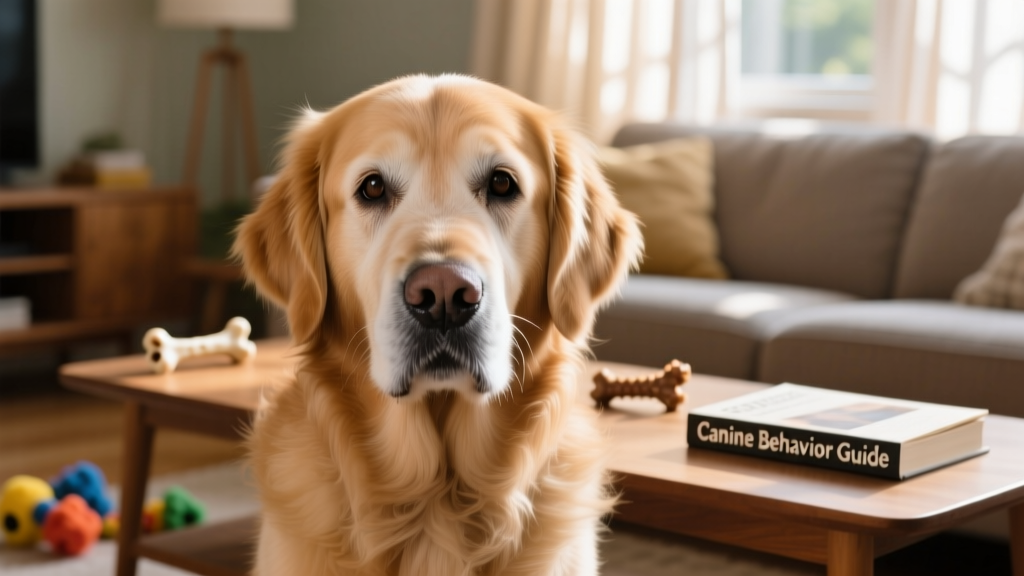
What Is Dog Dementia? Understanding Canine Cognitive Dysfunction
Canine cognitive dysfunction (CCD), commonly called dog dementia, is a progressive neurological disorder affecting aging dogs. It mirrors Alzheimer's disease in humans, causing decline in memory, learning, perception, and awareness. According to the Merck Veterinary Manual, approximately 28% of dogs aged 11-12 years show clinical signs, rising to 68% in dogs aged 15-16 years. However, only about 12% of affected dogs receive a formal diagnosis—meaning most cases go unrecognized by owners who dismiss symptoms as "normal aging."
The exact cause involves accumulation of beta-amyloid protein plaques in the brain, neuronal loss, decreased neurotransmitter levels (particularly dopamine), and reduced blood flow to brain tissue. While age is the primary risk factor, genetics, chronic inflammation, and oxidative stress contribute to disease progression.
Dog Dementia Signs: Recognizing Symptoms by Severity Stage
Early detection dramatically improves management outcomes. Symptoms typically progress through three stages over 1-3 years. Here's what to watch for:
| Stage | Category | Specific Signs | Typical Onset |
|---|---|---|---|
| Early (Mild) | Disorientation | Occasionally stands at wrong side of door waiting to enter | Months 1-6 |
| Social Interaction | Less enthusiastic greetings; brief withdrawal from family | Months 1-6 | |
| Sleep-Wake Cycle | Mild restlessness at night; occasional pacing | Months 2-8 | |
| House Soiling | Rare accidents despite prior house training | Months 3-8 | |
| Moderate | Disorientation | Gets stuck behind furniture; stares at walls | Months 6-18 |
| Activity Level | Repetitive behaviors (licking, circling); decreased exploration | Months 8-18 | |
| Sleep-Wake Cycle | Frequent nighttime waking; daytime sleeping increases | Months 6-18 | |
| Anxiety | New separation anxiety; vocalization when alone | Months 8-24 | |
| Advanced (Severe) | Disorientation | Gets lost in familiar environments; fails to recognize family | Months 18-36 |
| Social Interaction | No response to name or commands; aggression from confusion | Months 18-36 | |
| House Soiling | Frequent indoor accidents; no signal to go outside | Months 18-36 | |
| Activity Level | Aimless wandering; loss of learned behaviors (tricks, routines) | Months 24-36 |
Key insight: The DISHA acronym helps owners remember core symptom categories—Disorientation, Interaction changes, Sleep-wake cycle disruption, House soiling, and Activity changes. If your dog shows two or more categories, schedule a veterinary evaluation.
Risk Factors: Which Dogs Are Most Vulnerable?
Primary Risk Factors for Canine Cognitive Dysfunction
- Age: Risk increases significantly after age 10; small breeds develop CCD later (12-14 years) while giant breeds may show signs as early as 8-9 years
- Breed Predisposition: Boxers, Doberman Pinschers, and Cavalier King Charles Spaniels show higher prevalence, possibly linked to breed-specific neurological conditions
- Size/Weight: Obesity accelerates cognitive decline through chronic inflammation; dogs with body condition score (BCS) above 6/9 face elevated risk
- Genetics: Dogs with family history of CCD or Alzheimer's-correlated gene markers show 2-3x higher incidence
- Environmental Factors: Low mental stimulation, limited social interaction, and chronic stress accelerate cognitive aging
- Comorbidities: Hypothyroidism, Cushing's disease, chronic kidney disease, and untreated dental disease increase CCD risk
While any senior dog can develop CCD, understanding your dog's specific risk profile helps you monitor more effectively and discuss preventive strategies with your veterinarian.
How Is Dog Dementia Diagnosed? The Veterinary Evaluation Process
CCD is a diagnosis of exclusion—your vet must rule out other conditions that mimic dementia symptoms. This process typically unfolds across 2-3 veterinary visits:
Diagnostic Process Flow
- Step 1: Behavioral History & DISHA Assessment — You'll complete a detailed questionnaire covering symptom onset, progression, and specific behaviors. Bring video clips if possible. Cost: $65-120 (exam fee)
- Step 2: Complete Blood Panel & Urinalysis — Rules out metabolic causes (hypothyroidism, hepatic encephalopathy, kidney failure, urinary tract infection). Includes CBC, chemistry panel, T4 thyroid test, and urine culture. Cost: $180-350
- Step 3: Neurological Examination — Tests reflexes, cranial nerve function, proprioception, and pain response to localize potential brain lesions. Cost: included in exam or $85-150 specialist fee
- Step 4: Advanced Imaging (if indicated) — MRI or CT scan rules out brain tumors, strokes, or hydrocephalus. Usually recommended if neurological deficits are found or symptoms progressed rapidly. Cost: $1,200-3,000 (MRI) or $800-1,800 (CT)
- Step 5: Cognitive Function Testing — Some veterinary behaviorists use standardized problem-solving tasks to objectively measure cognitive decline severity. Cost: $150-300
Total diagnostic cost range: $245-500 for basic workup (most cases); $1,500-3,500 if advanced imaging is needed. According to the AVMA, early diagnosis before severe symptoms develop allows for more effective intervention.
Treatment Options: Medical, Nutritional, and Supportive Care
While CCD cannot be cured, treatment can slow progression and improve quality of life. A multimodal approach combining medication, supplements, diet, and environmental modification yields the best outcomes.
| Treatment | Type | Mechanism | Typical Cost/Month | Reported Efficacy |
|---|---|---|---|---|
| Selegiline (Anipryl®) | Prescription (FDA-approved) | MAO-B inhibitor; increases dopamine, reduces free radicals | $45-120 | ~40% show moderate improvement in 4-12 weeks |
| Prescription Cognitive Diets (Hill's b/d, Purina NeuroCare) | Therapeutic diet | Antioxidants, medium-chain triglycerides, mitochondrial cofactors | $70-130 | Studies show improvement in 4 categories within 8-12 weeks |
| SAMe (Novifit®, Denamarin®) | Supplement | Supports liver/brain cell membrane health; increases serotonin/dopamine | $25-60 | Mild-moderate improvement in alertness and activity |
| Omega-3 Fatty Acids (DHA/EPA) | Supplement | Anti-inflammatory; supports neuronal membrane integrity | $15-35 | Supportive benefit; best combined with other treatments |
| Phosphatidylserine (Senilife®) | Supplement | Cell membrane component; supports neuronal signaling | $20-45 | Modest improvement in recognition and memory tasks |
| Melatonin | OTC supplement | Regulates sleep-wake cycle; antioxidant properties | $5-15 | Helps nighttime restlessness in ~60% of cases |
| Environmental Enrichment | Lifestyle modification | Mental stimulation builds cognitive reserve; slows decline | $0-50 | Significant benefit when combined with other treatments |
Important: Always consult your veterinarian before starting any medication or supplement. Selegiline has contraindications with SSRIs, certain pain medications, and some flea preventives. Your vet will determine appropriate dosing based on your dog's weight and health status.
Home Care & Daily Management Strategies
Managing a dog with CCD requires patience and environmental adjustments. These evidence-based strategies help maintain your dog's quality of life:
Environmental Modifications
- Maintain consistent furniture layout — Rearranging confuses disoriented dogs; use baby gates to block stairs if navigation becomes unsafe
- Add night lights — Low-wattage LED pathway lights help dogs navigate at night without fully waking
- Use non-slip rugs or yoga mats — Placed on slippery floors to prevent falls in dogs with concurrent arthritis or weakness
- Place water bowls in multiple locations — Dogs with CCD may forget where resources are located
Daily Routine Adjustments
- Shorter, more frequent walks — 10-15 minute walks 3-4x daily rather than one long outing; reduces overstimulation while maintaining physical activity
- Mental enrichment sessions — 5-10 minutes of scent work, puzzle feeders (Kong Classic, Outward Hound Dog Brick), or gentle training with high-value treats
- Consistent feeding schedule — Same times, same location; use timed feeders if your schedule varies
- Evening wind-down routine — Dim lights 1-2 hours before bed; offer melatonin 30-60 minutes before sleep if prescribed
Safety Precautions
- Never leave a dog with advanced CCD unsupervised near pools, ponds, or unfenced areas
- Use GPS trackers (Whistle Go Explore, Tractive GPS) on collar for dogs prone to wandering
- Keep ID tags and microchip registration current—confused dogs who escape may not find their way home
Prognosis and Life Expectancy by Stage
Understanding realistic outcomes helps you plan care and make informed decisions. CCD progression varies significantly between individual dogs.
| Stage at Diagnosis | Typical Progression Rate | Expected Survival with Treatment | Quality of Life Considerations |
|---|---|---|---|
| Early (Mild) | Slow: 1.5-3 years to moderate stage | 2-4+ years; many dogs live out natural lifespan | Generally good; minor adjustments needed |
| Moderate | Moderate: 8-18 months to advanced stage | 1-2.5 years with multimodal treatment | Fair; requires daily management and monitoring |
| Advanced (Severe) | Rapid: weeks to months of further decline | 6-18 months; treatment may plateau symptoms | Guarded; frequent quality-of-life assessments needed |
A study published in the Journal of Veterinary Internal Medicine found that dogs diagnosed at the mild stage and treated with a combination of selegiline, cognitive diet, and environmental enrichment maintained functional status significantly longer than untreated dogs. However, CCD is ultimately progressive, and end-of-life decisions should focus on quality rather than duration.
Cost of Treatment: Budgeting for CCD Care
Long-term CCD management requires financial planning. Here's a realistic breakdown based on 2026 veterinary pricing:
- Initial Diagnosis: $245-500 (basic workup) or $1,500-3,500 (with advanced imaging)
- Monthly Medication/Supplements: $85-250 depending on combination used and dog size
- Prescription Diet Premium: $30-60/month above standard food costs
- Follow-up Veterinary Visits: $65-120 every 3-6 months ($130-480/year)
- Environmental Modifications: $100-400 one-time (gates, non-slip mats, night lights, GPS tracker)
- Pet Sitting/Dog Walking Assistance: $200-600/month if your dog needs midday care
First-year total cost estimate: $1,800-4,500 for most dogs; ongoing annual cost: $1,500-3,800. Pet insurance may cover diagnostic workup and prescription medications if CCD is not a pre-existing condition—check your policy's neurological coverage limits.
When to See the Vet: Red Flag Symptoms
⚠️ Seek Immediate Veterinary Attention If Your Dog Shows:
- Sudden onset confusion or disorientation — Could indicate stroke, brain tumor, or toxic exposure rather than gradual CCD
- Seizures or loss of consciousness — Emergency; requires immediate evaluation
- Head pressing against walls or objects — Sign of increased intracranial pressure; emergency
- Rapid behavioral change over hours/days — CCD develops over months; sudden changes suggest other causes
- Aggression without provocation — May indicate pain or neurological emergency
- Inability to stand or walk — Could be spinal, neurological, or metabolic emergency
ASPCA Animal Poison Control: (888) 426-4435 — Call immediately if you suspect your dog ingested a toxic substance causing neurological symptoms (24/7, consultation fee applies).
For gradual-onset symptoms consistent with early CCD, schedule a non-emergency appointment within 1-2 weeks. Bring a written log of specific behaviors, dates, and video clips if possible.
Frequently Asked Questions
Can dog dementia be cured?
No, CCD cannot be cured. It is a progressive neurodegenerative condition. However, multimodal treatment—combining medication like selegiline, therapeutic diets, supplements, and environmental enrichment—can slow progression and improve quality of life for months to years. Early intervention yields the best outcomes.
What is the life expectancy of a dog with dementia?
Life expectancy varies by stage at diagnosis and treatment response. Dogs diagnosed at the mild stage with treatment often live 2-4+ years, potentially reaching their natural lifespan. Dogs diagnosed at moderate stage typically survive 1-2.5 years. Advanced-stage dogs may live 6-18 months. Quality of life, not just duration, should guide care decisions.
Which breeds are most prone to dog dementia?
While CCD can affect any breed, Boxers, Doberman Pinschers, and Cavalier King Charles Spaniels show higher prevalence. Small breeds generally develop CCD later (12-14 years) than giant breeds (8-9 years). Mixed-breed dogs are not protected—genetics, lifestyle, and overall health matter more than breed alone.
Is dog dementia painful?
CCD itself is not painful, but the confusion, anxiety, and disorientation it causes create significant distress. Many dogs with CCD also have concurrent painful conditions like arthritis or dental disease. Treating pain aggressively improves cognitive function and quality of life.
How do I know when it's time to consider euthanasia?
Use a quality-of-life scale like the HHHHHMM Scale (Hurt, Hunger, Hydration, Hygiene, Happiness, Mobility, More good days than bad). When your dog has more bad days than good despite treatment, can no longer recognize family, shows persistent anxiety, or cannot perform basic functions without distress, discuss end-of-life options with your veterinarian. This is a deeply personal decision—there is no single "right" time.
Can I prevent dog dementia?
While you cannot eliminate risk entirely, you can reduce it. Lifelong mental stimulation (training, puzzle toys, novel experiences), regular physical exercise, maintaining healthy weight, feeding a diet rich in antioxidants and omega-3s, managing chronic diseases promptly, and regular veterinary checkups all build cognitive reserve and may delay onset. Starting preventive strategies before age 8 offers the best protection.
This article provides educational information and should not replace professional veterinary advice. Always consult your veterinarian for diagnosis and treatment of canine cognitive dysfunction. Individual dogs may respond differently to treatments, and prognosis varies based on multiple factors.
Tom Renshaw
All our authors care for dogs every day — read more of their work on the authors page.