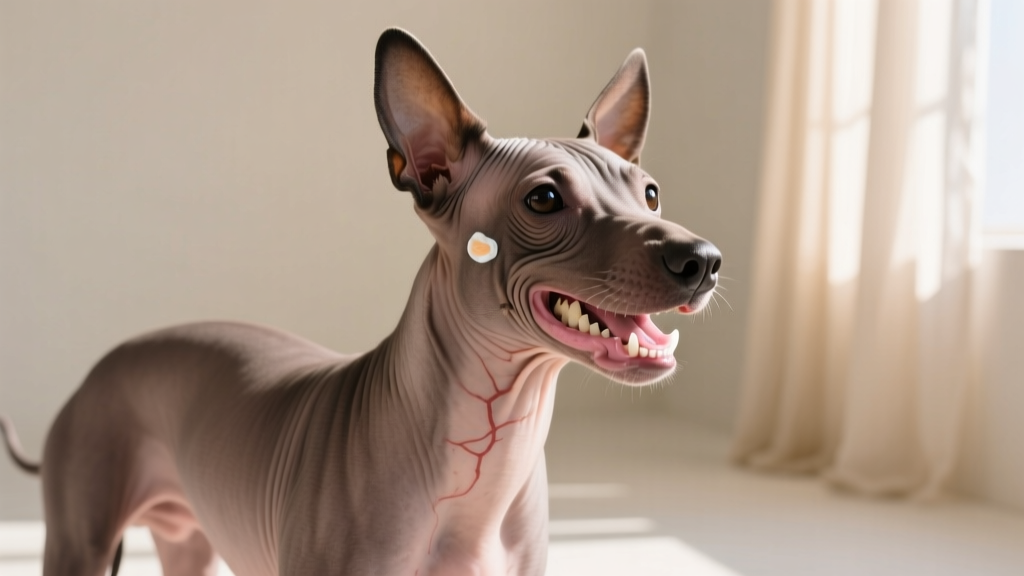
Dog Dandruff Treatment: Causes, Costs & Vet-Backed Solutions
Complete guide to dog dandruff treatment covering causes, symptoms by severity, vet diagnosis costs, medical and home remedies, and breed-specific prevention strategies.

If you've noticed white flakes on your dog's coat or scattered across their favorite sleeping spot, you're likely dealing with canine seborrhea — the clinical term for dog dandruff. Dog dandruff is the excessive shedding of dead skin cells (keratinocytes) from the epidermis, and it's one of the most common dermatological complaints seen in veterinary clinics nationwide. According to the Merck Veterinary Manual, seborrhea affects dogs of all ages and breeds, though certain genetic lines are significantly more predisposed. The condition arises when the skin's natural cell turnover cycle accelerates abnormally, causing immature skin cells to reach the surface and flake off before they've fully keratinized.
Dog dandruff comes in two clinical forms: seborrhea sicca (dry, flaky dandruff) and seborrhea oleosa (oily, greasy scaling). Many dogs present with a combination of both. While primary (idiopathic) seborrhea is an inherited condition with no underlying disease, secondary seborrhea — which accounts for the majority of cases — signals an underlying problem such as allergies, endocrine disorders, parasitic infections, or nutritional deficiencies. Effective dog dandruff treatment depends entirely on identifying which type your dog has and what's driving it.
Recognizing Dog Dandruff: Symptoms Organized by Severity
Dandruff symptoms don't appear all at once. Most owners first notice mild flaking and dismiss it as dry winter skin, but progressive cases can develop into painful, infected skin. Here's what to watch for at each stage:
| Severity | Symptoms | Typical Timeline |
|---|---|---|
| Early (Mild) | Small white flakes on coat and bedding; occasional scratching; slightly dull coat | Weeks 1–3 |
| Moderate | Visible scaling on back, elbows, and belly; increased itching; mild skin redness (erythema); noticeable odor | Weeks 3–8 |
| Advanced | Thick, crusty patches; greasy matted fur; hair loss (alopecia); secondary bacterial or yeast infections; skin thickening (lichenification); intense scratching or self-trauma | Months 2+ |
| Severe/Complicated | Open sores from scratching; widespread pyoderma (skin infection); severe odor; behavioral changes due to discomfort; possible systemic signs if endocrine-related | Ongoing without treatment |
What Causes Dog Dandruff? Risk Factors and Predispositions
Understanding the root cause is essential before starting any dog dandruff treatment. Secondary seborrhea — where dandruff is a symptom of something else — is far more common than primary inherited seborrhea. Here are the major risk categories:
Risk Factors Box
- Breed Predisposition (Primary/Idiopathic Seborrhea): American Cocker Spaniels, English Springer Spaniels, Basset Hounds, West Highland White Terriers, Dachshunds, Labrador Retrievers, Shar-Peis, and German Shepherd Dogs have documented genetic susceptibility.
- Allergies: Environmental (atopic dermatitis), food allergies, and flea allergy dermatitis are the #1 trigger for secondary seborrhea in dogs aged 1–5 years.
- Endocrine Disorders: Hypothyroidism (most common in medium-to-large breeds, ages 4–10) and Cushing's disease (hyperadrenocorticism, common in Poodles, Dachshunds, small Terriers over age 6) both cause seborrhea as a hallmark symptom.
- Parasitic Infections: Cheyletiella mites ("walking dandruff"), Demodex, and Sarcoptes all cause scaling. Cheyletiella is especially common in puppies and dogs from shelters or breeding facilities.
- Nutritional Deficiencies: Diets lacking adequate zinc, essential fatty acids (omega-3 and omega-6), vitamin A, or high-quality protein can manifest as dry, flaky skin within 8–12 weeks.
- Environmental Factors: Low indoor humidity (especially winter heating), over-bathing with harsh shampoos, and exposure to irritants like floor cleaners.
- Obesity: Overweight dogs (Body Condition Score 7+/9) often cannot groom their back and hindquarters properly, allowing skin debris and oils to accumulate.
- Age: Senior dogs (8+ years) are more prone due to decreased skin cell turnover efficiency and higher rates of endocrine disease.
Cheyletiellosis deserves special attention because it's frequently misidentified as regular dandruff. The mites are large enough to see with the naked eye — they look like moving white flakes, hence the name "walking dandruff." This condition is highly contagious between pets and is mildly zoonotic, meaning it can cause temporary itchy bumps on human skin. If your dog's "dandruff" appears to move, see your vet promptly.
How Veterinarians Diagnose the Root Cause of Dog Dandruff
Because dandruff is a symptom rather than a standalone disease, your veterinarian will work through a structured diagnostic process to identify the underlying cause. Here's what to expect at the appointment:
- Step 1 — Physical Examination & History ($50–$90 exam fee): Your vet will assess the distribution and type of scaling (dry vs. oily), check for parasites visually, evaluate body condition, and take a detailed history including diet, bathing frequency, onset timeline, and any other symptoms like increased thirst or weight changes.
- Step 2 — Skin Cytology & Tape Prep ($30–$60): A piece of clear tape is pressed onto the affected skin and examined under a microscope. This reveals yeast (Malassezia), bacteria, mite eggs, and the type of keratinocytes present. This is the single most informative initial test.
- Step 3 — Skin Scraping ($25–$50): A deeper scrape checks for Demodex and Sarcoptes mites that live within hair follicles or burrow into skin.
- Step 4 — Fungal Culture / Wood's Lamp ($40–$80): If ringworm (dermatophytosis) is suspected, a hair sample is cultured. Results take 10–21 days. Wood's lamp screening provides preliminary results in minutes but isn't definitive.
- Step 5 — Blood Work Panel ($120–$300): A complete blood count (CBC), chemistry panel, and thyroid panel (total T4, free T4, TSH) screen for hypothyroidism, Cushing's, liver disease, and other systemic causes. If Cushing's is suspected, an ACTH stimulation test adds $150–$250.
- Step 6 — Allergy Testing ($300–$800): If allergies are suspected after ruling out parasites and endocrine causes, intradermal skin testing (performed by a veterinary dermatologist) or serum IgE testing can identify specific allergens for immunotherapy.
- Step 7 — Skin Biopsy ($200–$500 including lab fees): Reserved for cases that don't respond to initial treatment or when autoimmune skin disease is suspected. Tissue samples are sent to a veterinary dermatopathologist.
Total diagnostic cost range: Most straightforward cases are resolved with Steps 1–3 for approximately $105–$200. Complex cases requiring full workups (Steps 1–7) can reach $750–$1,800+. According to the AVMA's pet care cost resources, dermatological visits are among the most common reasons for veterinary spending.
Dog Dandruff Treatment Options: Medical, Topical, and Supportive
Once the underlying cause is identified, your veterinarian will recommend a targeted treatment plan. Here's a comparison of the major treatment categories:
| Cause | Primary Treatment | Monthly Cost | Expected Response Time | Success Rate |
|---|---|---|---|---|
| Allergies (atopic/food) | Apoquel (oclacitinib), Cytopoint injections, elimination diet trial, or allergen-specific immunotherapy | $45–$180 | 2–8 weeks | 70–85% with correct allergen ID |
| Hypothyroidism | Sodium levothyroxine (Soloxine, Thyro-Tabs) — lifelong daily medication | $15–$40 | 4–8 weeks for skin improvement | 95%+ with proper dosing |
| Cushing's Disease | Trilostane (Vetoryl) or mitotane; surgery for adrenal tumors | $60–$200 | 2–6 months for skin | 80–85% managed with trilostane |
| Cheyletiella Mites | Topical selamectin (Revolution), oral isoxazolines (Bravecto, NexGard), or lime sulfur dips | $25–$65 | 2–4 weeks | 95%+ with 2–3 treatments |
| Demodex / Sarcoptes | Isoxazolines (oral), amitraz dips, or ivermectin protocol | $30–$80 | 4–12 weeks | 90%+ (Sarcoptes); 70–90% (Demodex depending on localized vs. generalized) |
| Yeast Overgrowth (Malassezia) | Antifungal shampoos (ketoconazole, miconazole), oral ketoconazole for severe cases | $20–$70 | 2–4 weeks | 85–90% with consistent topical therapy |
| Primary/Idiopathic Seborrhea | Lifelong management with medicated shampoos, fatty acid supplements, and sometimes oral retinoids (isotretinoin) | $30–$100 | Ongoing management | Controlled, not cured — 60–75% improvement |
| Nutritional Deficiency | Diet reformulation to AAFCO-complete standard; omega-3/6 supplementation | $20–$60 (food adjustment) | 6–12 weeks | 90%+ with correct diet |
Topical Therapy: The Foundation of Dog Dandruff Treatment
Regardless of the underlying cause, topical therapy is almost always part of the treatment plan. Your veterinarian may recommend one or more of these medicated shampoos, typically used 2–3 times per week for the first 2–4 weeks, then tapering to weekly or biweekly maintenance:
- Chlorhexidine-based shampoos (2–4%): Antibacterial action for secondary pyoderma. Brands include Douxo S3 PYO and Chlorhexiderm Max.
- Ketoconazole shampoos (1–2%): Antifungal action targeting Malassezia yeast. KetoChlor is a common veterinary recommendation.
- Salicylic acid / sulfur shampoos: Keratolytic action that breaks down excess scale. Sebolytic by Virbac is formulated for seborrhea sicca.
- Benzoyl peroxide shampoos (2.5–5%): Follicular flushing and degreasing for seborrhea oleosa. Pyoben is a veterinary-grade option.
- Phytosphingosine-containing products: The Douxo S3 line uses phytosphingosine to restore the skin barrier and reduce inflammation without harsh stripping.
Oral Supplements That Support Skin Health
Omega-3 fatty acid supplementation is one of the most evidence-supported adjunctive treatments for canine seborrhea. The therapeutic dose of EPA+DHA combined for skin conditions is generally 50–100 mg per kg of body weight per day, which is higher than the maintenance dose listed on most supplement labels. For a 50 lb (23 kg) dog, that translates to approximately 1,150–2,300 mg of combined EPA+DHA daily.
Recommended veterinary omega-3 products include Nordic Naturals Omega-3 Pet, Welactin 3-Soft (by Nutramax), and Grizzly Salmon Plus. Fish oil should be stored in the refrigerator and used within 90 days of opening to prevent oxidation (rancidity), which reduces efficacy and can cause GI upset.
Prognosis: What to Expect Based on the Underlying Cause
| Cause | Curable? | Long-Term Outlook | Life Expectancy Impact |
|---|---|---|---|
| Allergies | Not curable, but highly manageable | Good with consistent management; flare-ups expected seasonally | Normal lifespan |
| Hypothyroidism | Not curable; requires lifelong medication | Excellent with daily levothyroxine; skin typically normalizes within 2 months | Normal lifespan with treatment |
| Cushing's Disease | Not curable (medical); potentially curable (adrenal tumor surgery) | Fair to good; requires regular monitoring every 3–6 months | Median survival 2–2.5 years from diagnosis with treatment (per Merck Veterinary Manual) |
| Parasitic (Cheyletiella, Sarcoptes) | Yes — fully curable | Excellent; skin returns to normal within weeks of clearing | No impact |
| Primary/Idiopathic Seborrhea | Not curable — lifelong condition | Fair; requires ongoing management; some dogs have refractory periods | Normal lifespan; quality of life depends on management consistency |
| Nutritional | Yes — fully reversible | Excellent once diet is corrected | No impact if corrected promptly |
For primary (idiopathic) seborrhea, the prognosis is one of management rather than cure. Dogs with this inherited condition will always have a tendency toward flaky skin, but with consistent topical care, proper nutrition, and periodic veterinary check-ins, most maintain a comfortable quality of life. Secondary seborrhea prognosis tracks with the underlying disease — resolving the root cause generally resolves the dandruff.
Home Care and Daily Management for Dogs With Dandruff
Between veterinary visits, these daily and weekly practices form the backbone of long-term dandruff management:
Daily Practices
- Brushing: Use a slicker brush or rubber grooming mitt for 5–10 minutes daily to distribute natural skin oils and remove loose scale before it accumulates. For double-coated breeds (German Shepherds, Huskies), an undercoat rake is more effective.
- Humidity control: During winter months or in arid climates, run a humidifier in the room where your dog spends the most time. Target indoor humidity of 40–50%.
- Dietary consistency: Feed an AAFCO-certified complete and balanced diet. Avoid frequent food switching, which can trigger GI and skin reactions.
- Omega-3 supplementation: Administer daily at the therapeutic dose recommended by your vet.
Weekly Practices
- Medicated bathing: Follow your vet's prescribed shampoo protocol. Use lukewarm water (not hot — 98–102°F / 37–39°C), ensure 10–15 minutes of contact time, and rinse thoroughly.
- Bedding wash: Launder all bedding, blankets, and soft toys in hot water (minimum 130°F / 54°C) to eliminate mites, yeast, and accumulated skin debris.
- Skin inspection: Part the fur along the back, belly, and behind ears. Note any changes in scaling amount, color, odor, or new areas of redness.
What to Avoid
- Human anti-dandruff shampoos (Head & Shoulders, Selsun Blue) — these contain zinc pyrithione or selenium sulfide at concentrations that can be toxic if licked and ingested by dogs.
- Oatmeal baths without veterinary guidance — while colloidal oatmeal is soothing for some conditions, it can feed Malassezia yeast in dogs with yeast-driven seborrhea, worsening the problem.
- Over-bathing — bathing more than 2–3 times per week with any shampoo strips the skin barrier and can trigger rebound oil production.
- Coconut oil applied topically — despite popular advice, coconut oil is comedogenic (pore-clogging) and can trap bacteria against the skin in dogs prone to folliculitis.
Treatment Costs: Budgeting for Dog Dandruff Care
Dandruff treatment costs vary dramatically depending on whether the cause is straightforward or requires extensive diagnostic work. Here's a realistic breakdown based on 2025–2026 U.S. veterinary pricing data:
| Expense Category | Simple Case (Parasitic/Nutritional) | Moderate Case (Allergies/Yeast) | Complex Case (Endocrine/Idiopathic) |
|---|---|---|---|
| Initial vet exam | $50–$90 | $50–$90 | $50–$90 |
| Diagnostic testing | $55–$110 (cytology + scraping) | $150–$350 (cytology + bloodwork + allergy panel) | $400–$1,200 (full panel + imaging + biopsy) |
| First-month treatment | $25–$65 (parasiticide + shampoo) | $80–$250 (Apoquel/Cytopoint + shampoo + supplements) | $100–$400 (endocrine medication + shampoo + supplements) |
| Ongoing monthly cost | $0–$15 (resolved or minimal maintenance) | $60–$180 (continued medication + shampoo) | $50–$200 (lifelong medication + monitoring) |
| First-year total | $130–$265 | $800–$2,400 | $1,200–$4,500+ |
Pet insurance can significantly offset these costs if enrolled before symptoms appear. Most comprehensive policies (Trupanion, Healthy Paws, Lemonade) cover dermatological diagnostics and treatments, though pre-existing condition exclusions apply. If your dog has recurring skin issues, enrollment before the first dermatology visit is financially advantageous.
Prevention Strategies: Reducing Dandruff Risk
While you can't prevent genetically inherited primary seborrhea, you can substantially reduce the risk and severity of secondary dandruff through these evidence-based strategies:
- Year-round parasite prevention: Monthly isoxazoline preventives (Bravecto, NexGard, Simparica Trio) protect against the mites that cause parasitic seborrhea while also controlling fleas that trigger flea allergy dermatitis.
- Breed-appropriate nutrition: Feed diets with a named animal protein as the first ingredient and guaranteed analysis showing minimum 22% protein and 5.5% fat for adult maintenance (AAFCO minimums). Look for added omega fatty acids (fish oil, flaxseed) in the ingredient list.
- Regular grooming schedule: Establish a brushing routine appropriate for your dog's coat type — daily for long-coated breeds, 2–3 times weekly for short-coated breeds.
- Avoid over-bathing: Healthy dogs without skin conditions need bathing only every 4–8 weeks. Use a veterinary-formulated, pH-balanced (6.5–7.5) shampoo — never human products.
- Annual wellness bloodwork: For dogs over age 5, annual thyroid panels and chemistry screens catch hypothyroidism and Cushing's disease early, before skin symptoms become severe.
- Weight management: Maintain a Body Condition Score of 4–5/9. Obese dogs have higher rates of skin fold dermatitis and impaired self-grooming.
When to See the Vet: Red Flag Symptoms
🚨 Call Your Veterinarian Promptly If You Notice:
- Dandruff accompanied by hair loss (patchy or diffuse alopecia)
- Open sores, scabs, or bleeding from excessive scratching
- A strong, musty, or yeasty odor emanating from the skin
- Flakes that appear to move (suspected Cheyletiella mites)
- Dandruff combined with increased thirst, urination, or appetite (possible endocrine disease)
- Lethargy, weight changes, or behavioral shifts alongside skin symptoms
- Skin that appears thickened, darkened, or elephant-like (lichenification — indicates chronic inflammation)
- Dandruff in puppies under 6 months (higher suspicion for parasitic or congenital conditions)
- No improvement after 3–4 weeks of home management with proper bathing and nutrition
- Signs of secondary infection: pus, warmth, swelling, or your dog flinching when touched
Emergency: If your dog has widespread skin sloughing, facial/muzzle swelling, or difficulty breathing alongside skin symptoms, seek emergency veterinary care immediately — these may indicate a severe allergic reaction or autoimmune crisis.
Remember, this guide provides educational information to help you prepare for your veterinary visit. Always consult your veterinarian before starting any treatment, as they can perform the diagnostics needed to identify the specific cause of your dog's dandruff and prescribe appropriate, individualized therapy.
Frequently Asked Questions About Dog Dandruff Treatment
What is dog dandruff, and is it a disease?
Dog dandruff (canine seborrhea) is the excessive shedding of dead skin cells from the epidermis. It's not a disease itself but a clinical sign — like a cough or a limp — that points to an underlying issue. That issue could be as simple as dry air or as complex as an endocrine disorder. Primary (idiopathic) seborrhea is a genetic skin disorder, while secondary seborrhea is a symptom of allergies, parasites, infections, hormonal disease, or nutritional problems.
Can I use human dandruff shampoo on my dog?
No. Human anti-dandruff shampoos contain active ingredients like zinc pyrithione, selenium sulfide, or coal tar at concentrations formulated for human skin pH (5.5). Canine skin has a higher pH (6.5–7.5), and these ingredients can cause irritation, chemical burns, or systemic toxicity if licked and ingested. Always use veterinary-formulated medicated shampoos recommended by your veterinarian.
Which breeds are most prone to dandruff?
Breeds with documented genetic predisposition to primary seborrhea include American Cocker Spaniels, English Springer Spaniels, Basset Hounds, West Highland White Terriers, Dachshunds, Labrador Retrievers, Shar-Peis, and German Shepherd Dogs. However, any breed can develop secondary seborrhea from allergies, parasites, or endocrine disease.
How long does it take for dog dandruff treatment to work?
Response time depends on the underlying cause. Parasitic causes (Cheyletiella, Sarcoptes) typically resolve within 2–4 weeks of appropriate treatment. Allergic seborrhea may take 4–8 weeks to show significant improvement with medications like Apoquel or Cytopoint. Endocrine-related dandruff (hypothyroidism) often takes 6–8 weeks of hormone supplementation before the coat normalizes. Primary seborrhea requires lifelong management with ongoing improvement over months.
Is dog dandruff contagious to other pets or humans?
Regular dandruff (seborrhea from allergies, endocrine disease, or genetics) is not contagious. However, Cheyletiella mites — which mimic dandruff — are highly contagious between dogs, cats, and rabbits, and can cause temporary skin irritation in humans (zoonotic). If you suspect mites, isolate the affected pet and have all household animals examined by a veterinarian.
How much does dog dandruff treatment cost?
Costs range from $130–$265 for simple cases (parasitic or nutritional) to $1,200–$4,500+ in the first year for complex cases requiring endocrine workups, allergy testing, and lifelong medication. Ongoing monthly costs for managed cases typically range from $50–$200 depending on the underlying cause and medications required.
What is the life expectancy of a dog with chronic dandruff?
Dog dandruff itself does not shorten lifespan. Life expectancy depends entirely on the underlying cause. Dogs with allergies, hypothyroidism, or primary seborrhea live normal lifespans with proper management. Dogs with Cushing's disease have a median survival of approximately 2–2.5 years from diagnosis with treatment, though many live longer with excellent disease control.
Robin Maitland
All our authors care for dogs every day — read more of their work on the authors page.