Dog Cold Virus Symptoms: How to Spot, Treat, and Prevent...
Learn to identify dog cold virus symptoms, understand causes like kennel cough and canine influenza, and explore diagnosis, treatment costs.
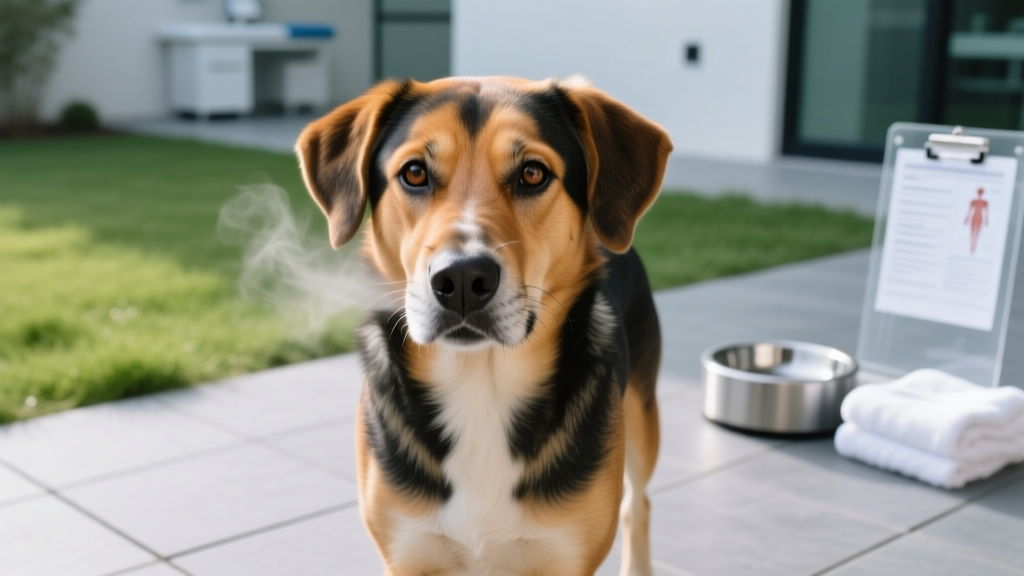
Understanding Dog Cold Virus Symptoms: What Every Owner Should Know
When your dog starts sneezing, coughing, or seems unusually tired, you might wonder if they've caught a cold. While dogs don't get the same rhinovirus that causes human colds, they do contract several viral and bacterial respiratory infections that produce remarkably similar symptoms. Collectively, these are often referred to as "dog colds" or canine infectious respiratory disease complex (CIRDC).
The most common culprits behind dog cold virus symptoms include canine adenovirus type 2 (CAV-2), canine parainfluenza virus, canine influenza virus (CIV H3N2 and H3N8), and Bordetella bronchiseptica (a bacterium responsible for kennel cough). According to the Merck Veterinary Manual, these pathogens spread rapidly in environments where dogs congregate—boarding facilities, dog parks, grooming salons, and shelters.
CIRDC is extremely common. Veterinary clinics report seasonal spikes, particularly in fall and winter months, and outbreaks can sweep through a facility in days. The good news? Most cases are mild and self-limiting, resolving within 10–14 days with supportive care. However, certain dogs—puppies, seniors, brachycephalic breeds, and immunocompromised animals—face higher risks of secondary pneumonia, which can be life-threatening.
What Is a Dog Cold Virus?
The term "dog cold virus" is a catch-all phrase that dog owners use to describe upper respiratory infections in canines. In veterinary medicine, these infections fall under the umbrella of Canine Infectious Respiratory Disease Complex (CIRDC), formerly known as kennel cough complex.
CIRDC involves one or more of these pathogens:
- Canine adenovirus type 2 (CAV-2): Causes infectious canine hepatitis and respiratory disease; part of the core DHPP vaccine
- Canine parainfluenza virus (CPiV): Contributes to kennel cough; often co-infects with Bordetella
- Canine influenza virus (CIV): Two strains—H3N8 (originated in horses, jumped to dogs in 2004) and H3N2 (avian origin, emerged in US dogs in 2015)
- Bordetella bronchiseptica: Bacterial agent; the most recognized cause of kennel cough
- Canine respiratory coronavirus (CRCoV): Distinct from the gastrointestinal coronavirus; causes mild respiratory signs
- Canine distemper virus: Serious systemic disease; respiratory signs are early indicators
- Streptococcus zooepidemicus: Emerging bacterial pathogen linked to severe hemorrhagic pneumonia outbreaks
These pathogens spread through aerosolized droplets (sneezing, coughing), direct contact with infected dogs, and contaminated surfaces (shared water bowls, toys, leashes). Incubation periods range from 2–10 days depending on the pathogen, meaning your dog can be contagious before showing any symptoms.
Dog Cold Virus Symptoms: Early Warning Signs vs. Advanced Symptoms
Recognizing dog cold virus symptoms early can mean the difference between simple home management and an emergency veterinary visit. Here's a severity-organized checklist to help you assess your dog's condition.
| Severity Level | Symptoms | Typical Onset |
|---|---|---|
| Mild (Early Stage) |
|
Days 1–3 after incubation |
| Moderate (Progressing) |
|
Days 3–7 |
| Severe (Advanced) |
|
Days 5–10+ (secondary pneumonia risk) |
The classic "honking" or "goose-like" cough is the hallmark of Bordetella-related kennel cough, while canine influenza tends to present with more systemic signs—higher fever, deeper lethargy, and greater risk of pneumonia. According to the American Kennel Club, approximately 20% of canine influenza cases progress to pneumonia, compared to roughly 5% of uncomplicated kennel cough cases.
- Difficulty breathing or open-mouth breathing
- Blue, gray, or pale gums
- Collapse or inability to stand
- Blood in nasal discharge or cough
- Fever above 104°F (40°C) lasting more than 24 hours
- Puppies under 6 months with any respiratory symptoms
- No water intake for 12+ hours
These symptoms suggest secondary pneumonia or systemic infection requiring emergency intervention.
Risk Factors: Which Dogs Are Most Vulnerable?
Not all dogs face equal risk when exposed to respiratory pathogens. Several factors influence both susceptibility and severity of dog cold virus symptoms.
High-Risk Categories
| Age: | Puppies under 6 months (immature immune systems) and seniors over 8 years (immune senescence) |
| Breed Predisposition: | Brachycephalic breeds—Bulldogs, Pugs, Boston Terriers, Shih Tzus, Boxers—face higher pneumonia risk due to brachycephalic obstructive airway syndrome (BOAS), which already compromises their airways |
| Environment: | Dogs in boarding kennels, daycare, shelters, dog shows, or multi-dog households (5+ dogs) face constant pathogen exposure |
| Immune Status: | Unvaccinated dogs, dogs on immunosuppressive medications (cyclosporine, prednisone), and dogs with comorbidities (Cushing's disease, diabetes, cancer) |
| Stress Factors: | Recent travel, surgery, rehoming, or extreme weather changes suppress immune function |
| Weight: | Obese dogs (body condition score 7+/9) have reduced lung capacity and impaired immune response |
Dolichocephalic breeds (long-nosed dogs like Greyhounds and Collies) and mesocephalic breeds (medium-proportioned heads like Labs and Shepherds) generally handle respiratory infections better than brachycephalic breeds, whose already-narrowed airways leave less margin for inflammation.
How Is a Dog Cold Diagnosed? The Veterinary Process
If your dog's symptoms persist beyond 5 days, worsen, or fall into the moderate-to-severe category, your veterinarian will begin a diagnostic workup. Here's what to expect during the visit.
Typical Diagnostic Pathway
- Physical Examination ($50–$85): Temperature check, auscultation (listening to heart and lungs with a stethoscope), examination of nasal passages, throat, and lymph nodes. Your vet will assess respiratory rate, gum color, and hydration status.
- Complete Blood Count (CBC) ($80–$150): Checks white blood cell patterns. Elevated neutrophils suggest bacterial infection; lymphopenia (low lymphocytes) often points to viral causes like canine influenza or distemper.
- Thoracic Radiographs / X-rays ($150–$350): Essential if pneumonia is suspected. Reveals lung consolidation, fluid accumulation, or bronchial wall thickening. Usually 2–3 views.
- PCR Respiratory Panel ($150–$300): Deep pharyngeal swab tested for 6–10 pathogens simultaneously (Bordetella, influenza, adenovirus, parainfluenza, distemper, Mycoplasma). Results in 2–5 days. The AVMA recommends PCR panels for dogs with severe or non-responsive symptoms.
- Pulse Oximetry ($25–$50): Non-invasive clip placed on ear or tongue to measure blood oxygen saturation. Normal is 95–100%; readings below 92% indicate respiratory compromise.
- Bronchoalveolar Lavage (BAL) ($400–$800): Performed under sedation in severe pneumonia cases. Fluid is flushed into and retrieved from the lungs for bacterial culture and cytology. Reserved for cases not responding to initial treatment.
Total diagnostic cost range: $200–$450 for mild cases (exam + CBC); $500–$1,200 for moderate-to-severe cases requiring imaging and PCR panels.
Treatment Options for Dog Cold Virus Infections
Treatment depends on the specific pathogen, severity, and your dog's overall health. Because most CIRDC cases involve viral agents, antibiotics target secondary bacterial infections rather than the primary virus. Here's a comparison of common treatment approaches.
| Treatment | Indication | Cost Range | Success Rate / Notes |
|---|---|---|---|
| Supportive Care (Home) | Mild cases—normal appetite, mild cough, no fever | $0–$50 (humidifier, rest) | 80–90% resolve in 10–14 days without medication |
| Antibiotics (Doxycycline) | Suspected Bordetella or secondary bacterial infection | $15–$45 (10–14 day course) | Effective against Bordetella; dosage 5 mg/kg twice daily per vet prescription |
| Cough Suppressants (Butorphanol, Hydrocodone) | Severe, sleep-disrupting cough; no pneumonia present | $20–$60 | Prescription-only; never use human cough medications without vet guidance |
| Nebulization Therapy | Moderate-to-severe cases; loosens airway secretions | $50–$150 (clinic) or $40–$80 (home nebulizer) | Saline or antibiotic nebulization; 10–15 min sessions, 2–3× daily |
| IV Fluids + Hospitalization | Dehydration, pneumonia, severe lethargy | $500–$2,000/day | Includes oxygen therapy if needed; 2–5 day average stay |
| Oxygen Therapy | SpO2 below 92%; severe pneumonia | $100–$300/day | Flow-by, mask, or oxygen cage; critical for survival in severe cases |
| Antiviral (Oseltamivir/Tamiflu) | Confirmed canine influenza (H3N2/H3N8) within 48 hours of onset | $80–$200 (course) | Limited evidence in dogs; most effective if started within 48 hours |
Home Care and Daily Management
For mild cases your vet has cleared for home treatment, follow these protocols:
- Isolate your dog from other dogs for a minimum of 14 days (21 days for confirmed canine influenza, per AVMA guidelines).
- Humidify the air: Run a cool-mist humidifier in the room where your dog rests, or bring them into the bathroom while you run a hot shower for 10–15 minutes, 2–3 times daily. The steam helps loosen nasal and bronchial secretions.
- Encourage hydration: Offer low-sodium chicken broth (no onion or garlic), add warm water to kibble, or use a pet water fountain. Aim for 1 oz of water per pound of body weight daily.
- Switch to a harness: Collars put pressure on the trachea and trigger coughing fits. Use a front-clip harness for any necessary walks.
- Limit exercise: Short, leashed potty breaks only. Avoid running, fetching, or anything that elevates respiratory rate until coughing has resolved for 48 hours.
- Monitor temperature twice daily: Use a digital rectal thermometer with petroleum jelly lubricant. Normal canine temperature is 101–102.5°F (38.3–39.2°C). Report readings above 103.5°F (39.7°C) to your vet.
- Clean nasal discharge: Use a warm, damp cloth to gently wipe away crust. For congested dogs, saline nasal drops (1–2 drops per nostril) can help—ask your vet for product recommendations.
Prognosis and Recovery Timeline
| Severity | Recovery Time | Prognosis | Complication Risk |
|---|---|---|---|
| Mild (Uncomplicated CIRDC) | 7–14 days | Excellent; full recovery expected | Less than 5% develop pneumonia |
| Moderate (Persistent symptoms, secondary bacterial infection) | 14–21 days with treatment | Good with appropriate antibiotics | 10–20% pneumonia risk without treatment |
| Severe (Pneumonia, systemic illness) | 3–6 weeks with hospitalization | Guarded to fair; survival rate approximately 85–90% with aggressive treatment | Risk of chronic airway sensitivity; rare fatalities in untreated cases |
| Canine Distemper (if underlying cause) | Months; often incomplete recovery | Poor; 50% mortality in unvaccinated dogs; neurological sequelae common in survivors | Permanent neurological damage, enamel hypoplasia, chronic seizure disorder |
Most dogs with straightforward kennel cough or mild parainfluenza recover fully within two weeks and develop temporary immunity to the specific strain they encountered. However, because CIRDC involves multiple pathogens, reinfection with a different agent is possible.
Treatment Costs: What to Budget For
Respiratory infections in dogs can range from a minor inconvenience to a significant financial burden. Here's a realistic breakdown based on 2026 veterinary pricing:
- Mild case (exam + antibiotics): $100–$250 total
- Moderate case (exam, bloodwork, X-rays, antibiotics, cough suppressant): $350–$700 total
- Severe case with pneumonia (hospitalization, IV fluids, oxygen, nebulization, extended medications): $1,500–$5,000+
- Worst-case scenario (prolonged ICU stay, BAL procedure, specialist referral): $5,000–$10,000+
Pet insurance can significantly offset these costs. Most comprehensive plans cover diagnostic testing, hospitalization, and prescription medications. If your dog frequently visits boarding facilities or dog parks, the Bordetella and canine influenza vaccines (typically $25–$50 per dose) represent cost-effective prevention compared to treatment expenses.
Prevention Strategies
While you can't eliminate all exposure risk, these strategies dramatically reduce the likelihood and severity of dog cold virus infections:
- Vaccination: The Bordetella vaccine (intranasal or injectable) is recommended for any dog that interacts with other dogs regularly. The bivalent canine influenza vaccine (H3N2 + H3N8) is recommended in areas with documented outbreaks. Consult your veterinarian about which vaccines suit your dog's lifestyle.
- Core vaccines: Keep DHPP (distemper, hepatitis, parainfluenza, parvovirus) current. This protects against several CIRDC pathogens and is considered essential for all dogs.
- Facility hygiene: Choose boarding facilities and daycare centers that require vaccination proof, have good ventilation (ideally HEPA filtration), and separate dogs by size and temperament.
- Post-exposure monitoring: After boarding, grooming, or dog park visits, monitor your dog closely for 10 days. Early detection means earlier intervention.
- Immune support: Maintain your dog at a healthy weight (body condition score 4–5/9), feed an AAFCO-approved complete diet, and manage stress. A robust immune system is the best natural defense.
- Avoid sick dogs: If you see a dog coughing at the park, redirect your walk. Airborne pathogens travel 20+ feet in favorable conditions.
Frequently Asked Questions
Can dogs catch a cold from humans?
No. Human cold viruses (rhinoviruses, common coronaviruses) are species-specific and do not infect dogs. Similarly, dog cold viruses do not typically infect humans. However, some pathogens like Bordetella bronchiseptica can rarely transmit to immunocompromised humans. The viruses that cause dog cold virus symptoms are entirely different from those that make you sniffle.
How long is a dog contagious with a cold virus?
Contagious periods vary by pathogen. Dogs with Bordetella can shed bacteria for 6–14 weeks after infection, even after symptoms resolve. Canine influenza dogs shed virus for approximately 10–14 days. As a general rule, isolate your dog from other dogs for a minimum of 14 days after symptoms fully resolve—21 days for confirmed influenza cases.
Can I give my dog over-the-counter human cold medicine?
Absolutely not. Many human cold medications contain ingredients that are toxic to dogs, including acetaminophen (Tylenol), ibuprofen (Advil), pseudoephedrine (Sudafed), and xylitol (found in some liquid formulations). Always consult your veterinarian before giving any medication to your dog. Your vet can prescribe safe, species-appropriate cough suppressants if needed.
What is the life expectancy of a dog after a cold virus infection?
For the vast majority of dogs that recover from uncomplicated CIRDC, life expectancy is unaffected. These are acute infections, not chronic diseases. Dogs that survive pneumonia secondary to a cold virus may have slightly reduced exercise tolerance or increased susceptibility to future respiratory infections, but typically live normal lifespans. The exception is canine distemper, which can cause permanent neurological damage and may shorten lifespan depending on severity.
Which breeds are most prone to severe dog cold virus symptoms?
Brachycephalic breeds face the highest risk of complications: English Bulldogs, French Bulldogs, Pugs, Boston Terriers, Shih Tzus, and Pekingese. Their anatomically narrowed airways mean even mild inflammation can cause significant respiratory distress. Additionally, toy breeds (Chihuahuas, Yorkshire Terriers) are prone to tracheal collapse, which can be exacerbated by persistent coughing. Giant breeds (Great Danes, Irish Wolfhounds) may have slightly weaker immune responses in their senior years.
Is kennel cough the same as a dog cold?
Kennel cough (infectious tracheobronchitis) is one type of dog cold, specifically caused by Bordetella bronchiseptica, often in combination with parainfluenza virus or adenovirus. When people say their dog has a "cold," they're often describing kennel cough. However, canine influenza and other CIRDC pathogens can cause similar symptoms through different mechanisms.
When should I take my dog to the vet for cold symptoms?
Schedule a vet visit if: symptoms persist beyond 5–7 days without improvement, your dog stops eating for more than 24 hours, fever exceeds 103.5°F (39.7°C), coughing becomes productive (bringing up mucus), or your dog is a puppy under 6 months, a senior over 8 years, or has pre-existing health conditions. Seek emergency care immediately for any breathing difficulty, blue gums, or collapse.
Veterinary Disclaimer: This article is for informational purposes only and does not replace professional veterinary advice. If your dog is showing respiratory symptoms, consult your veterinarian for an accurate diagnosis and treatment plan tailored to your dog's specific needs. Never administer human medications to your dog without veterinary guidance.
Robin Maitland
All our authors care for dogs every day — read more of their work on the authors page.


