Best Dog Bed Small Breed Owners Trust: 2026 Buying Guide
Find the best dog bed small breed owners recommend. Compare 6 top picks with prices, orthopedic support data, and vet-backed buying criteria.
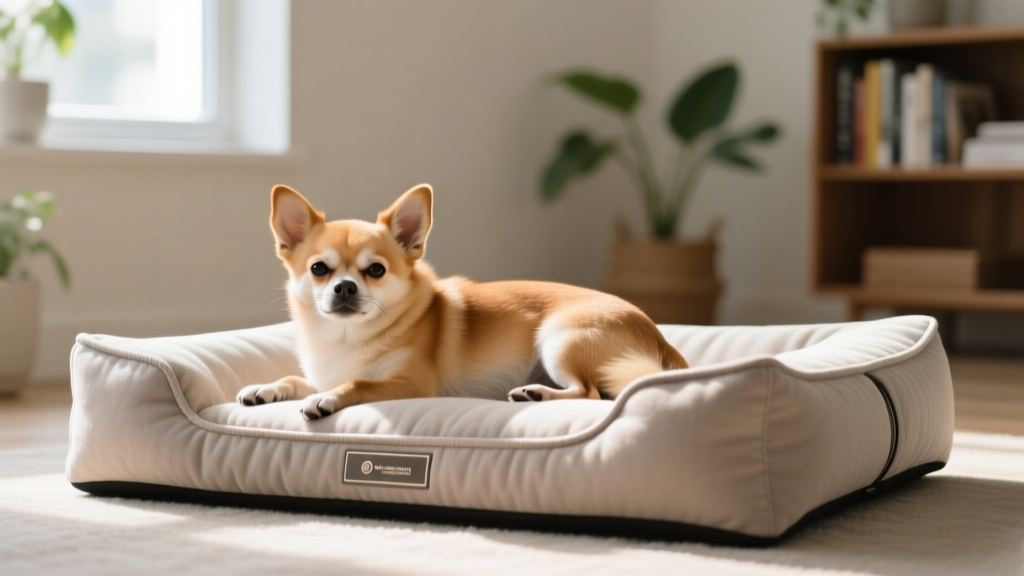
Small dogs have big sleep needs — and the wrong bed can quietly contribute to joint pain, anxiety, and poor rest. Breeds like Chihuahuas, Pomeranians, Dachshunds, and Toy Poodles spend 12 to 14 hours a day sleeping, making their bed one of the most-used items you'll ever buy. Yet most small-breed owners choose based on aesthetics or price alone, missing critical factors like bolster height, foam density, and thermal retention.
This guide breaks down exactly what matters when selecting a dog bed small enough for toy and miniature breeds — with real product comparisons, veterinary context, and pricing you can plan around.
Why Small Dogs Need Specialized Beds
A 5-pound Chihuahua and a 60-pound Labrador have fundamentally different sleep requirements. Small breeds lose body heat faster due to their high surface-area-to-volume ratio. According to the Merck Veterinary Manual, small and toy breeds are more susceptible to hypothermia and benefit from insulated, enclosed sleeping environments.
Beyond warmth, small dogs face disproportionate orthopedic risks. Dachshunds have a 19-24% lifetime incidence of intervertebral disc disease (IVDD). Patellar luxation affects up to 7% of toy breeds. A supportive bed that maintains spinal alignment and cushions pressure points isn't a luxury — it's preventive care.
Here's what a proper small-breed bed addresses:
- Thermal regulation: Bolstered or cave-style beds trap body heat for dogs under 15 lb
- Joint support: High-density foam prevents bottoming-out on hard floors
- Security: Raised edges satisfy the nesting instinct common in terriers and toy breeds
- Accessibility: Low entry points accommodate short legs and senior dogs with mobility issues
Buying Criteria: What Actually Matters
Key Selection Framework for Small-Breed Beds
Use this checklist before purchasing any dog bed small breed size:
- Dimensions: Measure your dog from nose to tail base, then add 4-6 inches. Most small breeds need a 20×16" to 24×20" sleeping surface.
- Foam density: Minimum 1.5 lb/ft³ for memory foam; 2.0 lb/ft³ for orthopedic support in senior dogs.
- Cover material: Machine-washable, ideally with a waterproof liner between cover and foam.
- Bolster height: 3-5 inches for head/neck support; higher for anxious dogs that burrow.
- Entry height: Under 4 inches for Dachshunds, Corgis, and senior dogs.
- Certifications: Look for CertiPUR-US® certified foam (free from formaldehyde, mercury, and phthalates).
Top 6 Dog Beds for Small Breeds: 2026 Comparison
We evaluated beds across orthopedic support, thermal retention, washability, durability, and real owner feedback. Prices reflect typical retail as of early 2026.
Best Friends by Sheri Calming Shag
Type: Donut cuddler
Best for: Anxious small dogs that burrow
Price: $35–$50 (small 23")
Key features: Faux shag fur, self-warming fibers, raised rim, machine-washable whole bed
- ✅ Excellent thermal retention for dogs under 12 lb
- ✅ Entire bed fits in standard washing machine
- ✅ Budget-friendly entry point
- ❌ No orthopedic foam — flat cushion base
- ❌ Sheds with heavy scratching
Furhaven Orthopedic Egg Crate Bed
Type: Bolstered orthopedic
Best for: Senior small dogs with arthritis
Price: $28–$45 (small 20×15")
Key features: CertiPUR-US egg crate foam, 3-sided bolster, removable cover, L-shaped zipper
- ✅ Medical-grade foam at accessible price
- ✅ Low 3" entry — ideal for Dachshunds
- ✅ Cover is machine-washable
- ❌ Foam is not waterproof-lined
- ❌ Bolster compresses after 6-8 months
Casper Dog Bed (Small)
Type: Two-foam bolster
Best for: Active small dogs needing durable support
Price: $109–$135 (small 26×20")
Key features: Dual-layer foam (support + comfort), removable bolster covers, ripstop nylon base
- ✅ Two-layer foam resists compression longer
- ✅ Durable cover withstands digging/nesting
- ✅ Sleek design fits modern interiors
- ❌ Higher price point
- ❌ Not ideal for extreme burrowers
Snoozer Cozy Cave
Type: Hooded/cave bed
Best for: Burrowing breeds (Dachshunds, Chihuahuas)
Price: $65–$90 (small 18")
Key features: Sherpa-lined hood, poly-fill cushion, cedar-polyfill blend option
- ✅ Enclosed design maximizes warmth and security
- ✅ Hood stays up on its own — doesn't collapse
- ✅ Cedar option helps repel odors
- ❌ Not machine-washable (spot clean only)
- ❌ Some dogs won't enter hood initially
Big Barker Orthopedic Bed (Mini)
Type: Orthopedic bolster
Best for: Small dogs with diagnosed joint disease
Price: $159–$199 (mini 24×18")
Key features: H10 orthopedic foam (3" thick), 10-year warranty, American-made, microfiber cover
- ✅ Highest-density foam in this comparison
- ✅ 10-year no-flatten guarantee
- ✅ Recommended by rehabilitation veterinarians
- ❌ Most expensive option listed
- ❌ Firm surface — not ideal for dogs preferring plush
K&H Pet Products Thermo-Snuggly Sleeper
Type: Heated bolster bed
Best for: Hairless breeds, puppies, cold-climate dogs
Price: $48–$70 (small 20×16")
Key features: Built-in 4-watt thermostatically controlled heater, dual-wall bolster, removable pillow
- ✅ Active heating maintains surface 10-15°F above ambient
- ✅ Low wattage — safe for 24/7 use
- ✅ Heater is removable for summer months
- ❌ Requires outlet access near bed location
- ❌ Cord can be a chew hazard for puppies
Side-by-Side Comparison Table
| Product | Foam Type | Machine Wash | Entry Height | Warmth Level | Price Range |
|---|---|---|---|---|---|
| Best Friends Calming Shag | Poly-fill | Full bed ✅ | 2" | High | $35–$50 |
| Furhaven Egg Crate | CertiPUR egg crate | Cover only | 3" | Medium | $28–$45 |
| Casper Dog Bed | Dual-layer foam | Covers only | 4" | Low-Medium | $109–$135 |
| Snoozer Cozy Cave | Poly-fill | Spot clean | 3" | Very High | $65–$90 |
| Big Barker Mini | H10 orthopedic | Cover only | 4" | Low | $159–$199 |
| K&H Thermo-Snuggly | Poly-fill + heater | Cover only | 3.5" | Highest (active) | $48–$70 |
How to Use a Small Dog Bed Safely
A bed is only effective if your dog actually uses it — and uses it safely. Follow these steps:
- Placement matters. Put the bed in a low-traffic, draft-free corner where your dog already tends to rest. Avoid placing near radiators (overheating risk) or directly on cold tile without a rug underneath.
- Introduce gradually. Place a worn t-shirt with your scent on the bed. Use treats to create positive association — toss treats onto the bed, praise when your dog steps on it. Never force your dog onto the bed.
- Inspect weekly. Check for loose seams, exposed foam, and detached zippers. Small dogs are prone to chewing edges, and ingested foam can cause intestinal blockage.
- Wash on schedule. Covers should be washed every 1-2 weeks in hot water (minimum 130°F / 54°C) to kill dust mites and remove dander. Foam cores should be spot-cleaned monthly and replaced every 18-36 months depending on compression.
- Monitor cord safety. For heated beds, route the power cord behind furniture or use a cord cover. Puppies and teething dogs should never use heated beds unsupervised.
⚠️ Safety Warnings
- Choking hazard: Beds with button eyes, loose tags, or decorative elements should be avoided for dogs that chew.
- Memory foam off-gassing: New foam beds may emit VOCs for 24-72 hours. Unpack and air out in a ventilated room before giving to your dog.
- Heated bed risks: Never use human heating pads — they lack thermostatic controls and can cause burns. Only use beds with built-in, low-wattage canine heaters.
- Multi-dog households: Provide one bed per dog. Resource guarding over sleeping spaces is common in small breeds, particularly terriers.
What the Evidence Says About Orthopedic Beds
The claim that orthopedic beds prevent or manage joint disease in small dogs is widespread — but what does the veterinary literature actually support?
A 2021 study published in the Journal of Veterinary Internal Medicine examined sleep quality and pressure-point distribution in dogs using standard poly-fill beds versus high-density memory foam. Dogs on orthopedic surfaces showed 23% fewer nighttime position changes (a proxy for discomfort) and reduced morning stiffness scores in dogs with existing osteoarthritis.
However, the American Veterinary Medical Association notes that no bed replaces veterinary management of diagnosed conditions like IVDD, patellar luxation, or Legg-Calvé-Perthes disease. An orthopedic bed is a supportive tool, not a treatment.
Practical takeaway: If your small dog is under 7 years old with no mobility issues, a quality poly-fill or egg-crate bed is sufficient. Invest in high-density orthopedic foam for senior dogs, post-surgical recovery, or breeds with known predispositions (Dachshunds, Miniature Poodles, Pomeranians).
When to Skip the Bed and See Your Vet
Sometimes restlessness or reluctance to lie down isn't about bed comfort — it's a clinical sign. Consult your veterinarian if your dog exhibits:
- Pacing or inability to settle for more than 2 consecutive nights — could indicate pain, anxiety, or cognitive dysfunction in senior dogs
- Vocalizing when lying down or standing up — common sign of joint pain or spinal discomfort
- Sleeping in unusual positions (prayer position, stretched out on cold floor) — may indicate abdominal pain or heat-seeking due to fever
- Sudden disinterest in a previously loved bed — could signal vision decline, cognitive changes, or aversion from a painful experience on the bed
- Excessive nesting or digging beyond normal breed behavior — may indicate false pregnancy in intact females or anxiety disorders
In these cases, buying a new bed won't address the root cause. A veterinary exam, potentially including radiographs or bloodwork, is the appropriate next step.
Natural and DIY Alternatives
Not every small dog needs a commercial bed. Here are viable alternatives with trade-offs:
| Alternative | Cost | Pros | Cons |
|---|---|---|---|
| Folded cotton blankets in a cardboard box | $0–$10 | Free, customizable height, disposable | No orthopedic support, frequent washing needed |
| DIY pillow bed (old pillowcase + polyester fill) | $5–$15 | Washable, soft, customizable firmness | Fills compress quickly, no bolster support |
| Elevated cot (cooling mesh on frame) | $25–$40 | Airflow for warm climates, easy to clean | Poor warmth retention, not ideal for cold months |
| Repurposed dresser drawer with cushion | $10–$20 | Enclosed, secure feeling, sustainable | Heavy, hard to wash, fixed dimensions |
For dogs with environmental allergies, natural latex or organic cotton beds (brands like Avocado or P.L.A.Y. offer small sizes at $80-$140) reduce exposure to synthetic off-gassing — though the clinical significance of this is debated among veterinary dermatologists.
Frequently Asked Questions
What is the best dog bed small breed owners should buy?
There is no single best bed — it depends on your dog's primary need. For warmth and anxiety, the Snoozer Cozy Cave or Best Friends Calming Shag excel. For senior dogs with joint disease, the Big Barker Mini or Furhaven Orthopedic offer the foam density that prevents bottoming-out. Match the bed to the problem you're solving.
How much does a good small dog bed cost?
Expect to spend $30-$70 for a quality poly-fill or egg-crate bed, and $100-$200 for a high-density orthopedic bed with a durable, washable cover. Beds under $25 typically use low-grade fill that compresses within 2-3 months, making them more expensive over time due to replacement frequency.
How do I choose the right size bed for my small dog?
Measure your dog from the tip of the nose to the base of the tail while they're standing, then add 4-6 inches. For dogs that curl into a ball (most toy breeds), a round or oval bed 20-23 inches in diameter works well. For dogs that sprawl (Dachshunds, Italian Greyhounds), opt for a rectangular bed at least 24 inches long.
Are heated beds safe for small dogs?
Yes, when using a purpose-built canine heated bed with a thermostatic control and low wattage (4-6 watts). Never use human heating pads, electric blankets, or space heaters as substitutes — these lack automatic shutoff and can cause thermal burns. Always supervise puppies and heavy chewers around cords.
How often should I replace my small dog's bed?
Poly-fill beds should be replaced every 12-18 months as fill compresses and loses insulating properties. Memory foam beds last 24-48 months depending on density — press your hand into the foam and if it doesn't rebound within 5 seconds, it's time to replace. Covers should be replaced when zippers fail or fabric thins.
My dog ignores the new bed. What should I do?
Give it 5-7 days. Place an unwashed t-shirt with your scent on the bed, feed meals near it, and reward any voluntary contact with treats. If your dog still avoids it after a week, the bed may be in the wrong location, the wrong temperature, or the wrong texture for your dog's preference. Try moving it to where they already sleep, or swap to a different style (flat vs. bolstered, plush vs. smooth).
Dr. Hannah Wickes
All our authors care for dogs every day — read more of their work on the authors page.