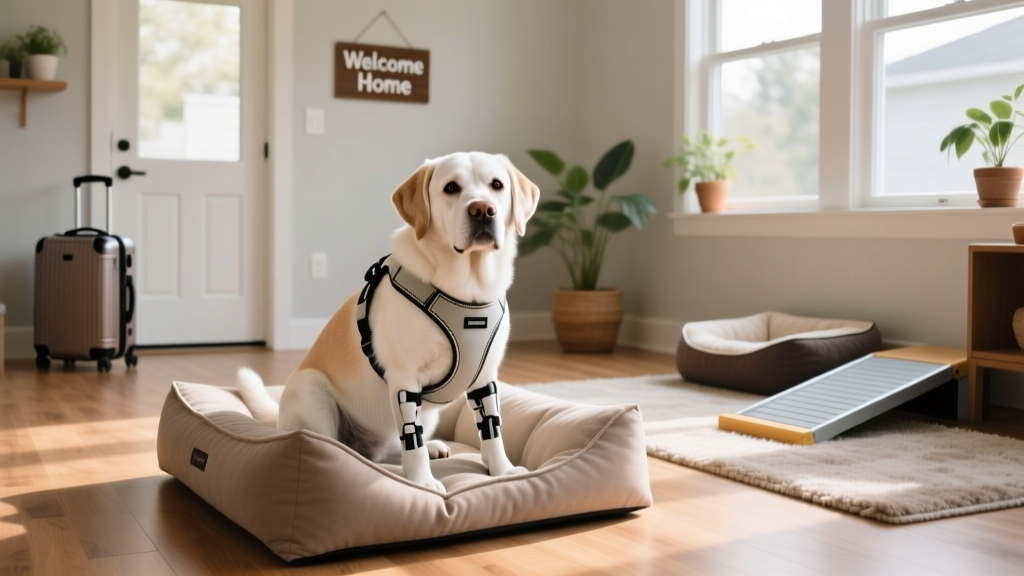
Dog Arthritis Symptoms: Early Warning Signs & Treatment Guide
Learn to spot dog arthritis symptoms early — from subtle stiffness to advanced joint pain.

What Is Arthritis in Dogs?
Arthritis — clinically known as osteoarthritis (OA) or degenerative joint disease (DJD) — is a progressive, inflammatory condition that breaks down the cartilage cushioning your dog's joints. As cartilage erodes, bone rubs against bone, causing pain, stiffness, and reduced mobility. According to the Merck Veterinary Manual, osteoarthritis affects an estimated 20% of adult dogs and up to 80% of dogs over the age of eight. It is the single most common cause of chronic pain in canine patients.
Arthritis is not a single disease but an umbrella term covering several mechanisms: primary (wear-and-tear degeneration over time), secondary (caused by underlying conditions like hip dysplasia, cruciate ligament tears, or joint infections), and immune-mediated (the body attacking its own joint tissues). Secondary osteoarthritis is by far the most common form seen in veterinary practice. Once cartilage damage occurs, it is irreversible — making early detection of dog arthritis symptoms critical for preserving your dog's quality of life.
Dog Arthritis Symptoms: A Severity-Based Checklist
Recognizing arthritis early means watching for changes in behavior and movement that develop gradually over weeks or months. The following symptom checklist is organized by disease progression stage so you can identify where your dog may fall on the spectrum.
| Stage | Symptoms | What You'll Notice at Home |
|---|---|---|
| Early (Mild) |
|
Your dog seems "a little slow" in the morning but warms up after 10–15 minutes of movement. You might dismiss it as normal aging. |
| Moderate |
|
Your dog stops halfway up the stairs and hesitates. They may lag behind on walks or sit down mid-walk. You notice one hind leg looks thinner than the other. |
| Advanced (Severe) |
|
Your dog may cry out when moving, struggle to stand even on hard floors, and show significant personality changes. This stage requires immediate veterinary intervention. |
Risk Factors: Which Dogs Are Most Likely to Develop Arthritis?
While any dog can develop arthritis, several factors dramatically increase risk. Understanding these helps you monitor proactively and discuss preventive strategies with your veterinarian.
Breed Predisposition
Large and giant breeds carry the highest arthritis risk due to rapid growth, heavier joint loading, and inherited orthopedic conditions. Breeds with documented predisposition include:
- German Shepherds — hip and elbow dysplasia prevalence estimated at 19% (OFA data)
- Labrador Retrievers — hip dysplasia, elbow dysplasia, and cruciate ligament disease
- Golden Retrievers — hip dysplasia and elbow dysplasia
- Rottweilers — hip dysplasia and osteochondritis dissecans (OCD)
- Saint Bernards — hip dysplasia prevalence exceeding 40% in some registries
- Newfoundlands — elbow dysplasia and cruciate disease
- Chesapeake Bay Retrievers — exercise-induced collapse and degenerative myelopathy compounding joint stress
Small breeds are not immune. Dachshunds (IVDD-related mobility changes), Pugs (patellar luxation), and Cocker Spaniels (immune-mediated polyarthritis) all face elevated risk, though often in different joints and through different mechanisms.
Age
Risk increases significantly after age 7 for large breeds and age 9–10 for small breeds. However, secondary arthritis from injuries or congenital defects can appear in dogs as young as 1–2 years old.
Weight
Obesity is both a cause and a consequence of arthritis. A dog carrying even 10% excess body weight places substantially increased force on weight-bearing joints. A study referenced by the AKC found that overweight dogs showed arthritis symptoms an average of 2 years earlier than lean counterparts of the same breed.
Previous Injuries and Surgery
Dogs with a history of cranial cruciate ligament (CCL) tears, fractures involving joint surfaces, or joint infections (septic arthritis) almost invariably develop secondary OA in the affected joint within 1–5 years, even with surgical repair.
Genetics
Polygenic inheritance patterns mean that even dogs from health-tested parents can develop joint disease, but responsible breeding with OFA or PennHIP screening reduces prevalence substantially across generations.
How Veterinarians Diagnose Arthritis in Dogs
If you've noticed any of the dog arthritis symptoms listed above, your veterinarian will follow a structured diagnostic process. Here's what to expect at the appointment and what each step reveals.
- Step 1: Clinical History & Observation Your vet will ask about onset, duration, and pattern of symptoms (worse in morning? after exercise? in cold weather?). They'll watch your dog walk, trot, sit, and stand in the exam room. Cost: Included in exam fee ($60–$120).
- Step 2: Orthopedic Examination The vet will palpate each joint — assessing range of motion, swelling, heat, pain response, crepitus (grating sensation), and joint stability. They'll check for drawer sign (cruciate ligament integrity) and perform hip extension tests. Cost: Included in exam fee.
- Step 3: Radiographs (X-Rays) X-rays of affected joints under sedation are the gold standard for confirming OA. The vet looks for joint space narrowing, osteophytes (bone spurs), subchondral bone sclerosis, and joint effusion. Sedation ensures proper positioning and muscle relaxation for clear images. Cost: $200–$500 depending on number of views and sedation.
- Step 4: Blood Work A CBC and chemistry panel rule out systemic conditions (tick-borne disease, immune-mediated arthritis, infection) that mimic OA symptoms. Blood work is also required before starting NSAID therapy to assess liver and kidney function. Cost: $120–$250.
- Step 5: Advanced Imaging (If Needed) CT or MRI may be recommended if the vet suspects concurrent conditions like spinal disease, cartilage defects, or soft tissue injuries not visible on X-ray. Cost: $800–$2,500.
- Step 6: Joint Fluid Analysis (Arthrocentesis) In cases where immune-mediated or infectious arthritis is suspected, the vet may collect synovial fluid under anesthesia for cytology. Cost: $150–$350.
Arthritis Treatment Options for Dogs
Can arthritis in dogs be cured? No — osteoarthritis is a progressive, irreversible condition. However, it can be managed effectively. Modern veterinary medicine offers a multi-modal approach combining pharmaceuticals, supplements, physical therapy, and lifestyle modification. Dogs receiving comprehensive management often maintain good quality of life for years after diagnosis.
| Treatment Category | Specific Options | How It Works | Monthly Cost | Efficacy |
|---|---|---|---|---|
| NSAIDs | Carprofen (Rimadyl), Meloxicam (Metacam), Grapiprant (Galliprant), Robenacoxib (Onsior) | Block COX enzymes to reduce inflammation and pain at the joint level | $30–$120 | High — first-line therapy; 70–85% of dogs show significant improvement within 2 weeks |
| Adequan Injections | Polysulfated glycosaminoglycan (PSGAG) | Inhibits cartilage-degrading enzymes; promotes synovial fluid production | $40–$80 (loading series then maintenance) | Moderate-High — particularly effective in early-to-moderate OA |
| Librela (Bedinvetmab) | Anti-NGF monoclonal antibody injection | Neutralizes nerve growth factor, blocking pain signaling at the nerve level | $75–$200 per monthly injection | High — clinical trials showed 40–60% reduction in pain scores; especially useful when NSAIDs are contraindicated |
| Solensia (Frunevetmab) | Anti-NGF monoclonal antibody (for cats — but concept applies) | Same mechanism as Librela; Solensia is the feline equivalent | N/A for dogs | N/A |
| Joint Supplements | Glucosamine HCl, Chondroitin sulfate, MSM, Omega-3 fatty acids (fish oil), Green-lipped mussel, Undenatured Type II Collagen (UC-II) | Provide building blocks for cartilage repair; reduce inflammatory mediators | $15–$60 | Mild-Moderate — best as adjunct therapy; UC-II and omega-3s have strongest evidence |
| Physical Rehabilitation | Underwater treadmill, therapeutic laser (cold laser/Class IV), acupuncture, range-of-motion exercises, hydrotherapy | Maintains muscle mass, improves joint flexibility, reduces pain through non-pharmacological pathways | $50–$150 per session (weekly or biweekly) | Moderate-High — underwater treadmill shows significant improvement in weight-bearing within 8–12 weeks |
| Weight Management | Prescription weight-loss diets (Hill's Metabolic, Royal Canin Satiety), calorie restriction, structured exercise | Reduces mechanical load on joints; a 6–10% body weight loss significantly improves mobility scores | $40–$90 (food cost) | High — one of the most impactful single interventions; a University of Liverpool study showed 6% weight loss equaled the pain reduction of NSAID therapy alone |
| Surgery | Total hip replacement (THR), arthroscopy, joint fusion (arthrodesis), cranial cruciate ligament repair (TPLO/TTA) | Corrects underlying structural problems or replaces destroyed joints | $3,000–$8,000 per joint (THR); $2,500–$5,000 (TPLO) | High for correctable conditions — THR has 90–95% success rate for restoring full function |
Prognosis: Life Expectancy and Quality of Life by Stage
Arthritis itself is not directly fatal. Dogs do not die from osteoarthritis — they suffer from reduced quality of life, and in advanced cases, owners may face difficult end-of-life decisions due to unmanageable pain. The prognosis depends heavily on which joints are affected, the underlying cause, and how aggressively the condition is managed.
| Stage at Diagnosis | Typical Prognosis | Expected Quality of Life | Management Intensity |
|---|---|---|---|
| Early (Grade 1–2 radiographic) | Excellent — normal lifespan expected. Progression can be slowed by 3–5+ years with early intervention. | Near-normal with supplements, weight control, and moderate exercise modification. | Low — daily supplement, annual vet monitoring |
| Moderate (Grade 2–3) | Good — most dogs maintain good function for 3–7 years with consistent multi-modal management. | Good with daily medication. Some activity limitations; may have occasional flare-ups requiring dose adjustments. | Moderate — daily NSAID or Librela, supplements, periodic rehab |
| Advanced (Grade 3–4) | Guarded to fair — quality of life varies day-to-day. Surgical options may still improve outcomes significantly. | Reduced. May require assistance rising, ramps, modified living space. Pain management becomes central to daily care. | High — multiple medications, frequent vet visits, home modifications |
| End-Stage | Poor for comfort without intervention. Humane euthanasia may be considered when pain is unmanageable. | Severely compromised. Loss of mobility, appetite, and interest in activities. | Palliative or hospice care; quality-of-life assessments using tools like the HHHHHMM scale |
A dog diagnosed with early-stage arthritis at age 8 can realistically live to their breed's normal life expectancy (12–15 years for many breeds) with proper management. The key is consistency — dogs whose treatment lapses tend to progress faster.
Home Care and Daily Management
What you do at home between vet visits has an enormous impact on your dog's comfort and disease progression. Here are evidence-based home management strategies:
Environmental Modifications
- Orthopedic bed: Memory foam beds (4–6 inches thick) reduce pressure on joints during rest. Brands like Big Barker and PetFusion offer orthopedic models with bolster support. Budget: $80–$250.
- Ramps and stairs: Pet ramps for car access and furniture prevent the high-impact jumping that accelerates joint damage. Look for ramps rated at 1.5× your dog's weight. Budget: $40–$150.
- Non-slip surfaces: Place rubber-backed rugs or yoga mats over hardwood and tile floors. Slipping on smooth surfaces causes micro-injuries that worsen arthritis. Budget: $20–$60 for a room set.
- Raised food and water bowls: For dogs with spinal or shoulder arthritis, elevated feeders (adjusted to shoulder height) reduce neck strain during meals. Budget: $15–$50.
- Warmth: Heated pet beds or microwaveable heat packs (used 15–20 minutes at a time) improve circulation and reduce morning stiffness. Never apply heat to acutely inflamed joints — use cold packs instead.
Exercise Guidelines
Exercise must continue — muscle atrophy from inactivity actually worsens arthritis by removing the muscular support that stabilizes joints. The rule: shorter, more frequent sessions on softer surfaces.
- Replace one 45-minute walk with three 15-minute walks spread throughout the day
- Swimming (if accessible) provides resistance without joint loading — ideal for arthritic dogs
- Avoid high-impact activities: fetch on hard surfaces, frisbee, jumping, agility
- Leash walks on grass or dirt paths rather than concrete
- Monitor for the "24-hour rule": if your dog is stiffer or more lame 24 hours after exercise than before, the activity level was too high
Weight Management
Maintaining a lean body condition score (BCS 4–5 on the 9-point scale) is arguably the single most impactful home intervention. Work with your vet to calculate your dog's target weight and daily caloric needs. Even a 2-pound reduction in a 50-pound dog can produce measurable improvement in mobility scores within 8–12 weeks.
Supplement Protocol
Look for supplements with the NASC (National Animal Supplement Council) quality seal. Effective options include:
- Omega-3 fish oil: Target dose of 300–400 mg combined EPA+DHA per 10 lb of body weight daily. Brands: Nordic Naturals Pet, Grizzly Salmon Oil.
- UC-II (Undenatured Type II Collagen): Typically 10 mg daily for dogs. Available in products like Flexadin Advanced.
- Green-lipped mussel (Perna canaliculus): 15–20 mg per pound daily. Found in products like Yumove and Super Joint Enhancer.
Cost of Arthritis Treatment in Dogs
Managing canine arthritis is a long-term financial commitment. Here's a realistic breakdown of costs across different scenarios, based on 2025–2026 U.S. veterinary pricing data:
| Expense Category | Low Estimate | Average | High Estimate |
|---|---|---|---|
| Initial diagnosis (exam + X-rays + blood work) | $380 | $550 | $870 |
| Annual medication (NSAID) | $360 | $720 | $1,440 |
| Librela injections (annual) | $900 | $1,500 | $2,400 |
| Supplements (annual) | $180 | $400 | $720 |
| Rehabilitation therapy (annual, biweekly) | $1,200 | $2,600 | $4,800 |
| Surgical intervention (if needed) | $2,500 | $4,500 | $8,000 |
| First-year total (non-surgical) | $1,120 | $2,670 | $5,430 |
| Ongoing annual cost (after year 1) | $740 | $2,120 | $4,560 |
Pet insurance can offset some of these costs if enrolled before diagnosis (pre-existing conditions are typically excluded). Plans with chronic condition coverage and higher annual limits ($10,000–$30,000) are most appropriate for breeds prone to orthopedic issues.
Prevention: Reducing Arthritis Risk Before It Starts
While you cannot eliminate genetic risk entirely, proactive measures significantly delay onset and reduce severity:
- Maintain lean body condition from puppyhood: A landmark 2002 study (Kealy et al., JAVMA) following Labrador Retrievers for their entire lives found that dogs fed 25% fewer calories than free-fed littermates developed arthritis an average of 3 years later and with significantly less severity.
- Health-test breeding stock: If purchasing a puppy from a predisposed breed, verify that both parents have OFA or PennHIP hip scores and elbow clearances. This does not guarantee your puppy will be unaffected, but it dramatically reduces population-level risk.
- Avoid excessive high-impact exercise in growing puppies: Forced running (jogging alongside a bicycle), repetitive jumping, and hard-surface play before growth plates close (12–18 months for large breeds) increase micro-trauma to developing joints.
- Address injuries promptly: A torn cruciate ligament left unrepaired will cause secondary arthritis within months. Early surgical stabilization (TPLO or TTA) slows OA progression significantly compared to conservative management.
- Start joint supplements early in at-risk breeds: Beginning omega-3 supplementation and a glucosamine-based product at age 2–3 in predisposed breeds may delay clinical onset. Discuss this with your veterinarian at your dog's annual wellness exam.
If your dog shows any of the following, schedule a veterinary appointment within 24–48 hours:
- Sudden, non-weight-bearing lameness (could indicate fracture or complete ligament rupture, not just arthritis)
- A joint that is hot, swollen, or extremely painful to touch (possible septic arthritis — a medical emergency)
- Fever accompanying joint pain (systemic infection or immune-mediated disease)
- Paralysis or dragging of hind limbs (could indicate spinal cord compression — seek emergency care immediately)
- Inability to stand or walk for more than a few steps
- Vomiting, diarrhea, or dark stools in a dog currently taking NSAIDs (possible gastrointestinal ulceration — discontinue medication and call your vet immediately)
Frequently Asked Questions
Can dog arthritis be cured?
No. Osteoarthritis is a progressive, irreversible degenerative condition. However, with early diagnosis and multi-modal management, most dogs maintain comfortable mobility for years. The goal of treatment is pain control, slowing progression, and preserving quality of life — not reversal of existing damage.
At what age do dogs typically get arthritis?
Most dogs show first symptoms between ages 7 and 10, but large breeds with hip dysplasia or dogs with prior joint injuries can develop symptoms as early as 1–3 years old. Giant breeds (Great Danes, Saint Bernards) may show signs by age 4–5.
Is walking good for dogs with arthritis?
Yes — controlled, moderate walking on soft surfaces is beneficial. The key is shorter, more frequent walks rather than long sessions. Swimming and underwater treadmill therapy are even better because they build muscle without loading the joints. Avoid sudden sprints, sharp turns, and hard surfaces.
What is the best pain medication for dog arthritis?
There is no single "best" medication — the choice depends on your dog's kidney and liver function, concurrent conditions, and individual response. Carprofen (Rimadyl) remains the most commonly prescribed NSAID. Galliprant (grapiprant) is preferred for dogs with kidney concerns because it targets the EP4 receptor rather than COX enzymes. Librela (bedinvetmab) is the newest option and is particularly useful for dogs who cannot tolerate NSAIDs. Your veterinarian will determine the best option based on blood work and clinical assessment.
Can I give my dog human pain medication like ibuprofen?
No. Ibuprofen (Advil, Motrin), naproxen (Aleve), and acetaminophen (Tylenol) are toxic to dogs at therapeutic human doses. Ibuprofen can cause fatal kidney failure and gastric ulceration in dogs. If your dog is in pain and you don't have prescribed veterinary medication, contact your veterinarian or an emergency clinic. For accidental ingestion of human medications, call the ASPCA Animal Poison Control Center at (888) 426-4435 (24/7, consultation fee applies).
How long can a dog live with arthritis?
Most dogs live a normal lifespan with well-managed arthritis. A dog diagnosed at age 7–8 with mild OA can live another 5–8 years with consistent treatment. The condition itself is not life-threatening — the concern is maintaining acceptable quality of life as the disease progresses.
Which breeds are most prone to arthritis?
German Shepherds, Labrador Retrievers, Golden Retrievers, Rottweilers, Saint Bernards, Newfoundlands, and Great Danes carry the highest risk due to size and genetic predisposition to hip and elbow dysplasia. Among small breeds, Dachshunds, Pugs, and Cocker Spaniels face elevated risk through different mechanisms.
Does cold weather make dog arthritis worse?
Many owners report increased stiffness and lameness during cold, damp weather — similar to what human arthritis patients experience. While controlled studies in dogs are limited, the anecdotal pattern is strong enough that veterinarians commonly recommend heated beds and indoor exercise during winter months for arthritic dogs.
This article is for informational purposes only and does not replace professional veterinary advice. If you suspect your dog has arthritis or is showing any symptoms described above, consult your veterinarian for a proper diagnosis and individualized treatment plan. Early intervention significantly improves long-term outcomes.
Marcus Aldridge
All our authors care for dogs every day — read more of their work on the authors page.