Dog Arthritis Pain Relief: Complete Treatment & Management Guide
Guide to dog arthritis pain relief covering symptoms, diagnosis, treatment options, costs, and home management strategies for canine osteoarthritis.
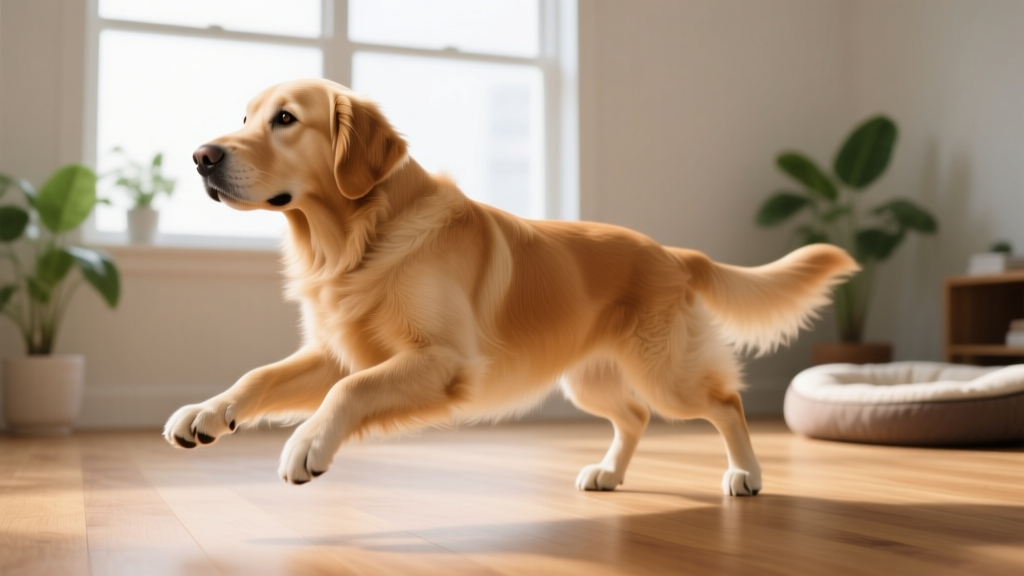
If your dog is slowing down on walks, hesitating before jumping into the car, or seeming stiff on cold mornings, you may be witnessing the early signs of canine osteoarthritis (OA). Osteoarthritis is a progressive, degenerative joint disease where the protective cartilage cushioning the bones gradually wears away, leading to inflammation, bone-on-bone friction, and chronic pain. According to veterinary research, approximately 20-25% of all adult dogs are affected by OA, and that number rises to over 80% in dogs older than eight years of age, as noted by the Merck Veterinary Manual. It is not simply an "old dog" problem — trauma, genetics, obesity, and developmental disorders like hip dysplasia can trigger arthritis in younger dogs too.
Finding effective dog arthritis pain relief is about more than masking symptoms. A multi-modal approach — combining medication, weight management, physical therapy, and environmental modifications — consistently yields the best outcomes for long-term joint health and quality of life. This guide walks you through every stage of the disease, from early detection to advanced management, with real cost data and treatment specifics you can bring to your next veterinary visit.
What Is Osteoarthritis in Dogs?
Osteoarthritis, also called degenerative joint disease (DJD), is the most common form of arthritis in dogs. It occurs when the articular cartilage — the smooth tissue covering the ends of bones at a joint — deteriorates faster than the body can repair it. As cartilage thins, the underlying bone thickens, osteophytes (bone spurs) form, and synovial fluid becomes less effective at lubrication. The result is a joint that is stiff, inflamed, and painful with every movement.
OA can be classified into two categories:
- Primary OA: Age-related wear and tear with no specific underlying cause. More common in senior dogs.
- Secondary OA: Triggered by an identifiable factor — hip or elbow dysplasia, cranial cruciate ligament (CCL) rupture, joint infection, trauma, or congenital conditions like luxating patella.
The hips, knees (stifles), elbows, and shoulders are most commonly affected, though any synovial joint can develop OA. The disease is progressive and currently incurable, but early intervention significantly slows its advancement and preserves mobility.
Recognizing the Symptoms: Early Warning Signs vs. Advanced Disease
Dogs are notoriously stoic about pain. In the wild, showing weakness is dangerous, and that instinct persists in your living room. By the time obvious limping appears, OA may already be moderately advanced. Learning the subtle early signals is critical for timely intervention.
| Stage | Early Signs (Mild OA) | Advanced Signs (Moderate-Severe OA) |
|---|---|---|
| Mobility | Reluctance to jump into car or onto furniture; slower to rise after resting; slight stiffness in morning that resolves within 10-15 minutes | Visible limping or favoring a limb; inability to climb stairs; difficulty posturing to urinate/defecate; muscle atrophy in affected limbs |
| Activity Level | Shorter walks; lagging behind on outings; less interest in play; sleeping more than usual | Refusal to walk beyond short distances; inability to run; withdrawal from family activities |
| Behavior | Irritability when touched near joints; licking or chewing at a specific joint; restlessness at night | Aggression when approached; vocalizing (whining, yelping) when moving; loss of appetite; anxiety or depression |
| Physical Changes | Warmth around a joint; mild swelling; slight decrease in range of motion | Visible joint thickening; obvious muscle wasting; grating sound (crepitus) during movement; joint instability |
Risk Factors: Which Dogs Are Most Prone to Arthritis?
Risk Factor Profile for Canine Osteoarthritis
- Age: Risk increases significantly after age 7, though secondary OA can appear in dogs as young as 1-2 years
- Weight: Overweight and obese dogs are 2-3x more likely to develop OA; excess body fat also produces pro-inflammatory cytokines that accelerate joint damage
- Breed Predisposition: Large and giant breeds carry the highest risk (see breed list below)
- Genetics: Dogs with heritable orthopedic conditions (hip dysplasia, elbow dysplasia, OCD) face near-certain OA development
- Previous Injury: CCL tears, fractures involving a joint surface, or joint infections dramatically increase OA risk in the affected joint
- Activity History: High-impact activities (agility, flyball, repetitive jumping) on hard surfaces contribute to cumulative joint stress
- Sterilization Timing: Some studies suggest early spay/neuter (before skeletal maturity) in large breeds may increase risk of developmental orthopedic disease, though findings remain debated
Breeds With Highest Arthritis Predisposition
Certain breeds carry well-documented genetic risks for the orthopedic conditions that lead to secondary OA. The American Kennel Club and the Orthopedic Foundation for Animals (OFA) track these predispositions:
- German Shepherd Dog — hip and elbow dysplasia prevalence of 19-20%
- Labrador Retriever — hip dysplasia (~11%), elbow dysplasia (~12%), and high obesity susceptibility
- Golden Retriever — hip dysplasia (~20%), elbow dysplasia (~15%)
- Rottweiler — hip dysplasia (~20%), CCL rupture susceptibility
- Saint Bernard — hip dysplasia (~47%), elbow dysplasia (~13%)
- Bernese Mountain Dog — hip and elbow dysplasia, plus cruciate disease
- Newfoundland — hip dysplasia (~25%), elbow dysplasia (~50% — among highest recorded)
- Mastiff breeds (English Mastiff, Bullmastiff, Neapolitan Mastiff) — extreme body mass stresses joints
- Dachshund — IVDD-related mobility changes leading to compensatory joint stress
- Chesapeake Bay Retriever — hip dysplasia (~18%), degenerative myelopathy overlap
Small breeds are not immune. Miniature Poodles, Pugs (patellar luxation), and Cocker Spaniels also show elevated OA rates, often linked to luxating patellas or autoimmune-mediated joint inflammation.
How Is Dog Arthritis Diagnosed?
A definitive arthritis diagnosis requires a veterinary exam — you cannot confirm OA from symptoms alone, as several conditions (tick-borne diseases like Lyme arthritis, immune-mediated polyarthritis, bone tumors, and neurological disorders) can mimic OA signs. Here is what to expect during the diagnostic process:
Step-by-Step Diagnostic Process
- Orthopedic Physical Exam ($60-$120): Your vet will palpate each joint, assess range of motion, check for joint effusion (fluid swelling), crepitus (grinding), and pain response. They will also evaluate gait and muscle mass symmetry.
- Radiographs / X-Rays ($150-$400): At least two views of each affected joint, typically taken under sedation ($75-$150) for proper positioning and to prevent muscle tension from obscuring findings. X-rays reveal osteophytes, joint space narrowing, subchondral bone sclerosis, and joint effusion. These changes confirm OA and help stage its severity.
- Blood Work ($80-$200): A complete blood count (CBC) and chemistry panel rule out systemic conditions and establish baseline organ function before starting long-term NSAIDs. This is essential — NSAIDs are metabolized by the liver and kidneys, and pre-existing dysfunction changes drug selection.
- Advanced Imaging (if needed, $400-$1,200): CT or MRI may be recommended if the diagnosis is unclear, if a joint tumor is suspected, or to evaluate complex joints like the spine. Not required for typical OA cases.
- Joint Fluid Analysis ($100-$250): In cases where infection or immune-mediated arthritis is suspected, arthrocentesis (joint tap) provides a synovial fluid sample for cytology and culture.
Treatment Options for Dog Arthritis Pain Relief
There is no cure for osteoarthritis, but a well-designed multi-modal pain management plan can keep most dogs comfortable and active for years. The American Veterinary Medical Association endorses a layered approach combining pharmaceutical, nutritional, physical, and environmental strategies. Here is a comparison of the primary treatment categories:
| Treatment | Type | Mechanism | Onset of Relief | Monthly Cost | Key Considerations |
|---|---|---|---|---|---|
| NSAIDs (Carprofen, Meloxicam, Grapiprant) | Prescription | Block COX enzymes / prostaglandin pathways to reduce inflammation and pain | 1-3 days | $30-$80 | Requires baseline and periodic blood work; GI, liver, kidney side effects possible. Grapiprant (Galliprant) targets EP4 receptor specifically — fewer systemic effects |
| Adequan (Polysulfated Glycosaminoglycan) | Prescription injection | Inhibits cartilage-degrading enzymes; promotes cartilage repair | 2-4 weeks (loading series) | $40-$75 (maintenance) | IM injection series: twice weekly for 4 weeks, then monthly. Well-tolerated, few side effects |
| Librela (Bedinvetmab) | Prescription injection | Monoclonal antibody that neutralizes Nerve Growth Factor (NGF) — a key pain signaling molecule in OA | 2-4 weeks | $65-$130 | Monthly subcutaneous injection. FDA-approved 2023. No liver/kidney metabolism — ideal for dogs that cannot tolerate NSAIDs |
| Gabapentin | Prescription | Modulates calcium channels in the nervous system to reduce neuropathic pain signaling | 3-7 days | $15-$40 | Used as adjunct to NSAIDs. Sedation common initially, usually resolves in 5-7 days. Dosed at 5-10 mg/kg every 8-12 hours |
| Amantadine | Prescription | NMDA receptor antagonist — reduces central pain sensitization ("wind-up" pain) | 2-4 weeks | $20-$50 | Added when NSAIDs alone are insufficient. Used in 21-day on / 21-day off cycles or continuously depending on response |
| Omega-3 Fatty Acids (EPA/DHA) | Supplement | Anti-inflammatory — compete with omega-6 for COX enzyme, producing less inflammatory eicosanoids | 4-8 weeks | $15-$35 | Target dose: 75-100 mg combined EPA+DHA per kg of body weight daily. Must be fish-based, not plant-based (dogs cannot efficiently convert ALA) |
| Glucosamine/Chondroitin | Supplement | Provide building blocks for cartilage and synovial fluid; mild anti-inflammatory | 4-6 weeks | $15-$30 | Evidence is mixed; some dogs respond well. Look for products with independent quality testing (NASC seal) |
| Laser Therapy (Class IV) | In-clinic procedure | Photobiomodulation reduces inflammation, increases circulation, stimulates tissue repair | 1-3 sessions (each 5-10 min) | $40-$75 per session | Initial series: 6-8 sessions over 3-4 weeks, then maintenance every 2-4 weeks. Non-invasive, no known side effects |
| Hydrotherapy / Underwater Treadmill | Physical therapy | Buoyancy reduces joint loading while water resistance builds muscle; warm water reduces stiffness | 4-6 sessions | $55-$90 per session | Ideal for maintaining muscle mass without impact. Especially valuable post-surgery or for severely arthritic dogs |
| Acupuncture | Complementary | Stimulates nerve pathways, releases endorphins, modulates pain signaling | 3-6 sessions | $60-$100 per session | Performed by a certified veterinary acupuncturist (CVA). Often combined with conventional treatments |
When Surgery Is Considered
Surgical intervention is reserved for specific scenarios rather than generalized OA:
- Total Hip Replacement (THR): The gold standard for end-stage hip OA. Cost: $5,000-$7,500 per hip. Success rate exceeds 90-95% with full return to normal function. Recovery: 8-12 weeks of restricted activity.
- Femoral Head Ostectomy (FHO): Removal of the femoral head, creating a "false joint" from scar tissue. Cost: $1,500-$3,000. Best for small-to-medium dogs under 50 lb / 23 kg. Less ideal than THR but more affordable.
- Arthroscopy: Minimally invasive joint exploration and debridement, sometimes used for elbow dysplasia or fragmented coronoid process. Cost: $2,000-$4,000.
- Joint Fusion (Arthrodesis): A salvage procedure for a single severely damaged joint (commonly the carpus/wrist). Eliminates pain by eliminating motion. Cost: $2,500-$4,500.
Prognosis: What to Expect at Each Stage
| Stage | Radiographic Findings | Functional Impact | Expected Outcome With Treatment |
|---|---|---|---|
| Mild (Stage 1) | Minimal osteophytes, joint space preserved, slight subchondral sclerosis | Occasional stiffness, normal activity most days | Excellent — many dogs maintain near-normal function for 3-5+ years with weight control and early supplementation |
| Moderate (Stage 2) | Definite osteophytes, mild joint space narrowing, moderate sclerosis | Consistent stiffness after rest, reduced exercise tolerance, intermittent lameness | Good — multi-modal management (NSAID + supplement + physical therapy) typically provides sustained comfort for 2-4 years |
| Severe (Stage 3) | Large osteophytes, significant joint space loss, bone remodeling, possible subchondral cysts | Persistent lameness, significant muscle atrophy, reluctance to move, pain with manipulation | Fair — requires aggressive multi-modal therapy; quality of life can be maintained 1-3 years with dedicated management; surgery may be indicated |
| End-Stage (Stage 4) | Bone-on-bone contact, severe deformity, ankylosis (joint fusion from bone growth) | Inability to bear weight on affected limb, constant pain, significant quality-of-life impact | Guarded — surgical options (THR, arthrodesis) or palliative care; euthanasia may be considered if pain cannot be controlled |
It is important to emphasize that OA progression varies enormously between individual dogs. Some dogs remain in Stage 1 for many years with proper management; others progress more rapidly, particularly if obesity or ongoing joint instability is not addressed. Your veterinarian will assess your dog's specific trajectory and adjust the plan accordingly.
Home Care and Daily Management Strategies
The medications your vet prescribes are only part of the equation. Daily management at home often makes the largest difference in your dog's comfort and mobility over time.
Weight Management: The Single Most Impactful Intervention
Every extra pound on your dog's frame multiplies the force on weight-bearing joints. A landmark study from the University of Liverpool demonstrated that dogs maintained at an ideal body condition score (BCS 4-5 out of 9) lived a median of 2.5 years longer than overweight littermates and showed significantly less OA progression. Ask your vet to score your dog's BCS at every visit and calculate their target caloric intake. For most overweight dogs, reducing daily food intake by 10-15% while switching to a weight-management formula achieves safe, gradual weight loss of 1-2% of body weight per week.
Environmental Modifications
- Orthopedic Bed: Memory foam or bolster-style beds (4-6 inches thick for large breeds) reduce pressure on joints during rest. Brands like Big Barker and K9 Ballistics offer orthopedic models in the $120-$250 range.
- Non-Slip Surfaces: Place yoga mats, area rugs, or adhesive traction strips (e.g., PawFriction paw pads, $25-$35) on hardwood and tile floors. Slipping on smooth surfaces causes micro-injuries and accelerates OA.
- Ramps and Steps: Foam or telescoping ramps ($40-$120) for car loading and furniture access eliminate high-impact jumping. For stairs, consider a stair sling harness ($25-$50) to support your dog's hindquarters.
- Raised Food Bowls: For dogs with cervical (neck) or shoulder OA, raised feeders reduce the need to bend down. Height should place the bowl at your dog's lower chest level.
- Temperature Control: Cold and damp weather worsens joint stiffness. Keep your dog's sleeping area warm (68-72°F / 20-22°C), and consider a heated bed insert or dog-safe heating pad on low for 15-20 minutes before morning activity.
Exercise: Controlled and Consistent
Arthritic dogs still need exercise — inactivity causes muscle atrophy, which destabilizes joints and worsens pain. The key is low-impact, controlled movement:
- Leash walks: Two shorter walks (15-20 minutes each) are better than one long walk. Avoid sudden sprints or sharp turns.
- Swimming: Ideal for OA — zero joint impact with full range of motion. Use a canine life vest for safety ($25-$45).
- Controlled hill walking: Gentle uphill walking builds hindquarter strength without high impact.
- Avoid: Fetch on hard surfaces, repetitive jumping (frisbee, agility), running alongside bicycles, and long hikes on uneven terrain during flare-ups.
At-Home Physical Therapy Techniques
Your veterinarian or a certified canine rehabilitation therapist (CCRT) can teach you safe techniques:
- Passive range of motion (PROM): Gently flex and extend affected joints through their comfortable range, 10-15 repetitions, 1-2 times daily. Never force past resistance.
- Massage: Effleurage (long, gliding strokes) along the muscles surrounding affected joints improves circulation and reduces compensatory muscle tension. 5-10 minutes daily.
- Balance exercises: Standing on an inflatable balance disc or folded towel for 30-60 seconds strengthens stabilizing muscles. Supervise closely.
How Much Does Dog Arthritis Treatment Cost?
Budgeting for OA is important because this is a lifelong management condition. Here is a realistic cost breakdown based on 2025-2026 veterinary pricing data:
| Expense Category | Low Estimate | Mid-Range | High Estimate | Frequency |
|---|---|---|---|---|
| Initial diagnostic workup (exam, X-rays, blood work, sedation) | $365 | $600 | $970 | One-time (repeat X-rays annually) |
| NSAID medication (Carprofen, Meloxicam, Grapiprant) | $30/mo | $55/mo | $80/mo | Ongoing |
| Joint supplements (omega-3 + glucosamine) | $25/mo | $40/mo | $65/mo | Ongoing |
| Adequan injections (maintenance phase) | $40/mo | $55/mo | $75/mo | Monthly |
| Librela monthly injection | $65/mo | $95/mo | $130/mo | Monthly |
| Follow-up blood work (liver/kidney monitoring) | $80 | $120 | $200 | Every 6 months |
| Laser therapy sessions | $40/session | $55/session | $75/session | Weekly to monthly (maintenance) |
| Hydrotherapy sessions | $55/session | $70/session | $90/session | Weekly to biweekly |
| Orthopedic bed and home modifications | $100 | $200 | $400 | One-time (replace bed every 2-3 years) |
| Surgery (THR, if indicated) | $5,000 | $6,000 | $7,500 | Per hip (one-time) |
Prevention: Slowing Arthritis Before It Starts
While you cannot change your dog's genetics, several evidence-based strategies reduce OA risk or delay its onset:
- Maintain lean body condition from puppyhood: Puppies kept at BCS 4/9 develop hip dysplasia at significantly lower rates than those allowed to become overweight. This is the single most impactful preventive measure.
- Feed large-breed puppies a controlled-growth diet: AAFCO-formulated large-breed puppy food (calcium:phosphorus ratio of 1.1-1.4:1, caloric density controlled) prevents rapid skeletal growth that outpaces joint development.
- Delay high-impact activities: Avoid repetitive jumping, jogging on hard surfaces, and agility training until growth plates close (typically 14-18 months for large breeds, 18-24 months for giant breeds).
- Screen breeding dogs: If you are acquiring a puppy from a breed prone to dysplasia, confirm that both parents have OFA or PennHIP certifications for hips and elbows.
- Start joint supplements early: For predisposed breeds, beginning omega-3 supplementation at 1-2 years of age (before clinical signs appear) may delay OA onset by providing anti-inflammatory support during peak joint stress years.
- Prompt treatment of injuries: Any joint injury, limping episode lasting more than 48 hours, or known ligament tear should receive immediate veterinary attention. Early stabilization of a torn CCL, for example, dramatically reduces subsequent OA severity.
When to See the Vet: Red Flags and Emergency Signs
Call Your Veterinarian Now If Your Dog Shows:
- Sudden, severe lameness — inability to bear any weight on a limb (possible fracture, CCL rupture, or bone tumor, not routine OA)
- A hot, swollen joint accompanied by fever (over 103°F / 39.4°C) — suggests joint infection (septic arthritis), which is a medical emergency
- Sudden paralysis or dragging of hind legs — may indicate spinal disease (IVDD, fibrocartilaginous embolism, or degenerative myelopathy), not peripheral OA
- Vomiting, diarrhea, or black/tarry stools in a dog currently on NSAIDs — potential GI ulceration or perforation; discontinue NSAID immediately and seek emergency care
- Increased thirst and urination while on NSAIDs or steroids — may signal kidney or liver compromise
- Complete refusal to eat for more than 24 hours combined with lethargy — warrants urgent evaluation for underlying systemic illness
- Aggression or extreme behavioral change when approached — severe unmanaged pain requires immediate veterinary intervention
For non-emergency concerns — gradual stiffness, mild limping that comes and goes, or activity slowdown — schedule a regular appointment within 1-2 weeks. Do not wait for the next annual exam; early OA intervention preserves joint function far more effectively than late-stage treatment.
Frequently Asked Questions About Dog Arthritis Pain Relief
Can arthritis in dogs be cured?
No. Osteoarthritis is a progressive, irreversible condition. However, it can be effectively managed. With a comprehensive multi-modal plan, most dogs maintain good quality of life for years after diagnosis. The goal is to slow progression, control pain, and preserve function — not to reverse existing joint damage.
What is the life expectancy of a dog with arthritis?
Arthritis itself is not directly fatal. A dog diagnosed with Stage 1-2 OA who receives appropriate management can live a full, normal lifespan for their breed. The condition affects quality of life, not longevity, provided pain is well-controlled and no other comorbidities are present. Dogs with end-stage OA that cannot be managed medically or surgically may face quality-of-life decisions, but this represents a small minority of cases.
Is it safe to give my dog human pain medication like ibuprofen or acetaminophen?
No. Human NSAIDs (ibuprofen/Advil, naproxen/Aleve) and acetaminophen (Tylenol) are toxic to dogs and can cause fatal gastrointestinal ulceration, kidney failure, or liver damage even at seemingly small doses. If your dog has ingested any human pain medication, contact the ASPCA Animal Poison Control Center at (888) 426-4435 (24/7, consultation fee applies) or your nearest emergency veterinary clinic immediately. Only give medications specifically prescribed or recommended by your veterinarian.
Does my dog need to see a specialist for arthritis?
Most OA cases are well-managed by a general practice veterinarian. However, a referral to a veterinary orthopedic surgeon (DACVS) is appropriate if surgery is being considered (THR, arthrodesis), or to a certified canine rehabilitation therapist (CCRT or CCRP) for a structured physical therapy program. If pain management is proving difficult with standard protocols, a veterinary pain management specialist can provide advanced guidance.
How quickly will I see improvement after starting treatment?
NSAIDs typically produce noticeable improvement within 1-3 days. Adequan and Librela require 2-4 weeks for full effect. Supplements (omega-3s, glucosamine) take 4-8 weeks to show measurable benefit. Physical therapy improvements accumulate over 4-6 sessions. Your vet will often start an NSAID for immediate relief while longer-term therapies build up in parallel.
Can I use CBD oil for my dog's arthritis pain?
Emerging research, including a 2018 Cornell University study, suggests CBD may provide modest pain relief for canine OA. However, the FDA has not approved CBD for veterinary use, product quality varies enormously, and CBD can interact with other medications (particularly NSAIDs and gabapentin) by competing for liver enzyme pathways. If you are considering CBD, consult your veterinarian first, choose a product with a certificate of analysis (COA) confirming potency and absence of THC, and never use it as a replacement for proven therapies.
Should I exercise my arthritic dog or let them rest?
Controlled exercise is essential — complete rest accelerates muscle atrophy and joint stiffness. The principle is "little and often": shorter, frequent walks on soft surfaces, swimming, and prescribed physical therapy exercises are far better than one long walk followed by a day of inactivity. Always let your dog set the pace, and stop activity before they show signs of fatigue or lameness.
Important: This article provides educational information about canine osteoarthritis and dog arthritis pain relief options. It does not replace professional veterinary care. Always consult your veterinarian for diagnosis, treatment planning, and medication decisions specific to your dog's health status. Your vet will determine appropriate dosages, monitor for side effects, and adjust the management plan as your dog's needs change over time.
Tom Renshaw
All our authors care for dogs every day — read more of their work on the authors page.


