Dog Anxiety Signs: How to Recognize, Understand & Help
Learn to identify dog anxiety signs including behavioral changes, physical symptoms & triggers.

Every dog owner has witnessed their furry companion act nervously at some point — perhaps during a thunderstorm, when meeting a new dog at the park, or when the doorbell rings unexpectedly. While occasional nervousness is perfectly normal, persistent or escalating anxiety can significantly diminish your dog’s quality of life. Recognizing the signs of anxiety early is one of the most important things you can do as a responsible pet parent, because untreated anxiety often leads to destructive behaviors, health complications, and a strained bond between you and your beloved companion.
Dog anxiety is far more common than many people realize. Studies suggest that over 70% of dogs display at least one anxiety-related behavior, yet a large number of these cases go unrecognized or are mistakenly dismissed as “bad behavior.” The truth is that an anxious dog is not a disobedient dog — they are a distressed dog who needs understanding, patience, and the right support. In this comprehensive guide, we will explore the most common dog anxiety signs, examine the root causes, discuss effective treatment and prevention strategies, and help you determine when professional intervention is necessary. If you are also interested in supporting your dog’s overall wellness, our health and wellbeing hub offers a wealth of additional resources.
Recognizing the Key Signs of Anxiety in Dogs
Dog anxiety manifests in a wide variety of ways, and the signs can be subtle enough that even attentive owners miss them at first. Anxiety symptoms generally fall into three categories: behavioral changes, physical symptoms, and vocalizations. Understanding each category will help you build a complete picture of your dog’s emotional state.
Behavioral Signs of Dog Anxiety
Behavioral changes are often the first indicators that something is troubling your dog. These signs can develop gradually, making them easy to overlook until they become pronounced. Common behavioral anxiety signs include:
- Excessive pacing or restlessness: Your dog may walk back and forth repeatedly, unable to settle down even in familiar environments.
- Destructive behavior: Chewing furniture, digging at doors, or destroying household items — especially when left alone — often signals separation anxiety.
- Attempts to escape: An anxious dog may try to bolt out of doors, jump fences, or scratch at windows in a desperate effort to flee from whatever is causing distress.
- Hiding or withdrawal: Some dogs respond to anxiety by retreating to closets, under beds, or other enclosed spaces where they feel safer.
- Compulsive behaviors: Repetitive actions such as tail chasing, excessive licking of paws or surfaces, or flank sucking can indicate chronic anxiety.
- House soiling: A previously house-trained dog who begins having accidents indoors may be experiencing anxiety rather than a medical issue.
- Changes in appetite: Both a sudden loss of interest in food and stress-related overeating can be linked to anxiety.
- Clinginess or shadowing: Dogs with anxiety, particularly separation anxiety, may follow their owners from room to room and become visibly distressed when physical proximity is interrupted.
- Avoidance behavior: Your dog may refuse to enter certain rooms, avoid going outside, or resist getting into the car if those situations have become associated with fear.
Physical Symptoms of Anxiety in Dogs
Anxiety does not only affect your dog’s behavior — it triggers measurable physiological responses as well. The body’s stress response releases cortisol and adrenaline, which can produce a range of physical symptoms:
- Panting without exertion: Heavy, rapid panting when your dog has not been exercising is a classic sign of stress.
- Trembling or shaking: Visible trembling, particularly in the legs or throughout the body, often accompanies acute anxiety episodes.
- Excessive shedding: Stress triggers increased shedding, and you may notice more fur loss than usual during or after anxiety-inducing events.
- Dilated pupils: Wide, glassy eyes with enlarged pupils indicate that your dog’s fight-or-flight response has been activated.
- Excessive drooling: Salivation beyond normal levels, especially in breeds not typically prone to drooling, can signal nervousness.
- Digestive issues: Diarrhea, vomiting, or frequent stomach upset can be directly linked to chronic stress and anxiety.
- Lowered body posture: A dog who consistently tucks their tail, flattens their ears, crouches low, or rolls onto their back is communicating deep discomfort.
- Yawning and lip licking: While these seem like normal behaviors, frequent yawning and lip licking in non-food contexts are well-documented calming signals that dogs use to cope with stress.
- Elevated heart rate: Though harder to detect without veterinary equipment, a racing pulse is a direct physiological consequence of anxiety.
Vocalizations and Communication Signals
Dogs are expressive communicators, and vocalizations are one of their primary tools for signaling distress. Pay attention to these auditory cues:
- Excessive barking: Barking that is persistent, high-pitched, and seemingly triggered by nothing obvious can indicate underlying anxiety.
- Whining and whimpering: Soft, repetitive whining — especially when paired with pacing or trembling — is a clear distress signal.
- Howling: While some breeds are naturally more vocal, sudden or excessive howling, particularly when the dog is left alone, often points to separation anxiety.
- Growling in non-threatening situations: A dog who growls at everyday stimuli like the vacuum cleaner, delivery drivers, or unfamiliar sounds may be reacting from a place of fear rather than aggression.
It is important to note that many of these signs overlap with symptoms of medical conditions. Before concluding that your dog’s behavior is anxiety-related, always consult with a veterinarian to rule out underlying health problems. For more information about maintaining your dog’s overall health, visit our dog health checkup guide.
Understanding the Root Causes of Dog Anxiety
To effectively help an anxious dog, you need to understand what is driving their distress. Dog anxiety rarely stems from a single source — it is usually the result of a combination of genetic predisposition, environmental factors, and past experiences. Below are the most common causes that contribute to anxiety in dogs.
Separation Anxiety
Separation anxiety is one of the most prevalent forms of anxiety in dogs. It occurs when a dog becomes excessively distressed upon being left alone or separated from their primary caregiver. Dogs are inherently social animals, and for some, the absence of their human companion triggers an overwhelming panic response. Symptoms typically appear within minutes of the owner’s departure and may include destructive behavior, excessive vocalization, house soiling, and self-injury from escape attempts. Separation anxiety is particularly common in dogs who have experienced rehoming, abandonment, or significant changes in their daily routine.
Noise Phobias and Environmental Triggers
Many dogs develop intense fear responses to specific sounds. Thunderstorms, fireworks, construction noise, gunshots, and even household appliances like vacuum cleaners or blenders can trigger severe anxiety episodes. Noise phobias tend to worsen over time if left unaddressed, with dogs becoming increasingly sensitized to the triggering sounds. Environmental triggers can also include unfamiliar places, crowded spaces, car travel, or veterinary visits. Dogs who have had traumatic experiences associated with any of these environments may develop lasting fear responses.
Genetic Predisposition and Breed Factors
Genetics play a significant role in a dog’s susceptibility to anxiety. Certain breeds are more prone to anxious temperaments due to their breeding history. Herding breeds such as Border Collies, German Shepherds, and Australian Shepherds are often more sensitive and reactive, while companion breeds like Cavalier King Charles Spaniels and Bichon Frises may be more prone to separation anxiety. However, any dog of any breed can develop anxiety, and mixed-breed dogs are certainly not immune. Early temperament and the anxiety levels of a puppy’s parents can be strong predictors of future anxiety issues.
Past Trauma and Insufficient Socialization
Dogs who have experienced abuse, neglect, or traumatic events carry emotional scars that can manifest as chronic anxiety. Rescue dogs, in particular, may display anxiety behaviors rooted in their past experiences. Equally important is the socialization window during puppyhood — roughly between three and fourteen weeks of age. Puppies who are not exposed to a wide variety of people, animals, environments, sounds, and experiences during this critical period are more likely to develop fear-based anxiety as adults. Insufficient socialization does not mean a dog is doomed to a life of anxiety, but it does mean that extra patience and deliberate counter-conditioning will be necessary.
Age-Related Anxiety and Cognitive Decline
Senior dogs often experience increased anxiety as they age. Canine cognitive dysfunction, which is similar to dementia in humans, can cause confusion, disorientation, and heightened anxiety in older dogs. Age-related sensory decline — such as diminishing eyesight or hearing — can also make the world feel unpredictable and frightening. Additionally, chronic pain from conditions like arthritis can make dogs more irritable and anxious. If your senior dog is showing new anxiety behaviors, a thorough veterinary examination is essential to identify and address any underlying medical contributors.
Effective Treatment and Management Strategies for Dog Anxiety
Once you have identified that your dog is experiencing anxiety, the next step is to implement strategies to help them cope. The most effective approach typically combines behavioral modification, environmental management, and, when appropriate, professional support. There is no one-size-fits-all solution, so patience and willingness to experiment with different techniques are essential.
Behavioral Modification and Desensitization
Desensitization and counter-conditioning are the gold standards for treating dog anxiety. Desensitization involves gradually and systematically exposing your dog to their anxiety trigger at a low intensity that does not provoke a fear response. Over time, the intensity is slowly increased as the dog learns to remain calm. Counter-conditioning pairs the anxiety trigger with something the dog loves — such as high-value treats, play, or praise — to change their emotional association from negative to positive.
For example, if your dog is anxious about the sound of thunderstorms, you might begin by playing a recording of thunder at a very low volume while giving your dog their favorite treats. Over multiple sessions, you gradually increase the volume, always ensuring your dog remains below their anxiety threshold. This process requires consistency and patience — rushing can actually worsen the anxiety. Working with a certified professional dog trainer or a veterinary behaviorist can dramatically improve your success rate with these techniques.
Creating a Calming Environment
Your dog’s physical environment plays a crucial role in their emotional wellbeing. Creating a safe, predictable, and calming space can significantly reduce anxiety levels. Consider implementing the following environmental modifications:
- Designate a safe space: Provide your dog with a quiet, comfortable area — such as a crate (if they are crate-trained positively), a cozy corner with their bed, or a specific room — where they can retreat when feeling overwhelmed. Make this space consistently available and never use it as a place of punishment.
- Use calming aids: Products such as Adaptil pheromone diffusers, calming sprays, and anxiety wraps like the Thundershirt can provide additional comfort. These tools mimic natural calming pheromones or apply gentle, constant pressure that many dogs find soothing.
- Provide mental stimulation: Puzzle toys, snuffle mats, frozen Kongs, and interactive feeders engage your dog’s mind and can help redirect anxious energy into productive activity. Mental enrichment is especially valuable for dogs who experience anxiety when left alone.
- Maintain a consistent routine: Dogs thrive on predictability. Feeding, walking, and playtime should follow a consistent daily schedule to reduce uncertainty and build a sense of security.
- Manage noise exposure: During known anxiety triggers like fireworks season or thunderstorms, close windows and curtains, play white noise or calming music, and ensure your dog has access to their safe space.
The Role of Exercise and Physical Activity
Regular physical exercise is one of the most powerful natural anxiety reducers for dogs. Exercise burns off excess energy and adrenaline, stimulates the production of endorphins, and promotes better sleep — all of which contribute to a calmer, more balanced emotional state. The amount and type of exercise your dog needs will vary based on their breed, age, and individual energy level, but most dogs benefit from at least 30 to 60 minutes of daily physical activity.
Beyond structured walks and play sessions, consider incorporating activities that engage both body and mind simultaneously. Agility training, scent work, swimming, and hiking in nature are excellent options that provide rich sensory stimulation alongside physical exertion. Just be mindful not to over-exercise, particularly in puppies, senior dogs, or brachycephalic breeds, as physical exhaustion can create its own form of stress. For more tips on keeping your dog active and healthy, check out our dog exercise guide.
Nutritional Support and Natural Supplements
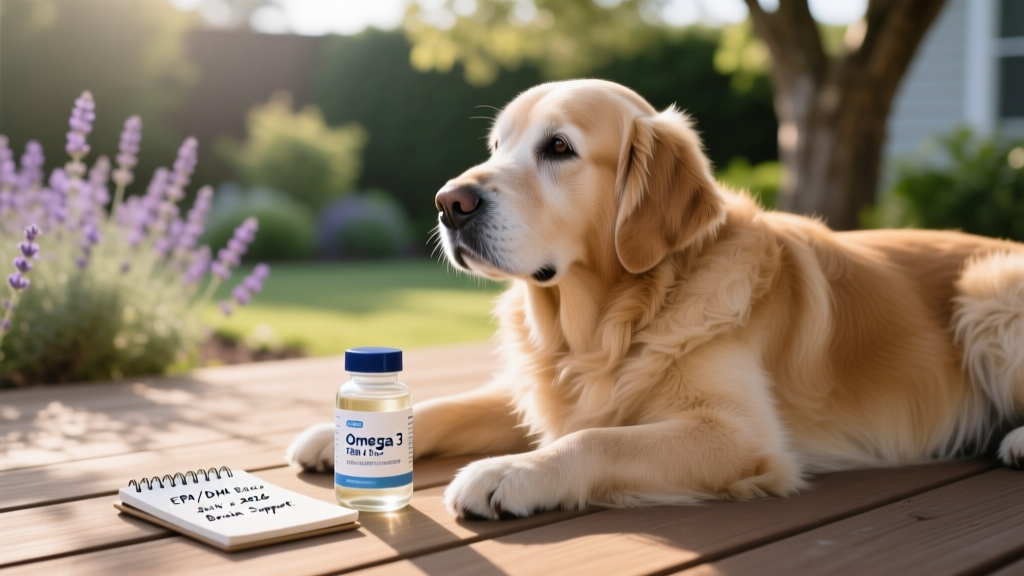
What your dog eats can have a meaningful impact on their anxiety levels. A balanced, high-quality diet supports overall brain health and stable mood regulation. Certain nutrients are particularly beneficial for anxious dogs, including omega-3 fatty acids, B vitamins, magnesium, and the amino acid L-theanine.
Natural supplements specifically formulated for canine anxiety have gained popularity and can be a helpful component of a comprehensive management plan. Products containing ingredients like L-theanine, chamomile, valerian root, passionflower, and hemp-derived CBD have shown promise in reducing anxiety symptoms in many dogs. However, it is critical to consult with your veterinarian before introducing any supplement, as quality varies widely between products and some may interact with medications your dog is already taking.
Professional Behavioral Therapy and Medication
For dogs with moderate to severe anxiety, professional intervention may be necessary. A certified veterinary behaviorist can develop a customized treatment plan that addresses your dog’s specific triggers and behavioral patterns. In some cases, anti-anxiety medication prescribed by a veterinarian is an essential component of treatment. Medications such as fluoxetine, clomipramine, trazodone, and gabapentin are commonly used to help manage canine anxiety.
It is important to understand that medication is not a “quick fix” — it is most effective when combined with behavioral modification and environmental management. The goal of medication is to lower your dog’s baseline anxiety enough that they can learn and benefit from training interventions. Many dogs are eventually able to reduce or discontinue medication under veterinary supervision once behavioral strategies have taken hold, while others may benefit from long-term pharmaceutical support. There is no shame in using medication when it is needed — it can be life-changing for a severely anxious dog.
Prevention: Building a Confident and Resilient Dog
While not all cases of dog anxiety can be prevented, there are proactive steps you can take to build your dog’s confidence and resilience from an early age. Prevention is always easier and more effective than treatment, so incorporating these strategies into your dog’s life from the start can make a tremendous difference.
Early and ongoing socialization is the single most impactful preventive measure. Expose your puppy to a wide variety of people, animals, environments, surfaces, sounds, and situations in a positive and controlled manner. Continue socialization throughout your dog’s life, not just during puppyhood, to maintain their adaptability and confidence.
Positive reinforcement training builds a strong communication foundation between you and your dog. Dogs who understand what is expected of them and who have been trained using reward-based methods tend to be more confident and less anxious than dogs trained with punitive techniques. Teaching your dog basic commands and fun tricks also provides mental stimulation and strengthens your bond.
Practice independence gradually. Teach your dog to be comfortable alone by starting with very short departures and gradually increasing the duration. Provide engaging toys and treats when you leave so that alone time becomes associated with positive experiences. Avoid making departures and arrivals overly emotional — keep them calm and low-key.
Expose your dog to common anxiety triggers in a controlled way. Play recordings of thunderstorms and fireworks at low volumes during pleasant activities. Introduce grooming tools, car rides, and veterinary environments positively and gradually. The goal is to build a library of positive associations that buffer against future anxiety.
Prioritize regular veterinary care. Routine health checkups can catch medical issues early before they contribute to anxiety. Pain, hormonal imbalances, and neurological conditions can all manifest as behavioral changes. Staying current on your dog’s health ensures that anxiety is addressed from every angle. Learn more about preventive care in our dog nutrition and wellness tips.
When to See a Veterinarian About Your Dog’s Anxiety
While mild anxiety can often be managed at home with behavioral and environmental strategies, there are specific situations where professional veterinary guidance is essential. Knowing when to seek help can prevent your dog’s anxiety from escalating and ensure that any underlying medical conditions are properly addressed.
Schedule a veterinary appointment if you notice any of the following:
- Your dog’s anxiety appears suddenly or escalates rapidly without an obvious trigger
- Anxiety behaviors are causing self-injury, such as excessive licking that creates open sores or escape attempts that result in broken teeth or damaged nails
- Your dog becomes aggressive when anxious, posing a risk to people or other animals
- Physical symptoms accompany the anxiety, such as chronic diarrhea, vomiting, unexplained weight loss, or significant changes in drinking and urination habits
- Behavioral modification and environmental changes have not produced improvement after several weeks of consistent implementation
- Your dog’s anxiety is severely impacting their quality of life — they seem constantly stressed, unable to relax, or unable to enjoy normal activities
- Your senior dog has developed new anxiety behaviors, which could indicate cognitive decline or an undiagnosed medical condition
When you visit the veterinarian, be prepared to provide detailed information about your dog’s behavior. Keeping a journal of anxiety episodes — noting the time, duration, triggers, and specific behaviors exhibited — can be invaluable in helping your vet make an accurate assessment. Your veterinarian may recommend bloodwork, a physical examination, or referral to a veterinary behaviorist depending on the severity and nature of your dog’s anxiety.
Remember that seeking professional help is a sign of responsible pet ownership, not failure. The earlier you intervene, the better the prognosis for your dog’s long-term emotional health. Many dogs who receive appropriate veterinary and behavioral support go on to live calm, happy, and fulfilling lives.
Frequently Asked Questions About Dog Anxiety Signs
How can I tell the difference between normal dog behavior and anxiety?
The key differentiators between normal behavior and anxiety are frequency, intensity, and context. A dog who pants after a vigorous walk is behaving normally, but a dog who pants heavily while lying on the couch during a thunderstorm is likely experiencing anxiety. Occasional whining when you leave the house is common, but daily episodes of destructive behavior, excessive vocalization, and house soiling every time you leave suggest an anxiety disorder. If a behavior is persistent, disproportionate to the situation, interferes with your dog’s daily functioning, or appears to cause your dog distress, it is worth investigating further. When in doubt, consulting a veterinarian or certified dog behaviorist can provide clarity and peace of mind.
Can dog anxiety go away on its own without treatment?
In most cases, dog anxiety does not resolve on its own and tends to worsen over time without intervention. This is particularly true for noise phobias and separation anxiety, which follow a pattern of progressive sensitization — meaning the dog becomes increasingly reactive with each exposure to the trigger. While some mild, situational anxieties may improve if the triggering circumstance is removed, relying on this approach is risky and often results in prolonged suffering for your dog. Early intervention with behavioral modification, environmental management, and professional guidance when needed offers the best chance for meaningful improvement. The sooner you address your dog’s anxiety, the easier it is to manage and the better the long-term outcome.
Are certain dog breeds more prone to anxiety than others?
Yes, certain breeds do have a higher predisposition to anxiety due to their genetic makeup and breeding history. Herding breeds such as Border Collies, Australian Shepherds, and German Shepherds are often highly sensitive and alert, which can translate into heightened anxiety. Toy and companion breeds like Chihuahuas, Italian Greyhounds, and Cavalier King Charles Spaniels may be more prone to fear-based behaviors and separation anxiety. Working breeds like Labrador Retrievers and Golden Retrievers, while generally sociable, can develop anxiety if their considerable exercise and mental stimulation needs are not met. That said, individual temperament varies widely even within breeds, and any dog — regardless of breed — can develop anxiety based on their life experiences, socialization history, and environment. Mixed-breed dogs are equally susceptible.
Is it safe to use calming supplements or medications for my anxious dog?
When used under veterinary supervision, calming supplements and anti-anxiety medications are generally safe and can be highly beneficial. Natural supplements containing L-theanine, chamomile, or valerian root are well-tolerated by most dogs and have relatively few side effects. Prescription medications like fluoxetine, trazodone, and clomipramine have been extensively studied for use in dogs and have established safety profiles when dosed correctly. However, it is absolutely essential to consult your veterinarian before giving your dog any supplement or medication. Your vet will consider your dog’s overall health, current medications, age, and specific anxiety profile to recommend the safest and most appropriate option. Never give your dog human anxiety medications without explicit veterinary direction, as many human drugs are toxic to dogs or require vastly different dosing.
How long does it take to see improvement in an anxious dog?
The timeline for improvement varies considerably depending on the severity of the anxiety, the specific triggers involved, the consistency of the intervention, and the individual dog. For mild anxiety managed with environmental changes and basic behavioral modification, you may begin to see positive changes within two to four weeks. Moderate cases involving desensitization and counter-conditioning typically require two to six months of consistent work to show significant progress. Severe anxiety, particularly cases involving medication, may take several months before the full benefits are apparent — many anti-anxiety medications require four to eight weeks to reach therapeutic levels. It is important to set realistic expectations and celebrate small victories along the way. Consistency is the most critical factor — sporadic or frequently changing approaches tend to slow progress and can even increase your dog’s confusion and anxiety. Working with a professional can help you stay on track and adjust your strategy as needed for the best possible outcome.
Disclaimer: This article is provided for informational purposes only and does not constitute veterinary advice. Always consult with a qualified veterinarian or certified animal behaviorist for diagnosis and treatment of your dog’s specific health and behavioral needs. The information presented here should not replace professional veterinary care.
Aaron Whyte
All our authors care for dogs every day — read more of their work on the authors page.