Does Dogs Have Thoughts About Food?
Does dogs have thoughts about food? Explore canine cognition research and learn which human foods are safe, with serving sizes and prep tips for every breed.
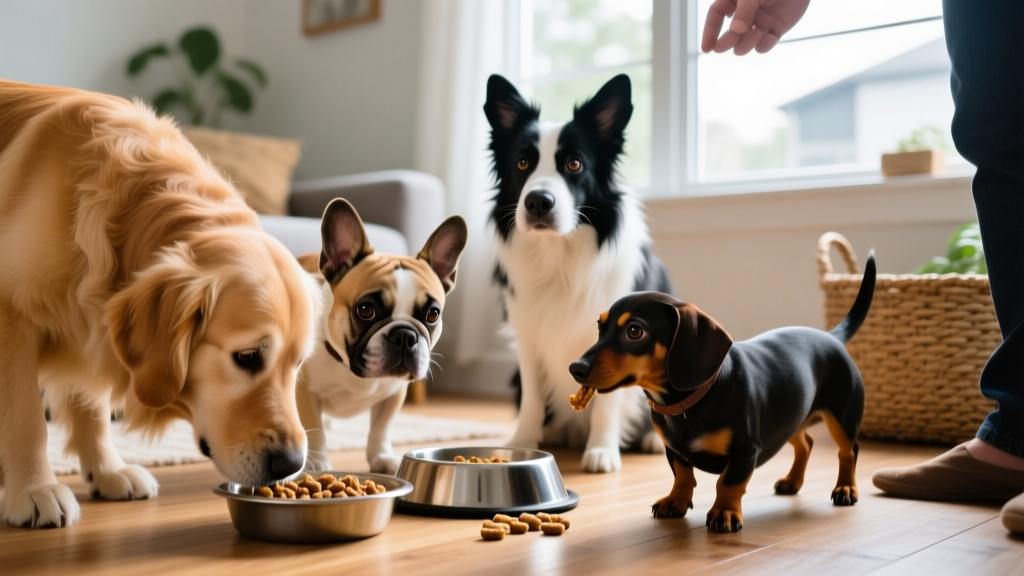
Have you ever watched your dog stare at you while you eat and wondered, "Does my dog actually have thoughts about this food, or is it pure instinct?" It's one of those questions that seems philosophical, but canine cognitive science has real answers — and those answers directly affect how we feed our dogs, train them around food, and choose safe human foods as treats.
Before we explore what's going on inside your dog's mind at mealtime, let's address the practical question you probably landed here for: which human foods are genuinely safe to share? Below is a comprehensive, vet-informed guide to safe human foods for dogs, built around the latest research in canine cognition and nutrition.
Lean proteins, most vegetables, and select fruits are safe when prepared correctly (cooked plain, seeds/pits removed, no seasoning). However, portion size matters enormously — treats should never exceed 10% of your dog's daily caloric intake (per AKC nutritional guidelines). Always introduce new foods gradually over 24–48 hours.
Does Dogs Have Thoughts? The Science of Canine Food Cognition
The short answer: yes, dogs have thoughts — including thoughts about food. Research published in journals like Animal Cognition and conducted at institutions such as the Duke Canine Cognition Center demonstrates that dogs possess episodic-like memory, meaning they can recall specific past events, including what they ate and where they found it.
When your dog watches you prepare a sandwich, they aren't simply reacting to smell. They're forming expectations based on prior experience. A 2016 study in Biology Letters showed dogs can remember human actions for up to 24 hours, and food-related memories tend to be even stronger due to survival-driven reinforcement.
What this means for feeding: Dogs remember which foods they enjoyed, where those foods came from, and which behaviors got them a taste. This is exactly why counter-surfing becomes a learned behavior so quickly — and why consistent rules around human food matter from day one.
Safe Human Foods: Serving Sizes by Dog Weight
The most common mistake dog owners make isn't choosing the wrong food — it's giving the wrong amount. A blueberry is a fine treat for a 70 lb Labrador. For a 6 lb Chihuahua, a handful of blueberries represents a caloric overload. Below are specific portion guidelines based on weight class.
| Food | Small Dogs (under 20 lb / 9 kg) | Medium Dogs (20–50 lb / 9–23 kg) | Large Dogs (50+ lb / 23+ kg) |
|---|---|---|---|
| Cooked chicken breast (plain, shredded) | 1 tablespoon | 2–3 tablespoons | ¼ cup |
| Blueberries | 2–3 berries | 5–8 berries | 10–15 berries |
| Carrots (raw, chopped) | 2–3 baby carrot pieces | 1 baby carrot, chopped | 2 baby carrots, chopped |
| Plain pumpkin purée (not pie filling) | 1 teaspoon | 1–2 tablespoons | 2–4 tablespoons |
| Apple slices (no seeds/core) | 2–3 thin slices | 4–5 slices | ½ apple, sliced |
| Cooked sweet potato (plain, mashed) | 1 teaspoon | 1 tablespoon | 2–3 tablespoons |
| Plain Greek yogurt (unsweetened) | 1 teaspoon | 1 tablespoon | 2 tablespoons |
Note: These portions assume treats, not meal replacements. If you're feeding multiple human-food treats in one day, reduce portions proportionally to stay within the 10% calorie rule.
Nutritional Benefits: What These Foods Actually Provide
Not all "safe" foods are nutritionally meaningful. Here's a breakdown of what the foods above actually contribute to your dog's diet, based on USDA FoodData Central values.
| Food | Key Nutrients | Primary Benefit for Dogs |
|---|---|---|
| Blueberries | Vitamin C (9.7 mg/100g), Vitamin K, manganese, anthocyanins | Antioxidant support; may reduce oxidative stress in senior dogs |
| Pumpkin purée | Fiber (7g/cup), Vitamin A (245% DV/cup), potassium | Digestive regulation — helps with both diarrhea and constipation |
| Carrots | Beta-carotene, Vitamin K1, potassium, fiber (2.8g/100g) | Low-calorie crunch; supports dental health through mechanical chewing |
| Cooked chicken | Protein (31g/100g), niacin, Vitamin B6, selenium | Lean muscle support; excellent for dogs with food sensitivities when used as novel protein |
| Sweet potato | Vitamin A (283% DV/cup), Vitamin C, manganese, fiber (6.6g/cup) | Slow-digesting carbohydrate; good energy source for active dogs |
| Plain Greek yogurt | Protein (10g/100g), calcium, probiotics (L. bulgaricus, S. thermophilus) | Gut microbiome support; calcium for bone maintenance |
How to Prepare Human Foods Safely for Your Dog
Preparation is where most accidents happen. A food that's safe boiled and plain becomes dangerous the moment you add butter, garlic, or onion powder. Follow these rules strictly:
- Cook all meats thoroughly — internal temperature of 165°F (74°C) for poultry, 145°F (63°C) for beef/pork. Raw meat carries Salmonella and E. coli risks for both dogs and humans in the household.
- Remove all bones — cooked bones splinter and can cause esophageal tears, intestinal perforation, or obstruction. This is a surgical emergency.
- Strip skin, seeds, pits, and cores — apple seeds contain amygdalin (cyanide precursor); cherry and peach pits contain the same compound and are also choking/obstruction hazards.
- Zero seasoning — no salt, garlic, onion, pepper, butter, oils, or sugar. Garlic and onion (all forms: powder, raw, cooked) cause hemolytic anemia in dogs at doses as low as 15–30 g/kg body weight.
- Cut into bite-sized pieces — appropriate to your dog's size. A whole baby carrot can obstruct a small dog's trachea.
- Serve at room temperature — hot food can burn oral tissue; very cold food may trigger vomiting in sensitive dogs.
Foods That Seem Safe but Are Toxic — Watch for These Look-Alikes
One of the most dangerous patterns in canine food poisoning is the "safe-looking" relative of a safe food. Dogs don't distinguish between a grape and a raisin — and neither do the toxins that cause acute kidney injury.
- Grapes and raisins — both cause acute renal failure. The toxic mechanism (tartaric acid, identified in 2021 research) affects all breeds and sizes. Even one raisin warrants a vet call. There is NO safe dose.
- Onions, garlic, leeks, chives — all Allium species. Garlic is roughly 5x more toxic than onion by weight. Powdered forms are concentrated and especially dangerous.
- Macadamia nuts — cause weakness, tremors, hyperthermia within 12 hours. Toxic dose: as low as 2.4 g/kg. Other nuts (peanuts, cashews) are safe in small amounts but high in fat.
- Xylitol (birch sugar) — found in sugar-free gum, some peanut butters, baked goods. Causes rapid insulin release → hypoglycemia within 30–60 minutes. Potentially fatal at 0.1 g/kg.
- Avocado — contains persin. The flesh has low concentrations and is debated, but the pit is a serious obstruction risk and the leaves/skin contain higher persin levels. Best avoided entirely.
- Raw potatoes and green tomatoes — contain solanine (a glycoalkaloid). Cooking reduces solanine significantly, but raw or green-skinned potatoes should never be fed.
If your dog ingests any of these, contact the ASPCA Animal Poison Control Center at (888) 426-4435 (24/7, consultation fee applies) or your emergency vet immediately.
How to Introduce New Foods: A 48-Hour Protocol
Dogs — like people — can develop food sensitivities at any age, even to foods they previously tolerated. Here's a structured introduction method I recommend to every dog owner adding human foods as treats:
Day 1 (Morning): Offer one-quarter of the recommended serving size for your dog's weight. Observe for 4 hours. Watch for: lip licking, vomiting, diarrhea, hives, facial swelling, lethargy, or excessive scratching.
Day 1 (Evening): If no reaction, offer half the recommended serving. Monitor overnight.
Day 2: If stool is normal and no skin/GI signs, offer the full recommended serving. Continue monitoring.
Days 3–7: You may now offer this food as a regular treat (within the 10% daily calorie limit). Introduce only ONE new food per week so you can identify the culprit if a reaction occurs.
Contact your veterinarian or emergency clinic if your dog shows any of these after eating a new food:
- Facial swelling, hives, or difficulty breathing (anaphylaxis — this is an emergency)
- Vomiting more than twice in 24 hours
- Bloody or black/tarry stools
- Lethargy lasting more than 12 hours
- Loss of appetite for more than 24 hours
- Signs of abdominal pain (hunched posture, whining when touched, restless pacing)
For suspected toxin ingestion, call ASPCA Poison Control: (888) 426-4435 or Pet Poison Helpline: (855) 764-7661.
Which Dogs Should NOT Eat Human Food Treats?
While most healthy adult dogs handle appropriate human-food treats well, certain populations need stricter dietary control. Always consult your veterinarian before introducing new foods if your dog falls into any of these categories:
- Puppies under 6 months — their digestive systems are immature, and their caloric needs are precisely calibrated for growth. Off-plan treats can unbalance calcium:phosphorus ratios critical for skeletal development.
- Dogs with pancreatitis — any high-fat food (cheese, fatty meats, butter) can trigger a painful and potentially life-threatening flare. Even small amounts of fat are risky.
- Dogs with kidney disease — high-protein treats and high-phosphorus foods (dairy, organ meats) increase renal workload. Your vet will specify protein limits.
- Dogs with diabetes — fruits and starchy vegetables (sweet potato, pumpkin) affect blood glucose. Treat timing and carbohydrate content must coordinate with insulin dosing.
- Dogs with known food allergies — if your dog is on an elimination diet or limited-ingredient prescription food, any "extra" protein or carbohydrate can invalidate the diagnostic process.
- Senior dogs (over 8–10 years, breed-dependent) — reduced organ function means less tolerance for dietary indiscretion. Introduce new foods more slowly and in smaller amounts.
Frequently Asked Questions
Can dogs eat table scraps from my dinner?
It depends entirely on what's on the plate. Plain cooked chicken, steamed broccoli, or a piece of sweet potato? Yes, in the serving sizes listed above. Anything with sauces, seasoning, garlic, onion, butter, or xylitol? No. The safest approach is to prepare a separate, plain portion for your dog before you season the family meal.
How much human food can I give my dog per day?
No more than 10% of their total daily caloric intake. For a 30 lb (14 kg) dog eating roughly 700 calories/day, that means ≤70 calories from treats. A tablespoon of peanut butter (~95 cal) already exceeds that — which is why portion precision matters.
Is peanut butter safe for dogs?
Plain, unsweetened peanut butter with no xylitol is safe. Check the ingredient list every time — some brands add xylitol (birch sugar), which is rapidly fatal to dogs. Safe serving: ½ teaspoon for small dogs, 1 teaspoon for medium, 1 tablespoon for large dogs. Due to high fat content, dogs with pancreatitis should avoid it entirely.
What happens if my dog eats too much of a safe food?
Even safe foods cause problems in excess. Too much pumpkin → diarrhea and Vitamin A toxicity over time. Too many carrots → Vitamin A hypervitaminosis (rare but documented). Too much chicken without balanced nutrition → calcium deficiency over weeks. Acute overeating of any food can cause vomiting, diarrhea, or in extreme cases, gastric dilatation (bloat) in large-breed dogs.
Do dogs actually think about the food I'm eating?
Research confirms they do. Dogs form specific food memories, anticipate outcomes based on your eating behavior, and can remember which foods they preferred. A 2014 study in PLOS ONE demonstrated that dogs remember the location of food after delays, and a 2016 study showed they recall and imitate human actions related to food preparation up to 24 hours later. Your dog isn't just drooling — they're predicting.
Can dogs eat cheese?
Most dogs tolerate small amounts of low-fat cheese (mozzarella, cottage cheese). However, many dogs are lactose intolerant — they lack sufficient lactase enzyme after puppyhood. Start with a pea-sized amount and monitor for gas, bloating, or diarrhea within 12 hours. Avoid blue cheese (roquefortine C from mold is toxic) and high-sodium processed cheese products.
Disclaimer: This article provides general nutritional guidance and does not replace professional veterinary advice. Always consult your veterinarian before making dietary changes, especially for dogs with health conditions. Individual dogs may react differently to any food.
Tom Renshaw
All our authors care for dogs every day — read more of their work on the authors page.


