Do Dogs Have Dreams? What Science Reveals About Canine Sleep in 2026
Do dogs have dreams? Explore the science of canine REM sleep, dream behavior, sleep disorders, and how to support your dog's rest with expert-backed insights.
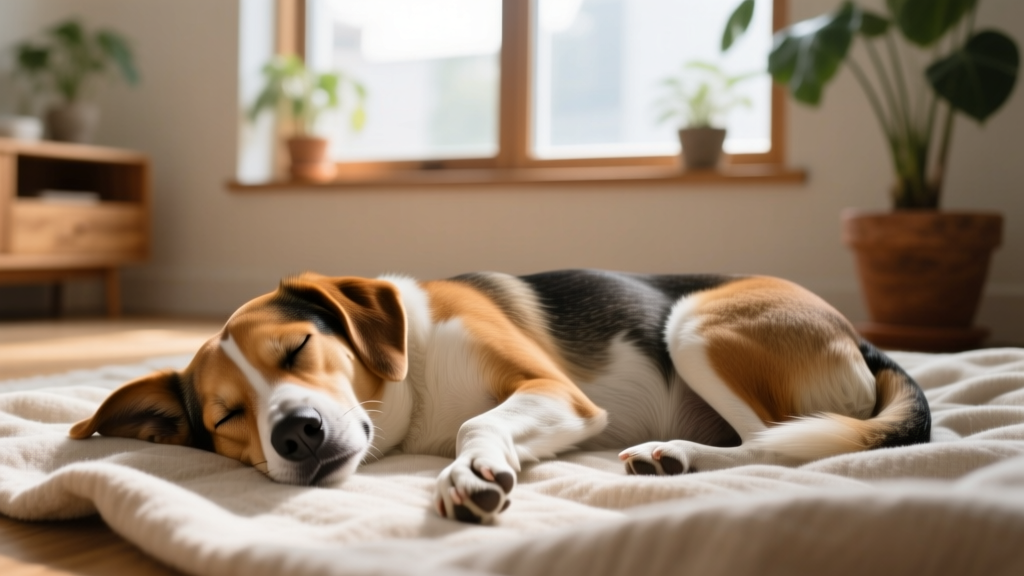
Research from MIT's Department of Brain and Cognitive Sciences and peer-reviewed studies published in journals like Physiology & Behavior confirm that dogs experience REM (Rapid Eye Movement) sleep, the stage most strongly associated with dreaming in mammals. Dogs likely dream about familiar daily activities — walks, play sessions, and interactions with their owners. However, if your dog's sleep movements seem excessive, violent, or are accompanied by distress vocalizations, consult your veterinarian to rule out sleep disorders or neurological conditions.
If you've ever watched your sleeping dog twitch their paws, flick their ears, or let out soft whimpering sounds, you've probably wondered: do dogs have dreams? The short answer, backed by decades of neuroscience research, is almost certainly yes. Dogs share remarkably similar sleep architecture with humans, including the brain-wave patterns that correlate with dreaming in our species.
This guide breaks down what veterinary neurologists and sleep researchers actually know about canine dreaming, how much sleep dogs need at every life stage, when twitching is normal versus concerning, and practical steps to optimize your dog's sleep environment.
The Science Behind Canine Dreams: REM Sleep Explained
Dreaming in mammals is tightly linked to REM sleep — a phase characterized by rapid eye movements, temporary muscle paralysis (called atonia), and highly active brain waves that resemble wakefulness on an EEG. In 2001, researchers at MIT's Department of Brain and Cognitive Sciences demonstrated that rats replayed maze-running sequences during REM sleep, essentially "practicing" waking experiences while asleep. Given that dogs possess a more complex cerebral cortex than rats and share similar sleep-stage cycling with humans, scientists widely accept that dogs dream about their waking experiences.
A dog's sleep cycle progresses through three stages:
- Stage 1 — Drowsiness: Light sleep, easy to wake, lasting 5–10 minutes. Brain waves begin to slow.
- Stage 2 — Slow-Wave Sleep (SWS): Deep restorative sleep where the body repairs tissue, consolidates memories, and releases growth hormone. Dogs spend roughly 80% of their total sleep time here.
- Stage 3 — REM Sleep: The dreaming stage. Brain activity spikes, eyes dart beneath closed lids, and voluntary muscles become temporarily paralyzed. Dogs enter REM approximately 20 minutes after falling asleep.
Unlike humans, who typically experience 4–6 REM cycles per night lasting 60–90 minutes each, dogs have shorter but more frequent REM periods. A dog might cycle through 15–20 brief REM episodes during a full night's sleep, each lasting only a few minutes. This is why you may see your dog twitch multiple times throughout the night rather than in one extended episode.
What Do Dogs Dream About?
While we can't ask a dog to recount their dreams, neuroscientific evidence strongly suggests dogs dream about species-typical and personally meaningful activities. The MIT studies showed that animal brains replay specific neural firing patterns from waking experiences during REM sleep. For dogs, this likely includes:
| Likely Dream Content | Observable Sleep Behavior | Neural Basis |
|---|---|---|
| Chasing prey or toys | Rhythmic leg paddling, rapid paw twitching | Motor cortex replay of locomotor sequences |
| Eating or sniffing food | Jaw movements, lip licking, tongue flicking | Gustatory and olfactory cortex activation |
| Interacting with owners | Soft whimpering, tail wagging while asleep | Limbic system emotional memory processing |
| Guarding territory or alerting | Low growling, ear twitching, sudden waking | Amygdala threat-response rehearsal |
| Digging or exploring | Front paw scratching motions, nose twitching | Somatosensory cortex replay |
Breed-specific behaviors often appear during sleep. Retriever owners frequently report "swimming" leg motions, while herding breeds may display stalking postures. Scent hounds might exhibit pronounced nose twitching and deep inhalations. These patterns align with each breed's dominant waking behaviors, supporting the theory that dogs dream about what matters most to them.
How Much Sleep Do Dogs Actually Need?
Understanding normal canine sleep duration helps you identify when something is off. Dogs sleep significantly more than humans, but requirements vary by age, size, and breed.
| Life Stage | Total Sleep (24 hours) | REM Percentage | Typical Nap Pattern |
|---|---|---|---|
| Puppies (2–6 months) | 18–20 hours | Higher — brain development drives more REM | Frequent 1–2 hour naps between play bursts |
| Adult dogs (1–7 years) | 12–14 hours | ~10–12% of total sleep time | Longer overnight sleep + 2–4 daytime naps |
| Senior dogs (7+ years) | 16–18 hours | May decrease with cognitive decline | Fragmented sleep, more daytime drowsiness |
| Giant breeds (Great Dane, Mastiff) | 14–18 hours | Similar to adult average | Extended overnight + long afternoon rest |
Working breeds like Border Collies and Belgian Malinois tend to sleep less when mentally stimulated but will "crash" hard after intense activity days. Brachycephalic breeds (Bulldogs, Pugs, Boston Terriers) often have disrupted sleep due to brachycephalic obstructive airway syndrome (BOAS), which can cause sleep apnea-like episodes. If your brachycephalic dog snores loudly, gasps, or jolts awake frequently, this warrants a veterinary evaluation — it's not normal "cute" snoring.
Normal Dream Twitching vs. Seizures: What Owners Must Know
One of the most common reasons dog owners search for dream information is concern that their dog's sleep movements might be seizures. Distinguishing the two is critical, and the differences are well-documented in veterinary neurology.
- Movements that persist even after gently waking your dog — dream movements stop within seconds of arousal; seizure activity does not
- Rigid, stiffening limbs locked in extension rather than soft, rhythmic twitching
- Loss of bladder or bowel control during the episode
- Excessive drooling or foaming at the mouth
- Eyes wide open with a fixed, unresponsive stare
- Episode lasting longer than 2–3 minutes
- Post-episode disorientation lasting more than 10–15 minutes (called the postictal phase)
If you observe any of these signs, record a video of the episode on your phone and contact your veterinarian or an emergency clinic immediately.
Normal dream movements are soft, irregular, and brief. Your dog's eyes may partially open, showing the whites or darting beneath half-closed lids. Paws may paddle gently, and you might hear soft whimpers, grunts, or even brief barks. The key test: if you softly call your dog's name or gently touch them, they should wake easily and appear oriented within seconds.
Idiopathic epilepsy (seizures with no identifiable cause) affects an estimated 0.5–5.7% of dogs, according to the Merck Veterinary Manual. Certain breeds — including Beagles, Australian Shepherds, Labrador Retrievers, and German Shepherds — carry higher genetic predispositions. If your dog has a known seizure disorder, discuss with your veterinarian whether sleep-related episodes require medication adjustment.
Sleep Disorders in Dogs: When Dreaming Signals a Problem
While most sleep twitching is harmless, dogs can develop genuine sleep disorders that affect their health and behavior. Recognizing these conditions early improves outcomes significantly.
Canine Narcolepsy: This rare genetic condition causes sudden collapse into REM sleep, often triggered by excitement or stimulation. Doberman Pinschers, Labrador Retrievers, and Dachshunds carry known genetic mutations linked to narcolepsy. Affected dogs may collapse mid-play or after greeting their owner, entering brief REM episodes lasting seconds to minutes. The AKC notes that while narcolepsy is not life-threatening, it requires management to prevent injury during episodes.
REM Sleep Behavior Disorder (RBD): In normal REM sleep, a brainstem mechanism called atonia paralyzes voluntary muscles so the sleeper can't physically act out dreams. In RBD, this mechanism fails. Dogs with RBD may run into walls, fall off furniture, or bite during sleep — essentially performing full motor behaviors while still asleep. This condition requires veterinary neurological evaluation and may respond to medications like clonazepam.
Sleep Apnea: Predominantly seen in brachycephalic breeds and obese dogs, sleep apnea causes repeated breathing pauses during sleep. The dog may snore loudly, gasp, choke, or jolt awake dozens of times per night. Chronic sleep apnea leads to daytime fatigue, cognitive impairment, and cardiovascular strain. Weight management, surgical correction of airway obstructions, or specialized sleeping positions can help — consult your veterinarian for a tailored plan.
How to Optimize Your Dog's Sleep Environment
Quality sleep is foundational to canine health — it supports immune function, memory consolidation, emotional regulation, and tissue repair. Here are evidence-based strategies to improve your dog's rest:
1. Temperature control: Dogs sleep best in environments between 68–72°F (20–22°C). Overheating disrupts deep sleep stages. Provide cooling mats in summer and insulated beds in winter. Brachycephalic breeds are especially heat-sensitive and may need air conditioning even at moderate temperatures.
2. Consistent sleep schedule: Dogs thrive on routine. Feed, walk, and settle your dog at roughly the same times daily. A predictable 30-minute wind-down routine — dimming lights, gentle petting, moving to the sleep area — signals the brain to begin melatonin production.
3. Orthopedic support: For dogs over 40 lb (18 kg), senior dogs, or breeds prone to hip dysplasia (German Shepherds, Golden Retrievers, Rottweilers), an orthopedic memory-foam bed reduces joint pressure and improves sleep continuity. Budget $60–$150 for a quality orthopedic bed from brands like Big Barker, Furhaven, or PetFusion.
4. Darkness and quiet: Melatonin production requires darkness. If your dog sleeps in a room with streetlights or early sunrises, blackout curtains can improve sleep depth. White noise machines (set to 50–60 decibels) help mask disruptive sounds for noise-sensitive dogs.
5. Adequate daytime exercise: A physically and mentally tired dog sleeps more soundly. Aim for breed-appropriate exercise: 30–60 minutes for most breeds, 60–120 minutes for high-drive working breeds. Mental stimulation (sniff walks, puzzle feeders, training sessions) tires dogs as effectively as physical exercise and promotes deeper slow-wave sleep.
Should You Wake a Dreaming Dog?
The old adage "let sleeping dogs lie" has merit here. Waking a dog mid-REM cycle can cause momentary disorientation — similar to how you feel when jolted from deep sleep. Some dogs may startle, snap reflexively, or seem confused for several seconds. This isn't aggression; it's a normal orienting response.
If you need to wake your dog — for a bathroom break, an appointment, or because their movements seem distressing — do so gently:
- Call their name softly from a few feet away.
- If they don't respond, gently tap near (not on) their body so vibration reaches them.
- Avoid touching their face or reaching over their head, which can trigger a startle reflex.
- Offer calm praise once they're awake and oriented.
For dogs with a history of startle-related biting (common in rescue dogs with trauma histories or dogs with hearing loss), train a "wake-up" cue while they're awake — such as a gentle hand signal or a vibration collar set to the lowest level — so they learn to associate the cue with positive outcomes before it's ever used during sleep. Always use positive reinforcement methods; never use shock or aversive techniques.
Frequently Asked Questions About Dogs and Dreams
Do puppies dream more than adult dogs?
Yes. Puppies spend a higher percentage of their sleep in REM stages because their developing brains are processing enormous amounts of new sensory information, motor skills, and social learning. A 10-week-old puppy may spend up to 50% of sleep time in REM, compared to roughly 10–12% in adults. You'll notice more frequent twitching, vocalizing, and facial movements in puppies.
Can dogs have nightmares?
While we can't confirm subjective dream content, dogs that experienced trauma — such as shelter dogs with abuse histories or dogs who survived attacks — may display distressed sleep behaviors: intense whimpering, yelping, frantic paddling, or sudden waking with signs of anxiety (panting, trembling, seeking reassurance). If your dog regularly appears distressed during sleep, discuss this with your veterinarian. Behavioral therapy, environmental modifications, and in some cases anti-anxiety medication can help.
Why does my dog sleep with their eyes open?
Some dogs sleep with partially open eyelids — a phenomenon called lagophthalmos. This is usually harmless and simply means the eyelid muscles haven't fully relaxed. However, if the eyes appear dry, red, or irritated upon waking, or if your dog's third eyelid (the nictitating membrane) is visibly covering part of the eye during sleep, mention it at your next veterinary checkup. Brachycephalic breeds with shallow eye sockets are more prone to this.
My dog snores — is that normal?
Occasional light snoring in a healthy dog is usually nothing to worry about, especially if they're sleeping on their back. However, chronic loud snoring, gasping, or breathing pauses lasting more than 10 seconds suggest airway obstruction or sleep apnea. This is especially common in Bulldogs, Pugs, Shih Tzus, and overweight dogs of any breed. A veterinary evaluation can determine whether surgical intervention, weight management, or positional changes are needed.
Do senior dogs dream less as they age?
Senior dogs often experience changes in sleep architecture, including reduced REM sleep duration and more fragmented sleep cycles. Dogs with canine cognitive dysfunction (CCD) — the canine equivalent of dementia — may show reversed sleep-wake cycles, sleeping heavily during the day and pacing or vocalizing at night. If your senior dog's sleep patterns have changed dramatically, consult your veterinarian. CCD affects an estimated 14–35% of dogs over age 8, and early intervention with supplements (such as medium-chain triglycerides and antioxidants), environmental enrichment, and prescription medications like selegiline can slow progression.
Is it normal for my dog to bark in their sleep?
Occasional sleep barking — typically short, muffled "woofs" — is normal dream behavior. Dogs process social and territorial scenarios during REM sleep, and vocalization is a natural part of that replay. However, prolonged barking sessions, howling, or sounds that seem like distress warrant attention. Record the behavior and share it with your veterinarian if it occurs more than a few times per week or escalates in intensity.
Bottom line: Dogs almost certainly dream, and their sleep behaviors — from gentle paw twitches to soft whimpers — are windows into how their brains process the rich, stimulating lives they lead with us. Most sleep movements are completely normal. Stay observant, know the red flags that distinguish dreaming from medical emergencies, and prioritize your dog's sleep environment as seriously as you do their nutrition and exercise. When in doubt, consult your veterinarian — they can assess whether your dog's sleep patterns align with healthy canine neurology or warrant further investigation.
Jonas Cole
All our authors care for dogs every day — read more of their work on the authors page.


