DIY Dog Bone Broth: Homemade Recipe for Joint Health
Learn how to make DIY dog bone broth at home. This easy, cost-effective recipe supports joint health, mobility, and digestion with natural collagen.
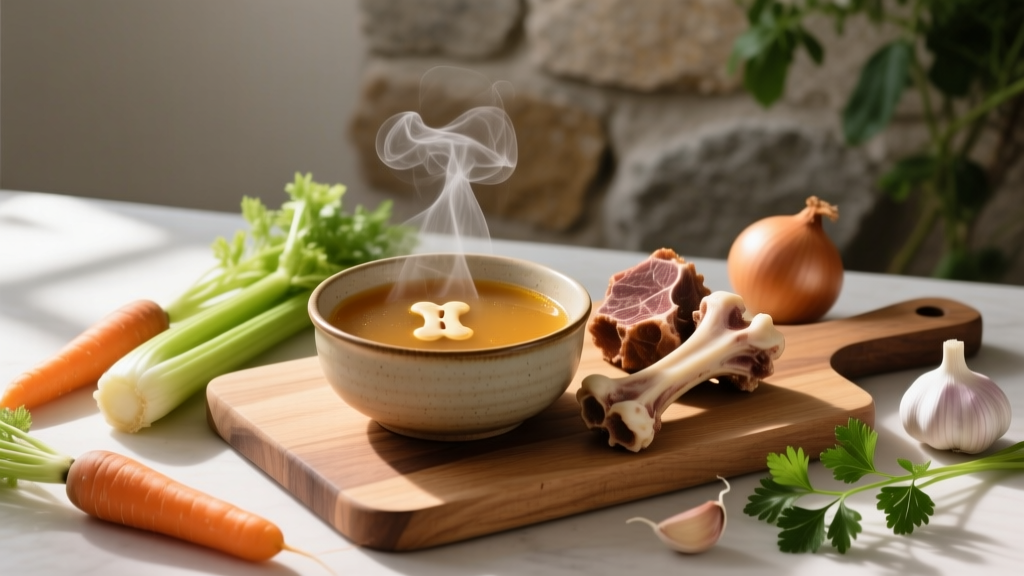
DIY bone broth for dogs is a nutrient-dense liquid made by simmering animal bones, water, and dog-safe vegetables for 12 to 24 hours to extract collagen, amino acids, and minerals. This guide is designed for dog owners seeking a cost-effective, whole-food supplement to support their pet's joint health, digestion, and hydration. Preparing this liquid at home guarantees the absence of excess sodium and toxic alliums found in commercial human broths.
Key Takeaways
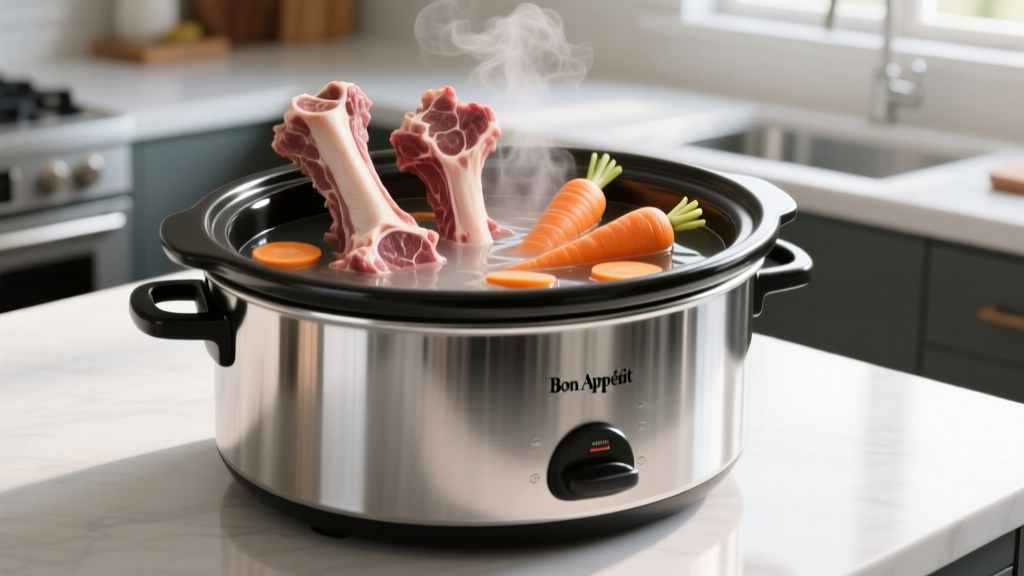
- Simmer Time: 12 to 24 hours in a slow cooker, or 3 hours in a pressure cooker.
- Safety Rule: Exclude onions, garlic, and leeks completely.
- Serving Size: 2 tablespoons per 10 kilograms of body weight daily.
Why Make DIY Bone Broth for Dogs?
Commercial dog food often lacks the bioavailable nutrients found in whole animal tissues. Homemade broth provides a concentrated source of glycosaminoglycans, which support cartilage repair. According to the American Kennel Club, the gelatin derived from slow-simmered bones helps seal the gut lining, aiding dogs with leaky gut syndrome or food sensitivities.
Definition: Glycosaminoglycans
Complex carbohydrates naturally occurring in animal cartilage and bone marrow that provide structural support to joints. When extracted through prolonged simmering, they deliver glucosamine and chondroitin directly to canine connective tissues, reducing inflammation and improving mobility in aging pets.
Safe Ingredients and Bones to Use
Selecting the correct raw materials prevents gastrointestinal blockages and toxicity. Always source raw, uncooked bones from a reputable butcher. Cooking bones before simmering makes them brittle and dangerous if accidentally ingested by the dog.
Best Bones for Broth
Beef knuckle bones, marrow bones, and raw chicken necks yield the highest collagen output. You need approximately 5 pounds of mixed bones to fill a standard 6-quart slow cooker. Adding 2 tablespoons of raw apple cider vinegar helps draw calcium and magnesium out of the bone matrix into the liquid.
Toxic Ingredients to Avoid
The American Society for the Prevention of Cruelty to Animals strictly warns against feeding alliums to canines. Never add onions, garlic, scallions, or leeks to your pot. These vegetables contain N-propyl disulfide, a compound that destroys canine red blood cells and causes hemolytic anemia.
Definition: Alliums
A genus of monocotyledonous flowering plants that includes onions, garlic, and leeks. These plants contain organosulfur compounds which are highly toxic to dogs and cats, causing oxidative damage to red blood cells even when cooked, dehydrated, or powdered.
Step-by-Step DIY Dog Bone Broth Recipe
Follow this precise method to extract maximum nutrients while maintaining food safety standards.
Slow Cooker Method
- Place 5 pounds of raw beef or poultry bones into a 6-quart slow cooker.
- Add 3 chopped carrots, 2 stalks of celery, and a handful of fresh parsley.
- Pour in enough filtered water to cover the bones by 2 inches.
- Add 2 tablespoons of apple cider vinegar.
- Set the slow cooker to low heat (approximately 80 degrees Celsius) and simmer for 24 hours.
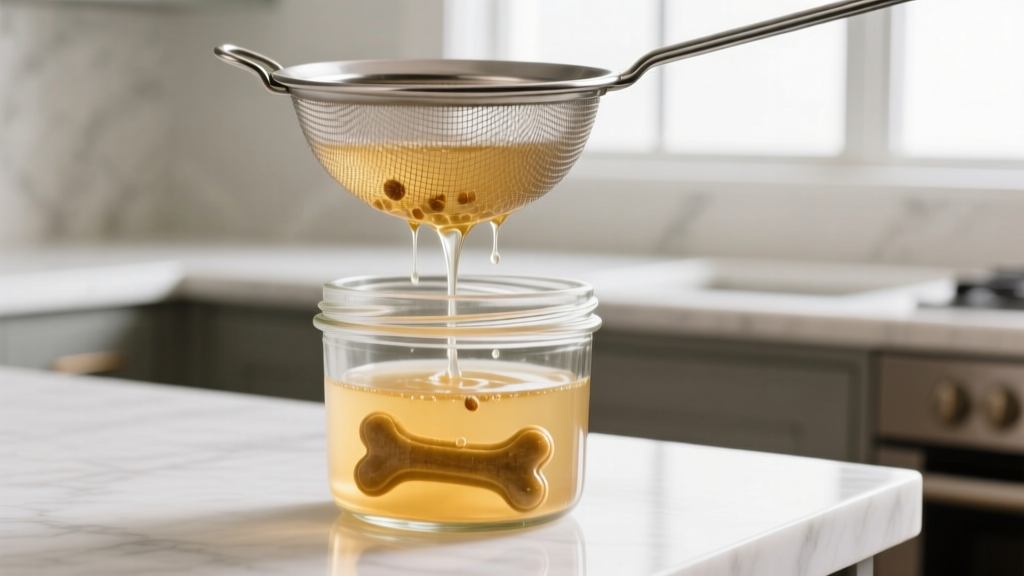
- Strain the liquid through a fine-mesh sieve, discarding the solid bones and vegetables.
Pressure Cooker Method (Instant Pot Duo)
- Load the same ingredients into the inner steel pot of an Instant Pot Duo.
- Secure the lid and set the valve to the sealing position.
- Cook on manual high pressure for 180 minutes.
- Allow a natural pressure release for 45 minutes before opening.
- Strain the broth immediately.
Storage and Serving Guidelines
Proper storage prevents bacterial growth and preserves the amino acid profile. Let the strained liquid cool to room temperature within 2 hours, then transfer it to airtight glass jars.
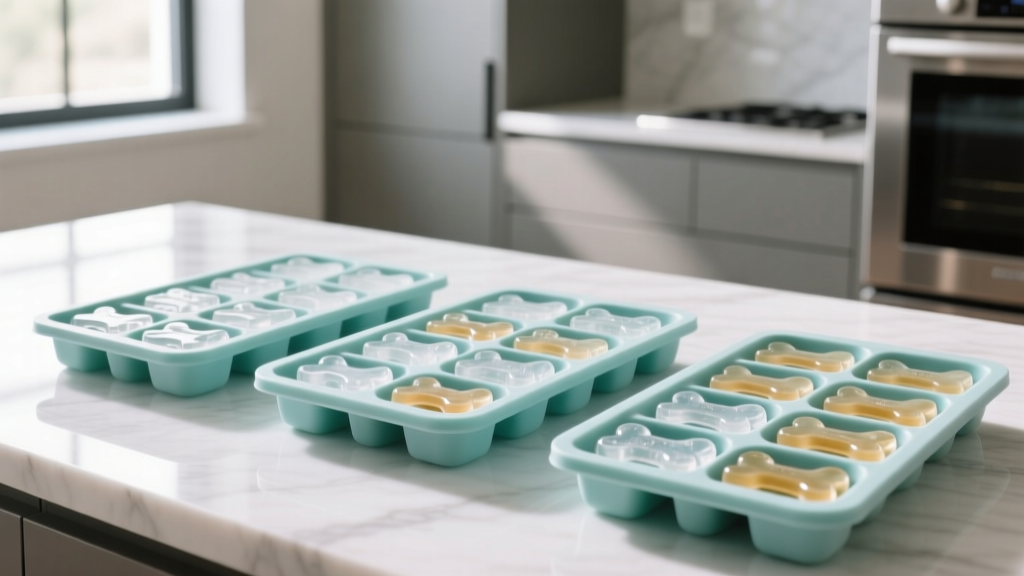
Refrigerated broth remains safe for 5 days. For long-term storage, pour the cooled liquid into silicone ice cube trays and freeze for up to 6 months. A standard serving size is 2 tablespoons per 10 kilograms of your dog's body weight, poured directly over their daily kibble or freeze-dried meals.
Cooking Method Comparison Matrix
Use this decision framework to select the best preparation method for your schedule.
| Feature | Slow Cooker Method | Pressure Cooker Method |
|---|---|---|
| Total Time | 24 to 26 hours | 3 to 4 hours |
| Gelatin Extraction | Maximum (thick gel when chilled) | Moderate (thinner consistency) |
| Energy Consumption | Low continuous wattage | High short-term wattage |
| Convenience | Requires overnight monitoring | Completed in a single afternoon |
Frequently Asked Questions
Can dogs have bone broth every day?
Yes, dogs can consume bone broth daily as a food topper or hydration supplement. Ensure it accounts for no more than 10 percent of their total daily caloric intake to prevent nutritional imbalances.
Why did my bone broth not gel?
A failure to gel indicates an insufficient ratio of connective tissue to water. Next time, increase the proportion of knuckle bones or chicken feet, which contain denser collagen networks than standard marrow bones.
How long does homemade dog bone broth last in the fridge?
Stored in a sealed glass container at or below 4 degrees Celsius, homemade broth stays fresh for exactly 5 days. Always smell the broth before serving; a sour odor indicates spoilage.
Conclusion and Next Steps
Preparing DIY bone broth for dogs provides a highly bioavailable source of joint-supporting collagen and gut-healing gelatin that commercial supplements cannot match. By strictly avoiding toxic alliums and simmering raw bones for an extended period, you create a safe, nutrient-dense addition to your pet's diet. Your next step is to purchase 5 pounds of raw beef knuckle bones from your local butcher and pour your first batch into silicone molds for effortless daily serving.
hannah-wickes
All our authors care for dogs every day — read more of their work on the authors page.


