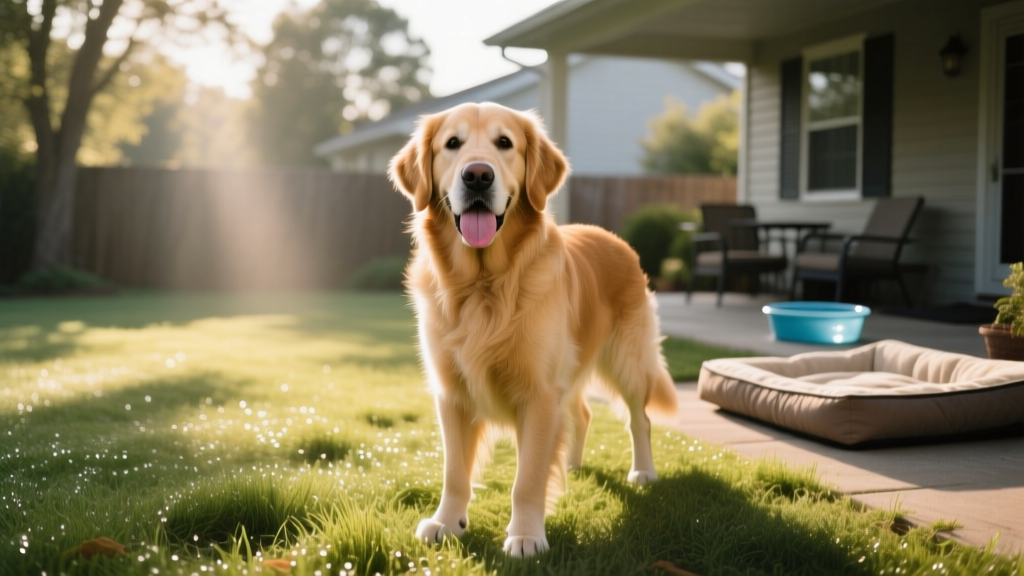
Dental Chews for Dogs: Complete Oral Health & Care Guide
Learn how dental chews for dogs fit into a complete oral care routine.

Canine Dental Anatomy: How Your Dog's Mouth Works
Before evaluating whether dental chews for dogs are right for your pet, it helps to understand what you're actually trying to protect. Dogs have 42 adult teeth (compared to our 32), arranged in a precise arcade designed for gripping, tearing, and crushing rather than grinding like human molars do.
Dog vs. Human Dental Anatomy — Key Differences:
- Tooth count: Dogs have 42 teeth; humans have 32 (including wisdom teeth)
- Enamel thickness: Canine enamel is significantly thinner (~0.1–0.6 mm) than human enamel (~1–2 mm), making dog teeth more susceptible to fracture from overly hard chews
- Carnassial teeth: The upper fourth premolar and lower first molar form a scissor-like pair unique to carnivores — these are the teeth most commonly fractured and most targeted by dental chews
- Saliva pH: Dog saliva is more alkaline (pH ~7.5–8.0) than human saliva, which means dogs don't get cavities as often but are far more prone to periodontal disease from plaque mineralization
- Tooth root depth: Canine tooth roots extend deep into the jawbone — the upper canine root can be nearly twice the length of the visible crown, meaning disease below the gumline is often invisible without dental radiographs
This anatomical reality is why dental chews for dogs can be effective at scraping plaque from crown surfaces but cannot address subgingival (below-the-gumline) disease — which is where roughly 60% of canine dental pathology originates according to the Merck Veterinary Manual.
Common Dental Problems in Dogs: Symptoms to Watch For
Periodontal disease affects an estimated 80% of dogs by age three, according to the American Veterinary Medical Association. But dental chews for dogs are only one piece of prevention — and they're useless if you don't recognize problems early.
| Condition | What It Is | Key Symptoms | Severity |
|---|---|---|---|
| Plaque buildup | Soft bacterial film on teeth | Yellowish film, mild odor | Mild — reversible |
| Calculus (tartar) | Mineralized plaque, hard brown/gold deposits | Hard brown buildup along gumline, bad breath | Moderate — requires professional removal |
| Gingivitis | Inflammation of gum tissue | Red, swollen gums; bleeding when chewing; reluctance to eat hard food | Moderate — reversible with treatment |
| Periodontitis | Bone and ligament destruction around tooth | Loose teeth, pus, severe halitosis, jaw pain, weight loss | Severe — irreversible damage |
| Tooth fracture | Crack or break, often from hard chews | Chewing on one side, pawing at mouth, visible crack or pink/red spot on tooth | Severe — risk of abscess |
| Tooth root abscess | Infection at the tooth root apex | Facial swelling below eye, reluctance to eat, nasal discharge | Emergency — surgical intervention needed |
| Oral tumors | Benign or malignant growths | Lumps, bleeding, loose teeth without other disease, difficulty swallowing | Variable — biopsy required |
How to Check Your Dog's Teeth at Home: Step-by-Step
A monthly home dental exam takes about 90 seconds and can catch problems before they become expensive veterinary emergencies. Here's a systematic approach:
Step 1 — Start with the breath test. Lift your dog's lip and smell. Healthy dog breath isn't pleasant, but it shouldn't be putrid. A sudden change to foul, metallic, or ammonia-like odor warrants a vet visit.
Step 2 — Lift the upper lip on both sides. Examine the outer surfaces of the upper teeth from canine to canine. Look for yellow or brown deposits, especially where the tooth meets the gumline.
Step 3 — Pull the lower lip down. Check the lower teeth, paying special attention to the lower first molars — these accumulate tartar fastest in most dogs.
Step 4 — Check the gumline. Healthy gums are coral pink (or naturally pigmented black/brown in some breeds). Redness, swelling, or bleeding at the gumline signals gingivitis.
Step 5 — Inspect the carnassial teeth. Gently open the mouth or wait for a yawn to view the large upper premolars at the back. These are fracture-prone and often harbor hidden disease.
Step 6 — Feel for loose teeth. With clean hands, gently wiggle each canine tooth. Any mobility beyond a barely perceptible shift is abnormal and needs veterinary evaluation.
Step 7 — Palpate the jawline. Run your fingers along both sides of the lower jaw and below the eyes. Swelling, asymmetry, or pain on palpation may indicate a root abscess.
Normal vs. Abnormal: What Healthy Dog Teeth Look Like
| Feature | Normal / Healthy | Abnormal / Concerning |
|---|---|---|
| Gum color | Coral pink, or natural black/brown pigmentation | Bright red, purple, pale/white, or yellowish |
| Gum texture | Firm, stippled (like orange peel), tight against tooth | Swollen, smooth, receding, or bleeding on touch |
| Tooth surface | White to off-white, smooth, no visible buildup | Yellow/brown crust, pitting, visible cracks |
| Breath odor | Mild, typical dog breath | Foul, rotting, metallic, or sweet/acetone-like |
| Tooth stability | Firmly anchored, no perceptible movement | Loose, wobbly, or shifting position |
| Chewing behavior | Chews normally on both sides, eats hard kibble readily | Drops food, chews on one side, hesitates before biting into hard items |
| Face/jaw symmetry | Symmetrical, no swelling | Swelling below eye, asymmetrical jaw, draining tracts |
Where Dental Chews for Dogs Fit in Your Home Care Routine
Dental chews for dogs work through a mechanical scraping action — as your dog chews, the textured surface contacts the tooth crown and physically disrupts plaque before it mineralizes into tartar (which happens within 24–72 hours of plaque formation). However, they are a supplement to brushing, not a replacement.
Recommended Canine Dental Care Routine:
- Daily: Brush teeth with enzymatic dog toothpaste (e.g., Virbac CET or Sentry Petrodex). Use a dual-head canine brush or finger brush. Spend 30–60 seconds per side.
- Daily or every other day: Offer one VOHC-accepted dental chew after a meal. Choose a size appropriate for your dog's weight. Supervise all chewing sessions.
- Weekly: Perform the 7-step home exam described above.
- Every 6–12 months: Professional veterinary dental cleaning under general anesthesia with full-mouth radiographs. Budget $300–$800 per cleaning depending on your region and whether extractions are needed.
- As needed: Water additives (e.g., Healthy Mouth, TropiClean) for dogs that resist brushing — these reduce bacterial load but do not replace mechanical cleaning.
Selecting Effective Dental Chews: What to Look For
Not all dental chews for dogs are created equal. The Veterinary Oral Health Council (VOHC) evaluates products against standardized protocols for plaque and tartar reduction. A VOHC Seal of Acceptance means the product reduced plaque or tartar by at least 15% in controlled trials (or 20% when used with a specific protocol). Here's a comparison of widely available options:
| Product | VOHC Accepted | Price Range | Key Features | Best For |
|---|---|---|---|---|
| Greenies Original Dental Treats | Yes (tartar & plaque) | $20–$40 / 36-pack | Flexible texture, multiple sizes (Teenies to Regular), widely available | Most dogs, daily use |
| Virbac C.E.T. VeggieDent Fr3sh | Yes (tartar & plaque) | $18–$30 / 30-pack | Plant-based, Z-shape for interdental contact, contains erythritol | Dogs with protein sensitivities |
| Purina Pro Plan Veterinary Dental Chewz | Yes (tartar & plaque) | $25–$35 / 24-pack | Textured ridges, digestible formula, veterinary-recommended brand | Multi-dog households |
| OraVet Dental Hygiene Chews | Yes (tartar & plaque) | $22–$35 / 14-pack | Contains delmopinol (anti-plaque agent), coats teeth as dog chews | Dogs with significant plaque buildup |
| Bully sticks / natural chews | No (not VOHC-tested) | $3–$8 each | Single-ingredient, long-lasting, high palatability | Occasional enrichment (not a dental protocol) |
Important safety note: Avoid rock-hard chews like antlers, weight-bearing bones, and nylon bones. The American Kennel Club and veterinary dentists consistently warn that chews harder than a dog's tooth enamel cause slab fractures of the carnassial teeth. A good rule of thumb: if you can't indent the chew with your thumbnail, it's too hard.
When to See the Vet: Dental Red Flags
⚠️ Call your veterinarian promptly if you notice any of these:
- Bleeding from the mouth lasting more than a few minutes
- Facial swelling, especially below the eye or along the jawline
- Sudden refusal to eat or dropping food while chewing
- Visible tooth fracture with a pink or dark spot (exposed pulp)
- Loose or wiggling adult teeth
- Pus or discharge from the gums or nasal cavity
- Pawing at the mouth combined with whining or behavior changes
- Unexplained weight loss with concurrent bad breath
- Chewing exclusively on one side of the mouth
Never attempt to extract a loose tooth at home. Canine tooth roots are deep and extraction requires surgical technique, anesthesia, and post-operative radiographs to confirm complete root removal. Consult your veterinarian for any dental procedures.
Breed Predispositions: Which Dogs Face the Highest Dental Risk
While all dogs can develop dental disease, certain breeds are genetically predisposed due to jaw conformation, tooth crowding, or enamel quality. This directly affects how much you should rely on dental chews for dogs versus more intensive preventive care.
| Breed / Type | Primary Dental Risk | Why | Recommended Cleaning Frequency |
|---|---|---|---|
| Yorkshire Terrier | Severe periodontal disease, retained deciduous teeth | Tiny jaw with 42 teeth = extreme crowding; retained puppy teeth trap bacteria | Professional cleaning every 6 months |
| Dachshund | Early-onset periodontitis | Long narrow jaw concentrates plaque on lower molars | Professional cleaning every 6–8 months |
| Greyhound / Whippet | Gingival hyperplasia, periodontitis | Genetic predisposition to gum overgrowth creating deep periodontal pockets | Annual cleaning + gum evaluation |
| Shih Tzu / Pekingese | Malocclusion, severe crowding, rotated teeth | Brachycephalic jaw compresses normal tooth count into shortened maxilla | Professional cleaning every 6 months |
| Boxer / Bulldog | Lip-fold dermatitis secondary to dental disease, gingival hyperplasia | Brachycephalic conformation + excess lip folds trap bacteria against gums | Every 6–8 months + daily lip-fold cleaning |
| Toy & Miniature Poodle | Rapid calculus formation, early tooth loss | Small mouth, genetic predisposition to aggressive periodontitis | Every 6 months |
| Large breeds (Labrador, Golden Retriever) | Tooth fracture from aggressive chewing | Powerful bite force + tendency to chew hard objects = carnassial fractures | Annual cleaning + chew selection guidance |
Preventing Dental Disease: A Layered Strategy
Effective dental prevention works in layers, and dental chews for dogs occupy one specific tier of this strategy. Here's how the layers stack:
- Layer 1 — Daily mechanical cleaning (most effective): Toothbrushing with enzymatic toothpaste remains the gold standard. The physical bristle action disrupts the plaque biofilm before it can mineralize. Aim for 30–60 seconds per side, focusing on the outer surfaces where plaque accumulates most.
- Layer 2 — Dental chews and diets (moderate effectiveness): VOHC-accepted dental chews for dogs provide supplementary mechanical scraping. Prescription dental diets like Hill's t/d or Royal Canin Dental use kibble engineered with a fiber matrix that doesn't shatter on contact but envelops the tooth crown for a squeegee effect. These work best for dogs that resist brushing.
- Layer 3 — Chemical agents (supportive role): Water additives containing chlorhexidine, zinc gluconate, or delmopinol reduce oral bacterial load. Chlorhexidine rinses (e.g., Maxigel, Dentacetic) are most effective but should be used in 2–3 week cycles to avoid disrupting normal oral flora.
- Layer 4 — Professional veterinary cleanings (essential foundation): No home care protocol replaces anesthesia-assisted dental cleanings with full-mouth radiographs. Subgingival scaling and radiographic evaluation are the only ways to address disease below the gumline, where 60% of pathology hides.
What NOT to do: Never use human toothpaste on dogs — fluoride and xylitol (a common sweetener in human toothpaste) are toxic to dogs. If your dog ingests human toothpaste containing xylitol, contact the ASPCA Animal Poison Control Center at (888) 426-4435 immediately (a consultation fee applies).
Frequently Asked Questions About Dental Chews and Dog Oral Health
How do I check my dog's teeth at home?
Lift the lip on both sides to view outer tooth surfaces, check gum color (should be coral pink or natural pigmentation), look for yellow/brown buildup along the gumline, gently wiggle canine teeth for mobility, and palpate the jawline for swelling. Perform this exam monthly — it takes about 90 seconds.
What are the most common dental problems in dogs?
Periodontal disease (plaque → tartar → gingivitis → periodontitis) is by far the most common, affecting roughly 80% of dogs by age three. Tooth fractures from hard chews, tooth root abscesses, retained deciduous teeth in small breeds, and oral tumors round out the most frequently diagnosed conditions.
How do I clean my dog's teeth effectively?
Brush daily with a canine-specific enzymatic toothpaste using a dual-head or finger brush. Supplement with a VOHC-accepted dental chew after meals. Add a water additive for extra bacterial control. Schedule professional veterinary cleanings with radiographs every 6–12 months depending on your dog's breed and risk factors.
When should I see a vet about dental issues?
Schedule a dental evaluation if you notice persistent bad breath, visible tartar buildup, red or bleeding gums, loose teeth, facial swelling, chewing on one side, dropping food, or any change in eating behavior. Dental disease is progressive — early intervention prevents painful complications and expensive extractions.
Which breeds are most prone to dental problems?
Small and toy breeds (Yorkshire Terriers, Dachshunds, Toy Poodles, Shih Tzus) face the highest risk due to tooth crowding in small jaws. Brachycephalic breeds (Boxers, Bulldogs, Pekingese) have additional risks from shortened jaws and lip-fold conformation. Sighthounds (Greyhounds) are predisposed to gingival hyperplasia. Large breeds are more prone to tooth fractures.
How can I prevent dental disease in my dog?
Implement a layered approach: daily brushing with enzymatic toothpaste, VOHC-accepted dental chews, water additives, and professional cleanings every 6–12 months. Avoid hard chews (antlers, weight-bearing bones) that cause fractures. Start dental care in puppyhood to build tolerance. Feed a diet that supports dental health — some prescription dental diets have VOHC acceptance.
Are dental chews for dogs safe for puppies?
Most dental chews are formulated for adult dogs with permanent teeth (fully erupted by 6–7 months). For puppies under 6 months, focus on gentle brushing to build the habit. Some brands offer puppy-specific dental treats, but always check the packaging for age recommendations and supervise chewing. Consult your veterinarian before introducing any dental chew to a puppy.
Can dental chews replace professional cleanings?
No. Dental chews for dogs only clean the visible crown surfaces above the gumline. Professional cleanings under anesthesia are the only way to perform subgingival scaling (below the gumline) and take dental radiographs to detect hidden bone loss, root abscesses, and resorptive lesions. Think of dental chews as the equivalent of flossing — helpful daily, but not a substitute for your dentist's tools.
This article is for educational purposes and does not replace professional veterinary advice. Always consult your veterinarian for diagnosis and treatment of dental disease. If you suspect your dog has ingested a toxic substance, contact the ASPCA Animal Poison Control Center at (888) 426-4435 (24/7, consultation fee applies).
Beth Carrasco
All our authors care for dogs every day — read more of their work on the authors page.