Cytopoint Injection for Dogs: Complete 2026 Guide to Allergy Relief
Everything you need to know about Cytopoint injections for dogs — how it works, dosage, side effects, costs, and alternatives for canine atopic dermatitis.
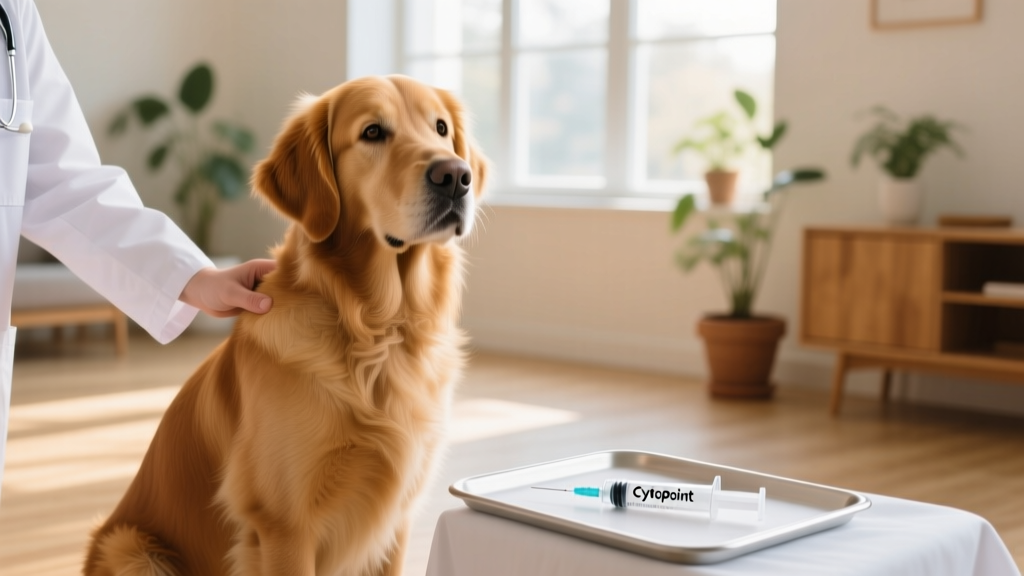
What Is Cytopoint and Why Do Vets Prescribe It for Dogs?
Cytopoint is a veterinary-specific monoclonal antibody — technically known as caninized anti-IL-31 monoclonal antibody (lokivetmab) — developed by Zoetis specifically to treat atopic dermatitis in dogs. Unlike traditional allergy medications that rely on steroids, antihistamines, or immune-suppressing drugs, Cytopoint targets a single cytokine (interleukin-31, or IL-31) that transmits itch signals to the brain.
Approved by the FDA's Center for Veterinary Medicine in 2016, Cytopoint has become one of the most commonly prescribed treatments for canine atopic dermatitis (CAD), a chronic inflammatory skin condition affecting an estimated 10-15% of all dogs according to Merck Veterinary Manual. It is not a cure, but it provides targeted itch relief that allows damaged skin to heal and breaks the scratch-itch cycle that leads to secondary infections.
In practice, veterinarians typically prescribe Cytopoint for:
- Canine atopic dermatitis (CAD) — the primary FDA-approved indication
- Seasonal environmental allergies — pollen, grass, mold spores, dust mites
- Flea allergy dermatitis — as adjunctive itch control alongside flea prevention
- Food allergy-associated pruritus — off-label, to manage itch while conducting elimination diet trials
- Contact dermatitis — off-label supportive itch management
How Does Cytopoint Work? The Mechanism Explained
The IL-31 Itch Pathway
When a dog with atopic dermatitis encounters an allergen, their immune system overreacts and releases various inflammatory cytokines. One of these — IL-31 — is specifically responsible for transmitting itch signals from the skin to the brain via sensory nerve fibers.
Cytopoint works by binding directly to IL-31 molecules in the bloodstream, neutralizing them before they can reach nerve receptors. Think of it as a molecular sponge that soaks up the itch signal before it gets delivered.
Key characteristics of this mechanism:
- Targeted action — only blocks IL-31, leaving the rest of the immune system functional
- Not metabolized by the liver or kidneys — broken down into amino acids like any other protein, making it safer for dogs with hepatic or renal disease
- Does not suppress overall immunity — unlike cyclosporine or oclacitinib (Apoquel), Cytopoint does not broadly dampen immune function
This targeted mechanism is why many veterinarians consider Cytopoint particularly suitable for dogs with comorbidities — such as liver disease, kidney insufficiency, or cancer — where traditional immunosuppressive drugs carry higher risk. According to AVMA resources on canine dermatology, this biological approach represents a significant advancement in managing chronic canine pruritus.
Cytopoint Dosage: What to Expect Based on Your Dog's Weight
Cytopoint is dosed by weight and administered as a subcutaneous injection (under the skin) by a veterinarian or veterinary technician. The standard dosage is 2 mg per kilogram of body weight (approximately 0.9 mg/lb).
Zoetis manufactures Cytopoint in three vial sizes, and your veterinarian selects the appropriate vial — or combination of vials — based on your dog's current weight:
| Dog Weight Range | Vial Size Used | Dose (mg) | Injection Volume |
|---|---|---|---|
| 6.6–11 lb (3–5 kg) | 10 mg vial | 10 mg | 1.0 mL |
| 11.1–22 lb (5–10 kg) | 20 mg vial | 20 mg | 2.0 mL |
| 22.1–44 lb (10–20 kg) | 40 mg vial | 40 mg | 1.0 mL |
| 44.1–88 lb (20–40 kg) | 40 mg vial × 2 | 80 mg | 2.0 mL |
| 88+ lb (40+ kg) | Multiple vials | Calculated per 2 mg/kg | Varies |
Administration schedule: Cytopoint is injected every 4 to 8 weeks, depending on how long your dog's itch relief lasts. Most dogs begin with 4-week intervals, and the interval may be extended if itch control persists beyond that window. Some dogs with mild seasonal allergies may only need injections during peak allergen months.
Onset of action: Most dogs show significant itch reduction within 24 hours, with peak effect at approximately 3–7 days post-injection. This is notably faster than many oral alternatives like cyclosporine, which can take 4–6 weeks to reach full efficacy.
Side Effects of Cytopoint: What the Data Shows
Because Cytopoint is a biologic (protein-based antibody) rather than a traditional pharmaceutical drug, its side effect profile is generally milder than steroid-based or broad immunosuppressive alternatives. Clinical trials and post-market surveillance have documented the following:
| Side Effect | Reported Frequency | Severity | Notes |
|---|---|---|---|
| Injection site reaction (swelling, tenderness) | ~2-5% | Mild | Usually resolves within 24-48 hours |
| Lethargy / decreased activity | ~1-3% | Mild | Typically transient, 12-24 hours |
| Vomiting | ~1-2% | Mild | Usually single episode |
| Diarrhea | ~1-2% | Mild | Self-limiting in most cases |
| Ear infections (otitis externa) | ~2-4% | Moderate | Often related to underlying CAD, not the drug itself |
| Skin infections (pyoderma) | ~2-3% | Moderate | Pre-existing condition in most cases |
| Anaphylaxis / severe allergic reaction | <0.1% (rare) | Severe | Requires immediate emergency veterinary care |
🚨 Seek Emergency Veterinary Care Immediately If:
- Facial swelling, hives, or difficulty breathing within hours of injection
- Severe vomiting or diarrhea that does not stop within 24 hours
- Complete refusal to eat for more than 48 hours post-injection
- Unusual neurological signs: disorientation, seizures, or collapse
- Severe lethargy where the dog cannot stand or respond normally
Contact ASPCA Animal Poison Control: (888) 426-4435 (24/7, consultation fee applies) or your nearest emergency veterinary hospital.
Contraindications: Which Dogs Should NOT Receive Cytopoint?
While Cytopoint has a relatively broad safety profile, certain dogs should not receive this medication or should only do so under heightened veterinary monitoring:
- Puppies under 12 months of age — Cytopoint has not been evaluated for safety in dogs younger than one year, and the developing immune system may respond unpredictably to monoclonal antibody therapy
- Dogs weighing less than 6.6 lb (3 kg) — the minimum available vial size (10 mg) would exceed the safe dosage for very small dogs
- Dogs with known hypersensitivity to lokivetmab — any dog that has had a prior allergic reaction to Cytopoint should not receive subsequent injections
- Breeding, pregnant, or lactating dogs — safety has not been established in these populations; your veterinarian will weigh risks versus benefits
- Dogs with active, uncontrolled infections — while Cytopoint does not broadly suppress immunity, any active systemic infection should be addressed before starting allergy management
Important note on cancer patients: Because Cytopoint does not suppress immune function the way cyclosporine or corticosteroids do, many veterinary oncologists consider it a preferred itch management option for dogs undergoing cancer treatment. However, this decision should always be made collaboratively between your veterinarian and veterinary oncologist.
Drug Interactions and Concurrent Medications
One of Cytopoint's clinical advantages is its low potential for drug interactions. Because it is a protein-based antibody broken down into amino acids — rather than metabolized through hepatic cytochrome P450 pathways — it does not interact with most pharmaceuticals in the way traditional drugs do.
| Concurrent Medication | Interaction Risk | Clinical Guidance |
|---|---|---|
| Apoquel (oclacitinib) | Low — no known pharmacokinetic interaction | Sometimes used concurrently during transition; consult your vet on whether both are needed long-term |
| Corticosteroids (prednisone, dexamethasone) | Low — no direct interaction | Often used as bridge therapy; vets typically taper steroids once Cytopoint takes effect |
| Cyclosporine (Atopica) | Low — different metabolic pathways | May be used during transition period; redundant long-term use usually unnecessary |
| NSAIDs (carprofen, meloxicam) | None known | Safe to use concurrently for pain/arthritis management |
| Antibiotics (for secondary skin infections) | None known | Commonly prescribed alongside Cytopoint when pyoderma is present |
| Flea/tick preventives (oral or topical) | None known | Essential to maintain — flea allergy dermatitis will not resolve without flea control |
| Vaccines | Theoretical concern — immune modulation | Some vets prefer spacing vaccines 1-2 weeks from Cytopoint injection; evidence is limited |
Always provide your veterinarian with a complete list of every medication, supplement, and over-the-counter product your dog is receiving before starting Cytopoint therapy.
Monitoring and Follow-Up: What to Expect Long-Term
Unlike medications such as cyclosporine or long-term corticosteroids, Cytopoint does not require routine blood work monitoring. This is one of the reasons many dog owners and veterinarians prefer it for long-term allergy management.
Typical Cytopoint Monitoring Schedule
| Initial assessment | Full dermatologic exam, skin cytology if infection suspected, weight measurement for dosing |
| First follow-up (2-4 weeks) | Assess itch reduction using CADESI-04 or pruritus VAS scoring; determine if injection interval should be 4 or 8 weeks |
| Ongoing visits (every 4-8 weeks) | Re-injection, weight check (dose adjustment if weight changed significantly), skin condition assessment |
| Annual wellness exam | Comprehensive exam; blood work if recommended for age/breed (not required by Cytopoint itself); reassess allergy management plan |
| As needed | Ear cytology, skin scrapings, or bacterial culture if secondary infections develop between visits |
Your veterinarian may recommend adjusting the injection interval based on seasonal patterns. Many dogs with environmental allergies need more frequent injections (every 4 weeks) during peak pollen seasons and can extend to every 6-8 weeks during lower-allergen months. Some dogs with mild CAD may discontinue Cytopoint entirely during winter and resume in spring.
How Much Does Cytopoint Cost? Budgeting for Treatment
Cytopoint pricing varies by geographic region, veterinary practice overhead, and your dog's weight (which determines vial size). Here are realistic 2026 cost ranges based on typical US veterinary pricing:
| Dog Size | Per-Injection Cost | Annual Cost (Every 4 Weeks) | Annual Cost (Every 8 Weeks) |
|---|---|---|---|
| Small (10-22 lb) | $65 – $110 | $845 – $1,430 | $455 – $770 |
| Medium (22-44 lb) | $95 – $150 | $1,235 – $1,950 | $665 – $1,050 |
| Large (44-88 lb) | $140 – $220 | $1,820 – $2,860 | $980 – $1,540 |
| Giant (88+ lb) | $180 – $300+ | $2,340 – $3,900+ | $1,260 – $2,100+ |
Additional costs to factor in:
- Office visit fee: $50–$95 per visit (some clinics bundle this with the injection)
- Initial dermatology workup: $150–$400 (skin cytology, allergy testing if pursued)
- Secondary infection treatment: $30–$120 per course of antibiotics or medicated shampoos
Generic availability: As of 2026, there is no generic equivalent to Cytopoint. Lokivetmab is a patented biologic manufactured exclusively by Zoetis. Biologics are fundamentally different from traditional small-molecule drugs — they cannot be replicated as simple generics. Biosimilar versions may eventually emerge, but none are currently available in the US market.
Pet insurance coverage: Most comprehensive pet insurance plans (Trupanion, Healthy Paws, Nationwide, ASPCA Pet Health Insurance) cover Cytopoint when prescribed for a diagnosed condition, provided the allergy is not classified as a pre-existing condition. Check your specific policy's coverage for prescription medications and biologics.
How Long Does a Dog Need to Stay on Cytopoint?
There is no predetermined treatment duration for Cytopoint. Because canine atopic dermatitis is a chronic, lifelong condition, most dogs require ongoing management — but the form that management takes can evolve.
Common long-term scenarios include:
- Year-round maintenance — dogs with severe perennial allergies (dust mites, mold) typically remain on Cytopoint indefinitely with 4-8 week intervals
- Seasonal use — dogs with strictly seasonal allergies may receive Cytopoint only during peak months (typically March–October depending on region), then discontinue until the following season
- Trial discontinuation — after 12-18 months of consistent control, some veterinarians recommend a trial period without Cytopoint to assess whether the dog's condition has improved (skin barrier repair, allergen avoidance, concurrent immunotherapy)
- Combination with allergen-specific immunotherapy (ASIT) — Cytopoint can bridge the 6-12 month period while allergy shots or sublingual drops build long-term tolerance, after which some dogs can reduce or discontinue injections
Your veterinarian will reassess the treatment plan at each visit. Never discontinue Cytopoint without consulting your vet — sudden cessation won't cause withdrawal, but the underlying itch will typically return within 4-8 weeks.
Alternatives to Cytopoint: Comparing Canine Allergy Treatments
Cytopoint is not the only option for managing canine atopic dermatitis. Here is how it compares to other common veterinary allergy treatments:
| Treatment | Type | Onset | Key Advantage | Key Limitation |
|---|---|---|---|---|
| Cytopoint (lokivetmab) | Injectable biologic | 1-3 days | Targeted; no liver/kidney metabolism | Requires vet visits; no generic |
| Apoquel (oclacitinib) | Oral JAK inhibitor | 4-24 hours | Fast relief; at-home dosing | Not for dogs <12 months; potential immune effects |
| Atopica (cyclosporine) | Oral immunosuppressant | 4-6 weeks | Effective for severe cases | GI side effects; slow onset; cost at high weights |
| Corticosteroids (prednisone) | Oral/injectable steroid | Hours | Very fast; inexpensive short-term | Serious long-term side effects; not for chronic use |
| Allergen-specific immunotherapy (ASIT) | Injectable/sublingual | 6-12 months | Addresses root cause; may reduce lifelong medication needs | Requires allergy testing; slow; ~60-70% response rate |
| Antihistamines (diphenhydramine, cetirizine) | Oral OTC | 1-2 hours | Inexpensive; widely available | Only effective in ~20-30% of dogs with CAD |
Many veterinarians now use a multimodal approach — combining Cytopoint or Apoquel for immediate itch control with ASIT for long-term tolerance building, alongside environmental management (frequent bathing with hypoallergenic shampoos, HEPA air filtration, regular washing of bedding in hot water).
Missed Dose and Overdose: What You Need to Know
If a scheduled Cytopoint injection is missed: Unlike daily oral medications, Cytopoint does not create a dangerous gap in coverage. Simply schedule the injection as soon as possible. The antibody will begin working within 1-3 days. There is no need for a loading dose or catch-up protocol. Your veterinarian may want to reassess the injection interval if your dog's itch flared significantly during the gap.
If an overdose occurs: Cytopoint overdose is extremely unlikely in a clinical setting because it is administered by veterinary professionals using weight-based dosing. However, in the event of an accidental overdose (e.g., wrong vial size administered), the expected outcome is minimal toxicity. Monoclonal antibodies have a wide safety margin — clinical trials tested doses up to 10 times the recommended amount without serious adverse effects. The most likely outcome of an overdose would be mild, self-limiting injection site swelling or transient lethargy.
That said, always report any dosing error to your veterinarian immediately so they can document it and advise on monitoring.
Frequently Asked Questions About Cytopoint
Can Cytopoint be given alongside allergy testing and immunotherapy?
Yes. In fact, many veterinary dermatologists recommend this combination. Cytopoint controls itch while allergy testing (intradermal or serum IgE) identifies specific allergens, and then allergen-specific immunotherapy (ASIT) works to build long-term tolerance. Cytopoint does not interfere with allergy test results the way corticosteroids or antihistamines can, which is a significant clinical advantage.
Will Cytopoint make my dog gain weight like steroids do?
No. Weight gain, increased appetite, and increased thirst are side effects of corticosteroids — not Cytopoint. Because Cytopoint targets only IL-31 and does not affect metabolic pathways, cortisol levels, or appetite regulation, these side effects do not occur.
Is Cytopoint safe for dogs with liver or kidney disease?
Cytopoint is generally considered one of the safest allergy treatment options for dogs with hepatic or renal comorbidities. Unlike most oral medications, it is not metabolized by the liver or excreted by the kidneys — it is broken down into amino acids through normal protein catabolism, just like any other antibody in the body. Always discuss your dog's full medical history with your veterinarian before starting any treatment.
Can I give Cytopoint at home, or must a vet administer it?
Cytopoint must be administered by a licensed veterinarian or veterinary technician. It is supplied as a refrigerated solution requiring proper storage (2-8°C / 36-46°F) and is given as a subcutaneous injection using specific technique. It is not dispensed for at-home administration.
My dog has been on Cytopoint for a year — is it safe for long-term use?
Yes. Long-term safety studies and extensive post-market surveillance since 2016 have not identified cumulative toxicity or organ damage associated with prolonged Cytopoint use. Many dogs have been receiving Cytopoint continuously for 5+ years without adverse health effects attributable to the medication. Regular veterinary wellness exams remain important for overall health monitoring regardless of medication.
Does Cytopoint cure my dog's allergies?
No. Cytopoint manages the symptom of itch — it does not cure the underlying allergic disease. Think of it as highly effective symptom control that breaks the itch-scratch cycle and allows skin to heal. For a treatment that addresses the root cause, discuss allergen-specific immunotherapy (ASIT) with your veterinarian.
What should I do if Cytopoint stops working for my dog?
If your dog's itch returns before the next scheduled injection, inform your veterinarian. Options may include shortening the injection interval (e.g., from every 8 weeks to every 4 weeks), adding a concurrent medication like Apoquel for breakthrough itch, investigating secondary infections that may be amplifying pruritus, or reassessing the diagnosis to rule out conditions like sarcoptic mange or food allergies that Cytopoint alone would not fully address.
This article is for informational purposes only and does not replace professional veterinary advice. Always consult your veterinarian before starting, changing, or discontinuing any medication for your dog. Individual responses to Cytopoint may vary, and your veterinarian is best positioned to determine the appropriate treatment plan for your dog's specific needs.
Priya Sutaria
All our authors care for dogs every day — read more of their work on the authors page.


