Preventing Injuries, Infections & Quick Damage
Learn the risks of improper cutting dog nails techniques, how to identify nail injuries and infections, treatment costs, and when to see your vet.
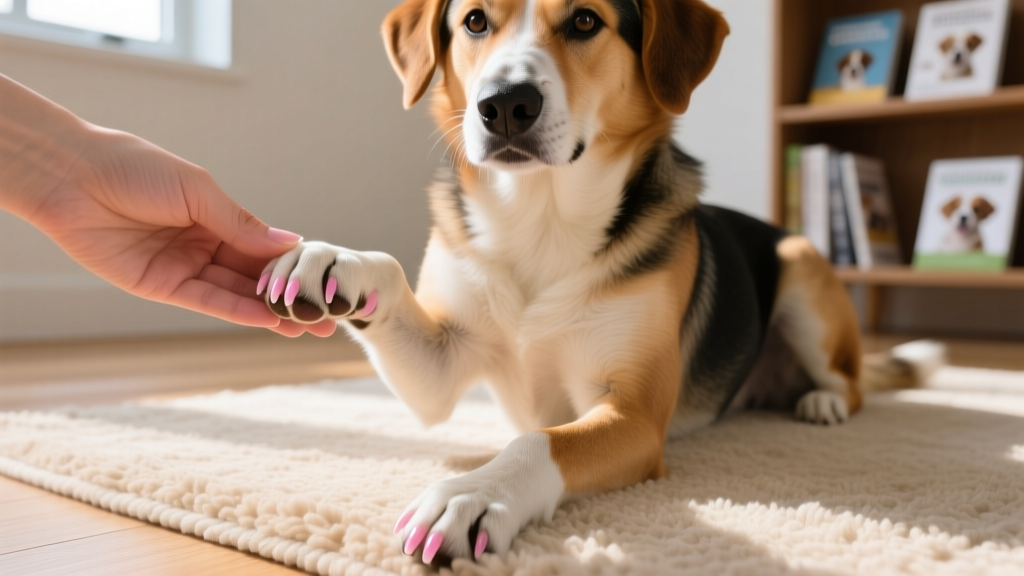
Every dog owner will face it: the moment you're cutting dog nails and hear that sickening yelp, followed by a stream of blood. Nail trimming injuries and resulting infections are among the most common at-home grooming complications in veterinary practice. While cutting dog nails is a routine part of canine care, mistakes — hitting the quick, splitting the nail, or introducing bacteria into damaged tissue — can escalate from a minor bleed into a painful infection, structural paw damage, or even chronic lameness if left untreated.
This guide covers the full spectrum of nail-related injuries and infections that can result from improper nail trimming, how to recognize them early, what your vet will do to treat them, and how to prevent them going forward. If you've ever felt anxious about cutting dog nails, understanding these risks will help you approach the task with both confidence and caution.
What Are Nail Trimming Injuries and Infections in Dogs?
A nail trimming injury refers to any trauma to the nail unit — the nail plate, the quick (the blood vessel and nerve bundle running through the nail), the nail bed, or surrounding tissue — caused during or as a result of nail clipping. The most common injury is a "quicked" nail, where the clippers cut into the vascular quick, causing immediate pain and bleeding. However, complications extend well beyond the initial bleed.
When the nail's protective structure is compromised — through splitting, cracking, or cutting too short — bacteria (commonly Staphylococcus pseudintermedius, Streptococcus species, or environmental organisms) gain access to the nail bed. This can develop into paronychia (infection of the tissue surrounding the nail) or onychomycosis (fungal nail infection). In severe or untreated cases, the infection can spread to the underlying bone, causing osteomyelitis of the distal phalanx (the toe bone).
According to the Merck Veterinary Manual, nail bed disorders are relatively common in dogs, with bacterial infections being the most frequently diagnosed type. Dogs with dark nails, thick nails, or those who are uncooperative during trimming are at elevated risk simply because visibility and precision are reduced.
Recognizing the Signs: Symptom Checklist by Severity
Nail injuries and infections don't always announce themselves immediately. Some dogs will yelp and bleed right away; others may develop a slow-building infection over days. Use this checklist to gauge where your dog falls on the severity spectrum.
| Severity | Symptoms | Timeline |
|---|---|---|
| Early / Mild | • Bleeding from nail that stops within 5-10 minutes • Brief licking or favoring of the paw • Slight redness around the nail base • Mild swelling of the toe |
Immediate to 24 hours after trimming |
| Moderate | • Bleeding that restarts or won't stop after 15 minutes • Persistent limping or refusing to bear weight on the paw • Visible nail crack, split, or dangling nail fragment • Discharge (clear, yellow, or pus-like) from nail area • Paw held elevated for extended periods • Excessive licking or chewing at the affected toe |
24-72 hours after injury |
| Advanced / Severe | • Foul odor from the paw • Thick, discolored (green, brown, bloody) discharge • Nail loosening or separating from the nail bed • Significant swelling extending beyond the toe into the paw • Fever (normal dog temperature: 101-102.5°F / 38.3-39.2°C) • Lethargy or loss of appetite • Red streaks or warmth radiating from the toe • Obvious pain on even gentle touch |
3-10 days post-injury; indicates active infection |
- Bleeding doesn't stop after 15-20 minutes of direct pressure and styptic powder
- The nail is hanging or partially detached
- You see pus, smell a foul odor, or notice spreading redness
- Your dog is running a fever (above 103°F / 39.4°C)
- Your dog won't put any weight on the paw for more than 24 hours
- Your dog has diabetes, is immunocompromised, or is on steroids
Risk Factors: Which Dogs Are Most Vulnerable?
Not all dogs carry the same risk when it comes to nail trimming complications. Several factors influence both the likelihood of injury and the severity of any resulting infection.
Breed Predisposition
Dogs with dark or black nails — including Rottweilers, Labrador Retrievers, Doberman Pinschers, and many mixed breeds — present a visibility challenge because the quick cannot be seen through the nail plate. Breeds with thick, hard nails such as German Shepherds and Huskies are more prone to nail splitting and cracking when cut with dull or undersized clippers. Small breeds like Chihuahuas, Dachshunds, and Toy Poodles have proportionally smaller quicks, making precision critical.
Dewclaw Vulnerability
Dewclaws — the thumb-like nails on the inner side of the leg — don't make ground contact and therefore never self-file. They grow in curves that can embed into the skin if not trimmed regularly. Breeds with rear dewclaws (Great Pyrenees, Briards, Icelandic Sheepdogs) have additional nails requiring attention.
Age & Health Status
Senior dogs often have brittle, overgrown nails and may have reduced pain tolerance or arthritis that makes restraint difficult. Diabetic dogs and those on immunosuppressive medications (e.g., cyclosporine, prednisone) are at significantly higher risk of infection following any nail injury. Dogs with clotting disorders (hemophilia, von Willebrand disease, thrombocytopenia) can experience dangerous, prolonged bleeding from a quicked nail.
Environmental Factors
Dogs who walk primarily on grass or carpet (rather than concrete or asphalt) don't naturally wear down their nails, leading to longer quicks that extend further into the nail plate. The longer the quick, the easier it is to cut into it. Dogs with chronic allergies who lick their paws frequently also introduce bacteria to any minor nail trauma.
How Are Nail Injuries and Infections Diagnosed?
When you bring your dog to the vet for a nail-related injury, the diagnostic process is usually straightforward for simple cases but can become more involved if infection is suspected. Here's what to expect, along with typical cost ranges (US averages, 2025-2026 pricing).
- Physical Examination ($50-$90 office visit fee)
Your vet will visually inspect the nail and surrounding tissue, assess for nail plate integrity, check for discharge, palpate the toe for swelling or pain response, and evaluate the dog's gait. - Nail Bed Exploration Under Sedation ($150-$350)
If the dog is too painful or anxious to allow examination, or if a nail fragment needs removal, light sedation (often dexmedetomidine and butorphanol) may be required. This allows thorough cleaning and assessment of the nail bed. - Cytology / Culture and Sensitivity ($80-$200)
If discharge is present, the vet will take a swab for cytology (immediate microscopic review of cells and bacteria) and may send a sample for bacterial culture and sensitivity testing. Results from culture typically take 48-72 hours and identify exactly which bacteria are present and which antibiotics will work. - Radiographs / X-Rays ($150-$300 for paw series)
If the infection appears deep, chronic, or if the nail has been damaged near the base, your vet may take X-rays of the toe to check for osteomyelitis (bone infection) or fracture of the distal phalanx. This is especially important if the injury is more than a few days old or hasn't responded to initial treatment. - Fungal Testing ($100-$250)
If onychomycosis (fungal nail infection) is suspected — more common in dogs with chronic nail problems or those in humid climates — a fungal culture or PAS stain biopsy may be ordered. Fungal cultures can take 2-4 weeks for results.
For a straightforward quicked nail with no infection, you may only pay the office visit fee plus styptic treatment — typically $60-$120 total. For a nail bed infection requiring sedation, culture, X-rays, and medication, expect $400-$900. Severe cases involving bone infection or surgical nail bed removal can exceed $1,500-$3,000.
Treatment Options: From First Aid to Surgery
Treatment depends entirely on the injury type and whether infection has set in. Here's a comparison of the main treatment pathways your vet may recommend.
| Treatment | Indication | Success Rate | Recovery Time | Estimated Cost |
|---|---|---|---|---|
| Styptic powder + bandage | Simple quick bleed, no infection | ~95% resolve at home | 1-3 days | $10-$30 (OTC supplies) |
| Silver nitrate cauterization | Persistent bleeding from quick | ~90% effective immediately | 3-5 days | $30-$75 (in-clinic) |
| Oral antibiotics (e.g., cephalexin, amoxicillin-clavulanate) | Bacterial nail bed infection (paronychia) | 80-90% with appropriate antibiotic selection | 2-4 weeks of medication | $20-$60 (medication) |
| Topical antiseptic soaks (chlorhexidine 2-4%) | Mild infection, adjunct to oral antibiotics | Effective as adjunct; not standalone for deep infection | Daily for 1-2 weeks | $10-$25 (solution) |
| Nail avulsion (removal) under sedation | Severely damaged, split, or infected nail | 85-95% with proper post-op care | 2-3 weeks | $200-$500 |
| Surgical nail bed ablation | Chronic, recurrent infection; osteomyelitis of distal phalanx | ~90% resolution; nail will not regrow | 3-6 weeks | $800-$2,500 |
| Antifungal therapy (itraconazole, terbinafine) | Confirmed onychomycosis (fungal infection) | 60-80%; requires prolonged treatment | 6-12 weeks minimum | $40-$150 (medication) |
At-Home First Aid: What You Can Do Immediately
If you quick your dog's nail and bleeding starts, stay calm and follow these steps:
- Apply direct pressure with a clean cloth or gauze for 2-3 minutes.
- Apply styptic powder (Kwik Stop is the most widely available brand, ~$6-$12) directly to the nail tip. Press firmly for 30-60 seconds. Cornstarch or flour can work in a pinch, though they're less effective.
- Keep your dog calm and still for 10-15 minutes. Activity can restart bleeding.
- Monitor for 24 hours. If bleeding restarts, swelling develops, or your dog begins limping persistently, contact your vet.
For a cracked or split nail that is not bleeding heavily: if the fragment is loose and dangling, it can sometimes be gently removed by your vet (or by you if it's clearly hanging by a thread and causing pain — but only if you can do so without pulling on attached tissue). Wrap the paw in a clean bandage and see your vet within 24 hours to prevent infection.
Important: Always consult your veterinarian before administering any medication to your dog. Never give human pain relievers like ibuprofen or acetaminophen, as these are toxic to dogs.
Prognosis and Expected Outcomes
The prognosis for nail trimming injuries and infections depends heavily on how quickly the problem is identified and treated.
| Stage | Typical Outcome | Long-Term Impact |
|---|---|---|
| Simple quick bleed (treated promptly) | Full resolution within 24-48 hours; no lasting damage | None — nail regrows normally within 4-8 weeks |
| Superficial nail bed infection (early treatment) | Full recovery with 2-3 weeks of antibiotics | Nail may regrow slightly misshapen; typically cosmetic only |
| Deep nail bed infection / chronic paronychia | Good prognosis with appropriate treatment; may require nail removal | Nail may regrow abnormally or not at all if nail matrix is damaged |
| Osteomyelitis (bone infection) | Guarded prognosis; may require surgical removal of affected bone (P3 amputation) | Permanent loss of the nail and potentially the toe tip; most dogs adapt well functionally |
| Systemic spread (rare) | Poor prognosis if sepsis develops; requires aggressive IV antibiotics and hospitalization | Can be life-threatening; early intervention is critical |
The good news: the vast majority of nail trimming injuries — even those that become infected — resolve fully with prompt, appropriate veterinary care. Dogs are remarkably resilient, and even those who lose a nail or toe tip to severe infection typically return to full function within weeks. The danger lies in neglect: an untreated nail bed infection that progresses to bone involvement becomes a far more serious and expensive problem.
Prevention: How to Cut Dog Nails Safely Every Time
Prevention is overwhelmingly the best strategy. Here are evidence-based techniques and tools that minimize injury risk.
Choose the Right Tool for Your Dog
- Guillotine-style clippers (e.g., Resco Deluxe, ~$15-$20): Best for small to medium dogs with thinner nails. Replace blades regularly — dull blades crush rather than cut.
- Scissor-style / plier clippers (e.g., Millers Forge Professional, ~$12-$25): Better leverage for large dogs with thick nails. Look for models with a quick-guard stop.
- Rotary nail grinders (e.g., Dremel 7300-PT Pet Grooming Tool, ~$30-$45; or the Casfuy Dog Nail Grinder, ~$20-$30): Remove small amounts of nail gradually, dramatically reducing the risk of hitting the quick. Many dogs tolerate grinders better than clippers once desensitized. The main drawbacks are noise (some dogs are noise-sensitive) and the time required per nail.
The "Small Cuts" Technique
Rather than making one large cut, make 3-5 tiny slices (1-2 mm each) from the tip of the nail inward. After each cut, examine the cross-section of the nail. When you see a dark or pinkish circle appearing in the center of the nail's cross-section — that's the quick approaching. Stop cutting immediately. This technique works even with dark nails where you can't see the quick from the outside.
Trim Frequency Matters
The quick grows longer when nails are allowed to grow long. By trimming every 2-3 weeks (or grinding weekly for 1-2 minutes), you encourage the quick to recede over time, giving you more nail to work with safely. Dogs who walk daily on concrete may need trimming only every 4-6 weeks; indoor or grass-only dogs may need it every 1-2 weeks.
Desensitization Protocol for Anxious Dogs
For dogs who fear nail trimming, use a positive reinforcement desensitization approach over multiple sessions:
- Let your dog sniff the clippers/grinder. Reward with high-value treats (freeze-dried liver, cheese).
- Touch the tool to one paw without cutting. Reward.
- Turn on the grinder (or make a clip sound near the paw) without contacting the nail. Reward calm behavior.
- Trim or grind a single nail. Reward generously. End the session.
- Gradually increase the number of nails per session over days or weeks.
Never restrain your dog forcefully or punish fearful behavior during nail trimming — this deepens the fear association and makes future sessions more dangerous for both of you. If your dog's anxiety is severe, ask your vet about cooperative care training with a certified fear-free trainer, or discuss whether a mild anti-anxiety medication (such as trazodone or gabapentin, prescribed by your vet) could help during grooming sessions.
Have a "Bailout Plan"
Keep styptic powder (Kwik Stop or equivalent) within arm's reach every single time you trim nails. Know the number for your nearest emergency vet clinic. If you're unsure about your technique, ask your vet or a professional groomer to demonstrate on your dog — most will do this for free or a small fee during a routine visit.
Cost Breakdown: What Nail Injury Treatment Really Costs
Understanding the financial range helps you make informed decisions and avoid the false economy of skipping a vet visit.
| Scenario | Estimated Cost Range |
|---|---|
| Simple quick bleed, treated at home (styptic powder, bandage) | $10-$30 |
| Quick bleed requiring vet visit (office exam + cauterization) | $75-$150 |
| Nail bed infection (exam + oral antibiotics + recheck) | $150-$350 |
| Infected nail requiring sedation, culture, and X-rays | $400-$900 |
| Surgical nail removal under general anesthesia | $500-$1,200 |
| Chronic osteomyelitis requiring P3 amputation and hospitalization | $1,500-$3,000+ |
| Preventive grooming (professional nail trim, per visit) | $10-$25 |
A pet insurance policy with accident-and-illness coverage typically covers nail bed infections and related treatments (minus your deductible), making the cost of a $500-$900 treatment episode far more manageable. Most policies range from $30-$70/month depending on breed, age, and deductible structure.
Frequently Asked Questions
How often should I be cutting dog nails?
Most dogs need nail trimming every 2-4 weeks. The guideline is simple: if you can hear the nails clicking on hard floors, they're too long. Dogs who walk extensively on concrete may need less frequent trims. Dewclaws always need regular trimming regardless of activity level, as they never contact the ground.
What if my dog's nails are black and I can't see the quick?
Use the small-cuts technique described above, examining the cross-section after each 1-2 mm slice. Look for the transition from a chalky white/gray interior to a darker, sometimes pinkish center — that's the quick. Alternatively, use a nail grinder, which removes nail gradually and generates less risk of a single catastrophic cut. On the underside of the nail, you can often see a groove or ridge where the quick ends — this is sometimes visible even in dark nails.
Can a quicked nail get infected?
Yes. The quick is vascular tissue connected to the nail bed, and an open wound at the nail tip is an entry point for bacteria — especially since dogs walk on the ground and lick their paws. Most quicked nails heal without infection if kept clean and dry, but the risk increases if the dog licks the area excessively, walks in muddy or dirty conditions, or has a compromised immune system.
My dog's nail is splitting lengthwise — is that from trimming?
Lengthwise splitting can result from using dull clippers that crush rather than cleanly cut the nail, from catching a nail on carpet or fencing, or from underlying nutritional deficiencies or nail bed disease. If splitting recurs despite sharp tools and proper technique, ask your vet to evaluate for conditions like symmetrical lupoid onychodystrophy (an autoimmune nail disease seen in breeds like Gordon Setters and Greyhounds) or dietary insufficiencies.
How long does it take for a dog's nail to grow back after injury?
A healthy dog's nail typically regrows in 4-8 weeks, depending on the extent of damage and the dog's age and health. If the nail matrix (the growth center at the base of the nail) is undamaged, the nail will regrow normally. If the matrix is destroyed — through severe infection or surgical ablation — the nail will not regrow, and the toe tip will heal with a smooth, hardened surface.
Should I use a nail grinder or clippers?
Both can be effective. Grinders offer more precision and less risk of hitting the quick, making them ideal for dark-nailed dogs and anxious dogs (once desensitized to the sound and vibration). Clippers are faster and don't require a power source, making them convenient for quick sessions. Many experienced owners use both: clippers for the bulk of the nail and a grinder for fine-tuning the edges. The American Kennel Club recommends familiarizing your dog with both tools from puppyhood.
Is it safe to trim my dog's nails at home, or should I go to a groomer?
Home trimming is safe if you have the right tools, proper technique, and a cooperative dog. If your dog is aggressive or extremely fearful during nail trims, if you've had repeated injuries, or if you simply lack confidence, a professional groomer or veterinary technician can handle it. Some veterinary clinics offer "nail trim only" appointments for $10-$20, which is an excellent middle ground — you get professional skill in a medical setting where complications can be addressed immediately.
Disclaimer: This article is for informational purposes only and does not replace professional veterinary advice. If your dog has a nail injury, persistent bleeding, or signs of infection, consult your veterinarian promptly. For toxic substance exposure, contact the ASPCA Animal Poison Control Center at (888) 426-4435 (24/7, consultation fee applies).
Robin Maitland
All our authors care for dogs every day — read more of their work on the authors page.