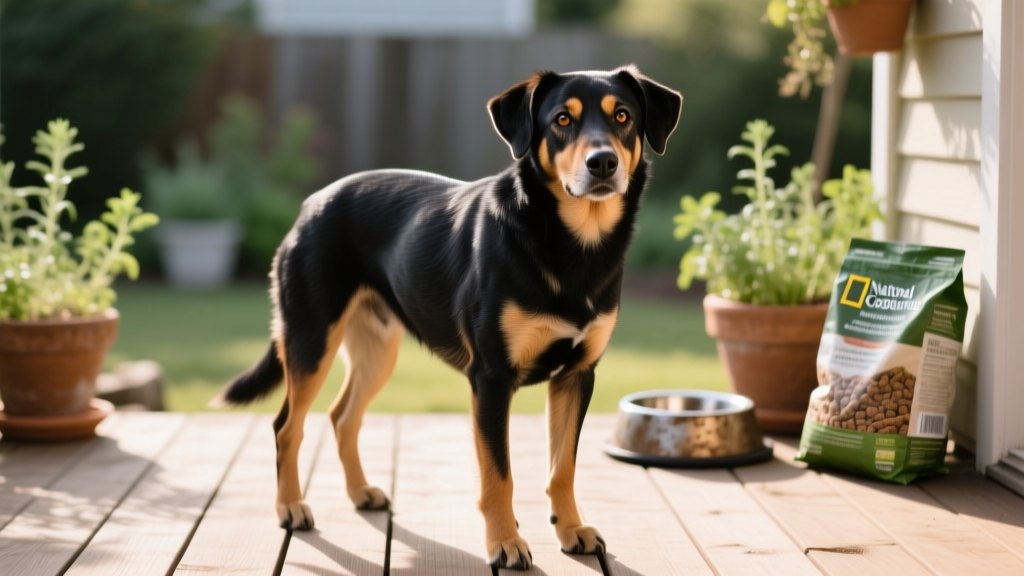
Early Warning Signs, Diagnosis & Treatment Guide
Recognize Cushing's symptoms in dogs early. Learn about diagnosis costs, treatment options, prognosis, and daily management strategies from veterinary experts.

What Is Cushing's Disease in Dogs?
Cushing's disease, medically known as hyperadrenocorticism (HAC), occurs when a dog's body produces excessive cortisol — the stress hormone that regulates metabolism, immune response, and blood pressure. According to the Merck Veterinary Manual, approximately 1 to 2 out of every 1,000 dogs develop Cushing's annually, making it one of the most common endocrine disorders in middle-aged and older dogs.
There are three forms of the disease:
- Pituitary-dependent Cushing's (PDH): Accounts for 80-85% of cases. A benign tumor on the pituitary gland overproduces ACTH, which stimulates the adrenal glands to release excess cortisol.
- Adrenal-dependent Cushing's (ADH): Represents 15-20% of cases. A tumor on one adrenal gland directly overproduces cortisol.
- Iatrogenic Cushing's: Caused by prolonged use of corticosteroid medications like prednisone. This form is fully reversible by tapering the medication under veterinary supervision.
Understanding which type your dog has directly determines the treatment path, cost, and prognosis — which is why thorough diagnostic workups matter so much.
Cushing's Symptoms in Dogs: From Early Warnings to Advanced Signs
Cushing's symptoms develop gradually over months or even years, which is why many owners don't notice changes until the disease is well-established. The following checklist organizes symptoms by how they typically appear in disease progression.
| Severity Stage | Symptoms | What's Happening |
|---|---|---|
| Early Warning Signs (Often overlooked) |
Increased thirst (polydipsia) — drinking noticeably more water | Cortisol interferes with kidney water conservation |
| Increased urination (polyuria) — more frequent potty breaks, accidents in house | Excess water intake drives excess output | |
| Increased appetite (polyphagia) — begging, scavenging, seeming "always hungry" | Cortisol increases metabolic demand signals | |
| Mild panting more than usual | Early muscle weakness affecting respiratory muscles | |
| Moderate Symptoms (More visible changes) |
Pot-bellied appearance — abdomen looks swollen and rounded | Cortisol redistributes fat to the abdomen and weakens abdominal muscles |
| Hair loss (alopecia) — symmetrical thinning on trunk, sparing head and legs | Cortisol suppresses hair follicle growth cycles | |
| Thin, fragile skin that bruises easily | Cortisol breaks down collagen in skin tissue | |
| Muscle wasting — especially in the legs, giving a "spindly" appearance | Cortisol causes protein breakdown in skeletal muscle | |
| Recurring skin infections or slow wound healing | Cortisol suppresses immune system function | |
| Advanced Symptoms (Serious complications) |
Calcinosis cutis — hard, gritty calcium deposits in the skin | Chronic cortisol excess causes abnormal calcium deposition |
| Severe lethargy and exercise intolerance | Advanced muscle wasting and metabolic disruption | |
| High blood pressure (hypertension) | Cortisol causes sodium retention and vascular changes | |
| Diabetes mellitus (comorbidity) | Cortisol induces insulin resistance | |
| Neurological signs — disorientation, circling, seizures (with macrotumors) | Large pituitary tumors compress brain tissue |
The "classic" presentation veterinarians look for is the combination of polydipsia, polyuria, polyphagia, pot-bellied appearance, and bilateral symmetrical hair loss. If your dog shows three or more early warning signs, it's time to schedule a veterinary evaluation.
Risk Factors: Which Dogs Are Most Likely to Develop Cushing's?
Key Risk Factors for Cushing's Disease
| Age: | Most commonly diagnosed in dogs aged 7-12 years. Rarely seen in dogs under 5. |
| Sex: | Females are slightly more predisposed than males (approximately 60:40 ratio for PDH). |
| Size: | Adrenal tumors are more common in large-breed dogs (over 44 lb / 20 kg). Pituitary-dependent Cushing's occurs across all sizes. |
| Steroid Use: | Dogs on long-term corticosteroid therapy (for allergies, autoimmune disease, or cancer) are at risk for iatrogenic Cushing's. |
| Genetics: | Familial clustering has been observed, though no single gene has been identified as causative. |
Breed Predisposition
While any dog can develop Cushing's disease, the American Kennel Club and veterinary endocrinology literature identify the following breeds as having elevated risk:
- Poodles (all sizes — Miniature, Toy, and Standard) — highest reported incidence
- Dachshunds — particularly Miniature Dachshunds
- Yorkshire Terriers
- German Shepherds — higher adrenal tumor incidence
- Golden Retrievers
- Boxers
- Boston Terriers
- Beagles
- Staffordshire Terriers
If your dog belongs to one of these breeds and is over 7 years old, being aware of early symptoms is especially important. Mention your breed's predisposition to your veterinarian during annual wellness exams.
How Veterinarians Diagnose Cushing's Disease in Dogs
Diagnosing Cushing's is one of the more complex workups in veterinary endocrinology. No single test provides a definitive answer — your vet will use a combination of screening tests, confirmatory tests, and imaging to build a complete picture. Here's the typical diagnostic pathway:
- Step 1: Initial Blood Work & Urinalysis ($150-$300)
A complete blood count (CBC), chemistry panel, and urinalysis establish baseline health. Findings that raise suspicion include elevated alkaline phosphatase (ALP), elevated ALT, high cholesterol, and dilute urine (low specific gravity). These aren't diagnostic alone but flag the need for specific testing. - Step 2: Low-Dose Dexamethasone Suppression Test (LDDST) ($200-$400)
This is the gold-standard screening test. Your dog receives a small injection of dexamethasone (a synthetic steroid), and blood cortisol levels are measured at 4 and 8 hours. In a healthy dog, dexamethasone suppresses cortisol production. In a Cushing's dog, cortisol remains elevated. This test requires your dog to stay at the clinic for 8 hours and involves three blood draws. - Step 3: ACTH Stimulation Test ($250-$450)
Used as an alternative or complementary screening test. Synthetic ACTH (cosyntropin) is injected, and cortisol is measured before and 1 hour after injection. A post-stimulation cortisol above 20 µg/dL strongly suggests Cushing's. This test is particularly useful for diagnosing iatrogenic Cushing's and adrenal tumors, but it misses about 20% of pituitary-dependent cases. - Step 4: High-Dose Dexamethasone Suppression Test (HDDST) ($200-$350)
Once Cushing's is confirmed, this test helps differentiate pituitary-dependent from adrenal-dependent forms. A high dose of dexamethasone will suppress cortisol in about 75% of PDH cases but will NOT suppress cortisol from an adrenal tumor. - Step 5: Abdominal Ultrasound ($300-$600)
Imaging allows the veterinarian to visualize the adrenal glands directly. Symmetrically enlarged adrenals suggest PDH. A single enlarged adrenal with the other atrophied (shrunken) points to an adrenal tumor. Ultrasound also assesses liver health, which is often affected. - Step 6: Advanced Imaging — CT or MRI ($1,200-$3,000)
Recommended if a pituitary macrotumor (greater than 10mm) is suspected based on neurological symptoms, or if surgical treatment is being considered. MRI of the brain visualizes pituitary tumors; CT of the abdomen provides detailed adrenal tumor assessment for surgical planning.
Total diagnostic costs typically range from $500-$1,500 for straightforward cases, up to $3,000-$5,000 when advanced imaging is required. Many veterinary teaching hospitals and specialty centers offer endocrine diagnostic packages that bundle tests at reduced rates.
Treatment Options: Medical, Surgical, and Supportive Care
Treatment selection depends on the type of Cushing's, your dog's overall health, your budget, and your comfort level with medication management. Here's a comparison of the primary options:
| Treatment | Best For | How It Works | Monthly Cost | Success Rate |
|---|---|---|---|---|
| Trilostane (Vetoryl®) | PDH and ADH — first-line medical treatment | Inhibits cortisol synthesis enzyme (3β-HSD) in the adrenal glands | $50-$200/month depending on dose and dog size | 85-93% clinical improvement within 4-8 weeks |
| Mitotane (Lysodren®) | PDH — used when trilostane unavailable or ineffective | Selectively destroys cortisol-producing cells in the adrenal cortex | $30-$100/month (maintenance phase) | 80-85% response rate; higher risk of adrenal insufficiency |
| Adrenalectomy (Surgical) | ADH with benign, unilateral adrenal tumor | Surgical removal of the affected adrenal gland | $3,000-$7,000 one-time surgical cost | Potential cure; 1-year survival rate ~86% for benign tumors |
| Radiation Therapy | PDH with pituitary macrotumor causing neurological signs | Targets and shrinks the pituitary tumor over multiple sessions | $4,000-$8,000 for full course (15-20 treatments) | Improves neurological signs in ~75% of cases; does not cure HAC itself |
| Steroid Taper (Iatrogenic) | Iatrogenic Cushing's from medication | Gradual reduction of exogenous corticosteroid under vet supervision | Minimal — office visit costs only | Fully reversible; symptoms resolve over weeks to months |
Monitoring Protocol for Medical Treatment
Whether your dog is on trilostane or mitotane, monitoring is non-negotiable. Underdosing fails to control symptoms; overdosing risks an Addisonian crisis (acute adrenal insufficiency), which is life-threatening. The standard monitoring schedule is:
- ACTH stimulation test at 10-14 days after starting trilostane
- ACTH stimulation test at 30 days
- ACTH stimulation test at 90 days
- Every 3-6 months thereafter once stable dosing is achieved
- Blood chemistry panels at each monitoring visit to check kidney and liver function
Each monitoring visit typically costs $200-$450 including the ACTH stim test and blood work. Factor this into your annual budget: expect $600-$1,800 per year in monitoring costs alone, in addition to medication.
Can Cushing's Disease Be Cured?
For pituitary-dependent Cushing's (the most common form), there is no cure — but it is very manageable. Most dogs on trilostane achieve good symptom control and live normal-quality lives. Adrenal-dependent Cushing's can potentially be cured through surgical removal of a benign adrenal tumor, but malignant adrenal tumors (adenocarcinomas) carry a guarded prognosis even with surgery. Iatrogenic Cushing's is fully reversible by tapering the causative medication.
Prognosis and Life Expectancy by Stage and Type
| Type / Stage | Median Survival Time | Prognosis Notes |
|---|---|---|
| PDH — Treated (Trilostane/Mitotane) | 2.0-2.5 years from diagnosis (many dogs live 3-5+ years) | Excellent quality of life with consistent monitoring. Most dogs die of unrelated causes (cancer, heart disease, old age) rather than Cushing's itself. |
| PDH — Untreated | 6-12 months | Progressive decline from complications: diabetes, infections, hypertension, blood clots. |
| PDH with Macrotumor (>10mm) | 6-18 months | Neurological complications reduce survival. Radiation may extend survival and improve quality of life. |
| ADH — Benign Tumor, Surgically Removed | Potential cure; median survival 18-36 months post-surgery | Surgery is technically demanding. Perioperative mortality is approximately 5-10% at experienced centers. |
| ADH — Malignant Tumor (Adenocarcinoma) | 6-12 months with or without surgery | High rate of vascular invasion and metastasis. Medical management provides palliative symptom control. |
| Iatrogenic Cushing's | Normal life expectancy after recovery | Symptoms reverse over weeks to months after steroid taper. Underlying condition requiring steroids may limit lifespan. |
Survival statistics from the AVMA and veterinary endocrinology studies consistently show that treated pituitary-dependent Cushing's carries a favorable prognosis. The key variable is owner commitment to consistent medication administration and monitoring appointments.
Home Care and Daily Management
Living with a Cushing's dog requires some practical adjustments. Here's what daily management looks like:
Medication Administration
Trilostane must be given with food (ideally a meal containing some fat) for proper absorption. Give it at the same time every day — most protocols use once-daily dosing, though some veterinarians split the dose to twice daily for better 24-hour cortisol control. Set a phone alarm to avoid missed doses.
Water Access and Bathroom Breaks
Even with treatment, your dog may drink and urinate more than a healthy dog. Ensure constant access to fresh water — never restrict water intake, as this can cause dangerous dehydration. Plan for more frequent bathroom breaks, especially in the evening. Consider installing a dog door if your dog is comfortable using one.
Dietary Considerations
Feed a balanced, moderate-fat, moderate-protein diet. Since Cushing's dogs are prone to pancreatitis and hyperlipidemia, avoid high-fat treats and table scraps. A diet with approximately 20-25% fat on a dry matter basis and 25-30% protein is generally appropriate. Your veterinarian may recommend a specific therapeutic diet if your dog has concurrent conditions like diabetes or kidney disease.
Skin and Coat Care
Hair regrowth after starting treatment can take 3-6 months and may not be complete. Use gentle, moisturizing shampoos (oatmeal-based or veterinary-recommended) to support skin health. Monitor for secondary bacterial or yeast skin infections, which are common — signs include redness, odor, and excessive scratching. These infections require veterinary-prescribed antibiotics or antifungals.
Activity and Exercise
As muscle strength returns with treatment (usually noticeable within 4-8 weeks), gradually increase exercise. Start with short, gentle walks and build up. Avoid strenuous activity until your vet confirms your dog's cortisol levels are well-controlled and blood pressure is stable.
🚨 When to Call Your Veterinarian Immediately
These symptoms may indicate an Addisonian crisis (overtreatment), a complication of Cushing's, or a medical emergency:
- Vomiting, diarrhea, or sudden loss of appetite — could indicate trilostane overdose or pancreatitis
- Extreme lethargy, weakness, or collapse — potential Addisonian crisis; this is life-threatening
- Difficulty breathing or rapid breathing at rest — could signal a pulmonary blood clot (thromboembolism), a known Cushing's complication
- Sudden hind leg weakness or inability to walk — possible aortic saddle thrombus
- Seizures, disorientation, or head pressing — possible pituitary macrotumor expansion
- Excessive bleeding from minor wounds — could indicate clotting abnormalities
For any suspected poisoning or medication overdose, contact ASPCA Animal Poison Control at (888) 426-4435 (24/7, consultation fee applies) or Pet Poison Helpline at (855) 764-7661.
The Real Cost of Cushing's Disease Treatment
Budgeting for Cushing's treatment requires understanding both upfront and ongoing expenses. Here's a realistic breakdown based on 2025-2026 veterinary pricing across the United States:
| Expense Category | Low Estimate | High Estimate | Frequency |
|---|---|---|---|
| Initial diagnostic workup (blood work, LDDST, ultrasound) | $500 | $1,500 | One-time |
| Advanced imaging (CT or MRI) | $1,200 | $3,000 | One-time (if needed) |
| Trilostane (Vetoryl®) medication | $50 | $200 | Per month |
| ACTH stim monitoring visits | $200 | $450 | Per visit (3-4×/year) |
| Adrenal surgery (adrenalectomy) | $3,000 | $7,000 | One-time (if applicable) |
| Emergency visit (Addisonian crisis) | $1,000 | $3,500 | Per incident |
| Estimated First-Year Total (PDH, medical management) | $2,000 | $5,500 | Year 1 |
| Estimated Annual Ongoing Cost | $1,200 | $3,600 | Years 2+ |
Pet insurance can significantly offset these costs — but only if you enroll before your dog is diagnosed. Cushing's diagnosed before enrollment will be classified as a pre-existing condition and excluded. If your dog is currently healthy and belongs to a predisposed breed, enrolling in a comprehensive insurance plan (with annual limits of $10,000 or higher) is a financially sound strategy.
Prevention: What You Can (and Can't) Control
Pituitary-dependent and adrenal-dependent Cushing's cannot be prevented — they arise from spontaneous tumors with no known avoidable triggers. There is no diet, supplement, or lifestyle change proven to prevent these forms.
However, you can reduce risk for iatrogenic Cushing's:
- Use corticosteroids judiciously: If your dog is prescribed prednisone or similar steroids, ask your vet about the lowest effective dose and shortest duration. For chronic conditions like allergies, discuss steroid-sparing alternatives such as oclacitinib (Apoquel®), lokivetmab (Cytopoint®), or allergen-specific immunotherapy.
- Monitor long-term steroid patients: Dogs on chronic steroids should have regular blood work (every 3-6 months) and ACTH stimulation tests to catch early adrenal suppression.
- Never stop steroids abruptly: Sudden withdrawal can cause an Addisonian crisis. Always taper under veterinary guidance.
Early detection is the most impactful "prevention" strategy for Cushing's-related complications. Annual senior wellness exams (recommended twice yearly for dogs over 7) that include blood chemistry panels can catch elevated ALP and other markers before obvious symptoms appear.
Frequently Asked Questions About Cushing's in Dogs
What is the life expectancy of a dog with Cushing's disease?
With proper treatment and monitoring, most dogs with pituitary-dependent Cushing's live 2-5 years after diagnosis, and many live longer. Since most dogs are diagnosed between ages 7-12, many will live out their natural lifespan and pass from unrelated causes. Untreated Cushing's significantly shortens survival to approximately 6-12 months due to progressive complications.
Can Cushing's disease be treated without medication?
No. There are no proven natural remedies, supplements, or dietary changes that can treat Cushing's disease. Some supplements like melatonin and lignans (from flaxseed) have been studied for their mild cortisol-modulating effects, but they are not substitutes for trilostane or mitotane. Using unproven alternatives while delaying medical treatment allows the disease to progress and increases the risk of serious complications. Always consult your veterinarian before adding any supplement to your dog's regimen.
Is Cushing's disease painful for dogs?
Cushing's itself is not typically painful in the way a broken bone or ear infection is. However, the secondary effects can cause significant discomfort: skin infections are itchy and painful, calcinosis cutis lesions can be tender, muscle weakness makes movement difficult, and high blood pressure can cause headaches (though dogs can't tell us this directly). Well-managed dogs on appropriate treatment generally have good quality of life and appear comfortable.
Which breeds are most prone to Cushing's disease?
Poodles (all sizes), Dachshunds, Yorkshire Terriers, German Shepherds, Golden Retrievers, Boxers, Boston Terriers, Beagles, and Staffordshire Terriers have higher reported incidence. However, any breed can develop Cushing's, and mixed-breed dogs are also commonly diagnosed. Breed predisposition should heighten your awareness but not cause alarm — the overall incidence remains relatively low at 1-2 per 1,000 dogs.
How much does Cushing's treatment cost per month?
Monthly medication costs for trilostane (Vetoryl®) range from $50-$200 depending on your dog's size and required dose. Adding in monitoring visits (averaged monthly), expect total monthly costs of $150-$300 for a well-managed Cushing's dog. This does not include emergency visits or treatment of secondary conditions like skin infections or diabetes.
Should I put my dog down if diagnosed with Cushing's?
In most cases, no — Cushing's disease is very manageable, and treated dogs enjoy good quality of life. Euthanasia may be appropriate in specific situations: malignant adrenal tumors that have metastasized and cannot be controlled, severe neurological decline from an inoperable pituitary macrotumor, or when the financial burden of treatment is unsustainable and the dog's quality of life is declining. This is a deeply personal decision best made in partnership with your veterinarian, who can give you an honest assessment of your dog's specific prognosis.
Can I give my dog CBD oil for Cushing's disease?
There is no clinical evidence that CBD oil treats Cushing's disease or reduces cortisol levels in dogs. While CBD may have general anti-anxiety or anti-inflammatory properties, it should not replace prescribed Cushing's medication. Additionally, CBD can interact with other medications through liver enzyme pathways (CYP450 system), potentially altering how trilostane is metabolized. Always discuss any supplement with your veterinarian before use.
If your dog is showing signs of Cushing's disease, the single most important step is scheduling a veterinary appointment for proper diagnostic testing. Early diagnosis and consistent treatment give your dog the best chance at a long, comfortable life. Bring a written list of symptoms you've observed, including when each one started and how it has changed — this information is invaluable to your veterinarian's diagnostic process.
Dr. Hannah Wickes
All our authors care for dogs every day — read more of their work on the authors page.