Coprophagia in Dogs: Causes, Diagnosis, and Treatment Guide
Coprophagia in dogs is more common than you think. Learn causes, symptoms, diagnosis, treatment costs, and proven strategies to stop stool eating.
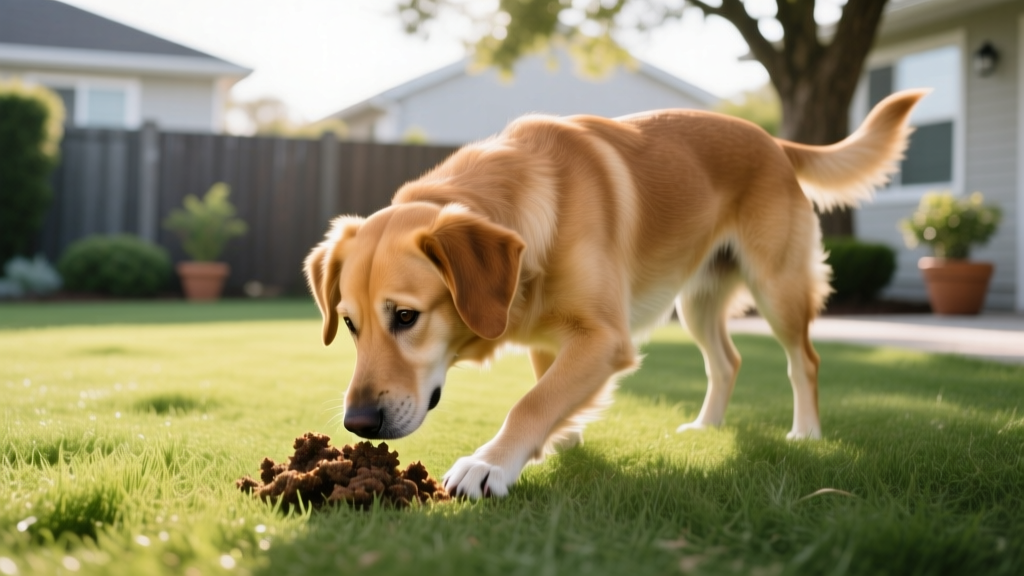
If your dog has an unwelcome habit of eating feces—whether their own, another dog's, or even a cat's—you're not alone, and you're not dealing with a "dirty" dog. Coprophagia in dogs is the clinical term for stool-eating behavior, and it affects an estimated 25% of dogs at some point in their lives, according to a widely cited study published in the journal JAVMA. While it's one of the most common behavioral complaints dog owners bring to veterinary clinics, coprophagia is rarely a sign of serious illness. Most cases are behavioral or environmental, though a subset of dogs develop the habit due to underlying medical conditions such as exocrine pancreatic insufficiency (EPI), intestinal parasites, or malabsorption disorders.
Understanding whether your dog's coprophagia is behavioral or medically driven is the first step toward solving it. This guide walks you through the full picture: what causes it, how veterinarians diagnose the root cause, what treatments actually work, realistic costs, and home management strategies grounded in positive reinforcement training.
What Is Coprophagia in Dogs?
Coprophagia (from Greek: kopros = feces, phagein = to eat) is the consumption of feces. In dogs, it manifests in three primary forms:
- Autocopphagia: Eating their own stool
- Intraspecific coprophagia: Eating the stool of other dogs
- Interspecific coprophagia: Eating the stool of other species (commonly cats, rabbits, or horses)
The behavior typically emerges in puppyhood. Many puppies experiment with stool eating between 4 and 9 months of age, and most outgrow it by adulthood. However, the JAVMA study found that approximately 2% of adult dogs continue the behavior persistently, and dogs living in multi-dog households are more likely to develop it—likely due to observational learning and greater access to fecal matter.
Among veterinary behaviorists, coprophagia is classified as either idiopathic (no identifiable medical cause; the majority of cases) or secondary (driven by an underlying disease or nutritional deficiency). Distinguishing between these two categories determines the entire treatment path.
Recognizing the Signs: Symptom Checklist
Coprophagia itself is the primary symptom—you'll see your dog consuming feces. But the accompanying signs help determine whether there's an underlying medical condition driving the behavior. Here's a severity-based checklist to help you assess urgency:
| Severity | Signs & Symptoms | Action Level |
|---|---|---|
| Mild (Behavioral) | Occasional stool eating (1-3 times/week); normal appetite, energy, and stool consistency; no weight loss; no vomiting | Monitor; begin management and training protocols at home |
| Moderate (Possible Medical) | Frequent stool eating (daily or multiple times/day); soft or greasy stools; increased appetite despite normal food intake; mild weight loss; bad breath beyond normal | Schedule vet appointment within 1-2 weeks |
| Severe (Medical Red Flags) | Rapid weight loss; chronic diarrhea or vomiting; visibly undigested food in stool; extreme hunger (polyphagia); lethargy; poor coat condition; bloating or abdominal distension | See vet within 24-48 hours; possible EPI, parasitism, or metabolic disease |
If your dog falls into the moderate or severe category, the coprophagia is more likely secondary to a medical condition, and diagnostic workup is essential before starting behavioral treatment.
Risk Factors: Which Dogs Are Most Prone?
Risk Factor Breakdown
Breed Predisposition: No single breed is genetically "programmed" for coprophagia, but the JAVMA study identified that Shetland Sheepdogs showed the highest breed-specific prevalence. Terrier breeds, Hounds, and herding breeds are also overrepresented. Brachycephalic breeds (Bulldogs, Pugs) showed lower rates.
Age: Puppies under 12 months are far more likely to engage in coprophagia. Dogs over 3 years old who suddenly begin stool eating warrant medical investigation—this is atypical and often signals a new health problem.
Weight & Nutrition: Underweight dogs or those on calorie-restricted diets may eat feces as a hunger response. Conversely, obese dogs on low-calorie diets may also develop the habit due to persistent hunger signaling.
Environment: Dogs kept in kennels, crates for extended periods, or multi-dog households have higher rates. Dogs who are punished for house-soiling may eat their stool to "hide the evidence"—a learned avoidance behavior, not instinct.
Medical History: Dogs with a history of EPI, Cushing's disease (hyperadrenocorticism), diabetes mellitus, thyroid disorders, intestinal parasites, or malabsorption syndromes are at elevated risk for secondary coprophagia.
How Veterinarians Diagnose the Root Cause
Because coprophagia can stem from behavioral or medical causes, your veterinarian will typically follow a systematic diagnostic process to rule out disease before recommending behavioral intervention. Here's what to expect:
-
1
Comprehensive History & Physical Exam ($65–$120)
Your vet will ask about frequency, type of feces consumed (own vs. other animals), diet, appetite changes, weight trends, stool consistency, and household dynamics. A full physical exam checks body condition score (BCS), coat quality, dental health, and abdominal palpation. -
2
Fecal Parasite Screening ($35–$75)
A fecal flotation test and Giardia antigen test check for roundworms, hookworms, whipworms, coccidia, and Giardia—common parasites that cause nutrient malabsorption and coprophagia. This is almost always the first lab test ordered. -
3
Complete Blood Count (CBC) & Chemistry Panel ($120–$250)
Blood work screens for diabetes mellitus, Cushing's disease, thyroid dysfunction, liver disease, and general nutritional status. Elevated liver enzymes or abnormal glucose can point toward metabolic causes. -
4
Trypsin-Like Immunoreactivity (TLI) Test ($80–$160)
If EPI is suspected—especially in German Shepherds, Collies, or dogs with greasy, voluminous stools—this blood test is the gold standard for diagnosing exocrine pancreatic insufficiency. EPI is one of the most common medical causes of coprophagia in adult dogs. -
5
Cobalamin (B12) & Folate Levels ($60–$120)
These markers assess small intestinal function. Low B12 suggests chronic malabsorption, which can drive coprophagia as the dog attempts to recover lost nutrients.
Total diagnostic cost range: $360–$725 for a comprehensive workup, depending on your region and clinic pricing. Many general practice vets will start with fecal screening and blood work ($155–$325 combined) and only order TLI and B12 if initial results suggest malabsorption.
Treatment Options: What Actually Works
Treatment depends entirely on whether the coprophagia is medically driven or behavioral. Here's a comparison of the primary approaches:
| Approach | Best For | Success Rate | Timeframe | Cost |
|---|---|---|---|---|
| Medical Treatment (e.g., pancreatic enzyme replacement for EPI, deworming, thyroid medication) | Dogs with confirmed underlying disease | 70–90% reduction in coprophagia once underlying condition is managed | 2–6 weeks to see improvement after treatment begins | $40–$200/month ongoing (varies by condition) |
| Environmental Management (immediate stool cleanup, muzzle training, litter box barriers) | All cases—essential foundation regardless of cause | Near 100% prevention when consistently applied | Immediate | $15–$80 (basket muzzle, enzymatic cleaners) |
| Positive Reinforcement Training ("leave it" command, recall training, redirection with high-value treats) | Behavioral coprophagia; dogs with solid food motivation | 60–80% long-term success with consistent daily practice | 4–8 weeks to establish reliable response | $0–$150/session with certified trainer (CPDT-KA or IAABC) |
| Dietary Modification (high-fiber diet, increased feeding frequency, digestive enzyme supplements) | Dogs with hunger-driven coprophagia or calorie-restricted diets | Variable; 40–60% improvement reported anecdotally | 2–4 weeks to assess effectiveness | $20–$60/month for supplements or diet change |
| Taste-Aversion Products (e.g., For-Bid, NaturVet Coprophagia Deterrent, meat tenderizer added to food) | Autocopphagia specifically (own stool only) | Mixed reviews; 30–50% report effectiveness; does not work for interspecific coprophagia | 5–7 days to assess; use for 2–3 weeks minimum | $10–$25 per container (lasts 30–60 days) |
Medical Treatment in Depth
When coprophagia is secondary to EPI—the most common medical driver—treatment involves lifelong pancreatic enzyme replacement therapy (PERT). Products like Pancrezyme or Pancreatic Plus are mixed into food at every meal. The typical starting dose is ¾ to 1 teaspoon per 20 lb (9 kg) of body weight per meal, though your veterinarian will determine the exact dose. Most dogs with EPI show dramatic improvement in stool quality and coprophagia within 5–7 days of starting PERT. The monthly cost ranges from $60–$180 depending on dog size and product brand.
For parasitic causes, a broad-spectrum dewormer such as fenbendazole (Panacur) at 50 mg/kg once daily for 3–5 days typically resolves the issue. A follow-up fecal test 2–4 weeks later confirms clearance. Total cost: $25–$60 for medication plus $35–$50 for recheck fecal.
Behavioral Training Protocol
The most effective behavioral approach uses positive reinforcement and counter-conditioning—never punishment. Here's a step-by-step framework:
- Teach a reliable "Leave It" cue: Start indoors with low-value items. Place a treat in your closed fist. When your dog stops nosing your hand (even for 1 second), mark with "yes" and reward from your OTHER hand. Gradually progress to items on the floor, then to simulated outdoor scenarios. Target: 80%+ compliance before testing near actual feces.
- Build a strong recall: Use a long line (15–30 ft) during outdoor potty breaks. Call your dog immediately after they finish eliminating, and reward with something higher-value than the opportunity to eat stool—think freeze-dried liver, boiled chicken, or a favorite toy. The goal is to make coming to you more rewarding than investigating feces.
- Supervised potty protocol: Leash your dog for every bathroom break. Immediately after elimination, cue "leave it" or recall, reward, and pick up the stool yourself. This eliminates access entirely during the training period.
- Desensitization (advanced): For dogs with intense fixation, work with a certified behaviorist to build a positive emotional response to moving AWAY from feces rather than toward it. This may take 8–12 weeks of daily practice.
A note on punishment: Rubbing a dog's nose in feces, yelling, or using shock/prong collars to punish coprophagia is counterproductive. It increases anxiety, can create fear of eliminating in front of you (leading to hiding behavior), and does not address the underlying motivation. Force-free methods produce more reliable, lasting results.
Prognosis: What to Expect Long-Term
Coprophagia is not a life-threatening condition in itself, but its prognosis depends on the underlying cause:
| Type | Prognosis | Long-Term Outlook |
|---|---|---|
| Puppy behavioral coprophagia | Excellent | Most puppies outgrow it by 12–18 months with consistent management. No impact on lifespan. |
| Adult behavioral coprophagia | Good to Fair | Requires ongoing management. 60–80% of dogs improve significantly with training, but some degree of vigilance may be needed lifelong. No impact on lifespan. |
| Secondary to EPI | Good with treatment | Lifelong enzyme replacement required. Coprophagia typically resolves within weeks of starting PERT. Dogs with managed EPI have near-normal lifespans. |
| Secondary to parasites | Excellent | Coprophagia usually resolves within 1–3 weeks of successful deworming. No long-term impact if parasites are fully cleared. |
| Secondary to metabolic disease (Cushing's, diabetes) | Fair to Guarded | Prognosis depends on the primary disease. Coprophagia may improve as the condition is managed, but polyphagia (excessive hunger) can persist in Cushing's disease. |
Home Care & Daily Management
Regardless of the underlying cause, these daily management practices form the foundation of coprophagia control:
Environmental Management (Non-Negotiable)
- Immediate stool pickup: Remove feces from the yard within 5 minutes of elimination. Use biodegradable waste bags and a dedicated scooper. This single practice prevents the majority of coprophagia episodes.
- Cat litter box management: If your dog raids the cat box, install a top-entry litter box, place the box behind a baby gate with cat-sized gaps, or use a covered litter box with a small entry. Products like the Modkat Flip Litter Box ($60–$80) or a simple Carlson Pet Gate with cat door ($45–$65) are effective barriers.
- Yard hygiene: For multi-dog households, establish a twice-daily yard patrol schedule. Consider designating a specific potty area that's easy to clean.
- Walk-time vigilance: Keep your dog on a 4–6 ft leash during walks in areas where other dogs may have defecated. Train a reliable "leave it" before testing off-leash in these environments.
Nutritional Adjustments
- Increase feeding frequency: Split daily food into 3 meals instead of 2 to reduce hunger-driven behavior.
- Assess calorie adequacy: Work with your vet to confirm your dog's daily caloric intake meets their needs. Use the formula: RER (Resting Energy Requirement) = 70 × (body weight in kg)^0.75, then multiply by the appropriate activity factor (1.6 for neutered adults, 2.0 for intact adults, 2.0–5.0 for puppies).
- Consider fiber supplementation: Adding 1–2 tablespoons of canned pumpkin (plain, not pie filling) per 20 lb of body weight can increase satiety. Some owners report success with green tripe-based foods, which may satisfy the instinctual drive to consume "digestive matter."
- Ensure AAFCO compliance: Feed a diet that meets AAFCO (Association of American Feed Control Officials) standards for complete and balanced nutrition. Check the label for the AAFCO nutritional adequacy statement.
Supplements That May Help
While no supplement is a cure-all, some have anecdotal and limited clinical support:
- Digestive enzymes (e.g., NWC Naturals Doggie Doo Disinhibitor, $18–$24): Added to food, these may alter stool taste. Evidence is anecdotal.
- Yucca schidigera supplements: A common ingredient in commercial coprophagia deterrents. Thought to reduce stool odor and palatability. Generally safe at labeled doses.
- Probiotics (e.g., Purina FortiFlora, $25–$35 for 30 packets): May improve gut health and nutrient absorption, reducing the nutritional drive for coprophagia. Consult your veterinarian for strain-specific recommendations.
Cost Breakdown: What You'll Actually Spend
Here's a realistic cost framework for managing coprophagia, from the simplest behavioral case to a complex medical workup:
| Scenario | Initial Costs | Ongoing Monthly Costs | First-Year Total |
|---|---|---|---|
| Behavioral only (no vet workup) | $15–$80 (muzzle, gate, deterrent product) | $0–$25 (deterrent refills, training treats) | $15–$380 |
| Behavioral + professional training | $150–$600 (4–6 sessions with CPDT-KA trainer) | $0–$25 | $150–$900 |
| Medical workup (parasite-related) | $100–$195 (exam, fecal test, dewormer) | $10–$20 (monthly preventive) | $220–$435 |
| Medical workup (full diagnostic panel) | $360–$725 (exam, fecal, CBC/chem, TLI, B12) | $40–$180 (if EPI diagnosed; enzyme replacement) | $840–$2,885 |
| Worst-case (metabolic disease) | $500–$1,500 (full workup + imaging + specialist referral) | $80–$300 (ongoing medication, monitoring) | $1,460–$5,100 |
Pet insurance typically covers diagnostic workups and treatment for medically-caused coprophagia if the condition is not pre-existing. Behavioral treatment and training sessions are generally not covered. Check your policy's illness coverage limits and annual deductible.
Prevention Strategies
Preventing coprophagia is far easier than treating an established habit, especially for puppy owners:
- Supervise all potty breaks from day one: Leash your puppy, wait for elimination, immediately reward and redirect. Pick up stool before the puppy can investigate it.
- Feed a nutritionally complete diet: Choose AAFCO-approved foods appropriate for your dog's life stage. Avoid severe calorie restriction unless medically directed.
- Maintain a regular deworming schedule: Follow your veterinarian's parasite prevention protocol—typically monthly heartworm/intestinal parasite combination products (e.g., Heartgard Plus, Interceptor Plus, Sentinel).
- Provide adequate mental stimulation: Boredom is a documented contributor to coprophagia. Aim for 30–60 minutes of enrichment daily: puzzle feeders, snuffle mats, frozen Kongs, training sessions, and sniffari walks.
- Never punish house-soiling: Dogs who are punished for indoor accidents may learn to eat their stool to avoid punishment. Use positive house-training methods exclusively.
- Keep cat litter boxes inaccessible: Cat feces are particularly attractive to dogs due to the high protein content of cat food. This is one of the most common triggers for interspecific coprophagia.
⚠ When to See the Vet Immediately
Contact your veterinarian or an emergency clinic within 24 hours if your dog's coprophagia is accompanied by any of these red flags:
- Rapid, unexplained weight loss (more than 10% body weight in 2–4 weeks)
- Chronic vomiting (more than 2–3 episodes per week)
- Large-volume, greasy, or foul-smelling diarrhea lasting more than 48 hours
- Visible worms or blood in stool
- Extreme increase in appetite with no weight gain or weight loss (polyphagia)
- Lethargy, weakness, or collapse
- Abdominal bloating or distension
- Excessive thirst and urination (polydipsia/polyuria)
If your dog has consumed feces from an animal known to carry parasites (e.g., raccoons, which can transmit Baylisascaris roundworms), call your vet promptly even if no symptoms are present. Preventive deworming may be recommended.
ASPCA Animal Poison Control: (888) 426-4435 — available 24/7 if you suspect your dog ingested feces contaminated with toxic substances (e.g., rodent bait residue, medication residues in stool). A consultation fee applies.
Frequently Asked Questions
Can coprophagia in dogs be cured?
For medically-driven coprophagia, treating the underlying condition (parasites, EPI, metabolic disease) often resolves the behavior completely within weeks. For behavioral coprophagia, "cure" is less certain—most dogs improve significantly with consistent management and training, but some may require lifelong environmental controls (immediate stool pickup, supervision during potty breaks). Puppies who outgrow the behavior by 18 months are unlikely to relapse as adults.
Is coprophagia dangerous for my dog's health?
Coprophagia itself is not typically dangerous, but it carries risks: ingestion of parasites (roundworms, hookworms, Giardia), bacteria (Salmonella, E. coli), and in multi-pet households, potential ingestion of medication residues in another animal's feces. Eating cat feces from litter boxes also exposes dogs to clumping clay, which can cause gastrointestinal blockage in small dogs. The Merck Veterinary Manual notes that coprophagia is primarily a behavioral concern rather than a medical emergency in otherwise healthy dogs.
What is the life expectancy of a dog with coprophagia?
Coprophagia alone does not reduce a dog's lifespan. Dogs with purely behavioral coprophagia have the same life expectancy as any other dog of their breed and size. When coprophagia is secondary to a medical condition, prognosis depends on that condition: EPI managed with enzyme replacement carries a near-normal lifespan, while untreated Cushing's disease or diabetes can significantly reduce longevity. Early diagnosis and treatment of the underlying cause is the key factor.
Which breeds are most prone to coprophagia?
The JAVMA study found Shetland Sheepdogs had the highest breed-specific rates. Terrier breeds, Hounds (particularly Beagles and Basset Hounds), and herding breeds are also overrepresented. However, coprophagia can occur in any breed. Breed alone is not a reliable predictor—environment, diet, and individual temperament play larger roles.
Will adding pineapple or zucchini to my dog's food stop coprophagia?
This is a popular internet remedy with no scientific evidence supporting it. The theory is that certain foods make stool taste unpleasant. Some owners report anecdotal success, but controlled studies have not validated this approach. If you try it, 1–2 teaspoons of fresh pineapple per meal for a medium-sized dog is safe, but don't rely on it as a sole treatment. Evidence-based management (environmental control + training) is far more reliable.
Should I use a muzzle to prevent coprophagia?
A basket muzzle (such as the Baskerville Ultra, $15–$25) is an effective temporary management tool during walks or in environments where you can't control access to feces. It should be properly fitted and introduced using positive conditioning—never forced on. A muzzle is a management tool, not a treatment. It prevents the behavior but doesn't address the underlying cause, so pair it with training and/or medical treatment. Never leave a muzzle on an unsupervised dog or for extended periods (more than 1–2 hours).
My dog eats cat poop from the litter box. Is this the same condition?
Yes, this is interspecific coprophagia and it's extremely common—cat feces are attractive to dogs due to their high protein and fat content from cat food. While the behavior falls under the same coprophagia umbrella, the management approach is primarily environmental: make the litter box inaccessible using baby gates, top-entry boxes, or elevated placement. If the behavior persists even when access is available, investigate whether hunger or nutritional deficiency is contributing.
Always consult your veterinarian before starting any treatment protocol for coprophagia. This guide provides educational information and does not replace professional veterinary diagnosis or care. Your vet can determine whether your dog's coprophagia is behavioral or medically driven and create a tailored treatment plan.
Aaron Whyte
All our authors care for dogs every day — read more of their work on the authors page.