Best Comforting Dog Bed for Anxiety & Joint Support (2026 Guide)
Find the best comforting dog bed for your pup. We compare 7 top beds for anxiety relief, orthopedic support, and durability with real pricing and vet insights.
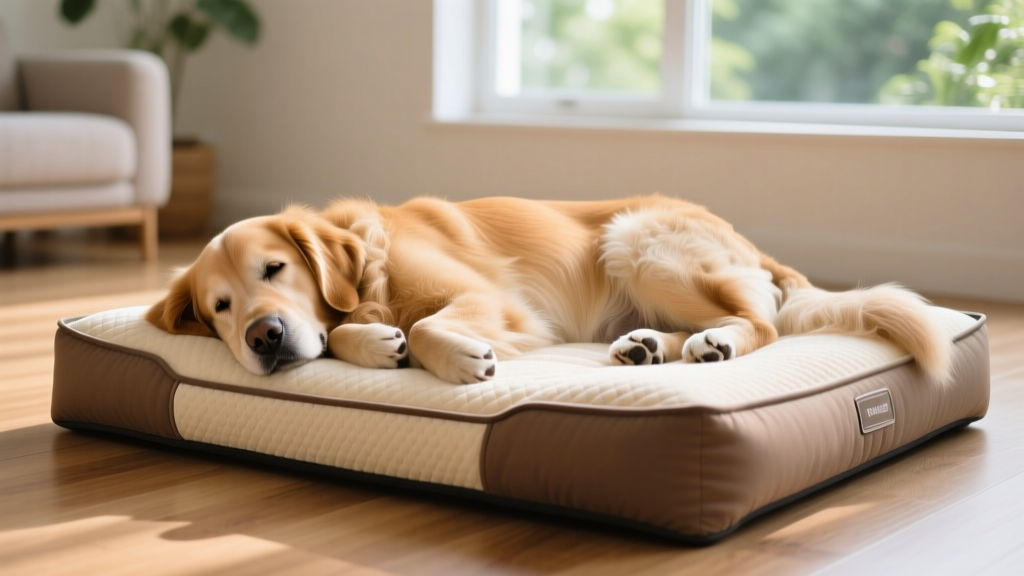
Why a Comforting Dog Bed Matters for Your Dog's Health
Dogs sleep 12 to 14 hours a day on average, and senior dogs or puppies may log up to 18 hours. That means your dog spends roughly half their life on their bed. A poorly supportive or anxiety-inducing sleep surface doesn't just mean restless nights — it can accelerate joint degeneration, worsen separation anxiety behaviors, and contribute to chronic stress elevated cortisol levels.
A comforting dog bed isn't a luxury item. Veterinary behaviorists and orthopedic specialists increasingly recognize that proper sleep surfaces play a measurable role in managing canine anxiety disorders and degenerative joint conditions like osteoarthritis and hip dysplasia. According to the Merck Veterinary Manual, environmental modifications including orthopedic bedding are a first-line supportive therapy for dogs with osteoarthritis.
This guide breaks down exactly what to look for, compares seven top-performing beds across price and function, and helps you decide when a bed is enough — and when your dog needs a veterinary visit instead.
Buying Criteria: What to Look for in a Comforting Dog Bed
The two primary categories of comforting dog beds serve different clinical purposes. Calming beds (often round with raised faux-fur bolsters) work by triggering a dog's nesting instinct and providing tactile security — similar to how a thunder jacket applies gentle pressure. Orthopedic beds use high-density foam to distribute weight evenly and reduce pressure points on joints. Some dogs need both features, which is why hybrid designs have gained popularity.
7 Best Comforting Dog Beds: Detailed Reviews
1. Best Friends by Sheri The Original Calming Donut Bed
Price: $32–$78 depending on size (Small 23" to XL 45")
Key features: Raised round bolster, self-warming faux fur, machine-washable shell, lightweight polyester fill
Best for: Small-to-medium anxious dogs (under 60 lb / 27 kg) who curl up when sleeping
- Pros: Proven calming effect for separation anxiety; soft bolster mimics littermate contact; affordable; multiple color options; lightweight and portable
- Cons: No orthopedic support — not suitable for dogs with arthritis; fill flattens after 4–6 months with daily use; not chew-resistant; waterproof liner sold separately
2. Big Barker 7" Orthopedic Dog Bed
Price: $240–$400 (Medium 48" to XL 52")
Key features: 7 inches of triple-layer foam (4" H10 support core + 2" Comfort foam + 1" memory foam), 10-year "won't flatten" guarantee, microfiber cover
Best for: Large and giant breeds (50–150+ lb / 23–68+ kg) with hip dysplasia, arthritis, or post-surgical recovery
- Pros: Clinically referenced foam density; 10-year warranty is industry-leading; cover is machine-washable and durable; maintains shape under heavy dogs; 100-night trial period
- Cons: Premium pricing; no bolster option for anxious dogs; heavy (25–40 lb / 11–18 kg) and difficult to move; only available in neutral colors
3. Furhaven Orthopedic CertiPUR-US Certified Foam Bed
Price: $25–$65 (Small 20" to Jumbo 53")
Key features: CertiPUR-US certified egg-crate orthopedic foam, L-shaped bolster on two sides, plush cover, multiple fill options
Best for: Budget-conscious owners of medium dogs needing combined calming and joint support
- Pros: Excellent value; bolster + orthopedic foam hybrid design; CertiPUR-US certified; wide size range; easy machine-washable cover removal
- Cons: Egg-crate foam is lower density (~1.8 lb/ft³) and compresses within 8–12 months for dogs over 70 lb (32 kg); bolster fill shifts over time; water-resistant liner is not fully waterproof
4. K&H Pet Products Thermo-Snuggle Sleeper
Price: $55–$95 (Medium 24" to Large 31")
Key features: Built-in 4-watt thermostatic heating element, removable heater for summer use, bolster walls, fleece-lined interior, MET safety listed
Best for: Small senior dogs, thin-coated breeds (Greyhounds, Chihuahuas), and dogs in cold climates who seek warmth for comfort
- Pros: Gentle warmth reduces joint stiffness; thermostatic control prevents overheating; dual-season versatility; MET safety certification; 5.5 ft cord with chew-resistant guard near plug
- Cons: Requires electrical outlet nearby; only for small-to-medium dogs (max rated for 65 lb / 29 kg); heating element not machine-washable (must remove before laundering); not suitable for chewers who target cords
5. Casper Dog Bed
Price: $110–$175 (Small 27" to Large 43")
Key features: Two-layer foam system (viscoelastic memory foam + support foam), bolster perimeter on all four sides, durable nylon/polyester cover, hidden zippers
Best for: Medium-to-large dogs who need both anxiety-reducing bolsters and orthopedic support
- Pros: Human-grade foam quality; four-sided bolster provides maximum security; cover resists hair and stains; hidden zippers deter chewing; modern aesthetic fits home décor
- Cons: Mid-range pricing without premium warranty; foam is 2.5 lb/ft³ density (adequate but not exceptional for giant breeds); bolster height may be too low for large dogs who lean heavily; limited to 1-year warranty
6. PetFusion Ultimate Orthopedic Dog Bed
Price: $130–$230 (Large 36" to XL 48")
Key features: 4" solid memory foam base (no egg-crate cutting), waterproof inner liner, recycled poly bolsters, non-slip bottom, polyester/cotton twill cover
Best for: Senior dogs and post-operative dogs needing firm, supportive memory foam with waterproof protection
- Pros: Solid slab memory foam (not egg-crate) provides superior long-term support; waterproof liner protects against incontinence; bolster is stuffed with recycled material; cover is tear-resistant; 3-year warranty
- Cons: Memory foam has initial off-gassing odor (allow 48–72 hours to air out); heavier than competitors at 15–25 lb (7–11 kg); bolster is less plush than calming-specific beds; cover color options limited to gray and brown
7. Majestic Pet Bagel Bed
Price: $65–$145 (Small 24" to Large 52")
Key features: Continuous bolster ring, premium polyester fiberfill, 100% cotton cover, machine-washable entire unit (small/medium sizes)
Best for: Dogs who burrow and nest, particularly terriers and small breeds that prefer enclosed sleeping spaces
- Pros: Full 360° bolster creates enclosed "den" feeling; entire bed is machine-washable in smaller sizes; cotton cover is breathable and hypoallergenic; generous fill creates deep nesting experience
- Cons: No orthopedic foam component — purely a calming/nesting bed; large sizes too bulky for standard washing machines; fill requires manual redistribution after washing; not waterproof; flattens within 6–9 months with heavy use
Comforting Dog Bed Comparison Table
| Product | Price Range | Support Type | Best Dog Size | Foam Certified | Machine Washable |
|---|---|---|---|---|---|
| Best Friends Calming Donut | $32–$78 | Polyester fill (calming) | Small–Medium (up to 60 lb / 27 kg) | N/A | Yes (entire bed) |
| Big Barker 7" Orthopedic | $240–$400 | Triple-layer foam (orthopedic) | Large–Giant (50–150+ lb / 23–68+ kg) | No (proprietary) | Cover only |
| Furhaven Orthopedic Bolster | $25–$65 | Egg-crate foam + bolster (hybrid) | Small–Large (up to 95 lb / 43 kg) | CertiPUR-US | Cover only |
| K&H Thermo-Snuggle Sleeper | $55–$95 | Heated polyester fill (calming) | Small–Medium (up to 65 lb / 29 kg) | N/A | Cover only (remove heater) |
| Casper Dog Bed | $110–$175 | Memory foam + bolster (hybrid) | Small–Large (up to 90 lb / 41 kg) | No (proprietary) | Cover only |
| PetFusion Ultimate Orthopedic | $130–$230 | Solid memory foam + bolster (hybrid) | Medium–XL (up to 120 lb / 54 kg) | No (proprietary) | Cover only |
| Majestic Pet Bagel Bed | $65–$145 | Polyester fill (calming) | Small–Large (up to 90 lb / 41 kg) | N/A | Yes (small/medium) |
How to Use a Comforting Dog Bed Correctly
Step 1: Size it right. Measure your dog lying down in their preferred sleeping position — from nose tip to base of tail for curlers, or nose to hind paw for sprawlers. Add 6 inches (15 cm) for small dogs and 12 inches (30 cm) for large breeds. A bed that's too small defeats the purpose; too large reduces the enclosed security feeling that calming beds provide.
Step 2: Place it strategically. Put the bed in a low-traffic, draft-free corner where your dog already naturally rests. Avoid placing it directly in front of doors (high stimulation) or next to heating vents (overheating risk). For anxious dogs, position the bed where they can see the main room entrance — dogs feel more secure when they can monitor their environment.
Step 3: Introduce with positive reinforcement. Never force your dog onto a new bed. Instead, place high-value treats on the bed and praise calm interaction. Feed meals near (then on) the bed for the first week. For anxious dogs, place a worn t-shirt with your scent on the bed during the transition.
Step 4: Rotate and maintain. Wash covers weekly in hot water (minimum 130°F / 54°C) to eliminate dust mites and dander. Rotate the bed 180° every two weeks to prevent uneven compression. Inspect foam monthly — if you can feel the floor through the foam when pressing down, it's time to replace.
Step 5: Monitor the adjustment period. Give your dog 7–14 days to fully accept a new bed. Some dogs initially reject a new surface because it lacks familiar scent markers. If your dog consistently avoids the bed after two weeks, reassess the type — they may prefer a flat surface over a bolster, or vice versa.
Safety Warnings and When to See a Vet Instead
⚠️ Important Safety Considerations:
- Chewing hazards: Dogs who are destructive chewers should never use beds with exposed zippers, loose fill, or foam they can ingest. Ingested foam or polyester fill can cause gastrointestinal blockages requiring emergency surgery ($2,000–$7,000).
- Heated beds: Never use heated beds for dogs who cannot move away independently (paralyzed, heavily sedated, or post-surgical without full mobility). Burns can occur at temperatures as low as 110°F (43°C) with prolonged contact.
- Waterproofing: If your dog has incontinence issues, always use a waterproof liner between the foam and cover. Urine-soaked foam breeds bacteria and ammonia, which can cause respiratory irritation.
- Allergies: Some dogs react to synthetic fabrics. If you notice increased scratching, redness on contact areas (elbows, hocks, belly), or hot spots developing after introducing a new bed, discontinue use and switch to a 100% cotton cover.
When to Skip the OTC Bed and See Your Veterinarian
A comforting dog bed is a supportive tool, not a treatment. Consult your veterinarian if your dog displays any of the following:
- Sudden restlessness at night — pacing, inability to settle, or crying when lying down can indicate pain from conditions like intervertebral disc disease (IVDD), pancreatitis, or cognitive dysfunction syndrome in senior dogs
- Severe anxiety symptoms — destructive behavior, self-mutilation, excessive panting, or elimination in the house when left alone may require behavioral medication (such as fluoxetine or clomipramine) in addition to environmental modifications
- Mobility changes — difficulty rising, reluctance to jump, or visible limping warrant a veterinary orthopedic exam and possibly radiographs before investing in a bed
- Skin lesions on pressure points — calluses (elbow hygromas) or pressure sores may need veterinary treatment and specialized medical bedding rather than a consumer product
According to the American Kennel Club, changes in sleeping patterns are often one of the first indicators of underlying health problems. If your dog's sleep disruption is new or worsening, a veterinary exam should come before any product purchase.
How Much Does a Comforting Dog Bed Cost?
Based on 2026 market pricing across major retailers (Chewy, Amazon, direct-to-consumer brand sites), here's what you can expect to spend:
- Budget tier ($20–$50): Basic polyester-fill calming beds, thin egg-crate foam beds. Suitable for small dogs or temporary use. Expect to replace every 4–8 months.
- Mid-range ($50–$150): Quality hybrid beds with certified foam, heated options, and durable covers. Best value for most dog owners. Typical lifespan 1–3 years.
- Premium ($150–$400+): High-density solid foam beds with extended warranties (3–10 years), premium fabrics, and medical-grade construction. Cost-per-year is often lower than budget beds due to longevity.
Where to buy: Chewy and Amazon offer the widest selection and most competitive pricing. Direct brand websites (Big Barker, Casper) sometimes include extended trial periods or bundle discounts. Avoid third-party marketplace sellers for premium brands — counterfeit foam that lacks CertiPUR-US certification is a documented issue on some platforms.
Natural and DIY Alternatives to Commercial Comforting Dog Beds
If you prefer a homemade approach or want to supplement a purchased bed, consider these options:
- DIY bolster bed: Stuff a large pillowcase with old towels or fleece blankets, then arrange three to four around a flat foam base to create a nesting ring. Cost: $10–$20 if you already own materials.
- Raised cot-style beds: Coolaroo-style elevated mesh beds ($25–$50) keep dogs off cold floors and provide airflow. These don't offer orthopedic support but work well for dogs who overheat easily.
- Calming supplements paired with bedding: Products containing L-theanine, chamomile, or valerian root (such as Zesty Paws Calming Bites, $25–$30 for 120 chews) can complement a comforting bed for mildly anxious dogs. Always check with your vet before starting any supplement.
- Adaptil (DAP) spray: Dog-appeasing pheromone spray ($20–$30) applied to the bed bolster can enhance the calming effect. Research published in veterinary journals shows modest efficacy for mild anxiety scenarios.
- Weighted blanket technique: For small dogs, draping a light blanket (no more than 10% of body weight) over the dog while they're on their bed mimics the pressure therapy effect. Never use weighted items for dogs who cannot easily push the blanket off.
Effectiveness: What the Evidence Says
The veterinary literature on dog beds specifically is limited, but adjacent research supports the core principles behind comforting dog bed design:
- Orthopedic foam and joint health: A study published in the Journal of Veterinary Internal Medicine found that dogs with osteoarthritis showed measurable improvements in mobility scores when provided with supportive sleeping surfaces, though the study noted that bedding alone was insufficient without concurrent pain management.
- Nesting behavior and anxiety: Research on canine stress responses (referenced by the American Veterinary Medical Association) indicates that environmental enrichment, including secure resting spaces, reduces cortisol levels in kennelled dogs. Bolster-style beds replicate the enclosed resting preference observed in free-ranging canids.
- Thermal comfort: Thin-coated and small breeds lose body heat faster due to higher surface-area-to-volume ratios. Heated beds maintain resting muscle temperature, which reduces morning stiffness in arthritic dogs — a principle well-established in human physiotherapy and applied to veterinary rehabilitation.
The practical takeaway: a comforting dog bed works best as part of a broader management plan that may include veterinary-prescribed pain medication, behavioral modification training using positive reinforcement, and regular exercise appropriate to your dog's condition.
Frequently Asked Questions
What is the best comforting dog bed for anxiety?
For anxiety-specific needs without orthopedic concerns, the Best Friends by Sheri Calming Donut is the most widely recommended option due to its enclosed bolster design that mimics littermate contact. For dogs who need both anxiety relief and joint support, the Casper Dog Bed or PetFusion Ultimate offer hybrid designs with bolsters and memory foam.
How do I choose the right comforting dog bed for my dog?
Start by identifying your dog's primary need: anxiety relief (choose a bolstered, enclosed design), joint support (choose high-density memory foam, minimum 3 lb/ft³ for large dogs), or both (choose a hybrid). Then measure your dog in their sleeping position and add 6–12 inches. Consider your dog's sleeping style — curlers prefer donut/bagel shapes, sprawlers need flat rectangular beds.
How often should I replace my dog's comforting bed?
Polyester-fill calming beds typically need replacement every 6–12 months as the fill compresses. Egg-crate foam beds last 1–2 years for medium dogs and 8–12 months for large breeds. High-density solid foam beds (Big Barker, PetFusion) can last 3–10 years. The test: press your hand into the bed — if you feel the hard floor beneath the foam, it's no longer providing adequate support.
Can a comforting dog bed replace anxiety medication?
No. A calming bed is an environmental modification that can reduce mild anxiety symptoms, but it is not a substitute for veterinary-prescribed medication in dogs with diagnosed anxiety disorders. For moderate to severe anxiety — characterized by destructive behavior, self-injury, or panic responses — consult your veterinarian or a veterinary behaviorist. Medication combined with environmental enrichment and positive reinforcement training shows the best outcomes.
Are heated comforting dog beds safe to leave on overnight?
MET-listed heated beds with thermostatic controls (like the K&H Thermo-Snuggle) are designed for continuous use and cycle on/off to maintain a safe surface temperature approximately 10–15°F above ambient room temperature. However, never use a heated bed for puppies under 6 months, dogs who cannot reposition themselves, or dogs with conditions affecting skin sensation (such as degenerative myelopathy). Always inspect the cord and plug weekly for damage.
Is memory foam or polyester fill better for senior dogs?
Memory foam is significantly better for senior dogs. Polyester fill provides nesting comfort but no pressure-point relief. Senior dogs commonly develop osteoarthritis, and the ASPCA recommends supportive bedding as part of senior dog care. Look for solid (not egg-crate) memory foam at minimum 3 lb/ft³ density, ideally 4 inches thick for dogs over 50 lb (23 kg).
Aaron Whyte
All our authors care for dogs every day — read more of their work on the authors page.


