Coconut Oil for Dogs Teeth: Safety, Benefits & How to Use It
Is coconut oil safe for dogs' teeth? Learn proper serving sizes, dental benefits of lauric acid, preparation tips, and when to avoid it.
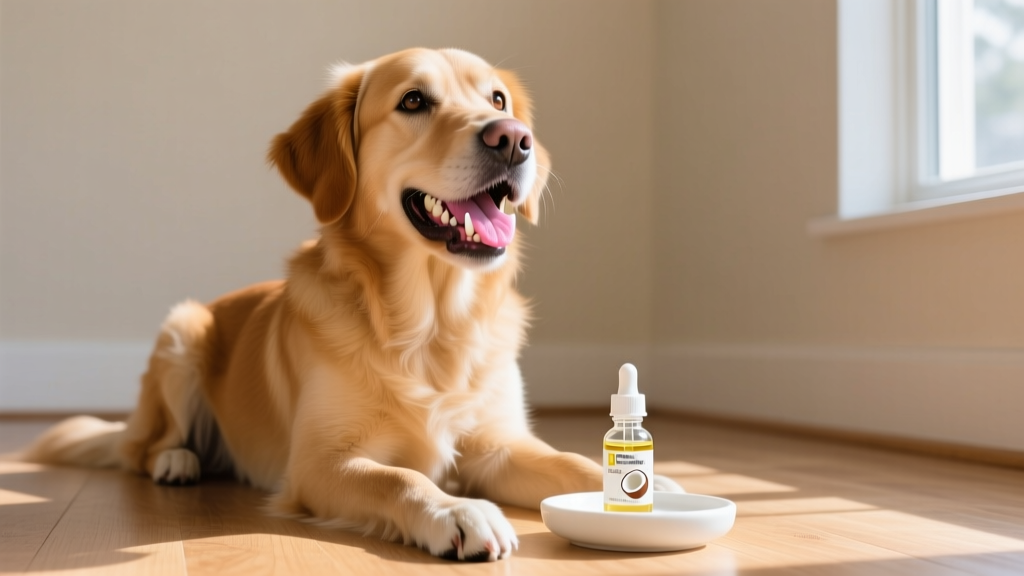
Coconut oil is generally safe for dogs and can support oral health when applied to teeth or added to food in controlled amounts. The lauric acid in coconut oil has documented antimicrobial properties that may help reduce plaque-causing bacteria. However, coconut oil is extremely calorie-dense (roughly 120 calories per tablespoon) and high in saturated fat, which can trigger pancreatitis in susceptible dogs. Always start with small doses and consult your veterinarian before making it a regular part of your dog's dental or dietary routine.
Can Dogs Have Coconut Oil on Their Teeth?
Coconut oil has gained traction among dog owners as a natural dental aid, and the science offers some support. The primary active compound, lauric acid, makes up approximately 47-50% of coconut oil's fatty acid profile. Research published in the Journal of Traditional and Complementary Medicine has shown that lauric acid exhibits antibacterial activity against Streptococcus mutans, one of the primary bacteria responsible for plaque formation and periodontal disease in both humans and dogs.
When you brush your dog's teeth with a small amount of coconut oil, you're essentially applying a mild antimicrobial agent directly to the oral surfaces. According to the American Kennel Club, many owners report fresher breath and visibly cleaner teeth after consistent use. However, coconut oil should not replace veterinary dental cleanings or enzymatic toothpaste formulated specifically for canine oral pH.
It's also safe for dogs to swallow small amounts during brushing — unlike human toothpaste, which often contains xylitol (highly toxic to dogs) or fluoride, coconut oil poses no poisoning risk at the quantities used for tooth brushing. That said, the total daily coconut oil intake from all sources (brushing plus food toppers) must stay within safe limits to avoid gastrointestinal distress and excessive calorie intake.
How Much Coconut Oil Can I Give My Dog?
Dosing coconut oil correctly is critical. Too little won't provide meaningful benefits; too much can cause diarrhea, vomiting, or — in severe cases — pancreatitis. The general veterinary guideline is 1 teaspoon per 10 pounds of body weight per day, but this is a maximum upper limit, not a starting dose.
| Dog Weight | Starting Dose | Maximum Daily Dose | Calories at Max Dose |
|---|---|---|---|
| 5-15 lb (2-7 kg) — Small | ¼ teaspoon | ½ teaspoon (2.5 mL) | ~20 kcal |
| 16-35 lb (7-16 kg) — Medium | ½ teaspoon | 1 teaspoon (5 mL) | ~40 kcal |
| 36-65 lb (16-29 kg) — Large | 1 teaspoon | 1 tablespoon (15 mL) | ~120 kcal |
| 66-100+ lb (30-45+ kg) — Giant | 1 teaspoon | 1½ tablespoons (22 mL) | ~180 kcal |
For dental brushing specifically: Use a pea-sized amount (approximately ¼ teaspoon) on a dog toothbrush or finger brush regardless of your dog's size. Most of this will be spit out or absorbed orally, so the caloric impact is minimal — roughly 5-10 calories per brushing session.
Nutritional Profile: What's Actually in Coconut Oil?
Coconut oil is almost entirely fat — 99.7% lipid content according to USDA FoodData Central. It contains negligible protein, carbohydrates, fiber, vitamins, or minerals. Here's the actual breakdown per tablespoon (14 g):
| Nutrient | Amount per 1 Tbsp | Relevance to Dogs |
|---|---|---|
| Total Fat | 13.6 g | Energy source; excess causes weight gain |
| Saturated Fat | 11.8 g (87%) | High — pancreatitis risk in predisposed dogs |
| Lauric Acid (C12:0) | ~6.4 g (47% of fat) | Antimicrobial; anti-plaque activity |
| Caprylic Acid (C8:0) | ~1.0 g (7% of fat) | Antifungal properties |
| Vitamin E | 0.01 mg (trace) | Negligible; not a meaningful source |
| Vitamin K | 0.8 mcg | Negligible contribution |
| Calories | 121 kcal | Must be counted against daily caloric needs |
The takeaway: coconut oil is not a nutritional supplement in the traditional sense. It won't provide your dog with meaningful vitamins or minerals. Its value lies almost entirely in its medium-chain fatty acid profile — specifically lauric acid and caprylic acid — which offer topical antimicrobial benefits when applied to teeth and skin.
How to Prepare and Apply Coconut Oil for Dog Dental Care
Not all coconut oil is created equal, and how you use it matters. Follow these preparation and application guidelines:
Step-by-Step: Coconut Oil Tooth Brushing
- Choose the right product. Select organic, unrefined (virgin or cold-pressed) coconut oil. Avoid refined or hydrogenated versions, which may contain chemical residues. A 14 oz jar of quality organic virgin coconut oil typically costs $8-$14 and will last 6-12 months for dental use.
- Scoop a pea-sized amount. Use a clean spoon — don't double-dip with fingers that have touched your dog's mouth. At room temperature (below 76°F / 24°C), coconut oil is solid and easy to portion.
- Apply to a dog-specific toothbrush or finger brush. Never use a human toothbrush — the bristle pattern and head size are wrong for canine teeth. A dual-head dog toothbrush ($5-$9) or silicone finger brush ($4-$7) works best.
- Brush in small circles. Focus on the outer surfaces of the upper premolars and canines, where plaque accumulates most. Aim for 30-60 seconds of brushing. Most dogs tolerate coconut oil better than enzymatic toothpaste because of its mild, slightly sweet taste.
- No rinsing needed. Let your dog lick their lips and swallow the residual oil. The amount ingested during brushing is well within safe limits.
- Frequency: Daily brushing is ideal. If that's unrealistic, 3-4 times per week still provides meaningful plaque reduction.
If adding to food instead: Melt the measured portion and drizzle it over kibble or mix into a homemade treat recipe. Do not heat above 350°F (177°C) to preserve the lauric acid content. Never add coconut oil to food that will be fed to a dog with a history of pancreatitis, gallbladder disease, or fat malabsorption.
Is Coconut Oil Good for Dogs Nutritionally — and What About Dental Benefits?
Let's separate the evidence from the hype:
What the Science Supports
- Antimicrobial activity against oral bacteria. A 2017 study in the Journal of Traditional and Complementary Medicine demonstrated that coconut oil pulling significantly reduced S. mutans counts in human subjects. While canine-specific studies are limited, the mechanism of action — lauric acid disrupting bacterial cell membranes — applies across species.
- Plaque reduction as an adjunct. Coconut oil brushing is not a replacement for professional dental scaling, but it can slow plaque accumulation between veterinary cleanings. Think of it as a maintenance tool, not a cure.
- Safe ingestion. Unlike xylitol-containing products or human toothpaste with fluoride, coconut oil is non-toxic if swallowed. This makes it practical for dogs who resist spitting.
What the Science Does NOT Support
- "Curing" periodontal disease. Once your dog has established tartar (calcified plaque), no amount of coconut oil will remove it. Only professional ultrasonic scaling under anesthesia can do that. The AVMA recommends annual veterinary dental exams for all dogs.
- Systemic health miracles. Claims that coconut oil cures allergies, prevents cancer, or dramatically improves coat quality lack robust peer-reviewed support in canine populations.
- Nutritional necessity. Dogs do not require coconut oil in their diet. AAFCO nutrient profiles do not list lauric acid or medium-chain triglycerides as essential nutrients for any canine life stage.
What Happens If My Dog Eats Too Much Coconut Oil?
Overconsumption of coconut oil is the most common issue I see with well-meaning owners who assume "natural equals harmless." Here's what to watch for, organized by severity:
| Severity | Symptoms | Onset | Action |
|---|---|---|---|
| Mild | Soft stools, mild diarrhea, greasy stool appearance | 6-12 hours after ingestion | Withhold coconut oil for 48 hours; feed bland diet (boiled chicken + white rice); monitor hydration |
| Moderate | Vomiting, loss of appetite, lethargy, excessive gas | 2-8 hours after ingestion | Fast for 12 hours (water only); call your vet if symptoms persist beyond 24 hours |
| Severe (Emergency) | Repeated vomiting, abdominal pain (hunched posture, whining when touched), bloody diarrhea, fever, collapse | 1-24 hours after ingestion | Go to emergency vet immediately. These are signs of acute pancreatitis, which can be fatal without treatment. |
Context on pancreatitis risk: Breeds with known predispositions — Miniature Schnauzers, Cocker Spaniels, Yorkshire Terriers, and Dachshunds — are at higher risk from high-fat foods including coconut oil. A single tablespoon of coconut oil contains more saturated fat than many dogs should consume in an entire day. Treatment for acute pancreatitis typically costs $1,500-$5,000 depending on hospitalization duration, making prevention far cheaper than treatment.
🚨 Call Your Veterinarian Immediately If:
- Your dog vomits more than twice after consuming coconut oil
- They show a "prayer position" (front end down, rear end raised) — a classic pain posture indicating abdominal distress
- Diarrhea contains blood or has a yellow-orange tint
- Your dog refuses water for more than 12 hours
- They have a known history of pancreatitis and consumed more than their safe dose
ASPCA Animal Poison Control: (888) 426-4435 — available 24/7 (consultation fee applies)
Dogs Who Should NOT Have Coconut Oil
While coconut oil is safe for most healthy adult dogs in small amounts, several groups should avoid it entirely:
- Dogs with a history of pancreatitis. Even small amounts of concentrated saturated fat can trigger a recurrence. If your dog has had one episode, they are statistically more likely to have another.
- Overweight and obese dogs (BCS 7-9/9). At 121 calories per tablespoon, coconut oil can easily push a weight-management plan off track. A 20 lb dog only needs roughly 500-600 kcal/day — one tablespoon of coconut oil represents 20-24% of their entire daily caloric budget.
- Dogs with gallbladder disease or fat malabsorption disorders. Conditions like exocrine pancreatic insufficiency (EPI) or inflammatory bowel disease (IBD) impair fat digestion. Adding concentrated fat worsens symptoms.
- Puppies under 6 months. Their digestive systems are still developing, and high-fat additions can cause significant GI upset. Focus on a complete-and-balanced AAFCO-approved puppy diet instead.
- Senior dogs with compromised liver or kidney function. Always consult your veterinarian before adding any supplement to a senior dog's diet, especially one with existing comorbidities.
- Dogs on fat-restricted prescription diets. If your vet has prescribed a low-fat diet (such as Hill's Prescription Diet i/d Low Fat or Royal Canin Gastrointestinal Low Fat), coconut oil directly contradicts the therapeutic goal.
Related Foods and Ingredients to Avoid
When exploring natural dental care or food toppers, be aware of these related items that are not safe for dogs:
- Xylitol (birch sugar). Found in many human toothpastes, sugar-free gums, and some "dog-friendly" peanut butters. Xylitol causes rapid insulin release in dogs, leading to hypoglycemia and potential liver failure. Always verify that any product you use on your dog's teeth is xylitol-free.
- Essential oils mixed with coconut oil. Tea tree oil, eucalyptus oil, and peppermint oil are toxic to dogs even when diluted in a carrier oil like coconut oil. Never add essential oils to your dog's dental routine.
- Human toothpaste. Fluoride-containing toothpaste is toxic to dogs in significant quantities. Never substitute human dental products for canine-specific ones.
- Baking soda. Often recommended in DIY dog toothpaste recipes, baking soda is high in sodium and can cause electrolyte imbalances if swallowed regularly. The ASPCA advises against its use.
- Hydrogen peroxide (for oral use). While 3% hydrogen peroxide is sometimes used to induce vomiting under veterinary direction, it should never be used as a daily mouth rinse — it damages oral tissue and is toxic if swallowed repeatedly.
Building a Safe Coconut Oil Dental Routine
If you've decided to try coconut oil for your dog's teeth, here's a practical introduction protocol:
7-Day Introduction Plan
Days 1-2: Let your dog lick a tiny amount (⅛ teaspoon) off your finger. Observe for 24 hours — watch for loose stools, vomiting, or itching (rare but possible allergic response to coconut proteins).
Days 3-4: Apply a pea-sized amount to a silicone finger brush. Gently rub along the gum line of 2-3 teeth. Don't attempt a full brushing yet — let your dog get used to the sensation and taste.
Days 5-6: Transition to a dog toothbrush with coconut oil. Brush all outer tooth surfaces for 30 seconds. Reward with praise and a low-calorie treat afterward (positive reinforcement only — never force or restrain your dog in a way that causes fear).
Day 7+: If no GI symptoms have appeared, establish a daily or every-other-day routine. Continue monitoring stool quality for the first two weeks, as some dogs develop delayed digestive sensitivity.
Pro tip: If your dog refuses tooth brushing with coconut oil, try freezing small dots of it on a silicone lick mat. The licking action provides some mechanical plaque disruption, though it's far less effective than brushing. You can also look into VOHC-accepted (Veterinary Oral Health Council) dental chews as a complementary approach — products like Greenies or CET Rawhide Chews have documented efficacy data.
Frequently Asked Questions
Can I use coconut oil instead of dog toothpaste?
Coconut oil can supplement your dental routine but should not fully replace VOHC-accepted enzymatic dog toothpaste. Enzymatic toothpastes contain specific active ingredients (like lactoperoxidase systems) that actively break down plaque biofilm in ways coconut oil cannot. Using both — enzymatic toothpaste on some days, coconut oil on others — is a reasonable approach.
Does coconut oil whiten dogs' teeth?
Coconut oil may help prevent new stains by reducing plaque buildup, but it will not bleach or whiten already-discolored teeth. If your dog's teeth appear yellow or brown, this often indicates tartar accumulation that requires professional scaling. Don't expect cosmetic whitening results comparable to human dental treatments.
How long does it take to see results from coconut oil brushing?
Most owners notice fresher breath within 1-2 weeks of consistent daily use. Visible plaque reduction typically takes 4-6 weeks. However, results vary significantly based on your dog's diet, breed predisposition to dental disease, and whether you're also providing dental chews or professional cleanings.
Is fractionated coconut oil (MCT oil) the same thing?
No. Fractionated coconut oil has had the long-chain fatty acids removed, leaving primarily caprylic and capric acid. While it stays liquid at room temperature (convenient), it contains significantly less lauric acid — the compound responsible for the antimicrobial dental benefits. For tooth brushing, stick with unrefined virgin coconut oil.
Can coconut oil cause allergies in dogs?
True coconut allergy in dogs is rare but documented. Signs include itching (especially paws and face), hives, ear inflammation, and GI upset. If your dog has known food allergies or atopic dermatitis, consult your veterinarian before introducing coconut oil. A simple at-home patch test — apply a small amount to the inner ear flap and observe for 48 hours — can help identify contact sensitivity.
Should I consult my veterinarian before starting coconut oil?
Yes — especially if your dog has any pre-existing health conditions, is on medication, is overweight, or is a breed predisposed to pancreatitis. Your veterinarian can assess your dog's individual risk profile and recommend a safe serving size tailored to their caloric needs and health history. This article provides general guidance and does not replace professional veterinary advice.
Priya Sutaria
All our authors care for dogs every day — read more of their work on the authors page.


