Health & Wellbeing
Chronic Dog Ear Infections: Diagnosis and Treatment
Discover the root causes of chronic dog ear infections. Learn how to diagnose otitis externa and explore effective treatment solutions and costs.
By jonas-cole · Published 2 June 2026 · Updated 23 July 2026
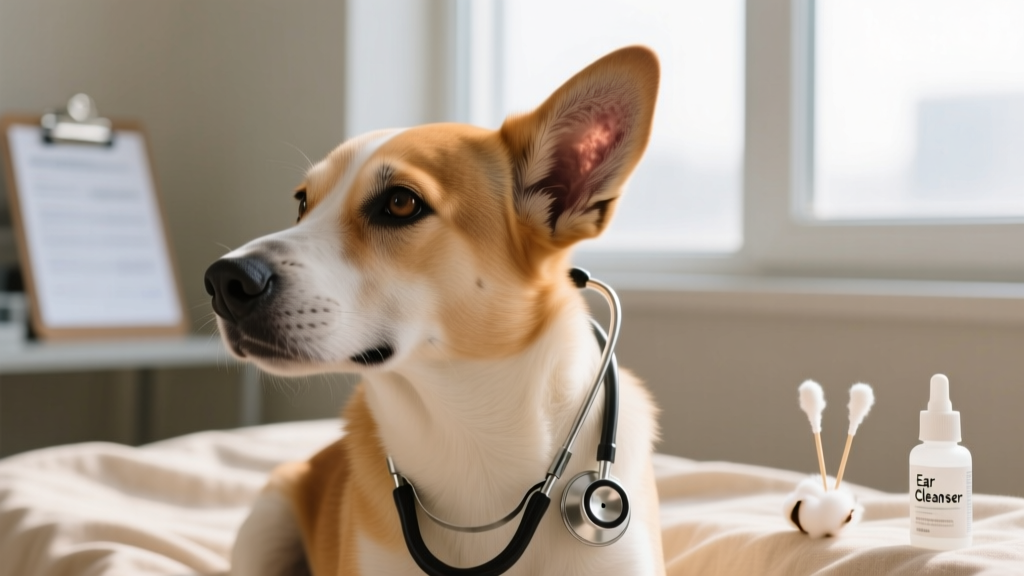
Understanding Chronic Ear Infections in Dogs
Key Takeaways:
- Chronic ear infections in dogs are often caused by allergies, bacteria, or yeast.
- Symptoms include redness, swelling, and a foul odor.
- Treatment involves cleaning, medication, and addressing underlying causes.
- Chronic ear infections in dogs are often caused by allergies, bacteria, or yeast.
- Symptoms include redness, swelling, and a foul odor.
- Treatment involves cleaning, medication, and addressing underlying causes.
What Are Chronic Ear Infections in Dogs?
Chronic ear infections in dogs, also known as otitis externa, are persistent inflammatory conditions of the external ear canal. These infections can be extremely painful and uncomfortable for your pet. Common causes include allergies, bacterial or yeast overgrowth, and environmental factors like humidity and moisture. If left untreated, chronic ear infections can lead to more severe health issues, such as hearing loss and permanent damage to the ear canal.Recognizing the Symptoms
Symptoms of chronic ear infections in dogs include:- Redness and swelling of the ear canal
- Excessive scratching or rubbing of the ears
- A foul-smelling discharge
- Head shaking or tilting
- Crusts or scabs in the ear canal
Common Causes of Chronic Ear Infections
Allergies
Allergies, particularly to food and environmental allergens, are a leading cause of chronic ear infections in dogs. According to the Merck Veterinary Manual, up to 80% of dogs with chronic ear infections have an underlying allergic component.Bacterial and Yeast Overgrowth
Bacteria and yeast naturally occur in the ear canal, but an overgrowth can lead to infection. Pseudomonas and Staphylococcus are common bacterial culprits, while Malassezia is a prevalent yeast species.Environmental Factors
Moisture and humidity can create an ideal environment for bacterial and yeast growth. Dogs with floppy ears, such as Cocker Spaniels and Basset Hounds, are more susceptible to these infections due to poor air circulation in the ear canal.Treatment and Management
Cleaning the Ears
Regular ear cleaning is crucial in managing chronic ear infections. Use a veterinarian-recommended ear cleaner and follow a consistent schedule. For example, clean the ears every 1-2 weeks to remove excess wax and debris.Medications
Veterinarians may prescribe topical or oral medications, depending on the severity and cause of the infection. Topical treatments, such as antibacterial or antifungal drops, are applied directly into the ear canal. Oral antibiotics or antifungals may be necessary for more severe cases.Addressing Underlying Causes
To effectively treat chronic ear infections, it is essential to address the underlying causes. This may involve allergy testing, dietary changes, and environmental modifications. For instance, switching to a hypoallergenic diet can help reduce food-related allergies.Preventive Measures
Regular Ear Checks
Inspect your dog's ears regularly for signs of redness, swelling, or discharge. Early detection and intervention can prevent the development of chronic infections.Dry Ears After Bathing or Swimming
Ensure that your dog's ears are thoroughly dried after bathing or swimming. Moisture can promote bacterial and yeast growth, so keeping the ears dry is crucial.Proper Grooming
For dogs with long, floppy ears, regular grooming can improve air circulation and reduce the risk of infection. Trim the hair around the ear canal and keep the ears clean and dry.Checklist for Managing Chronic Ear Infections
- Inspect ears weekly for signs of infection
- Use a vet-recommended ear cleaner every 1-2 weeks
- Follow prescribed medication schedules
- Consider allergy testing and dietary changes
- Keep ears dry after bathing or swimming
Frequently Asked Questions (FAQs)
How do I know if my dog has a chronic ear infection?
Look for signs such as redness, swelling, excessive scratching, and a foul odor. If you suspect an infection, consult your veterinarian for a proper diagnosis and treatment plan.Can chronic ear infections be cured?
While chronic ear infections can be managed, they may not be completely cured. Regular care and addressing underlying causes can significantly reduce the frequency and severity of infections.Are certain breeds more prone to chronic ear infections?
Yes, breeds with floppy ears, such as Cocker Spaniels, Basset Hounds, and Poodles, are more susceptible to chronic ear infections due to poor air circulation in the ear canal.Conclusion
Chronic ear infections in dogs can be a persistent and painful issue, but with proper care and management, you can help your pet find relief. Regular ear cleaning, prompt veterinary care, and addressing underlying causes are key steps in managing and preventing these infections. By following the checklist and tips provided, you can ensure your dog's ears stay healthy and comfortable. If you suspect your dog has a chronic ear infection, consult your veterinarian for a thorough evaluation and personalized treatment plan.Written by
jonas-cole
All our authors care for dogs every day — read more of their work on the authors page.


