CBD Chews: Nutrition, Dosing & Safety Guide for 2026
Complete guide to CBD chews for dogs — dosing by weight, nutritional profiles, top brands, safety data, and what to look for on labels in 2026.
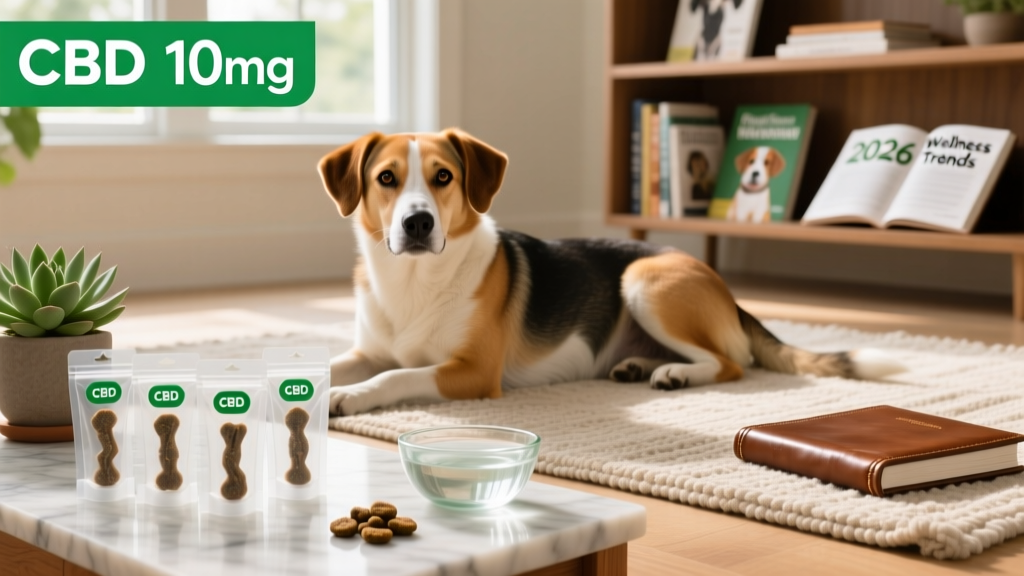
Walk into any pet supply store in 2026 and you'll find an entire shelf devoted to CBD chews for dogs. The market has exploded past $1.8 billion annually, and with dozens of brands competing, the quality gap between products has never been wider. Some chews contain precisely labeled amounts of cannabidiol with full third-party testing. Others contain barely detectable CBD — or worse, undisclosed THC levels that can make your dog seriously ill.
This guide cuts through the marketing noise. We'll cover what CBD chews actually contain nutritionally, how to dose them safely, which brands meet veterinary standards, and how they fit into your dog's overall diet plan. Whether you're considering CBD for anxiety, joint pain, or seizure management, you'll leave with specific numbers and a decision framework.
What Are CBD Chews for Dogs — and What's Actually in Them?
CBD chews are soft treats infused with cannabidiol, a non-psychoactive compound extracted from industrial hemp (Cannabis sativa). Legally, hemp-derived products must contain less than 0.3% THC by dry weight under the 2018 Farm Bill. But "legal" doesn't automatically mean "safe" or "accurately labeled."
A 2024 study published in the Journal of the American Veterinary Medical Association found that nearly 30% of over-the-counter pet CBD products were mislabeled — either containing significantly more or less CBD than stated, or containing measurable THC not disclosed on the label.
Three Types of CBD Extract
| Extract Type | Contains | Best For | Risk Level |
|---|---|---|---|
| Full-Spectrum | CBD + trace cannabinoids + terpenes + up to 0.3% THC | Maximum "entourage effect" — potentially stronger therapeutic benefit | Moderate — THC sensitivity varies by dog |
| Broad-Spectrum | CBD + other cannabinoids + terpenes, THC removed | Dogs sensitive to THC or in states with strict THC limits | Low |
| CBD Isolate | Pure CBD only (99%+), no other cannabinoids | Precise dosing, drug-testing households, maximum safety margin | Lowest |
For most dogs, broad-spectrum offers the best balance of potential benefit and safety. Isolate is the safest choice if your dog is on multiple medications. Full-spectrum should only be used under direct veterinary guidance.
Nutritional Profile: What CBD Chews Add to Your Dog's Diet
CBD chews are treats, not meal replacements. But they still contribute calories, fat, and sometimes protein to your dog's daily intake. Ignoring this leads to the most common side effect we see: unwanted weight gain.
Typical Nutritional Breakdown per Chew
| Nutrient | Per Standard Chew (3-5g) | Per Large-Breed Chew (8-10g) | Daily Treat Budget Impact* |
|---|---|---|---|
| Calories | 8-15 kcal | 20-35 kcal | Small dog: 5-12% of treat allowance |
| Crude Fat | 0.5-2g | 1.5-4g | Carrier oils (MCT, hemp seed) add fat |
| Crude Protein | 0.5-1.5g | 1-3g | Minimal contribution |
| Crude Fiber | 0.1-0.5g | 0.3-1g | Negligible |
| Moisture | 8-15% | 8-15% | Soft chews have higher moisture |
*Based on the 10% rule: treats should not exceed 10% of total daily caloric intake.
Daily Caloric Needs by Weight (Reference Points)
To understand how CBD chews fit into your dog's diet, you need baseline caloric requirements. The Resting Energy Requirement (RER) formula is: RER = 70 × (body weight in kg)^0.75. Then multiply by an activity factor:
| Dog Weight | RER (kcal/day) | Neutered Adult (×1.6) | Active/Intact (×1.8) | Senior/Less Active (×1.2) | Weight Loss (×1.0) |
|---|---|---|---|---|---|
| 10 lb / 4.5 kg | 163 | 261 | 293 | 196 | 163 |
| 25 lb / 11.3 kg | 303 | 485 | 545 | 364 | 303 |
| 50 lb / 22.7 kg | 495 | 792 | 891 | 594 | 495 |
| 75 lb / 34.1 kg | 656 | 1,050 | 1,181 | 787 | 656 |
| 100 lb / 45.4 kg | 807 | 1,291 | 1,453 | 968 | 807 |
A 25 lb dog on a standard adult diet has a treat budget of roughly 48 kcal/day. Two standard CBD chews (15 kcal each) consume 62% of that allowance — meaning you need to reduce other treats accordingly.
CBD Dosing by Weight: The Numbers That Actually Matter
This is where most owners get confused, and where bad products make things worse. CBD dosing for dogs is typically measured in milligrams per kilogram of body weight (mg/kg).
Starting Dose Recommendations
Based on published veterinary research, including a 2018 pharmacokinetic study from Cornell University's College of Veterinary Medicine and subsequent clinical observations:
| Dog Weight | Conservative Start (0.2 mg/kg BID) | Standard Dose (0.5 mg/kg BID) | Higher Range* (1.0 mg/kg BID) |
|---|---|---|---|
| 10 lb / 4.5 kg | 0.9 mg twice daily | 2.3 mg twice daily | 4.5 mg twice daily |
| 25 lb / 11.3 kg | 2.3 mg twice daily | 5.7 mg twice daily | 11.3 mg twice daily |
| 50 lb / 22.7 kg | 4.5 mg twice daily | 11.4 mg twice daily | 22.7 mg twice daily |
| 75 lb / 34.1 kg | 6.8 mg twice daily | 17.1 mg twice daily | 34.1 mg twice daily |
| 100 lb / 45.4 kg | 9.1 mg twice daily | 22.7 mg twice daily | 45.4 mg twice daily |
*Higher ranges are sometimes used for seizure management under direct veterinary supervision. Do not exceed 0.5 mg/kg without veterinary guidance.
BID means twice daily. CBD has a half-life in dogs of approximately 4-6 hours, so splitting the dose maintains more consistent blood levels.
How to Choose Safe, High-Quality CBD Chews
The pet CBD market remains largely unregulated. The FDA has issued warning letters to dozens of companies making unsubstantiated health claims. Here's your selection framework:
Non-Negotiable Label Requirements
- Certificate of Analysis (COA): Every batch should have a third-party lab report available — usually via QR code on the package or on the company's website. The COA must confirm CBD potency, THC levels below 0.3%, and screening for heavy metals, pesticides, and microbial contaminants.
- Clear mg-per-chew labeling: The package should state exactly how many milligrams of CBD each chew contains — not just "500mg total" for the whole bag.
- NASC Seal (optional but helpful): The National Animal Supplement Council quality seal indicates the company has passed a facility audit and product testing.
- Ingredient list in descending order by weight: Just like AAFCO-required pet food labels, the first ingredients should be recognizable whole foods.
- Extract type clearly stated: Full-spectrum, broad-spectrum, or isolate — not vague terms like "hemp extract" without clarification.
Red Flags — Walk Away If You See
- Claims to "cure" cancer, arthritis, or seizures (illegal and dishonest)
- No COA available or COA from an in-house lab only
- Price significantly below market average (under $0.05/mg CBD is suspicious)
- Added xylitol, grape derivatives, or macadamia nuts in the ingredient list
- Proprietary "blend" without disclosing actual CBD content per serving
- Products sold at gas stations, flea markets, or unverified online sellers
Top CBD Chew Brands for Dogs in 2026
These brands consistently meet our criteria for third-party testing, transparent labeling, and reasonable pricing. Prices reflect typical retail as of early 2026.
1. ElleVet Mobility CBD+CBDA Chews
Extract: Full-spectrum (hemp-derived, <0.3% THC) | CBD per chew: 20mg CBD + 20mg CBDA | Count: 30 chews | Price: $65-$75 ($0.11/mg CBD+CBDA)
Why it stands out: ElleVet is one of the few brands with published, peer-reviewed clinical research — specifically a 2020 study in the Journal of the American Veterinary Medical Association showing efficacy of their combined CBD+CBDA formulation for canine osteoarthritis. Their COAs are batch-specific and publicly available.
Best for: Senior dogs with joint pain and mobility issues. The CBDA component may provide additional anti-inflammatory benefit.
Considerations: Higher price point. Full-spectrum means trace THC is present — monitor sensitive dogs closely.
2. Honest Paws Calming CBD Chews
Extract: Broad-spectrum (THC-free) | CBD per chew: 15mg | Count: 30 chews | Price: $35-$42 ($0.07-0.09/mg)
Why it stands out: Broad-spectrum formulation eliminates THC risk entirely. Includes L-theanine (50mg/chew) and chamomile extract as complementary calming ingredients. NASC member company with consistent COA availability.
Best for: Anxiety (thunderstorms, separation, travel) in dogs that may be THC-sensitive. Good entry-level option for first-time CBD users.
Considerations: Lower CBD concentration per chew means large dogs may need 2-3 chews per dose, which adds calories.
3. Charlotte's Web Hemp-Infused Dog Chews
Extract: Full-spectrum (proprietary hemp strain) | CBD per chew: 15mg | Count: 30 chews | Price: $40-$50 ($0.09-0.11/mg)
Why it stands out: Charlotte's Web is one of the most established names in the hemp industry, with vertically integrated farming in Colorado. Their dog-specific line uses whole-plant extract with a consistent cannabinoid profile. COAs are easily accessible on their website.
Best for: General wellness support and mild anxiety. Available in three flavors (peanut butter, chicken, bacon) — useful for picky eaters.
Considerations: Full-spectrum product. The bacon flavor contains real bacon — not suitable for dogs on novel-protein elimination diets.
4. King Kalm Crunch CBD Dog Treats
Extract: Broad-spectrum (THC-free) | CBD per chew: 5mg | Count: 30 crunchy treats | Price: $30-$36 ($0.20-0.24/mg)
Why it stands out: Crunchy texture rather than soft chew — beneficial for dental health. Lower per-treat CBD content allows fine-tuned dosing for very small dogs (under 15 lb). Made with organic, human-grade ingredients including turmeric and blueberries.
Best for: Toy and small breeds needing precise low-dose options. Owners who want a crunchy treat that doubles as a training reward.
Considerations: Higher cost per mg of CBD. The 5mg/chew concentration means large dogs need many treats to reach therapeutic doses.
5. Petly CBD Dog Treats
Extract: Broad-spectrum (THC-free, nano-emulsified) | CBD per chew: 10mg | Count: 25 chews | Price: $35-$40 ($0.14-0.16/mg)
Why it stands out: Uses nano-emulsified CBD, which some research suggests may improve bioavailability by 2-5× compared to standard oil-based CBD. This could mean faster onset and more efficient absorption. Third-party tested with COAs available.
Best for: Dogs that haven't responded to standard CBD chews. The enhanced bioavailability may make a meaningful difference for some individuals.
Considerations: Nano-emulsified products are newer to the market — long-term safety data in dogs is still limited. Higher per-mg cost, though the improved absorption may offset this.
6. Joy Organics CBD Dog Treats
Extract: Broad-spectrum (THC-free, USDA organic hemp) | CBD per chew: 10mg | Count: 30 chews | Price: $38-$45 ($0.13-0.15/mg)
Why it stands out: USDA organic certification on the hemp extract — one of few brands that can make this claim legitimately. Soft chews come in peanut butter and salmon flavors. Company has been in operation since 2018 with consistent testing records.
Best for: Owners who prioritize organic sourcing. Dogs with food sensitivities (simple ingredient lists with no artificial preservatives).
Considerations: Salmon flavor contains real fish — avoid if your dog has a fish protein allergy.
Brand Comparison at a Glance
| Brand | mg/chew | Extract Type | $/mg | NASC | Best For |
|---|---|---|---|---|---|
| ElleVet Mobility | 20mg CBD+CBDA | Full-spectrum | $0.11 | No (vet-specific company) | Joint pain, senior dogs |
| Honest Paws Calming | 15mg | Broad-spectrum | $0.08 | Yes | Anxiety, first-time users |
| Charlotte's Web | 15mg | Full-spectrum | $0.10 | No | General wellness |
| King Kalm Crunch | 5mg | Broad-spectrum | $0.22 | No | Small breeds, precise dosing |
| Petly CBD | 10mg | Broad-spectrum (nano) | $0.15 | No | Non-responders to standard CBD |
| Joy Organics | 10mg | Broad-spectrum (organic) | $0.14 | No | Organic preference, food sensitivities |
Ingredients to Avoid in CBD Chews
The CBD itself is rarely the problem — it's the other ingredients in the chew that can cause harm. Here's what to watch for:
| Ingredient | Why It's Dangerous | Where It Hides |
|---|---|---|
| Xylitol (birch sugar) | Extremely toxic to dogs — causes rapid hypoglycemia and liver failure. Even small amounts can be fatal. | "Sugar-free" or "low-sugar" chews, some "natural" sweeteners |
| Grape/raisin derivatives | Causes acute kidney failure in susceptible dogs. Toxic dose is unpredictable. | Fruit-flavored chews, "antioxidant blends" |
| Macadamia nuts | Causes weakness, tremors, hyperthermia in dogs within 12 hours of ingestion. | Premium "gourmet" treat formulations |
| Chocolate/cocoa | Contains theobromine — toxic to dogs, especially dark chocolate varieties. | "Mocha" or "chocolate" flavored treats |
| Artificial preservatives (BHA, BHT, ethoxyquin) | Linked to potential carcinogenic effects in long-term animal studies. | Cheap mass-market treats with long shelf life |
| Excessive salt/sodium | Problematic for dogs with heart disease, kidney disease, or hypertension. | Savory-flavored chews, jerky-style CBD treats |
Life Stage and Condition Considerations
CBD isn't one-size-fits-all. Your dog's age, health status, and concurrent medications all affect whether CBD chews are appropriate and how they should be dosed.
Puppies (Under 12 Months)
Recommendation: Avoid. There is insufficient safety data on CBD use in developing dogs. The endocannabinoid system is still maturing, and exogenous cannabinoids could theoretically interfere with neurological development. Focus on proven behavioral interventions for puppy anxiety and training challenges instead.
Adult Dogs (1-7 Years)
Standard dosing guidelines apply. Most research has been conducted on adult dogs, so this group has the strongest safety data. CBD may be appropriate for situational anxiety (fireworks, vet visits, travel) or early-onset joint issues in large breeds.
Senior Dogs (7+ Years)
This is where CBD chews see the most use — and potentially the most benefit. Common senior conditions that may respond to CBD include:
- Osteoarthritis: The Cornell study showed significant improvement in comfort and activity at 2 mg/kg twice daily of a CBD+CBDA formulation
- Cognitive Dysfunction Syndrome (CDS): Anecdotal reports of improved sleep-wake cycles, though clinical evidence is still limited
- Cancer-related pain: CBD may complement traditional pain management, but should never replace prescribed analgesics
Caution for seniors: Older dogs often take multiple medications (NSAIDs, thyroid supplements, heart medications). CBD can alter how the liver processes these drugs. Your vet may need to adjust dosages of concurrent medications.
Dogs with Liver Disease
Use with extreme caution. CBD is metabolized by the liver. In dogs with elevated liver enzymes or diagnosed hepatic disease, CBD could add metabolic burden. Your vet should run baseline liver panels (ALT, ALP, bilirubin) before starting CBD and recheck at 4-6 weeks.
Dogs with Kidney Disease
CBD is primarily metabolized by the liver and excreted through feces, so kidney disease is less of a direct concern than liver disease. However, many CBD chews contain added phosphorus or sodium — problematic for renal diets. Check the guaranteed analysis carefully.
Drug Interactions: What You Must Tell Your Vet
CBD inhibits certain cytochrome P450 enzymes (specifically CYP3A4 and CYP2C9 in dogs), which means it can slow the metabolism of other drugs. This can lead to higher-than-expected blood levels of concurrent medications.
Medications with known or suspected CBD interactions:
- NSAIDs (carprofen, meloxicam, deracoxib) — increased risk of GI ulceration and kidney damage
- Phenobarbital and potassium bromide (seizure medications) — altered drug levels may affect seizure control
- Trazodone and gabapentin (anxiety/pain) — additive sedation is common
- Thyroid medications (levothyroxine) — potential for altered thyroid hormone levels
- Cyclosporine (immune suppression) — CBD may significantly increase blood levels
Always provide your vet with a complete medication list — including supplements and over-the-counter products — before starting CBD.
Side Effects and Monitoring
Most dogs tolerate CBD well at recommended doses. A 2024 safety review in Frontiers in Veterinary Science cataloged side effects from multiple clinical trials:
| Side Effect | Frequency | Severity | What to Do |
|---|---|---|---|
| Mild sedation/drowsiness | Common (15-25% of dogs) | Mild — usually resolves in 1-2 weeks | Reduce dose by 25%, give in evening |
| Loose stools/diarrhea | Occasional (8-12%) | Mild — often related to carrier oil (MCT) | Reduce dose, switch to isolate, give with food |
| Increased appetite | Occasional (5-10%) | Mild — manage by adjusting meal portions | Reduce treats elsewhere in diet |
| Dry mouth (increased thirst) | Occasional (5-8%) | Mild — ensure fresh water is always available | Usually self-resolves |
| Elevated liver enzymes (ALT) | Uncommon (3-5% at high doses) | Moderate — requires monitoring | Stop CBD, consult vet, recheck liver panel |
| Ataxia (wobbliness) | Rare — usually indicates THC exposure | Moderate to serious | Stop immediately, contact vet or poison control |
| Vomiting | Uncommon (3-5%) | Mild to moderate | Give with food; if persistent, discontinue |
Body Condition Score Monitoring
Because CBD chews add calories and fat, monitor your dog's body condition monthly using the 9-point BCS scale:
- BCS 1-3 (Underweight): Ribs, spine, and hip bones easily visible. No palpable fat cover. Waist is extreme.
- BCS 4-5 (Ideal): Ribs easily felt without excess fat. Waist visible from above. Abdominal tuck present from the side.
- BCS 6-7 (Overweight): Ribs difficult to feel under fat layer. Waist barely visible or absent. Abdominal sag.
- BCS 8-9 (Obese): Massive fat deposits over spine, ribs, and tail base. No waist. Pendulous abdomen.
If your dog's BCS increases by one full point after starting CBD chews, reduce meal portions by 5-10% or switch to a lower-calorie CBD product.
Transitioning to CBD Chews: A 10-Day Protocol
Don't just hand your dog a CBD chew on day one and expect results. A structured introduction helps you identify side effects, find the right dose, and establish a baseline for effectiveness.
| Day | Protocol | What to Monitor |
|---|---|---|
| Days 1-3 | Give half the conservative starting dose, once daily, with a meal | Appetite, stool consistency, energy level, any vomiting |
| Days 4-7 | Increase to full conservative dose, once daily with a meal | Sedation level, behavior changes, water intake |
| Days 8-10 | Split to twice daily (BID) at conservative dose — morning and evening with meals | Consistency of effect, any breakthrough anxiety/pain between doses |
| Days 11-17 | If no improvement and no side effects: increase to standard dose (0.5 mg/kg BID) | Target symptom improvement — keep a daily log |
| Day 18+ | Maintain effective dose. Reassess monthly with your vet. | Weight changes, long-term side effects, continued effectiveness |
Keep a simple daily log: Rate your dog's target symptom (anxiety, pain, mobility) on a 1-10 scale each evening. This data is invaluable when discussing adjustments with your vet.
Can You Make Homemade CBD Dog Treats?
Yes — but with significant caveats. Homemade CBD treats give you control over ingredients, but they introduce challenges with dose accuracy and nutritional balance.
Basic Homemade CBD Treat Framework
Ingredients:
- 1 cup oat flour (or coconut flour for grain-free)
- 1/2 cup unsweetened peanut butter (xylitol-free — check the label three times)
- 1/4 cup unsweetened applesauce
- 1 egg
- CBD oil tincture (unflavored, pet-specific) — calculated to total dose needed
Method: Mix ingredients, roll into small balls, flatten, and bake at 325°F (163°C) for 15-18 minutes. Cool completely.
Critical considerations:
- Dose calculation: Calculate the total CBD needed for the entire batch, then divide by the number of treats. For example, if you need 300mg total CBD across 30 treats, each treat should contain 10mg. But CBD degrades at high temperatures — baking at 325°F for 15 minutes may reduce potency by 10-25%. Add CBD oil after baking by drizzling on cooled treats for more accurate dosing.
- Nutritional completeness: These are treats, not meals. They do not meet AAFCO nutritional standards for complete and balanced diets. Treats (including homemade CBD treats) should not exceed 10% of daily calories.
- Shelf life: Homemade treats without preservatives last 5-7 days refrigerated or up to 3 months frozen. Label with date and CBD content per treat.
- Veterinary nutritionist consultation: If you plan to use homemade CBD treats long-term, or if your dog has specific dietary needs (kidney disease, food allergies, weight management), consult a board-certified veterinary nutritionist (DACVN or ACVN). You can find one through the American College of Veterinary Nutrition.
Supplement Stacking: What Works Well with CBD
CBD is often used alongside other supplements, particularly for joint health and anxiety. Here's what the evidence supports:
Joint Health Stack (Senior/Active Dogs)
| Supplement | Dose | Evidence Level | Notes |
|---|---|---|---|
| Glucosamine HCl | 20 mg/kg/day | Moderate — multiple studies show mild to moderate improvement | Takes 4-6 weeks to see effect |
| Chondroitin Sulfate | 15 mg/kg/day | Moderate — best combined with glucosamine | Source matters: marine-derived may be better absorbed |
| Omega-3 Fatty Acids (EPA+DHA) | 50-100 mg/kg/day combined EPA+DHA | Strong — well-documented anti-inflammatory effects | Fish oil; check for IFOS certification |
| CBD | 0.2-0.5 mg/kg BID | Moderate — growing evidence for pain and inflammation | Complements, does not replace, the above |
Anxiety Stack
| Supplement | Dose | Evidence Level | Notes |
|---|---|---|---|
| L-Theanine | 5-10 mg/kg 30-60 min before trigger | Moderate — shown to reduce stress behaviors in shelter dogs | Often pre-combined in calming CBD chews |
| L-Tryptophan | 10-15 mg/kg/day | Mild — precursor to serotonin | May cause mild sedation; do not combine with SSRIs without vet guidance |
| Melatonin | 0.05 mg/kg 30 min before bedtime | Mild — useful for sleep disturbances | Use only pet-specific formulations |
Important: Do not stack multiple sedating supplements without veterinary guidance. Additive sedation can mask serious symptoms or lead to dangerous drowsiness.
Frequently Asked Questions
Will CBD chews make my dog high?
No — not if you choose a reputable product. CBD is non-psychoactive. The THC content in legal hemp-derived products is below 0.3%, which is far too low to produce intoxication at recommended doses. However, if your dog accidentally consumes an entire bag of full-spectrum CBD chews, the cumulative THC could cause ataxia, lethargy, and dilated pupils. Store all CBD products out of reach, just like any medication.
How long does it take for CBD chews to work?
For acute situations (thunderstorm anxiety, car travel), soft chews typically take 30-45 minutes to begin working, with peak effects at 1-2 hours. For chronic conditions (arthritis, generalized anxiety), consistent daily use for 2-4 weeks is typically needed before you'll see meaningful improvement. Some dogs show partial response within the first week.
Can I give my dog human CBD products?
Technically possible, but not recommended. Human CBD products may contain higher THC levels, flavorings toxic to dogs (xylitol, chocolate, grape), or concentrations that make accurate dog-sized dosing difficult. Pet-specific products are formulated with appropriate concentrations and dog-safe ingredients.
My dog ate the whole bag of CBD chews — what do I do?
First, determine how much CBD and THC your dog consumed. Calculate: (mg per chew) × (number of chews eaten). If the product is full-spectrum, the THC exposure is the bigger concern. Call ASPCA Animal Poison Control at (888) 426-4435 or your emergency vet. Symptoms of THC toxicity in dogs include wobbliness, dilated pupils, drooling, urinary incontinence, and in severe cases, seizures. Most dogs recover fully with supportive care within 24-72 hours.
Does my dog need supplements if they eat a complete commercial diet?
If your dog is eating an AAFCO-certified complete and balanced diet and is healthy, additional supplements are usually unnecessary. However, CBD is not a nutrient — it's a therapeutic compound. If you're using CBD for a specific condition (anxiety, pain, seizures), it serves a purpose beyond basic nutrition. Omega-3 fatty acids are the one supplement most dogs benefit from, as commercial diets rarely contain therapeutic levels of EPA/DHA.
Is CBD legal for dogs in all 50 states?
Hemp-derived CBD (less than 0.3% THC) is federally legal under the 2018 Farm Bill. However, individual state laws vary regarding veterinary recommendation and sale of CBD products for animals. Some states explicitly allow veterinarians to discuss CBD with clients; others restrict this conversation. Check your state's specific regulations, and always purchase from companies that comply with federal hemp laws.
How do I know if the CBD is actually working?
Use objective measures, not just "feelings." For mobility: time how long it takes your dog to rise from lying down, or count how many stairs they climb without hesitation. For anxiety: rate behavior on a 1-10 scale during trigger events. For sleep: note how many times they wake during the night. Track these metrics weekly. If you see no improvement after 4 weeks at the standard dose, CBD may not be effective for your individual dog — and that's okay. Every dog's endocannabinoid system responds differently.
Marcus Aldridge
All our authors care for dogs every day — read more of their work on the authors page.