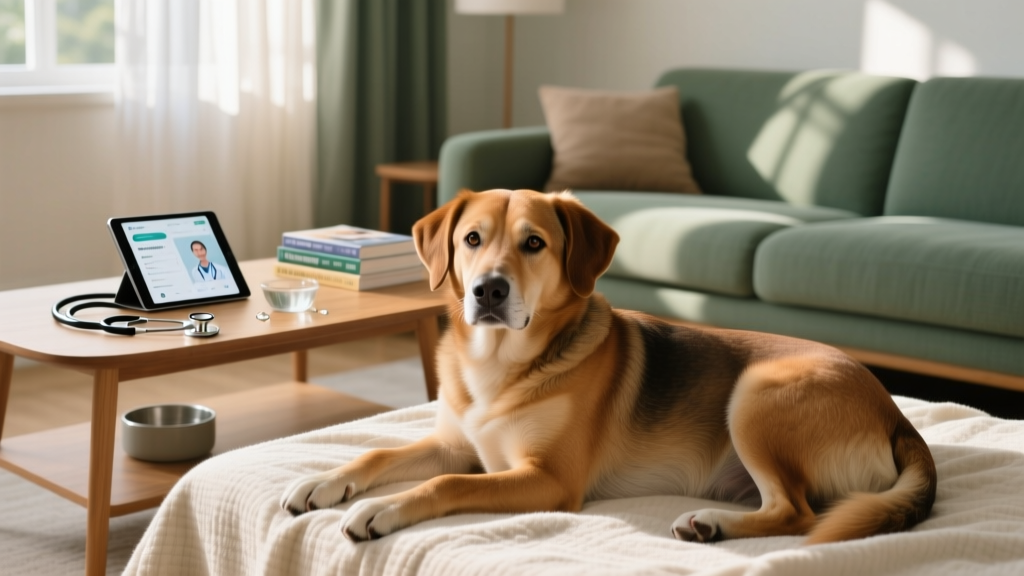
Canine Vaccination Side Effects: Puppy & Dog Vaccine Safety
Understand canine vaccination side effects, costs, schedules, and monitoring. Evidence-based guide covering core vs non-core vaccines and when to call...

Understanding Canine Vaccination Side Effects: What Every Dog Owner Should Know
Vaccinating your dog is one of the most effective ways to protect them from life-threatening diseases like parvovirus, distemper, and rabies. Yet many owners hesitate — not because they doubt the science, but because they've heard stories about adverse reactions and aren't sure what's normal versus what's dangerous. If you've ever watched your dog seem sluggish after a shot and wondered whether to panic, this guide will give you the precise benchmarks you need.
According to the American Veterinary Medical Association (AVMA), serious adverse reactions to canine vaccines occur in fewer than 1 in 1,000 dogs. Most reactions are mild and self-limiting, resolving within 24-48 hours. Understanding the difference between expected immune responses and true emergencies is the key to confident, informed vaccination decisions.
Core vs. Non-Core Vaccines: What Your Dog Actually Needs
Not every dog needs every vaccine. Veterinary medicine categorizes canine vaccines into two groups based on disease risk, severity, and transmissibility. Your veterinarian will recommend a protocol based on your dog's age, lifestyle, geographic location, and exposure risk.
| Category | Vaccine | Disease Prevented | Recommended For | Booster Frequency |
|---|---|---|---|---|
| Core | DHPP (Distemper, Hepatitis, Parainfluenza, Parvovirus) | Canine distemper, adenovirus-2, parainfluenza, parvovirus | All dogs | Every 3 years after initial series |
| Rabies | Rabies virus (fatal, zoonotic) | All dogs (legally required) | 1 year, then every 1-3 years per state law | |
| Canine Parvovirus (standalone) | Parvovirus | All dogs (often included in DHPP) | Every 3 years | |
| Canine Adenovirus-2 | Infectious canine hepatitis, respiratory disease | All dogs (included in DHPP) | Every 3 years | |
| Non-Core | Bordetella bronchiseptica | Kennel cough | Dogs in boarding, daycare, grooming, dog parks | Every 6-12 months |
| Leptospirosis | Leptospirosis (zoonotic, liver/kidney damage) | Dogs in rural areas, near wildlife, or in endemic regions (Southeast US, Pacific Northwest) | Annually | |
| Lyme disease (Borrelia burgdorferi) | Lyme disease (joint inflammation, kidney issues) | Dogs in tick-endemic areas (Northeast, Upper Midwest, Northern California) | Annually | |
| Canine Influenza (H3N2/H3N8) | Canine influenza (respiratory illness) | Dogs in high-density settings, outbreak regions | Annually (2-dose initial series) | |
| Rattlesnake toxoid | Rattlesnake venom effects | Dogs in rattlesnake territory (Southwest, Mountain West) | Every 6-12 months during snake season |
Regional Considerations That Affect Your Dog's Vaccine Protocol
Geography plays a significant role in non-core vaccine recommendations. Dogs in the Northeastern US face substantially higher Lyme disease risk — the CDC reports that over 95% of confirmed Lyme cases occur in just 15 states. If you live in Connecticut, Massachusetts, New York, Pennsylvania, or Minnesota, the Lyme vaccine is strongly recommended even for suburban dogs.
Similarly, Leptospirosis is increasingly diagnosed in urban environments, not just rural ones. Rats and urban wildlife carry the bacteria, meaning city dogs in places like New York, Los Angeles, and Chicago now face exposure risk that didn't exist a decade ago. The Merck Veterinary Manual notes that Leptospirosis cases have risen in both urban and suburban dogs since 2010, prompting many urban veterinarians to recommend it as a quasi-core vaccine.
Puppy & Adult Dog Vaccination Schedule by Age
Timing matters enormously with puppy vaccines. Maternal antibodies (passed through colostrum) protect puppies in early life but can interfere with vaccine efficacy. This is why puppies receive a series of shots — each dose aims to catch the window when maternal antibodies have waned enough for the vaccine to stimulate the puppy's own immune response, but before they drop so low that the puppy is unprotected.
| Age | Vaccines Given | Notes |
|---|---|---|
| 6-8 weeks | DHPP (1st dose); Bordetella (optional, intranasal) | First vaccine; maternal antibodies still present. Avoid high-exposure areas until series complete. |
| 10-12 weeks | DHPP (2nd dose); Leptospirosis (1st dose if indicated); Lyme (1st dose if indicated) | Maternal antibody interference decreasing. Begin socialization in controlled, low-risk environments. |
| 14-16 weeks | DHPP (3rd dose); Rabies (1st dose); Leptospirosis (2nd dose); Lyme (2nd dose); Canine Influenza (1st dose if indicated) | Critical final puppy dose — maternal antibodies typically gone by 16 weeks. Rabies legally required. |
| 6-12 months | DHPP booster (1 year after final puppy dose); Rabies booster (per state law, often 1 year); Canine Influenza (2nd dose) | This 1-year booster is critical — it transitions your dog from the puppy series to the adult protocol. |
| Adult (annually) | Bordetella (every 6-12 months); Leptospirosis (annually); Lyme (annually); Canine Influenza (annually) | Non-core vaccines require annual boosters. Core vaccines shift to 3-year intervals. |
| Adult (every 3 years) | DHPP; Rabies (in states allowing 3-year protocol) | AAHA guidelines support 3-year intervals for core vaccines after the 1-year adult booster. |
Canine Vaccination Side Effects: Normal Reactions vs. Emergency Symptoms
This is the section most owners search for, and for good reason. Knowing what to expect in the hours and days after vaccination transforms anxiety into informed observation. Here's a precise breakdown based on veterinary clinical data.
Normal Post-Vaccination Reactions (Monitor at Home)
These reactions indicate your dog's immune system is responding appropriately. They typically appear within 2-12 hours of vaccination and resolve within 24-48 hours without intervention:
- Mild lethargy: Your dog may sleep more than usual or seem less interested in play for 12-24 hours. This is the most commonly reported reaction.
- Injection site soreness: Tenderness or a small, firm lump (granuloma) at the injection site. The lump may persist for 1-3 weeks before resolving. Apply a warm compress if your dog seems uncomfortable.
- Low-grade fever: Rectal temperature between 102.5°F and 103.5°F (39.2°C-39.7°C). Normal canine temperature is 101.0°F-102.5°F (38.3°C-39.2°C).
- Reduced appetite: Skipping one meal is common. If your dog hasn't eaten for 24 hours, contact your vet.
- Mild sneezing or nasal discharge: Common after intranasal vaccines (Bordetella, canine influenza). Usually resolves within 3-5 days.
- Slight swelling at injection site: Less than 1 inch (2.5 cm) in diameter, non-painful or mildly tender.
Emergency Symptoms: Call Your Veterinarian Immediately
⚠️ Emergency Warning Signs — Seek Veterinary Care Now
These symptoms indicate a possible anaphylactic reaction or serious adverse event. They typically appear within 30 minutes to 4 hours of vaccination:
- Facial swelling (especially muzzle, eyes, or throat) — may indicate angioedema
- Hives (urticaria) — raised, itchy welts across the body
- Difficulty breathing — wheezing, rapid breathing, or open-mouth breathing
- Vomiting or diarrhea (repeated, not just a single episode)
- Collapse or severe weakness — inability to stand, pale gums
- Rapid heart rate with weak pulse
- Injection site swelling larger than 2 inches (5 cm) or rapidly expanding
- Seizures
If you observe any of these symptoms, contact your veterinarian or emergency clinic immediately. For after-hours poison or adverse reaction concerns, call ASPCA Animal Poison Control at (888) 426-4435 (24/7, consultation fee applies).
Side Effects by Vaccine Type
| Vaccine | Common Side Effects | Frequency | Rare but Serious |
|---|---|---|---|
| DHPP | Lethargy, mild fever, injection site soreness | ~10-15% of dogs | Anaphylaxis (<0.1%), immune-mediated reactions |
| Rabies | Injection site lump, mild lethargy | ~5-10% of dogs | Injection site sarcoma (extremely rare in dogs vs. cats), anaphylaxis |
| Bordetella (intranasal) | Sneezing, nasal discharge, mild cough for 3-5 days | ~20-30% of dogs | Kennel cough-like symptoms in immunocompromised dogs |
| Bordetella (injectable) | Injection site soreness, lethargy | ~10-15% of dogs | Anaphylaxis (rare) |
| Leptospirosis | Lethargy, vomiting (mild), injection site reaction | ~15-20% of dogs (historically higher with older formulations) | Anaphylaxis; newer subunit vaccines have reduced reaction rates |
| Lyme | Injection site soreness, mild fever | ~8-12% of dogs | Immune-mediated polyarthritis (very rare) |
| Canine Influenza | Lethargy, mild fever, injection site tenderness | ~8-10% of dogs | Anaphylaxis (rare) |
Small Breed Considerations
Research published in the Journal of the American Veterinary Medical Association found that small-breed dogs (under 22 lb / 10 kg) experience adverse vaccine reactions at roughly twice the rate of large-breed dogs. Dachshunds, Pugs, Boston Terriers, and Chihuahuas show the highest reaction rates. If you have a small-breed dog, discuss with your veterinarian whether spacing vaccines 2-3 weeks apart (rather than giving multiple vaccines in one visit) may reduce reaction risk.
How Much Do Dog Vaccinations Cost? 2026 Pricing Breakdown
Vaccine pricing varies significantly by region, clinic type (private practice vs. low-cost clinic vs. shelter), and whether you purchase individual vaccines or bundled wellness packages. Here's what you can expect to pay at a typical private-practice veterinary clinic in the US:
| Vaccine / Service | Individual Cost | Package Price Range |
|---|---|---|
| DHPP | $25-$45 | Puppy Package (3 visits): $150-$350 Adult Annual Wellness: $80-$200 Low-Cost Clinic: $20-$75 per visit |
| Rabies | $20-$40 | |
| Bordetella | $20-$35 | |
| Leptospirosis | $25-$45 | |
| Lyme | $25-$45 | |
| Canine Influenza (H3N2) | $30-$50 | |
| Office/Exam Fee | $50-$90 | Often waived with packages |
| First-Year Total (Puppy) | $200-$500 (3-4 visits, core + select non-core) | |
| Annual Adult Maintenance | $80-$250 (exam + boosters as indicated) | |
Money-saving tip: Many shelters and humane societies operate low-cost vaccine clinics. Organizations like the ASPCA and local SPCA chapters frequently offer walk-in puppy vaccine packages for $50-$100. These are legitimate vaccines from the same manufacturers (Merck Animal Health, Zoetis, Elanco) — the lower price reflects subsidized operational costs, not inferior products.
Pre-Vaccination Requirements and Post-Vaccination Monitoring Protocol
Before the Appointment: Pre-Vaccination Checklist
Vaccines are most effective and safest when given to healthy dogs. Your veterinarian will perform a physical exam before administering vaccines, but here's what you should prepare:
- Health check: Your dog should be free of active illness — no vomiting, diarrhea, coughing, or fever in the 48 hours before vaccination. Mild conditions like controlled allergies are usually fine, but mention them to your vet.
- Deworming status: Intestinal parasites can compromise immune response. Puppies should be dewormed at 2, 4, 6, and 8 weeks before or alongside their first vaccines. A fecal test at the first visit confirms parasite-free status.
- Medication review: Inform your vet about all current medications, including immunosuppressive drugs (corticosteroids like prednisone, cyclosporine). Dogs on high-dose steroids may need to delay vaccination.
- Previous reaction history: If your dog has had a vaccine reaction before, tell your veterinarian. They may pre-medicate with diphenhydramine (Benadryl) at 1 mg per pound of body weight, given 30 minutes before vaccination.
- Fasting: No fasting required. Feed your dog normally before the appointment.
After the Appointment: 48-Hour Monitoring Protocol
Post-Vaccination Monitoring Checklist
First 30 minutes (in clinic or car):
- Wait in the clinic lobby or your car for 15-30 minutes after vaccination. Most anaphylactic reactions occur within this window.
- Watch for facial swelling, hives, or breathing changes.
First 4-6 hours at home:
- Keep your dog in a calm, temperature-controlled environment.
- Offer water freely; a light meal is fine if appetite is normal.
- Limit strenuous exercise — a short leash walk is okay, but skip the dog park.
- Check the injection site for swelling; note its size if present.
24-48 hours:
- Mild lethargy and reduced appetite should be improving.
- Injection site lump should be stable or shrinking (not growing).
- If any symptom worsens after 24 hours rather than improving, call your vet.
Legal Requirements: Rabies Vaccination Laws by State
Rabies is the only vaccine with legal mandates across the United States, and the specifics vary by state. As of 2026, all 50 states require rabies vaccination for dogs, but the protocols differ:
- 3-year rabies protocol (majority of states): After the initial 1-year booster, dogs may receive a 3-year rabies vaccine. States including California, Texas, Florida, New York, and most others follow this schedule.
- Annual rabies required (some jurisdictions): A handful of states or local municipalities still mandate annual rabies vaccination regardless of vaccine type used. Check with your county animal control or department of health.
- First vaccination timing: Most states require the first rabies vaccine between 12-16 weeks of age, with a booster at 1 year.
- Exemptions: Some states (including California, Colorado, Illinois, and a growing number of others) allow medical exemptions from rabies vaccination if a licensed veterinarian certifies that the vaccine would endanger the dog's health due to a documented medical condition. These exemptions typically require annual renewal and do not protect you from quarantine requirements if your dog bites someone or is exposed to a rabid animal.
Important: Even in states that allow 3-year rabies vaccines, your local municipality may have stricter requirements. Always check your city or county ordinances. Failure to maintain current rabies vaccination can result in fines (typically $100-$500), mandatory quarantine at your expense if your dog bites someone, and in extreme cases, euthanasia for rabies testing.
Preventive Medication Schedule: Heartworm, Flea/Tick, and Deworming
Vaccines are only one pillar of preventive care. A complete protocol includes year-round parasite prevention, adjusted for your region and your dog's lifestyle.
| Preventive | Northeast / Midwest | Southeast / Gulf Coast | Southwest / Mountain West | Pacific Northwest |
|---|---|---|---|---|
| Heartworm Prevention | June-November (seasonal acceptable) | Year-round (mandatory) | Year-round recommended | Year-round recommended |
| Flea/Tick Prevention | April-November (minimum); year-round preferred | Year-round | Year-round (tick season extends through mild winters) | March-November; year-round if hiking/wooded areas |
| Intestinal Deworming | Fecal test 1-2x/year; treat as needed | Fecal test 2x/year; higher hookworm prevalence | Fecal test 1x/year; lower prevalence | Fecal test 1-2x/year |
| Heartworm Testing | Annually (spring, before starting seasonal prevention) | Annually | Annually | Annually |
Common heartworm preventives include ivermectin-based products (Heartgard Plus, ~$70-$90 for 6 months), milbemycin oxime (Interceptor Plus, ~$80-$110 for 6 months), and topical selamectin (Revolution, ~$90-$120 for 6 months). All require a negative heartworm test before starting and a veterinary prescription.
Flea/tick options range from oral isoxazolines (Bravecto, NexGard, Simparica Trio — $50-$80 per 3-month supply) to topical treatments (Frontline Plus, $40-$60 for 6 months). Note: isoxazoline-class products carry an FDA advisory regarding potential neurological side effects in dogs with a seizure history. Consult your veterinarian if your dog has epilepsy before choosing this class.
Wellness Exam Frequency and Titer Testing Alternatives
Recommended Wellness Exam Schedule by Life Stage
- Puppies (0-6 months): Every 3-4 weeks during the vaccination series (typically 3-4 visits).
- Junior dogs (6 months-1 year): At least once for spay/neuter evaluation and final booster assessment.
- Adult dogs (1-7 years): Annually — includes physical exam, weight check, dental assessment, and vaccine review.
- Senior dogs (7+ years): Every 6 months — includes bloodwork (CBC, chemistry panel), urinalysis, and age-specific screening. Early detection of kidney disease, diabetes, and thyroid disorders significantly improves outcomes.
- Geriatric dogs (10+ years): Every 6 months minimum; consider annual cardiac screening and cancer palpation.
Vaccine Alternatives: Titer Testing Explained
A titers test (also called a quantitative antibody titer) measures the level of circulating antibodies your dog has against specific diseases. Instead of automatically revaccinating every 3 years, you can test whether your dog still has protective immunity.
How it works: Your vet draws a small blood sample and sends it to a laboratory (common options include the University of Wisconsin's Titer Check or Kansas State University's rabies titer lab). Results typically return in 5-10 business days.
Cost: $40-$80 per disease tested (DHPP components tested individually). Rabies titers cost $50-$100 and may or may not be accepted by your local jurisdiction in lieu of vaccination — check your state laws before relying on this.
When titers make sense:
- Dogs with a history of adverse vaccine reactions
- Dogs with immune-mediated disease (IMHA, IMTP, lupus)
- Senior dogs where the risk-benefit calculation shifts
- Owners who want to minimize vaccine frequency based on evidence
Limitations: Titers measure circulating antibodies but don't capture cell-mediated immunity (a key component of immune protection). A dog with low titers may still have adequate immune memory. The AAHA Canine Vaccination Guidelines acknowledge that protective titer thresholds are well-established for distemper, parvovirus, and adenovirus, but less so for leptospirosis, bordetella, and Lyme — which is why non-core vaccines are typically boosted on schedule rather than titered.
Important: Rabies titers are not universally accepted as legal substitutes for vaccination. Even if your dog has a high rabies titer, most jurisdictions still require current vaccination. Always consult your veterinarian and local authorities before making decisions about rabies vaccine exemptions.
Frequently Asked Questions About Canine Vaccination Side Effects
What vaccines does my puppy need?
Every puppy needs core vaccines: DHPP (distemper, hepatitis, parainfluenza, parvovirus) and rabies. The DHPP series begins at 6-8 weeks and is repeated every 3-4 weeks until 16 weeks of age. Rabies is given once at 14-16 weeks. Non-core vaccines (Bordetella, Lyme, Leptospirosis, Canine Influenza) are added based on your dog's lifestyle and geographic risk.
When should my dog get vaccinated?
Puppies start at 6-8 weeks, with boosters every 3-4 weeks until 16 weeks. A 1-year adult booster follows, then core vaccines shift to every 3 years while non-core vaccines are typically annual. Adult dogs with unknown vaccination history receive two DHPP doses 3-4 weeks apart, plus one rabies dose.
How much do dog vaccinations cost?
Individual vaccines range from $20-$50 each. Puppy vaccine packages (3 visits, core vaccines) typically cost $150-$350. Annual adult boosters with a wellness exam run $80-$250. Low-cost clinics and shelter programs can reduce costs to $20-$75 per visit. First-year puppy vaccination totals $200-$500 in most markets.
What are the side effects of vaccines?
The most common canine vaccination side effects are mild lethargy (12-24 hours), injection site soreness, and low-grade fever. These resolve without treatment. Serious reactions — facial swelling, hives, vomiting, collapse — occur in fewer than 1 in 1,000 dogs and require immediate veterinary attention. Small breeds react at roughly twice the rate of large breeds.
Are vaccines required by law?
Rabies vaccination is legally required for dogs in all 50 US states. The specific protocol (annual vs. 3-year) and first-vaccination age vary by state and sometimes by municipality. No other canine vaccine carries legal mandates, though boarding facilities, groomers, and dog daycares typically require proof of DHPP and Bordetella vaccination.
How often does my dog need boosters?
Core vaccines (DHPP, rabies) are boosted at 1 year after the puppy series, then every 3 years thereafter (subject to state rabies laws). Non-core vaccines (Bordetella, Lyme, Leptospirosis, Canine Influenza) require annual or semi-annual boosters because immunity to these pathogens wanes faster. Your veterinarian will customize the schedule to your dog's risk profile.
Can I give my dog Benadryl before vaccination to prevent reactions?
Some veterinarians recommend pre-medicating with diphenhydramine (Benadryl) at 1 mg per pound of body weight, given 30 minutes before vaccination, for dogs with a known history of reactions. However, this should only be done under veterinary guidance — Benadryl can mask early anaphylaxis signs and may interact with other medications. Never pre-medicate without consulting your vet first.
Should I space out vaccines instead of giving them all at once?
For small-breed dogs (under 22 lb / 10 kg) or dogs with prior reaction history, spacing vaccines 2-3 weeks apart may reduce adverse reaction risk. The trade-off is delayed full protection and additional office visit fees. Discuss with your veterinarian — they may recommend giving DHPP and rabies on separate visits, for example, rather than both on the same day.
Disclaimer: This article provides general educational information about canine vaccination and is not a substitute for professional veterinary advice. Vaccine protocols should always be determined by your veterinarian based on your dog's individual health status, age, breed, lifestyle, and local disease prevalence. Always consult your veterinarian before making decisions about your dog's vaccination schedule.
Beth Carrasco
All our authors care for dogs every day — read more of their work on the authors page.