Canine Ear Infection in Dogs: Symptoms, Diagnosis & Treatment Guide
Complete guide to canine ear infection in dogs: early symptoms, vet diagnosis process, treatment costs ($150–$2,500+), breed risks.
What Is a Canine Ear Infection in Dogs?
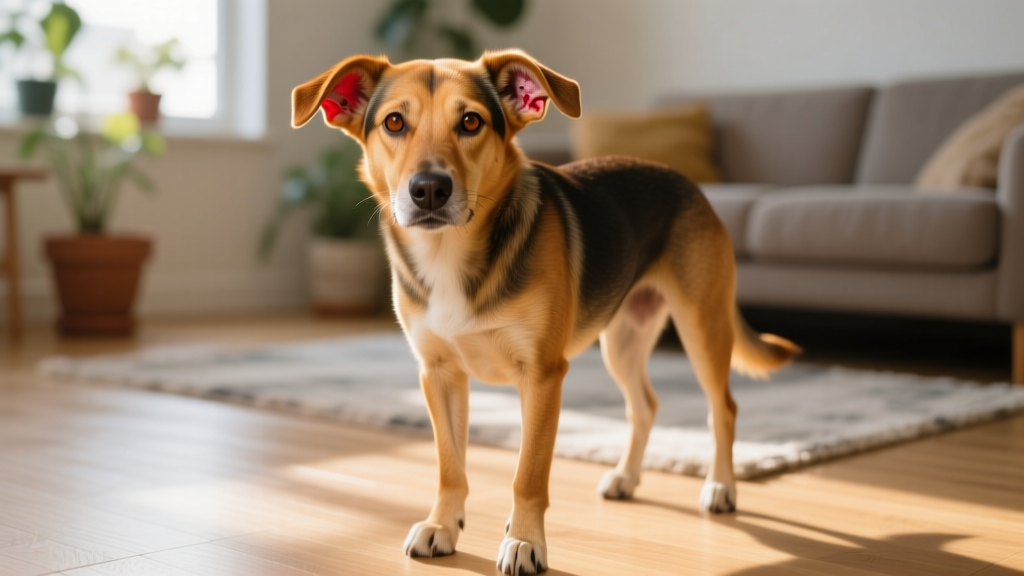
A canine ear infection — medically termed otitis — is an inflammation of the ear canal that can affect the outer ear (otitis externa), middle ear (otitis media), or inner ear (otitis interna). According to the Merck Veterinary Manual, otitis externa is one of the most common reasons dogs visit the veterinarian, affecting an estimated 20% of all dogs at some point in their lives.
Most canine ear infections begin in the external ear canal, where warm, moist conditions allow bacteria (commonly Staphylococcus pseudintermedius or Pseudomonas aeruginosa) and yeast (Malassezia pachydermatis) to overgrow. Left untreated, the infection can breach the tympanic membrane (eardrum), advancing to otitis media or interna — conditions that carry far more serious neurological and surgical implications.
Unlike human ear infections, which often involve the middle ear secondary to respiratory illness, canine ear infections almost always begin externally. The dog's L-shaped ear canal — with a vertical and horizontal component — traps moisture, wax, and debris, creating an ideal environment for microbial proliferation.
Recognizing Symptoms: From Early Warning Signs to Advanced Disease
Early detection dramatically changes the treatment trajectory. Here is a symptom checklist organized by severity so you know when to monitor and when to act immediately.
| Severity Level | Symptoms | Typical Timeline |
|---|---|---|
| Early / Mild |
|
Days 1–3 of onset |
| Moderate |
|
Days 3–10 if untreated |
| Severe / Advanced |
|
Weeks to months of untreated or recurrent infection |
Vestibular signs (head tilt, circling, nystagmus) indicate the infection has likely progressed beyond the outer ear canal into the middle or inner ear. These are neurological red flags that require same-day veterinary evaluation.
Risk Factors: Which Dogs Are Most Vulnerable?
Breed Predisposition
Dogs with pendulous (floppy) ears are at significantly higher risk because the ear flap restricts airflow and traps moisture. High-risk breeds include:
- Cocker Spaniels — highest prevalence among all breeds; predisposed to both allergic skin disease and narrow ear canals
- Basset Hounds — extremely long ear canals with heavy, ground-dragging ear flaps
- Golden Retrievers & Labrador Retrievers — high allergy prevalence plus floppy ears and frequent water exposure
- Springer Spaniels — similar risk profile to Cockers
- Shar-Peis — extremely narrow ear canals due to skin folds
- Poodles & Doodle mixes — hair growth within the ear canal traps debris
Other Risk Factors
- Allergies (atopic dermatitis): The single most common underlying cause. According to AKC health resources, up to 80% of dogs with atopy develop ear infections as a secondary complication.
- Food hypersensitivity: Approximately 25% of dogs with adverse food reactions present with otitis as a primary or sole clinical sign.
- Swimming and bathing: Water trapped in the canal creates a moist environment ideal for Pseudomonas overgrowth.
- Hypothyroidism & Cushing's disease: Hormonal imbalances compromise skin barrier function and immune response in the ear canal.
- Foreign bodies: Grass awns (foxtails) and plant material commonly lodge in the horizontal canal, especially in active outdoor dogs.
- Ear mites (Otodectes cynotis): More common in puppies and dogs in multi-pet households.
- Masses or polyps: Growth within the canal obstructs drainage and airflow, more common in older dogs.
- Age: While any age can be affected, chronic recurrent otitis is most common in dogs aged 2–7 years (peak allergy onset window).
How Veterinarians Diagnose Canine Ear Infections
A thorough veterinary workup goes far beyond looking into the ear with an otoscope. Here is the typical diagnostic process and what you can expect in terms of cost.
| Step | Procedure | What It Reveals | Estimated Cost (2026) |
|---|---|---|---|
| 1 | Otoscopic examination | Visualizes canal for debris, foreign bodies, masses, tympanic membrane integrity | Included in exam fee ($60–$120) |
| 2 | Ear cytology (swab sample examined under microscope) | Identifies bacteria type (cocci vs. rods), yeast, mites, inflammatory cells | $35–$75 per ear |
| 3 | Bacterial culture & sensitivity | Identifies exact bacterial species and which antibiotics will be effective; critical for Pseudomonas or recurrent cases | $120–$250 |
| 4 | Ear canal flushing under sedation | Removes obstructive debris so the tympanic membrane can be evaluated; may be both diagnostic and therapeutic | $200–$500 (includes sedation) |
| 5 | Advanced imaging (CT or MRI) | Evaluates middle/inner ear structures, bulla, soft tissue masses; indicated for otitis media/interna or surgical planning | $800–$2,500 |
| 6 | Allergy testing (intradermal or serum IgE) | Identifies underlying environmental allergens driving recurrent infections | $350–$700 |
| 7 | Blood work (CBC, chemistry, thyroid panel) | Screens for hypothyroidism, Cushing's disease, or systemic illness contributing to recurrent otitis | $150–$350 |
For a first-time, uncomplicated outer ear infection, your vet will typically perform Steps 1 and 2 during a single visit. Steps 3–7 are reserved for recurrent, chronic, or advanced cases. Always consult your veterinarian to determine which diagnostics are appropriate for your dog's specific presentation.
Treatment Options: Medical, Surgical, and Supportive Care
Treatment is staged based on infection location, severity, and whether underlying causes have been identified. Here is a comparison of the main treatment pathways.
| Treatment Type | Indications | Examples | Success Rate / Notes |
|---|---|---|---|
| Topical medications | Otitis externa (mild to moderate) | Otomax®, Osurnia® (florfenicol/terbinafine/florfenicol betamethasone gel — single application), Claro® (long-acting single-dose solution), Mometamax Ultra® | 85–95% resolution for acute cases when cytology-directed |
| Systemic antibiotics | Otitis media, Pseudomonas infections, cases with ruptured tympanic membrane | Enrofloxacin (Baytril®), marbofloxacin (Zeniquin®), cephalexin — guided by culture & sensitivity results | 70–85% when culture-directed; lower without sensitivity testing |
| Systemic antifungals | Severe or recurrent yeast (Malassezia) infections not responsive to topical therapy | Ketoconazole, itraconazole (Sporanox®), fluconazole | Effective but requires 3–6 weeks; liver monitoring recommended |
| Systemic corticosteroids | Severe canal swelling (stenosis) preventing topical medication delivery | Prednisone (0.5–1 mg/kg initially, tapering over 2–3 weeks) | Opens the canal within 5–7 days; short-term use to enable topical therapy |
| Ear canal flushing (therapeutic) | Heavy debris accumulation, biofilm, or pre-surgical cleaning | Performed under sedation or general anesthesia using video otoscopy when available | Significantly improves topical medication penetration; may need repeat |
| Total ear canal ablation (TECA) with lateral bulla osteotomy (BO) | End-stage chronic otitis with irreversible canal changes (calcification, stenosis), failed medical management, or neoplasia | Complete surgical removal of the ear canal and cleaning of the middle ear bulla | 90–95% owner satisfaction; eliminates ear canal infections permanently. Risk: facial nerve damage (10–30% transient, 5–10% permanent depending on surgeon experience) |
Emerging and Adjunctive Therapies
For chronic Pseudomonas infections that resist conventional antibiotics, some veterinary dermatologists now use topical Tris-EDTA flushes to disrupt bacterial biofilms before applying antimicrobials. Silver sulfadiazine and compounded formulations (e.g., Baytril in Synotic® base) are also used in refractory cases. Photobiomodulation (laser therapy) may support healing in post-surgical patients.
Prognosis: What to Expect at Each Stage
| Stage | Typical Outcome | Recovery Timeline | Recurrence Risk |
|---|---|---|---|
| Acute otitis externa (first episode) | Full resolution expected | 7–14 days with appropriate topical therapy | Low if underlying cause identified and managed |
| Recurrent otitis externa | Resolution achievable but requires ongoing management of underlying cause (allergies, hypothyroidism) | 2–4 weeks per flare; lifelong allergy management | High without addressing root cause; moderate with allergy control (immunotherapy, Apoquel®, Cytopoint®) |
| Otitis media | Guarded to good with aggressive systemic + topical therapy; may require repeated flushes | 4–8 weeks of systemic treatment | Moderate to high; tympanic membrane may heal but canal changes persist |
| Otitis interna | Guarded; vestibular signs may partially or fully resolve; some dogs retain permanent head tilt | 6–12 weeks; vestibular compensation may take months | Surgery (TECA-BO) may be necessary; permanent neurological deficits possible |
| End-stage chronic otitis (surgical candidates) | Good with TECA-BO; infection eliminated permanently; quality of life generally excellent post-recovery | 6–8 weeks post-surgical recovery | Very low for ear canal infection; monitoring for contralateral ear recommended |
Canine ear infections are not typically life-threatening, but the chronic pain, progressive hearing loss, and neurological complications of untreated advanced disease significantly impact quality of life. Most dogs with well-managed ear disease live a normal lifespan.
Home Care, Management, and Prevention Strategies
Daily and Weekly Care for Dogs Prone to Ear Infections
If your dog is predisposed to ear infections, proactive maintenance is essential. Here is a practical home-care protocol:
- Weekly ear checks: Lift the ear flap and look for redness, discharge, or odor. A healthy ear canal is pale pink with minimal wax.
- Routine cleaning (every 1–2 weeks for prone breeds): Use a veterinarian-recommended ear cleanser such as Epi-Otic® Advanced, TrizUltra®, or Douxo® Micellar. Fill the ear canal, massage the base for 20–30 seconds, then allow your dog to shake. Wipe visible debris with cotton balls — never insert cotton swabs into the canal.
- Post-swim/bath drying: Apply a drying ear solution (containing acetic or boric acid) immediately after water exposure. Products like Swim-Ear® or a vet-recommended astringent solution help restore the canal's acidic pH.
- Hair management: For breeds with hairy ear canals (Poodles, Doodles, some terriers), have your groomer pluck or trim canal hair regularly. However, note that some veterinary dermatologists advise against routine plucking in dogs without active infections, as it can cause follicular inflammation.
- Allergy management: If allergies are the underlying driver, work with your vet on long-term control: Apoquel® (oclacitinib), Cytopoint® (lokivetmab injections every 4–8 weeks), allergen-specific immunotherapy (ASIT), or limited-ingredient diet trials (8–12 weeks with a novel or hydrolyzed protein).
Prevention Strategies
- Identify and treat underlying causes early — this is the single most impactful prevention step
- Avoid over-cleaning — cleaning more than once weekly in a healthy ear can disrupt the normal microbiome and actually predispose to infection
- Use preventive ear flushes with acidifying solutions after swimming or bathing
- Manage weight — obesity exacerbates skin fold inflammation and complicates allergic disease
- Regular grooming appointments — groomers are often the first to notice early ear changes
- Annual veterinary wellness exams — include otoscopic evaluation even when no symptoms are present
What NOT to Do
- Do not use hydrogen peroxide, rubbing alcohol, or vinegar in an infected ear — these damage the delicate canal lining and can cause severe pain if the eardrum is compromised.
- Do not use leftover medication from a previous infection without veterinary guidance — the microbial profile may be different, and using an inappropriate antibiotic promotes resistance.
- Do not ignore a head tilt — even a mild, persistent tilt warrants prompt evaluation.
Cost of Treatment: What to Budget
| Scenario | Estimated Total Cost | What's Included |
|---|---|---|
| First-time acute otitis externa | $100–$250 | Exam fee, ear cytology, topical medication (e.g., Osurnia® or Claro®) |
| Recurrent infection requiring culture | $300–$600 | Exam, cytology, bacterial culture & sensitivity, targeted topical + systemic medication |
| Chronic otitis with underlying allergy workup | $800–$2,000+ | All visits, allergy testing, immunotherapy formulation, ongoing medications (Apoquel®, Cytopoint®) |
| Otitis media/interna (advanced) | $1,500–$3,500 | Imaging (CT), ear flush under anesthesia, prolonged systemic medications, rechecks |
| TECA-BO surgery (worst-case) | $2,500–$5,000+ per ear | Pre-surgical imaging, surgery, anesthesia, hospitalization, post-op care, potential complication management |
Pet insurance can significantly offset these costs. Most comprehensive policies cover ear infections, though chronic or bilateral conditions may be subject to annual or per-condition limits. Check whether your policy classifies recurrent ear infections as a chronic condition with a separate cap.
When to See the Vet: Red Flag Symptoms
🚨 Seek Veterinary Care Immediately If Your Dog Shows:
- Head tilt that persists for more than a few hours
- Loss of balance, circling, or falling (vestibular signs)
- Rapid, involuntary eye movements (nystagmus)
- Facial asymmetry — drooping lip, inability to blink, ear flap droop on one side
- Bloody or purulent (pus) discharge from the ear
- Extreme pain — vocalizing, snapping when the head area is approached
- Swelling that closes the ear canal — you cannot see into the ear opening
- Suspected foreign body — sudden onset after outdoor activity, especially with foxtail grasses in your area
- No improvement after 3–5 days of prescribed treatment
If you suspect your dog has ingested any toxic substance, contact the ASPCA Animal Poison Control Center at (888) 426-4435 (24/7, consultation fee applies).
For mild symptoms (occasional head shaking, slight wax buildup, mild odor), a veterinary appointment within 24–48 hours is appropriate. Do not wait for symptoms to worsen — early treatment is simpler, cheaper, and more effective.
Frequently Asked Questions
Can a canine ear infection go away on its own?
Rarely. While very mild wax buildup or irritation from a single swim may resolve if the ear dries thoroughly, true infections involving bacterial or yeast overgrowth almost always require targeted treatment. Delaying care allows the infection to deepen, the canal to swell, and biofilms to form — all of which make eventual treatment more difficult and expensive.
Are canine ear infections contagious to other dogs or humans?
Most bacterial and yeast ear infections are not contagious. However, ear mites (Otodectes cynotis) are highly contagious between dogs and cats in the same household. If ear mites are diagnosed, all pets in the home should be treated simultaneously. The bacteria and yeast involved in typical otitis are species-specific and pose minimal zoonotic risk to healthy humans.
How long does it take for a canine ear infection to clear up?
Acute otitis externa typically resolves within 7–14 days of starting appropriate treatment. Chronic or recurrent infections may require 3–6 weeks of therapy. Otitis media can take 4–8 weeks of systemic treatment. Always complete the full course of medication even if symptoms improve early — stopping prematurely is the most common reason for recurrence.
Is a canine ear infection an emergency?
An isolated outer ear infection with mild symptoms is not an emergency but should be evaluated within 1–2 days. However, vestibular signs (head tilt, circling, nystagmus), facial paralysis, severe pain, or suspected inner ear involvement are urgent situations that warrant same-day veterinary evaluation. These signs indicate the infection may have reached the middle or inner ear, where delays can result in permanent neurological damage.
What breeds are most prone to canine ear infections?
Cocker Spaniels, Basset Hounds, Golden Retrievers, Labrador Retrievers, Springer Spaniels, Shar-Peis, and Poodle/Doodle mixes are among the most commonly affected breeds. Floppy ears, hairy ear canals, narrow canals, and high allergy prevalence all contribute to breed-specific risk. However, any dog — including erect-eared breeds — can develop an ear infection if an underlying cause is present.
Can I use over-the-counter ear drops from a pet store?
OTC ear cleansers are appropriate for routine maintenance cleaning in healthy ears. However, OTC "ear infection treatments" sold at pet stores are not equivalent to veterinary-prescribed medications. They typically contain mild astringents or herbal ingredients that may soothe irritation but do not eliminate bacterial or yeast infections. Using these products delays effective treatment and can worsen the condition. If your dog has an active infection, see your veterinarian.
How much does canine ear infection treatment cost?
A straightforward first-time ear infection typically costs $100–$250 including exam, cytology, and medication. Recurrent or chronic cases with culture, allergy testing, and ongoing management can range from $300 to $2,000+ annually. Surgical intervention (TECA-BO) for end-stage disease costs $2,500–$5,000+ per ear.
What is the life expectancy of a dog with chronic ear infections?
Ear infections alone are not life-limiting. Dogs with well-managed chronic otitis can live a normal lifespan. The concern is quality of life — chronic pain, hearing loss, and neurological complications from untreated advanced disease can be debilitating. With appropriate veterinary care and management of underlying causes, most dogs with recurrent ear infections lead comfortable, full lives.
This article is for educational purposes and does not replace professional veterinary advice. Always consult your veterinarian for diagnosis and treatment of your dog's ear condition. Sources referenced include the Merck Veterinary Manual, American Kennel Club, and the American Veterinary Medical Association.
Tom Renshaw
All our authors care for dogs every day — read more of their work on the authors page.