Canine Arthritis Drugs: Pain Relief and Joint Care
Explore canine arthritis drugs, including NSAIDs, supplements, and injections. Learn symptoms, diagnosis, costs, and how to manage joint pain in dogs.
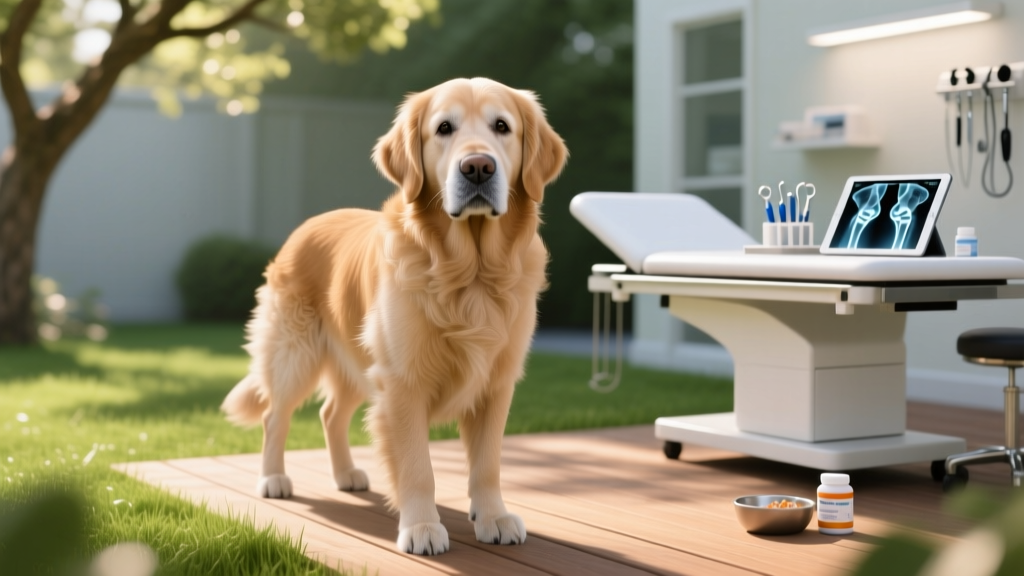
What Is Canine Arthritis?
Canine arthritis, also known as osteoarthritis (OA) or degenerative joint disease (DJD), is a chronic, progressive condition where the protective cartilage cushioning a dog's joints gradually breaks down. As cartilage erodes, bones rub together, causing inflammation, pain, stiffness, and reduced mobility. According to the Merck Veterinary Manual, osteoarthritis affects an estimated 20% of adult dogs and over 65% of dogs older than seven years. It is the single most common cause of chronic pain in companion dogs.
Arthritis can be primary (age-related wear and tear with no identifiable underlying cause) or secondary (triggered by an underlying condition such as hip dysplasia, elbow dysplasia, cranial cruciate ligament rupture, osteochondritis dissecans, or joint trauma). Because dogs instinctively mask pain, arthritis often progresses significantly before owners notice changes in behavior or mobility.
Recognizing the Symptoms of Arthritis in Dogs
Arthritis symptoms develop gradually and can be easy to miss in early stages. Dogs rarely vocalize chronic joint pain — instead, they compensate by altering movement patterns, avoiding certain activities, or sleeping more. The checklist below organizes symptoms by severity to help you identify where your dog may fall on the progression spectrum.
| Severity | Symptoms |
|---|---|
| Early Warning Signs |
|
| Moderate Progression |
|
| Advanced Symptoms |
|
- Sudden inability to bear weight on a limb (possible fracture or ligament rupture)
- Acute joint swelling with heat and fever (possible septic arthritis — a medical emergency)
- Complete refusal to eat or drink for 24+ hours alongside mobility decline
- Sudden paralysis or dragging of rear legs (possible spinal involvement)
- Signs of severe pain: trembling, panting, dilated pupils, restlessness
Emergency contacts: ASPCA Animal Poison Control: (888) 426-4435 (24/7, consultation fee applies) if accidental medication overdose is suspected.
Risk Factors: Which Dogs Are Most Vulnerable?
Key Risk Factors for Canine Osteoarthritis
| Age | Risk increases significantly after age 7. However, large and giant breeds can develop OA as early as 2–4 years due to developmental orthopedic disease. |
| Breed Predisposition | Labrador Retrievers, Golden Retrievers, German Shepherds, Rottweilers, Great Danes, Bernese Mountain Dogs, Newfoundlands, and Saint Bernards carry the highest genetic risk. Brachycephalic breeds like Bulldogs are also prone due to abnormal joint conformation. |
| Weight | Dogs with a body condition score (BCS) above 6/9 face exponentially higher joint stress. A 2024 study published in the Journal of Veterinary Internal Medicine found that overweight dogs developed OA an average of 2.3 years earlier than dogs maintained at ideal weight. |
| Genetics | Inherited conditions including hip dysplasia, elbow dysplasia, and osteochondritis dissecans (OCD) directly predispose joints to early degeneration. Dogs from lines without OFA (Orthopedic Foundation for Animals) health testing carry higher risk. |
| Previous Injury | Cranial cruciate ligament (CCL) tears, fractures involving joint surfaces, or luxating patellas lead to secondary OA in the affected joint, often within 1–3 years of the original injury. |
| Environment | Repeated high-impact activity on hard surfaces (concrete, asphalt), slippery flooring in the home, and lack of controlled exercise during puppy growth phases contribute to joint wear. |
How Veterinarians Diagnose Canine Arthritis
Diagnosis is never based on symptoms alone. Your veterinarian will use a combination of physical examination findings and diagnostic imaging to confirm arthritis, assess severity, and rule out other conditions such as bone cancer, tick-borne disease, or immune-mediated polyarthritis. Here is the typical diagnostic pathway:
- Orthopedic Examination ($65–$150): The vet manipulates each joint through its full range of motion, assessing for crepitus (a grinding sensation), joint effusion (fluid buildup), pain response, and reduced flexion/extension angles. They also evaluate muscle mass symmetry and gait.
- Radiographs / X-rays ($150–$400 for a standard 2-view joint series): The gold standard for confirming OA. X-rays reveal osteophytes (bone spurs), joint space narrowing, subchondral bone sclerosis, and joint capsule thickening. Sedation ($50–$120) is often required for proper positioning, especially for hip-extended views.
- Blood Work & Urinalysis ($120–$250): A complete blood count (CBC) and serum chemistry panel establish baseline organ function before starting long-term NSAID therapy. This is critical — NSAIDs are metabolized by the liver and kidneys, and pre-existing dysfunction changes drug selection entirely.
- Advanced Imaging (when indicated): CT scans ($800–$1,500) or MRI ($1,200–$2,500) may be recommended if the vet suspects an underlying condition like a partial cruciate tear, bone tumor, or spinal disease that plain radiographs cannot resolve.
- Joint Fluid Analysis ($200–$400): Arthrocentesis (joint tap) is performed when infectious or immune-mediated arthritis is suspected. The fluid is analyzed for cell count, protein levels, and bacterial culture.
Total initial diagnostic cost: Typically $335–$800 for a standard arthritis workup (exam, radiographs, blood work) at a general practice. Referral to a veterinary orthopedic specialist for complex cases may range from $500–$1,200 for the consultation and advanced diagnostics.
Canine Arthritis Drugs: Medical Treatment Options
There is no cure for osteoarthritis — the cartilage damage is irreversible. However, a multi-modal drug and therapy approach can significantly slow progression, manage pain, and preserve quality of life for years. The most effective treatment plans combine medications from different drug classes, each targeting a different aspect of the disease process.
| Drug Class | Common Medications | How It Works | Monthly Cost (50 lb dog) | Key Side Effects |
|---|---|---|---|---|
| NSAIDs | Carprofen (Rimadyl), Meloxicam (Metacam), Deracoxib (Deramaxx), Grapiprant (Galliprant), Robenacoxib (Onsior) | Block COX enzymes to reduce prostaglandin-driven inflammation and pain at the joint | $40–$120 | GI ulceration, vomiting, diarrhea, kidney/liver strain with long-term use. Requires periodic blood monitoring. |
| Anti-NGF Monoclonal Antibody | Librela (bedinvetmab) — monthly subcutaneous injection | Neutralizes nerve growth factor (NGF), a key pain-signaling molecule in arthritic joints. Does not metabolize through liver or kidneys. | $75–$150 per injection (weight-based) | Injection site reactions, rare hypersensitivity. Considered very safe for dogs with liver/kidney concerns. |
| Adequan (Polysulfated Glycosaminoglycan) | Adequan Canine — intramuscular injections | Inhibits cartilage-degrading enzymes, stimulates hyaluronic acid production, and provides building blocks for cartilage repair | $50–$90 (loading series: 8 injections over 4 weeks, then maintenance every 3–4 weeks) | Mild injection site soreness, rare increased bleeding tendency. Very well tolerated overall. |
| Gabapentin | Gabapentin (generic) | Modulates neuropathic pain signaling in the spinal cord. Useful as an adjunct for dogs with chronic pain sensitization. | $15–$40 | Sedation, ataxia (wobbliness), especially during first 1–2 weeks. Typically resolves with dose adjustment. |
| Amantadine | Amantadine (generic) | NMDA receptor antagonist that reduces central pain sensitization (wind-up phenomenon). Used as an adjunct, not standalone. | $20–$50 | GI upset, agitation in some dogs. Low side effect burden overall. |
| Joint Supplements | Glucosamine HCl, Chondroitin Sulfate, Omega-3 fatty acids (EPA/DHA), Green-lipped mussel extract, UC-II (undenatured type II collagen) | Provide cartilage substrates, reduce inflammatory mediators, and modulate immune response to joint collagen | $20–$60 | Rare — mild GI upset in some dogs. Fish oil may cause soft stools at high doses. |
| Corticosteroids | Prednisone, Dexamethasone (short-term or intra-articular injection) | Potent anti-inflammatory. Generally reserved for acute flare-ups or when NSAIDs are contraindicated. | $10–$30 | Increased thirst, urination, appetite. Long-term use causes immunosuppression, muscle wasting, Cushingoid changes. Never combined with NSAIDs. |
NSAID Safety: What Every Owner Must Know
Nonsteroidal anti-inflammatory drugs remain the first-line pharmaceutical treatment for canine OA pain. However, they carry real risks that require responsible management:
- Never combine two NSAIDs or give an NSAID alongside a corticosteroid — this dramatically increases the risk of fatal GI ulceration and perforation.
- Never give human NSAIDs (ibuprofen, naproxen, aspirin) to your dog. Ibuprofen is toxic to dogs at doses as low as 25 mg/kg and can cause kidney failure, stomach perforation, and death. If accidental ingestion occurs, contact ASPCA Animal Poison Control at (888) 426-4435 immediately.
- Baseline and periodic blood work (CBC, chemistry panel, urinalysis) should be performed before starting an NSAID and rechecked every 6–12 months during long-term therapy to monitor liver and kidney function.
- Grapiprant (Galliprant) is a newer NSAID-class drug that selectively blocks the EP4 prostaglandin receptor rather than broadly inhibiting COX enzymes. It may carry a lower risk of GI and renal side effects, making it a preferred choice for older dogs or those with mild organ compromise, per the FDA Center for Veterinary Medicine.
Librela: The Newest Canine Arthritis Drug
Approved by the FDA in 2023 and widely available through veterinary clinics by 2024, Librela (bedinvetmab) represents a significant advancement in canine OA pain management. It is a canine-specific monoclonal antibody administered as a monthly subcutaneous injection by your veterinarian. Unlike NSAIDs, Librela is not metabolized by the liver or kidneys — it is broken down into amino acids like the body's own antibodies. This makes it an excellent option for dogs with pre-existing organ disease, senior dogs on multiple medications, or dogs that have experienced NSAID side effects.
Clinical trials demonstrated that approximately 75–80% of dogs showed measurable improvement in mobility and pain scores within 2–3 months of starting monthly injections. It can be safely combined with NSAIDs, gabapentin, or joint supplements for a multi-modal approach.
Prognosis: What to Expect by Stage
| Stage | Radiographic Findings | Functional Impact | Expected Prognosis with Treatment |
|---|---|---|---|
| Mild (Stage 1) | Minimal osteophytes, slight joint capsule thickening, normal joint space | Occasional stiffness, full activity level maintained | Excellent. With weight management, supplements, and exercise modification, many dogs remain stable at this stage for 3–5+ years before needing daily medication. |
| Moderate (Stage 2) | Moderate osteophytes, mild joint space narrowing, subchondral sclerosis | Noticeable limp after exercise, difficulty with stairs, reduced stamina | Good. Daily NSAID or Librela, combined with adjunct therapies, typically maintains comfortable function for 2–4 years. Progression is slowed but not halted. |
| Severe (Stage 3) | Large osteophytes, significant joint space loss, bone remodeling, possible subluxation | Chronic pain, severely limited mobility, muscle atrophy, behavioral changes | Guarded but manageable. Multi-modal drug therapy (NSAID + gabapentin + amantadine or Librela + adjuncts) can provide 1–3 years of acceptable quality of life. Surgical options may be considered. |
| End-Stage (Stage 4) | Bone-on-bone contact, severe deformity, ankylosis (joint fusion) in some cases | Near-total immobility, inability to rise unassisted, constant pain | Poor for joint recovery. Focus shifts to quality-of-life assessment. Surgical salvage (total hip replacement, joint fusion) or humane euthanasia when pain cannot be controlled. |
Arthritis itself is not a terminal disease. Most dogs with OA die from unrelated causes (cancer, organ failure, cognitive decline) while their arthritis is being managed. Life expectancy depends far more on the dog's overall health, breed size, and comorbidities than on the arthritis diagnosis alone. A medium-sized dog diagnosed with mild OA at age 8 can reasonably be expected to live to 12–14 with proper management.
Home Care, Lifestyle Modifications, and Supportive Therapies
Medications are only one pillar of arthritis management. The home environment and daily routine have an outsized impact on your dog's comfort and disease progression.
Weight Management
This is the single most impactful intervention for arthritic dogs. Every pound of excess body weight places approximately 4 pounds of additional force on weight-bearing joints. A dog that drops from a BCS of 7/9 to 5/9 may reduce their need for NSAID medication or delay the need to start it. Work with your veterinarian to calculate a target weight and daily caloric intake — typically 10–20% fewer calories than the dog's current intake, achieved through measured feeding and reduced treat calories.
Exercise Modification
- Replace high-impact activities (fetch on hard surfaces, jumping, sprinting) with low-impact alternatives (leash walks on grass or dirt, swimming, underwater treadmill therapy).
- Shorter, more frequent walks are better than one long outing. Two 15-minute walks per day are preferable to a single 45-minute walk for most arthritic dogs.
- Warm-up before activity: Gentle range-of-motion exercises and 5 minutes of slow walking before increasing pace.
- Stop before your dog does: End walks while your dog is still willing to continue. Pushing past fatigue accelerates joint damage and next-day pain.
Home Environment Adjustments
- Non-slip rugs or yoga mats on hardwood and tile floors
- Orthopedic memory foam bed (minimum 4 inches thick for large breeds) with low entry height
- Ramps for vehicle entry and furniture access — look for models rated for your dog's weight with a non-slip surface and gradual incline (18–22 degree angle)
- Raised food and water bowls to reduce neck and shoulder strain
- Heating pads or self-warming beds in cold weather (supervised use only, with a cloth barrier to prevent burns)
Physical Rehabilitation
Certified canine rehabilitation therapists (CCRT or CCRP credentialed) offer therapies that maintain muscle mass and joint function:
- Underwater treadmill: $60–$120 per session. Buoyancy reduces joint load while water resistance builds muscle.
- Therapeutic laser (Class IV): $40–$80 per session. Reduces inflammation and promotes tissue healing at the cellular level.
- Acupuncture: $60–$100 per session. Evidence supports pain reduction in canine OA through endorphin release and neuromodulation.
- Massage and passive range-of-motion exercises: Can be learned from a rehab therapist and performed at home daily at no cost.
The Cost of Treating Canine Arthritis
Arthritis management is a lifelong financial commitment. Costs vary significantly based on your dog's size (drug dosages are weight-based), the severity of the disease, your geographic region, and whether you pursue specialist care or rehabilitation.
| Expense Category | Low Estimate (Annual) | Moderate Estimate (Annual) | High Estimate (Annual) |
|---|---|---|---|
| Diagnostic workup (initial) | $335 | $550 | $1,200+ |
| NSAID medication | $480 | $840 | $1,440 |
| Librela injections | $900 | $1,200 | $1,800 |
| Joint supplements | $240 | $480 | $720 |
| Monitoring blood work (2x/year) | $240 | $350 | $500 |
| Rehabilitation therapy | $0 | $1,200 | $3,600 |
| Surgical intervention (if needed) | $1,500 (arthroscopy) | $3,500–$5,500 (TPLO/cruciate) | $5,000–$8,000 (total hip replacement) |
| Annual Total (non-surgical) | $1,295 | $3,420 | $7,460 |
Pet insurance can significantly offset these costs if enrolled before the arthritis diagnosis. Most major insurers (Trupanion, Healthy Paws, Nationwide) cover arthritis treatment as a non-pre-existing condition, typically reimbursing 70–90% of costs after the deductible. However, if your dog has shown any signs of joint issues before enrollment, the insurer may classify OA as a pre-existing exclusion.
Prevention Strategies: Reducing Arthritis Risk
While age-related cartilage degeneration cannot be entirely prevented, several strategies can delay onset and reduce severity:
- Maintain lean body condition from puppyhood. Dogs kept at a BCS of 4–5/9 throughout life develop OA later and with less severity. The AKC Canine Health Foundation has funded multiple studies confirming the link between lifelong weight management and delayed OA onset.
- Select puppies from breeders who perform OFA or PennHIP orthopedic screening on breeding stock. Hip and elbow scores should be publicly available on the OFA database (ofa.org).
- Avoid forced exercise in growing puppies. The general guideline is 5 minutes of structured exercise per month of age, twice daily, until growth plates close (12–18 months for large breeds, 18–24 months for giant breeds).
- Start joint supplements early for predisposed breeds — beginning at 1–2 years of age rather than waiting for symptoms to appear. Omega-3 fatty acids (specifically EPA at 30–40 mg/kg/day) have the strongest evidence for preventive joint support.
- Provide orthopedic bedding and non-slip flooring from the start, especially for large breeds living on hard-surface floors.
- Pursue early surgical correction of developmental conditions like hip dysplasia (juvenile pubic symphysiodesis, triple pelvic osteotomy) or elbow dysplasia (arthroscopic fragment removal) before secondary OA becomes established.
Frequently Asked Questions
What is the best canine arthritis drug for long-term use?
There is no single "best" drug — the optimal choice depends on your dog's age, organ function, and other medications. For most dogs, a veterinary-prescribed NSAID like carprofen or grapiprant is the first-line option. For dogs with kidney or liver concerns, Librela (the anti-NGF monoclonal antibody injection) is often preferred because it bypasses hepatic and renal metabolism. Your veterinarian will determine the safest option based on blood work results and your dog's individual health profile.
Can canine arthritis be cured?
No. Osteoarthritis is a progressive, irreversible disease. Cartilage does not regenerate once destroyed. However, the condition is highly manageable. With the right combination of canine arthritis drugs, weight control, exercise modification, and supportive therapies, most dogs maintain a good quality of life for years after diagnosis.
How much does arthritis treatment cost per month?
For a 50 lb (23 kg) dog, expect to spend approximately $80–$350 per month depending on the drug combination. A basic plan of generic carprofen plus a joint supplement runs $60–$100/month. A multi-modal plan including Librela, gabapentin, and omega-3 supplements typically costs $200–$350/month. Rehabilitation therapy adds $240–$480/month if pursued weekly.
What is the life expectancy of a dog with arthritis?
Arthritis itself does not significantly shorten a dog's lifespan. Most dogs live for many years after diagnosis with appropriate pain management. A dog diagnosed with mild-to-moderate OA at age 7–9 can typically expect to live a normal lifespan for their breed. The condition becomes a quality-of-life concern rather than a life-limiting one, and decisions about end-of-life care are based on whether pain can be adequately controlled.
Are there natural alternatives to prescription arthritis drugs?
Joint supplements (glucosamine, chondroitin, omega-3 fatty acids, green-lipped mussel, UC-II collagen) can provide mild-to-moderate support and are often used alongside prescription medications. However, for dogs with moderate-to-severe pain, supplements alone are rarely sufficient. CBD oil has shown some preliminary evidence for pain reduction in canine OA (a 2018 Cornell University study found improved comfort at 2 mg/kg twice daily), but it should not replace veterinary-prescribed medications without professional guidance. Turmeric/curcumin has anti-inflammatory properties but has poor bioavailability in dogs and limited clinical evidence.
Which breeds are most prone to arthritis?
Large and giant breeds carry the highest risk: Labrador Retrievers, Golden Retrievers, German Shepherds, Rottweilers, Great Danes, Bernese Mountain Dogs, Newfoundlands, and Saint Bernards. However, any breed can develop arthritis — smaller breeds like Dachshunds (due to IVDD-related mobility changes), Bulldogs (abnormal joint conformation), and Cocker Spaniels (patellar luxation) are also commonly affected. Mixed-breed dogs are not immune, especially if they carry genetics from predisposed breeds or are overweight.
Can I give my dog human ibuprofen or aspirin for arthritis pain?
No. Human NSAIDs are extremely dangerous for dogs. Ibuprofen (Advil, Motrin) causes kidney failure and gastric ulceration in dogs at relatively low doses. Naproxen (Aleve) is even more toxic. Aspirin has a very narrow safety margin in dogs and can cause life-threatening GI bleeding. If your dog accidentally ingests any human pain medication, call ASPCA Animal Poison Control at (888) 426-4435 or your emergency vet immediately. Only use medications specifically prescribed or approved by your veterinarian for canine use.
Aaron Whyte
All our authors care for dogs every day — read more of their work on the authors page.


