Can I Give My Dog Benadryl for Allergies? Safety & Dosage
Can I give my dog Benadryl for allergies? Learn safe dosages by weight, side effects, formulation dangers like xylitol.

⚠️ Veterinary Disclaimer: Always consult your veterinarian before giving any medication to your dog — including over-the-counter products like Benadryl. The information below is for educational purposes and does not replace professional veterinary advice. Your vet will determine whether diphenhydramine is appropriate for your dog's specific health profile, weight, and any concurrent medications.
Spring pollen, dust mites, flea bites, bee stings — when your dog is scratching relentlessly or swelling up after an insect encounter, reaching for the medicine cabinet feels instinctive. Benadryl has been a household staple for decades, and many dog owners wonder whether it's safe to share with their pets. The short answer: yes, diphenhydramine (the active ingredient in Benadryl) is widely used in veterinary medicine — but safe use requires precise dosing, careful product selection, and awareness of when this medication is genuinely helpful versus when your dog needs professional care.
This guide covers everything you need to know before giving Benadryl to your dog, drawn from veterinary pharmacology references and clinical guidelines.
Can I Give My Dog Benadryl for Allergies?
Yes — with important caveats. Diphenhydramine hydrochloride (the active ingredient branded as Benadryl) is an antihistamine that veterinarians frequently recommend or prescribe for dogs. It's classified as an H1-receptor antagonist, meaning it blocks histamine from binding to H1 receptors throughout the body. Histamine is the chemical your dog's immune system releases during allergic reactions, causing itching, swelling, hives, and inflammation.
However, "Benadryl" as a brand name can be misleading. Some products sold under the Benadryl label contain different active ingredients — such as cetirizine (Benadryl Allergy Plus Congestion) or acrivastine — and some formulations include inactive ingredients that are outright toxic to dogs. Before administering anything, you must verify that the only active ingredient is diphenhydramine HCl and that no dangerous inactive ingredients are present.
According to the Merck Veterinary Manual, diphenhydramine has a long history of safe use in dogs when dosed correctly, though its efficacy for chronic allergic skin disease (atopic dermatitis) is considered modest compared to newer targeted therapies.
What Is Benadryl Used for in Dogs?
Diphenhydramine serves several purposes in canine medicine. Some uses are well-supported by veterinary consensus; others are considered off-label but are commonly practiced.
Commonly Accepted Uses
- Acute allergic reactions — insect stings, bee bites, vaccine reactions, hives (urticaria), facial swelling
- Mild environmental allergies — seasonal pollen, dust, mold (short-term relief)
- Motion sickness — diphenhydramine has antiemetic properties that help some dogs during car travel
- Mild sedation — the drowsiness side effect is sometimes leveraged for anxiety-inducing events (grooming, thunderstorms, fireworks)
- Mast cell tumor support — H1 blockers are used alongside H2 blockers as part of mast cell tumor management protocols to counteract histamine release
Off-Label or Limited-Evidence Uses
- Chronic atopic dermatitis — while some dogs respond, studies suggest first-generation antihistamines like diphenhydramine have variable and often limited efficacy for long-term itch control; newer options like oclacitinib (Apoquel) or lokivetmab (Cytopoint) are generally more effective
- Sleep aid — not a recommended long-term solution; sedative effects diminish with repeated use
What Benadryl does NOT treat: Bacterial skin infections, flea allergy dermatitis (you need flea control), food allergies (requires elimination diet), pain, or fever. Giving Benadryl for these conditions delays proper treatment.
How Much Benadryl Can I Give My Dog?
The standard veterinary dosage for diphenhydramine in dogs is 1 mg per pound of body weight (approximately 2 mg per kg), given every 8 to 12 hours. This means a 25-pound dog would receive one 25 mg tablet — which happens to be the standard adult Benadryl tablet size. A 50-pound dog would receive 50 mg (two tablets).
| Dog Weight | Dose (1 mg/lb) | Tablet Equivalent (25 mg tabs) | Frequency |
|---|---|---|---|
| 5 lb / 2.3 kg | 5 mg | ¼ tablet (use children's liquid for accuracy) | Every 8–12 hrs |
| 10 lb / 4.5 kg | 10 mg | ½ tablet or 2 mL children's liquid (12.5 mg/5 mL) | Every 8–12 hrs |
| 25 lb / 11.3 kg | 25 mg | 1 tablet | Every 8–12 hrs |
| 50 lb / 22.7 kg | 50 mg | 2 tablets | Every 8–12 hrs |
| 75 lb / 34 kg | 75 mg | 3 tablets | Every 8–12 hrs |
| 100 lb / 45.4 kg | 100 mg | 4 tablets | Every 8–12 hrs |
Calculation example: Your mixed-breed dog weighs 38 pounds. At 1 mg/lb, the dose is 38 mg. Since standard tablets are 25 mg, you'd give 1.5 tablets (37.5 mg) — which is close enough. Alternatively, you could use children's diphenhydramine liquid (12.5 mg per 5 mL): 38 mg ÷ 12.5 mg × 5 mL = 15.2 mL.
Maximum daily dose: Do not exceed 3 doses in 24 hours without explicit veterinary direction. The maximum single dose should generally not exceed 100 mg regardless of dog size unless your veterinarian prescribes otherwise.
For small dogs under 10 pounds: Use children's liquid diphenhydramine (12.5 mg per 5 mL concentration) for accurate dosing. Attempting to quarter a 25 mg tablet for a 6-pound dog is imprecise and risks overdosing. Always verify the liquid formulation does NOT contain xylitol (see formulation warnings below).
Critical Formulation Warnings: What to Avoid
🚨 Xylitol (Birch Sugar) Alert: Some liquid Benadryl formulations, "melt-in-mouth" tablets, and generic diphenhydramine products contain xylitol (sometimes listed as "birch sugar" on newer labels following FDA guidance). Xylitol is extremely toxic to dogs — even small amounts can cause rapid insulin release leading to hypoglycemia, seizures, and acute liver failure. Always read the inactive ingredients list before purchasing. If your dog ingests a xylitol-containing product, contact the ASPCA Animal Poison Control Center at (888) 426-4435 immediately (24/7, consultation fee applies).
Products to avoid entirely:
- Benadryl-D or any product containing pseudoephedrine or phenylephrine (decongestants that are dangerous to dogs)
- Benadryl Allergy Plus Congestion — contains additional active ingredients not appropriate for dogs
- "PM" formulations — some nighttime versions contain additional sedatives
- Topical Benadryl creams/sprays — dogs may lick these off, leading to ingestion of concentrated doses plus potentially toxic inactive ingredients
- Alcohol-containing liquid formulations — some generic liquids contain alcohol; choose alcohol-free versions
- Sodium content in some tablets — certain formulations contain significant sodium, which matters for dogs with heart or kidney disease
Safe formulation choices: Standard 25 mg diphenhydramine HCl tablets (plain Benadryl, or store-brand equivalent with only diphenhydramine HCl as the active ingredient), or children's liquid diphenhydramine (12.5 mg/5 mL) that is confirmed xylitol-free and alcohol-free.
Side Effects: What to Expect and When to Worry
Diphenhydramine is a first-generation antihistamine, meaning it crosses the blood-brain barrier more readily than newer antihistamines. This produces the well-known sedation effect, along with other side effects.
| Side Effect | Frequency | Severity | Action |
|---|---|---|---|
| Drowsiness / sedation | Very common (>50%) | Mild | Expected; keep dog in safe, quiet area |
| Dry mouth | Common | Mild | Ensure fresh water available |
| Urinary retention | Occasional | Mild–Moderate | Monitor urination; contact vet if no urination for 12+ hrs |
| Decreased appetite | Occasional | Mild | Usually resolves; offer food after sedation wears off |
| Paradoxical excitation | Uncommon (~5%) | Moderate | Some dogs become hyperactive instead of drowsy; discontinue and consult vet |
| Vomiting | Uncommon | Mild | Give with food; contact vet if persistent |
| Diarrhea | Uncommon | Mild | Usually self-limiting; monitor hydration |
| Rapid heart rate (tachycardia) | Rare | Serious | Contact veterinarian immediately |
| Seizures | Rare (usually overdose) | Serious | Emergency — contact vet or ER clinic immediately |
| Difficulty breathing | Rare | Serious | Emergency — may indicate worsening allergic reaction |
Drug Interactions and Contraindications: When Benadryl Is Dangerous
Diphenhydramine interacts with several medications commonly prescribed to dogs. Always inform your veterinarian of every medication, supplement, and flea/tick preventive your dog is currently receiving.
Known Drug Interactions
- Other sedatives or tranquilizers — acepromazine, trazodone, gabapentin, benzodiazepines: additive sedation that can become dangerous
- MAO inhibitors — selegiline (Anipryl), used for canine cognitive dysfunction: can cause severe reactions; avoid combination
- Tricyclic antidepressants — amitriptyline, clomipramine: additive anticholinergic effects (dry mouth, urinary retention, tachycardia)
- Other antihistamines — do not combine with cetirizine, loratadine, or chlorpheniramine without vet direction
- Metoclopramide — diphenhydramine can counteract the GI-motility effects of this anti-nausea medication
- Epinephrine — in emergency anaphylaxis treatment, diphenhydramine can potentiate certain cardiovascular effects
Contraindications — do NOT give diphenhydramine to dogs with:
- Glaucoma — anticholinergic effects increase intraocular pressure
- Prostatic disease — urinary retention worsens in dogs with enlarged prostates
- Cardiovascular disease — particularly hypertension or arrhythmias; tachycardia risk
- Hyperthyroidism — can exacerbate symptoms
- Seizure disorders — diphenhydramine can lower the seizure threshold in some dogs
- Urinary obstruction or bladder neck issues — anticholinergic effects compound retention
- Pregnancy or nursing — safety not fully established; use only under direct veterinary guidance
Brachycephalic breeds (English Bulldogs, French Bulldogs, Pugs, Boston Terriers) deserve extra caution. Their already-compromised airways can be further affected by the sedative and drying effects of antihistamines. Consult your vet before using diphenhydramine in any brachycephalic dog.
How Long Does It Take for Benadryl to Work in Dogs?
Oral diphenhydramine typically begins working within 30 to 60 minutes in dogs, with peak effects reached at approximately 1 to 3 hours after administration. The therapeutic effect generally lasts 6 to 8 hours, though some dogs metabolize it faster, which is why the dosing interval is 8 to 12 hours.
For acute allergic reactions (bee stings, vaccine reactions), giving the medication as soon as symptoms appear is important — but if facial swelling is progressing rapidly or your dog is having any difficulty breathing, skip the Benadryl and head to the nearest emergency veterinary clinic. Anaphylaxis requires injectable epinephrine and IV support that oral antihistamines cannot provide.
For motion sickness, administer the dose 30 to 60 minutes before travel to allow absorption and onset before the car ride begins.
Overdose Symptoms and Emergency Response
🚨 Overdose Red Flags — Seek Emergency Care Immediately
- Extreme sedation — dog cannot stand or respond to name
- Agitation, tremors, or seizures (paradoxical CNS excitation at high doses)
- Rapid or irregular heartbeat
- Dilated pupils that don't respond to light
- Fever (hyperthermia from anticholinergic toxicity)
- Vomiting or diarrhea that won't stop
- Respiratory depression — slow, shallow, or labored breathing
- Collapse or loss of consciousness
If you suspect an overdose:
- Call your veterinarian or the nearest emergency veterinary clinic immediately.
- Contact the ASPCA Animal Poison Control Center at (888) 426-4435 (24/7, consultation fee applies) or the Pet Poison Helpline at (855) 764-7661.
- Do NOT attempt to induce vomiting unless specifically instructed by a veterinary professional.
- Bring the medication packaging with you to the clinic so the vet can verify exact formulation and estimate ingested dose.
The toxic dose of diphenhydramine in dogs is not precisely defined in publicly available literature, but clinical signs of toxicity have been reported at doses exceeding 5 mg per pound (approximately 11 mg/kg) — roughly five times the therapeutic dose. However, individual sensitivity varies widely. Small-breed dogs and dogs with underlying health conditions may show toxicity signs at lower multiples. This is why precise dosing and veterinary guidance are non-negotiable.
When to Skip OTC Benadryl and Go Straight to the Vet
Not every itchy, sneezy, or swollen dog should be treated at home. The following situations require professional evaluation — not a trip to the medicine cabinet:
- Facial swelling that is rapidly progressing or involves the throat/neck area — this is a potential airway emergency
- Difficulty breathing, wheezing, or collapse — signs of anaphylaxis, which is fatal without injectable treatment
- Chronic itching lasting more than a few days — may indicate skin infection (bacterial or yeast), mange, food allergy, or atopic dermatitis requiring diagnostic workup
- Hot spots, open sores, or hair loss — these suggest secondary infection requiring antibiotics or antifungals
- Ear infections — Benadryl will not treat an ear infection; your dog needs an otoscopic exam and likely prescription ear drops
- Flea allergy dermatitis — requires prescription-strength flea control (e.g., Bravecto, NexGard, Simparica Trio) and possibly steroids for acute inflammation
- Any dog under 5 pounds, pregnant, nursing, elderly, or with known organ disease — these dogs have narrower safety margins and need individualized dosing from a vet
For chronic allergies specifically, modern veterinary dermatology offers significantly more effective options than diphenhydramine. According to the American Kennel Club's veterinary resources, treatments like oclacitinib (Apoquel), lokivetmab (Cytopoint injections), allergen-specific immunotherapy (allergy shots), and prescription hydrolyzed-protein diets address the underlying mechanisms of canine allergic disease far more effectively than first-generation antihistamines.
Are There Alternatives to Benadryl for Dogs?
Yes — and depending on the condition, alternatives may be more appropriate, more effective, or carry fewer side effects.
| Alternative | Type | Best For | Notes |
|---|---|---|---|
| Cetirizine (Zyrtec) | OTC antihistamine (H1, 2nd gen) | Mild allergies; less sedating | Dosed at 1 mg/kg once daily; verify no pseudoephedrine in formulation |
| Loratadine (Claritin) | OTC antihistamine (H1, 2nd gen) | Mild allergies; minimal sedation | Less veterinary data than cetirizine; avoid Claritin-D (pseudoephedrine) |
| Oclacitinib (Apoquel) | Prescription (JAK inhibitor) | Chronic atopic dermatitis, acute itch | Highly effective; starts working in 4 hrs; requires vet prescription; ~$50–$90/month |
| Lokivetmab (Cytopoint) | Prescription injection (monoclonal antibody) | Chronic atopic dermatitis | Single injection lasts 4–8 weeks; administered at vet clinic; ~$65–$150 per injection |
| Hydrocortisone sprays/shampoos | OTC topical | Localized hot spots or mild itch | Avoid if dog will lick area; short-term use only |
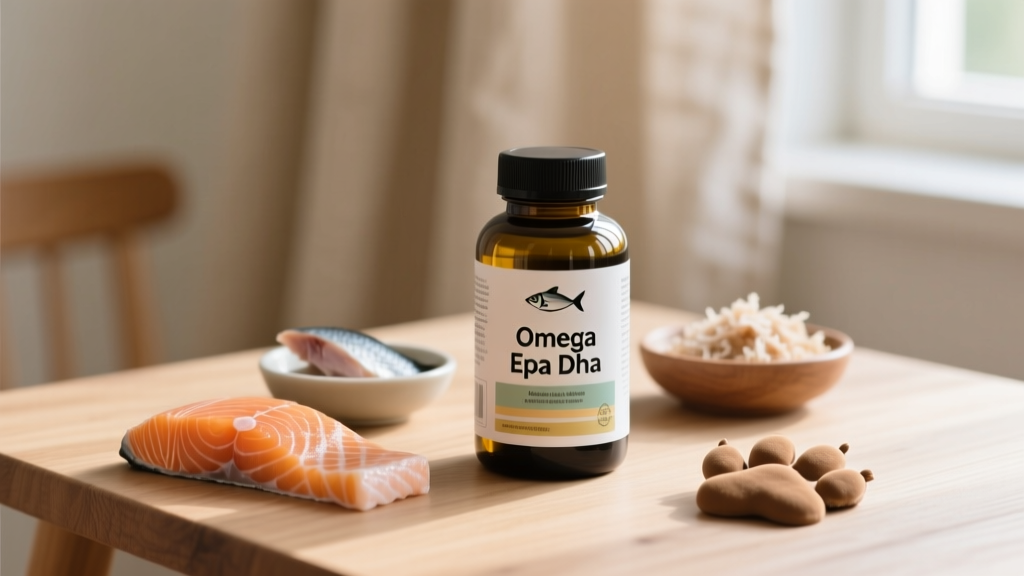
| Omega-3 fatty acid supplements | OTC supplement | Skin barrier support, mild anti-inflammatory | Adjunct therapy; takes 4–8 weeks to show benefit; choose veterinary-formulated fish oil |
| Allergen-specific immunotherapy | Prescription (allergy shots or sublingual drops) | Long-term management of environmental allergies | Requires allergy testing first; 60–70% response rate; 6–12 months to see full effect; $800–$1,500+ for testing and initial serum |
Frequently Asked Questions
Can I give my dog children's Benadryl?
Yes — children's liquid diphenhydramine (12.5 mg per 5 mL) is often the best option for small dogs because it allows precise dosing. However, you must read the inactive ingredients label to confirm it does not contain xylitol (birch sugar) or alcohol. If the label lists xylitol, do not use it.
Can I give my dog Benadryl every day?
Short-term daily use (a few days during peak allergy season or while traveling) is generally safe at the recommended dose. However, long-term daily use for chronic allergies is not recommended without veterinary supervision. Tolerance to the sedative effect develops quickly, and chronic allergic skin disease warrants a proper diagnostic workup and more targeted treatment.
Will Benadryl make my dog sleepy?
Very likely — sedation is the most common side effect, affecting more than half of dogs. The drowsiness typically lasts 4 to 8 hours. Some dogs experience paradoxical excitation instead (becoming hyperactive or agitated). If this happens, discontinue use and talk to your vet about alternatives.
My dog ate a whole box of Benadryl — what do I do?
Contact your veterinarian or an emergency veterinary clinic immediately. Also call the ASPCA Animal Poison Control at (888) 426-4435. Have the packaging available so you can report the exact milligram strength and approximate number of tablets ingested. Do not induce vomiting unless instructed to do so by a professional.
Can puppies take Benadryl?
Diphenhydramine can be used in puppies, but the safety margin is narrower in young, small dogs. Never dose a puppy without first consulting your veterinarian, who will calculate a weight-appropriate dose and rule out conditions that make antihistamines risky.
Is generic diphenhydramine the same as brand-name Benadryl?
The active ingredient (diphenhydramine HCl) is identical in generic and brand-name versions, and generics are significantly cheaper. The critical step is checking the inactive ingredients in any generic product for xylitol, alcohol, or other problematic additives. Store-brand equivalents from major pharmacy chains are generally reliable, but always verify the label.
Can I use Benadryl cream on my dog's itchy skin?
Topical diphenhydramine products are not recommended for dogs. Dogs tend to lick topical applications, leading to oral ingestion of unpredictable amounts. Additionally, some topical formulations contain ingredients like zinc oxide or lidocaine that can be harmful if ingested. Stick to oral dosing under veterinary guidance, and ask your vet about hydrocortisone sprays or medicated shampoos for localized skin relief.
For comprehensive medication safety information, the American Veterinary Medical Association (AVMA) provides guidelines on administering medications to pets. When in doubt about any over-the-counter medication, a quick call to your veterinarian's office — most clinics will advise on OTC safety over the phone at no charge — can prevent serious complications and ensure your dog gets the right treatment for their specific situation.
Tom Renshaw
All our authors care for dogs every day — read more of their work on the authors page.