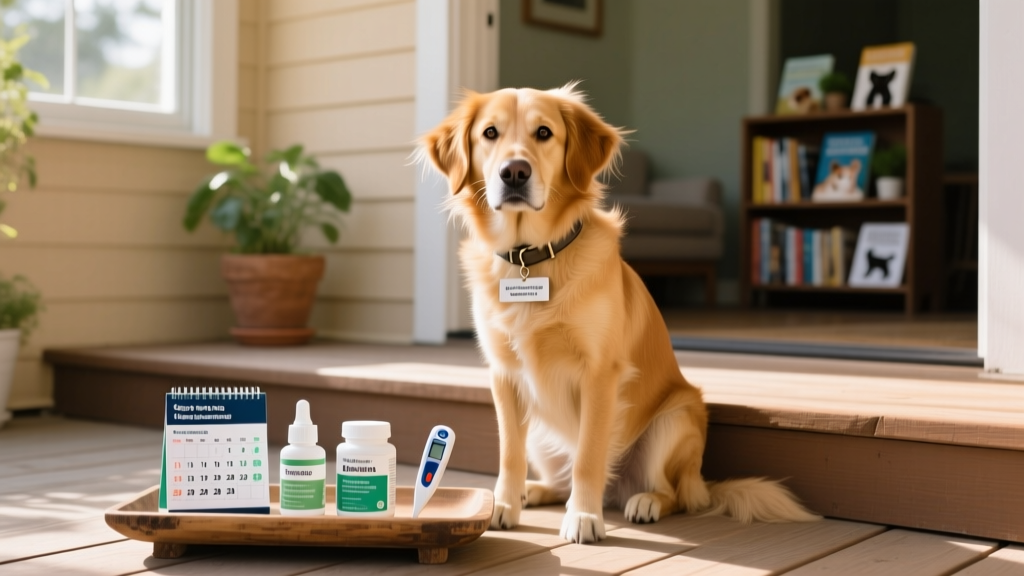
Can Dogs Have Tylenol or Ibuprofen? What Every Owner Must Know
Can dogs have Tylenol or ibuprofen? The short answer is NO.

⛔ SAFETY VERDICT: NO — Never Give Tylenol or Ibuprofen to Dogs
Can dogs have Tylenol or ibuprofen? No. Both acetaminophen (Tylenol) and ibuprofen (Advil, Motrin) are toxic to dogs at human doses. There is no safe over-the-counter serving size for these medications. Even a single tablet can cause life-threatening organ damage in small dogs. If your dog has ingested either medication, call the ASPCA Animal Poison Control Center at (888) 426-4435 or your emergency veterinarian immediately.
This is one of the most urgent questions I encounter from dog owners, usually after a pill drops on the floor or a well-meaning family member decides to "help" a limping dog. The answer requires no nuance: neither Tylenol (acetaminophen) nor ibuprofen should ever be given to a dog without explicit veterinary instruction. This article explains exactly why these drugs are dangerous, what happens inside your dog's body, and what safe alternatives your veterinarian can offer.
Why Tylenol and Ibuprofen Are Dangerous for Dogs
Dogs metabolize medications very differently than humans. Their liver enzymes, kidney filtration rates, and gastrointestinal physiology make them extraordinarily sensitive to nonsteroidal anti-inflammatory drugs (NSAIDs) and acetaminophen.
Ibuprofen (Advil, Motrin, Nuprin)
Ibuprofen is an NSAID that blocks cyclooxygenase (COX) enzymes, reducing prostaglandin production. In humans, this relieves pain and inflammation. In dogs, ibuprofen has a very narrow margin of safety. According to the Merck Veterinary Manual, toxic effects can begin at doses as low as 25 mg/kg (gastrointestinal ulceration) and escalate to acute kidney failure at 175 mg/kg. For context, a single 200 mg ibuprofen tablet given to a 15-pound (6.8 kg) dog delivers approximately 29 mg/kg — already approaching the GI toxicity threshold.
At higher doses, ibuprofen causes:
- Gastric and intestinal ulceration and perforation
- Acute renal (kidney) failure due to reduced blood flow to the kidneys
- Central nervous system signs including seizures, ataxia, and coma
Acetaminophen (Tylenol)
Acetaminophen toxicity in dogs manifests primarily through liver damage and a condition called methemoglobinemia — where red blood cells lose their ability to carry oxygen effectively. Dogs lack sufficient levels of the glucuronidation pathway enzymes that safely metabolize acetaminophen in humans. Toxic doses are estimated at 75-100 mg/kg for liver damage, though some sources suggest sensitivity can begin lower, particularly in small breeds.
A single 500 mg Tylenol tablet given to a 10-pound (4.5 kg) dog delivers roughly 111 mg/kg — well above the toxic threshold for hepatotoxicity.
Recognizing Toxicity: Symptoms and Timeline
Symptoms of ibuprofen or acetaminophen poisoning don't always appear immediately, which makes early intervention critical even if your dog seems fine.
| Symptom | Ibuprofen Toxicity | Acetaminophen Toxicity | Typical Onset |
|---|---|---|---|
| Vomiting (possibly with blood) | ✓ Common | ✓ Possible | 2-6 hours |
| Black, tarry stools (melena) | ✓ Common | ✗ Rare | 12-48 hours |
| Loss of appetite | ✓ Common | ✓ Common | 6-24 hours |
| Abdominal pain / hunched posture | ✓ Common | ✓ Possible | 2-12 hours |
| Increased thirst and urination | ✓ (kidney damage) | ✗ Rare | 24-72 hours |
| Decreased or no urination | ✓ (late-stage renal failure) | ✗ Rare | 48-96 hours |
| Brown or chocolate-colored gums | ✗ Rare | ✓ (methemoglobinemia) | 4-12 hours |
| Jaundice (yellow gums, eyes, skin) | ✗ Rare | ✓ (liver failure) | 24-48 hours |
| Lethargy, weakness, collapse | ✓ (moderate-severe) | ✓ (moderate-severe) | 6-24 hours |
| Seizures / coma | ✓ (high doses >400 mg/kg) | ✗ Rare | 12-24 hours |
⚠️ When to Call the Vet Immediately
Contact your veterinarian or an emergency animal hospital right away if your dog exhibits any of the following after possible ingestion:
- Vomiting blood or material that looks like coffee grounds
- Black, tarry, or bloody stools
- Brown or blue-tinged gums
- Inability to urinate or dramatic increase in water consumption
- Yellowing of the whites of the eyes or gums
- Seizures, severe lethargy, or collapse
Do not wait for symptoms to worsen. Early treatment dramatically improves prognosis and reduces cost.
What Happens at the Vet: Diagnosis and Treatment Costs
If your dog has ingested ibuprofen or acetaminophen, your veterinarian will take immediate steps to decontaminate and support organ function. Here is what you can expect during the visit and the associated costs based on 2026 veterinary pricing averages:
| Procedure | Purpose | Estimated Cost |
|---|---|---|
| Emergency exam and triage | Assess severity, stabilize patient | $75 – $150 |
| Induced vomiting (apomorphine) | Remove unabsorbed drug from stomach (effective within 1-2 hours of ingestion) | $50 – $100 |
| Activated charcoal administration | Bind remaining toxin in GI tract | $40 – $80 |
| IV fluid therapy | Maintain kidney perfusion, flush toxins | $200 – $500/day |
| Blood work (CBC, chemistry panel) | Monitor liver enzymes (ALT, AST), kidney values (BUN, creatinine) | $150 – $300 |
| GI protectants (misoprostol, sucralfate, famotidine) | Prevent/treat gastric ulceration | $30 – $80 |
| N-acetylcysteine (NAC) — for acetaminophen | Antidote that replenishes glutathione for liver detoxification | $100 – $250 |
| Methylene blue — for methemoglobinemia | Restore oxygen-carrying capacity of blood | $50 – $150 |
| Hospitalization (1-3 days typical) | Continuous monitoring and supportive care | $500 – $1,500/day |
Total estimated treatment cost: $1,200 – $5,000+ depending on severity, duration of hospitalization, and whether organ damage has occurred. This underscores why prevention — keeping medications secured — is vastly more cost-effective than emergency treatment.
Safe Pain Relief Alternatives Your Vet Can Prescribe
If your dog is in pain — whether from arthritis, an injury, or post-surgical recovery — there are FDA-approved, veterinary-specific medications designed for canine physiology. Never substitute human OTC painkillers; always consult your veterinarian for appropriate dosing.
Veterinary-Approved NSAIDs for Dogs
These medications are formulated specifically for dogs and have established safety profiles when used at veterinary-directed doses:
- Carprofen (Rimadyl, Novox) — commonly prescribed for osteoarthritis and post-operative pain; typical dose 2 mg/kg twice daily or 4 mg/kg once daily
- Meloxicam (Metacam) — used for inflammation and pain; loading dose of 0.2 mg/kg followed by 0.1 mg/kg daily maintenance
- Deracoxib (Deramaxx) — COX-2 selective inhibitor; 1-2 mg/kg daily for post-surgical pain, 0.45-0.91 mg/kg for osteoarthritis
- Firocoxib (Previcox) — another COX-2 selective option; 5 mg/kg once daily
- Grapiprant (Galliprant) — a newer non-COX NSAID targeting the EP4 receptor; 2 mg/kg once daily, often preferred for long-term arthritis management
Even these veterinary NSAIDs require baseline blood work before starting and periodic monitoring during long-term use. Your vet will determine which medication and dose is appropriate for your dog's weight, age, and health status.
Non-Pharmaceutical Pain Management
For chronic conditions like arthritis, multimodal pain management often produces the best outcomes:
- Omega-3 fatty acid supplements (fish oil, 75-100 mg EPA+DHA per kg body weight daily) — shown to reduce inflammatory mediators in joints
- Glucosamine/chondroitin combinations — joint support supplements such as Dasuquin or Cosequin
- Physical therapy and hydrotherapy — underwater treadmill sessions ($75-$150 per session) improve mobility without joint impact
- Weight management — maintaining an ideal body condition score (BCS 4-5/9) reduces joint loading significantly; even a 10% weight reduction can improve lameness scores
- Adequan (polysulfated glycosaminoglycan) — injectable joint protective, administered by your vet at $30-$60 per injection
- Librela (bedinvetmab) — a monthly monoclonal antibody injection targeting nerve growth factor (NGF) for canine osteoarthritis pain; typically $60-$120 per dose depending on dog size
How to Prevent Accidental Ingestion at Home
Most ibuprofen and acetaminophen poisonings in dogs occur because of accessible medication — a dropped pill, an unattended purse, or a well-intentioned but misinformed family member. According to ASPCA Animal Poison Control, human pain medications consistently rank among the top 10 most common pet poison exposures each year.
Practical prevention steps:
- Store all medications in closed cabinets — not on nightstands, counters, or in purses left on the floor. Dogs can chew through pill bottles and blister packs.
- Count your pills — if you drop a tablet, find it immediately. A 10-pound dog can swallow a pill in under two seconds.
- Educate household members and guests — children, houseguests, and elderly relatives may not know these drugs are toxic to dogs. Post a visible reminder near medication storage areas.
- Never "share" your medication — even if your dog seems to be in pain, the risk of fatal toxicity far outweighs any potential benefit from an unmeasured human dose.
- Keep the Poison Control number saved — program (888) 426-4435 (ASPCA) and your nearest emergency vet's number into your phone now, before you need it.
Frequently Asked Questions
Can dogs have Tylenol or ibuprofen in any amount?
No. There is no established safe over-the-counter dose of acetaminophen or ibuprofen for dogs. While veterinarians may occasionally use acetaminophen in highly specific, calculated doses under strict monitoring, this is never appropriate for owners to attempt at home. The margin between a therapeutic dose and a toxic dose is dangerously narrow, and individual sensitivity varies by breed, size, and underlying health conditions.
My dog ate one ibuprofen pill — will he be okay?
It depends on your dog's weight and the pill strength. A 70-pound Labrador that ingests a single 200 mg tablet receives approximately 6.3 mg/kg — below the typical GI toxicity threshold of 25 mg/kg but still warranting a call to your vet for guidance. That same 200 mg tablet in a 10-pound Chihuahua delivers roughly 44 mg/kg — firmly in the toxic range requiring immediate veterinary decontamination. Call your vet or ASPCA Poison Control at (888) 426-4435 with your dog's exact weight and the medication strength to get a risk assessment.
What about baby aspirin — is that safer?
Aspirin (acetylsalicylic acid) has historically been used in dogs at veterinary-directed doses, but it still carries significant GI and bleeding risks and is generally no longer a first-choice recommendation. It can also interfere with other NSAIDs if your vet needs to switch medications. Never give aspirin without veterinary guidance, and never combine it with any other pain medication.
Are topical pain creams with ibuprofen or diclofenac safe around dogs?
No. Topical NSAID creams (such as Voltaren/diclofenac gel) are extremely dangerous if a dog licks the application site on your skin or contacts residue on bedding. Even small amounts can cause GI ulceration and kidney damage. Apply topical medications in a separate room, wash hands thoroughly, and keep treated skin covered and away from your dog until fully absorbed.
What should I do if my dog is in pain right now and I can't get to a vet?
Restrict your dog's activity, provide a comfortable resting area, and apply a cold compress (wrapped in a towel) to acute injuries for 10-15 minutes. Do not administer any human medication. Call your vet's emergency after-hours line — most practices have one — or contact a telemedicine veterinary service for triage guidance until you can get an in-person appointment. Giving the wrong medication can turn a manageable problem into a life-threatening emergency.
How is carprofen different from ibuprofen if they're both NSAIDs?
Carprofen is preferentially COX-2 selective, meaning it targets the enzyme pathway associated with inflammation while sparing COX-1, which protects the stomach lining and supports kidney blood flow. Ibuprofen is a non-selective COX inhibitor that blocks both pathways, making it far more likely to cause gastric ulceration and renal damage in dogs. This pharmacological difference is why veterinary-specific NSAIDs exist and why human NSAIDs should never be substituted.
Robin Maitland
All our authors care for dogs every day — read more of their work on the authors page.