Can Dogs Have Tomatos? A Complete Safety and Serving Guide
Can dogs have tomatos safely? Learn which parts are safe, exact serving sizes by weight, preparation tips, and when to call the vet.
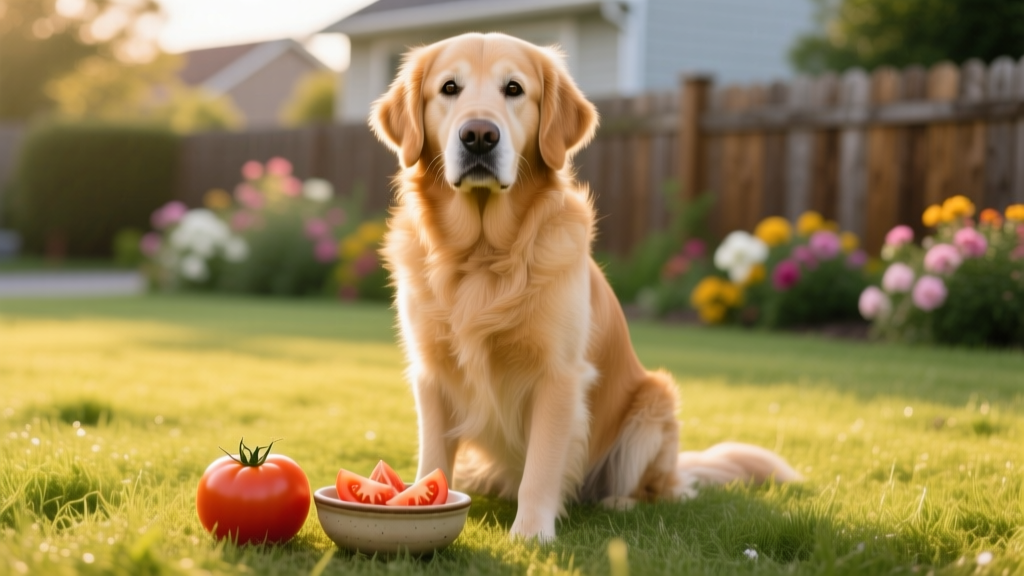
Ripe, red tomato flesh is safe for most dogs in small amounts. However, green tomatoes, stems, leaves, and vines contain tomatine and solanine — glycoalkaloid compounds that are toxic to dogs. Always remove all green parts and serve only the ripe fruit, plain and unseasoned.
If you've ever watched your dog eye a cherry tomato rolling across the kitchen floor, you've probably wondered: can dogs have tomatos at all? The short answer is yes — but only the ripe, red flesh, and only in carefully portioned amounts. Tomatoes sit in a gray area of canine food safety because the plant itself (a member of the Solanaceae or nightshade family) contains compounds that can genuinely harm your dog, while the ripe fruit is benign and even mildly nutritious.
This guide breaks down exactly what's safe, what's dangerous, and how to serve tomatoes without risking a veterinary emergency. As always, if your dog has underlying health conditions, consult your veterinarian before introducing any new food.
Why Ripe Tomatoes Are Safe but Green Parts Are Not
The tomato plant (Solanum lycopersicum) produces two glycoalkaloid toxins as a natural defense mechanism:
- Tomatine — concentrated in the stems, leaves, and unripe green fruit. Concentrations decrease dramatically as the tomato ripens to full red.
- Solanine — found primarily in green potatoes and green tomatoes. Levels in fully ripe red tomatoes are negligible.
According to the ASPCA's toxic plant database, the tomato plant is classified as toxic to dogs specifically because of these compounds in the green parts. A ripe, red tomato that has been completely separated from its stem and vine poses minimal tomatine risk.
Here's the critical distinction: a fully ripe, red tomato from your grocery store is safe. A half-green tomato from your garden vine — with leaves attached — is not.
How Much Tomato Can I Give My Dog?
Tomatoes are roughly 95% water and contain natural sugars and acids that can cause gastrointestinal upset if overfed. The following serving sizes assume ripe, red tomato flesh only — no skin if your dog has a sensitive stomach, and absolutely no seeds for small breeds (choking risk).
| Dog Weight | Safe Serving Size | Frequency | Example |
|---|---|---|---|
| Under 20 lb (9 kg) | 1 cherry tomato or 1 teaspoon diced | 2–3 times per week max | Half a cherry tomato for dogs under 10 lb |
| 20–50 lb (9–23 kg) | 2–3 cherry tomatoes or 1 tablespoon diced | 2–3 times per week max | About 1/8 of a medium tomato |
| 50–90 lb (23–41 kg) | 1 small whole tomato or 2 tablespoons diced | 2–3 times per week max | About 1/4 of a large tomato |
| Over 90 lb (41+ kg) | 1 medium tomato or 3 tablespoons diced | 2–3 times per week max | About 1/3 of a large tomato |
The 10% treat rule applies: any treats or human foods — tomatoes included — should not exceed 10% of your dog's total daily caloric intake. One medium tomato contains roughly 22 calories, which is a negligible addition for a large dog but meaningful for a Chihuahua eating 200 calories per day.
Nutritional Benefits of Tomatoes for Dogs
While tomatoes should never replace a balanced, AAFCO-complete diet, the ripe flesh does offer some nutritional value. Here's what one medium ripe tomato (approximately 123g) contains, per USDA FoodData Central:
| Nutrient | Amount per Medium Tomato | Benefit for Dogs |
|---|---|---|
| Vitamin C | 16.9 mg | Antioxidant support (dogs synthesize their own, so supplemental benefit is limited) |
| Vitamin A (as beta-carotene) | 1025 IU | Supports vision, immune function, and skin health |
| Vitamin K | 9.7 mcg | Blood clotting and bone metabolism |
| Potassium | 292 mg | Nerve function, muscle contraction, fluid balance |
| Fiber | 1.5 g | Digestive regularity |
| Lycopene | 3.1 mg | Antioxidant; may support cardiovascular health (more bioavailable when cooked) |
| Folate (B9) | 18.4 mcg | Cell division and DNA synthesis |
Important context: Dogs produce their own vitamin C in the liver, so the vitamin C in tomatoes isn't as critical for them as it is for humans. The lycopene content is arguably the most interesting component — research in veterinary oncology has explored lycopene's antioxidant properties, though evidence specific to canine cancer prevention remains preliminary.
How to Prepare Tomatoes for Your Dog
Proper preparation eliminates most of the risk associated with feeding tomatoes. Follow these steps every time:
- Select only fully ripe, red tomatoes. Discard any with green patches, firm spots, or unripe coloring. When in doubt, don't use it.
- Remove the stem, vine, and all leaves completely. These contain the highest concentrations of tomatine. Do not compost them where your dog can dig them up.
- Wash thoroughly under running water to remove pesticide residue. Organic tomatoes reduce but don't eliminate this concern.
- For small dogs (under 20 lb / 9 kg): Remove seeds and skin. Dice the flesh into pieces no larger than a pea to prevent choking.
- For medium to large dogs: Seeds are generally safe in small quantities but can be removed for dogs with sensitive digestion. Cut into bite-sized chunks.
- Serve plain — no salt, garlic, onion, olive oil, or seasoning. Garlic and onion are toxic to dogs (causing hemolytic anemia), and added sodium is unnecessary and potentially harmful.
Cooked vs. raw: Plain cooked tomatoes (steamed or boiled without seasoning) are actually slightly safer for dogs with sensitive stomachs because cooking breaks down cell walls, making lycopene more bioavailable and the tomato easier to digest. However, never feed your dog tomato sauce, soup, or pasta sauce — these almost always contain garlic, onion, excessive sodium, or sugar.
Risks, Side Effects, and When to Call the Vet
Most dogs tolerate small amounts of ripe tomato without issue. However, there are specific scenarios where tomatoes can cause problems:
Tomatine Poisoning (from green parts)
If your dog ingests tomato plant leaves, stems, or unripe green tomatoes — common in garden-raiding scenarios — watch for these symptoms, which typically appear within 1–4 hours:
- Gastrointestinal distress: vomiting, diarrhea, drooling
- Neurological signs: tremors, seizures, loss of coordination, dilated pupils
- Cardiac effects: abnormal heart rate
- Lethargy or behavioral changes
- Weakness or collapse
Tomatine poisoning is dose-dependent. A 50 lb dog nibbling a single green cherry tomato from the garden is unlikely to develop serious symptoms, but a small dog consuming a significant amount of foliage could require emergency veterinary care.
Gastrointestinal Upset (from overfeeding ripe tomatoes)
Even ripe tomatoes are acidic (pH 4.3–4.9) and contain fructose. Overfeeding can cause:
- Loose stools or diarrhea
- Vomiting
- Gas and abdominal discomfort
- Acid reflux symptoms (lip licking, gulping, restlessness)
Allergic Reactions
Though uncommon, some dogs may have an allergy or sensitivity to tomatoes. Signs include itching, hives, facial swelling, or ear inflammation. If you notice these after feeding tomato, discontinue immediately.
- Ingested any green tomato plant parts (leaves, stems, vines, unripe fruit)
- Is vomiting repeatedly (more than 2 episodes in 12 hours)
- Shows neurological signs: tremors, seizures, staggering, disorientation
- Has bloody diarrhea
- Is lethargic, collapsed, or unresponsive
- Has a distended or painful abdomen
ASPCA Animal Poison Control: (888) 426-4435 — available 24/7 (consultation fee applies).
Pet Poison Helpline: (855) 764-7661
Dogs Who Should NOT Eat Tomatoes
Even ripe tomato flesh isn't appropriate for every dog. Skip tomatoes entirely if your dog falls into any of these categories:
- Dogs with acid reflux or GERD: Tomatoes' natural acidity (pH 4.3–4.9) can worsen reflux symptoms. Breeds predisposed to reflux include brachycephalic breeds (English Bulldogs, Pugs, Boston Terriers) and deep-chested breeds prone to regurgitation.
- Dogs with kidney disease: Tomatoes contain potassium (292 mg per medium tomato). Dogs on potassium-restricted diets for chronic kidney disease (CKD) should avoid potassium-rich foods. Your veterinarian will advise on specific dietary potassium limits based on your dog's bloodwork.
- Dogs with known nightshade sensitivities: If your dog has reacted poorly to potatoes, eggplant, or peppers (all nightshades), tomatoes may trigger a similar response.
- Puppies under 12 weeks: Their digestive systems are still developing. Stick to a complete puppy diet and introduce novel foods only under veterinary guidance.
- Dogs on certain medications: The vitamin K content in tomatoes, while low, could theoretically interact with anticoagulant medications. Always check with your vet if your dog is on prescription drugs.
- Dogs with a history of calcium oxalate bladder stones: Tomatoes contain oxalates, which can contribute to stone formation in predisposed dogs. Breeds at higher risk include Miniature Schnauzers, Bichon Frises, and Shih Tzus.
Related Tomato Products and Foods to Avoid
This is where many well-meaning dog owners make mistakes. The following tomato-derived products are NOT safe for dogs:
| Product | Safe? | Why |
|---|---|---|
| Tomato sauce / pasta sauce | ❌ No | Almost always contains garlic, onion, salt, and sugar — all harmful to dogs |
| Ketchup | ❌ No | High sodium (160 mg per tablespoon), added sugar, and often onion/garlic powder |
| Salsa | ❌ No | Contains onion, garlic, jalapeños, excessive salt, and lime juice |
| Sun-dried tomatoes | ⚠️ Caution | Concentrated sugars and sodium; often packed in oil with garlic. A small piece of plain, unsalted sun-dried tomato is unlikely to cause harm, but it's not recommended |
| Tomato soup (canned) | ❌ No | Very high sodium (400–700 mg per serving), cream, onion, and seasonings |
| Fried green tomatoes | ❌ No | Green = tomatine present; fried = excess fat and breading with potential garlic/onion seasoning |
| Plain tomato juice (unsalted) | ⚠️ Caution | Technically safe in a teaspoon, but offers no nutritional advantage over the whole fruit and most commercial brands contain added sodium |
Also avoid these related nightshade-family foods that carry similar tomatine/solanine risks when unripe or improperly prepared:
- Green (unripe) potatoes — high solanine content; only fully cooked, ripe potatoes without skin are safe in small amounts
- Eggplant — safe when cooked plain, but the leaves and stems are toxic
- Bell peppers — ripe red/yellow/orange peppers are safe; green peppers and all stems/seeds should be avoided
How to Introduce Tomatoes Safely
If you've decided to offer your dog a taste of ripe tomato, follow this introduction protocol:
- Day 1: Offer a single, pea-sized piece of ripe, seedless tomato flesh. Watch for 24 hours for any signs of digestive upset, itching, or behavioral changes.
- Day 2–3: If no adverse reaction, offer the full weight-appropriate serving (see table above). Monitor stool consistency and energy levels for 48 hours.
- Week 1: Limit tomato to a single serving this week. This lets you isolate any delayed reactions.
- Ongoing: If tolerated well, you can offer tomatoes 2–3 times per week at the recommended serving size. Never increase portions beyond the guidelines — more is not better.
Pro tip: Keep a simple food journal (even just notes on your phone) when introducing new foods. Record the date, food, portion size, and any observations. This becomes invaluable if your dog develops food sensitivities later and your vet needs a dietary history.
Frequently Asked Questions
Can dogs eat cherry tomatoes?
Yes, ripe red cherry tomatoes are safe when prepared properly. Remove the stem entirely, wash well, and for small dogs, cut in half and remove seeds. One cherry tomato is an appropriate serving for a dog under 20 lb. Never let your dog eat cherry tomatoes straight off the vine — the stems and any unripe fruit in the cluster are toxic.
What happens if my dog eats a whole tomato plant?
Ingestion of tomato plant leaves, stems, and vines is a veterinary concern due to tomatine concentration. A large dog eating a few leaves may experience only mild GI upset, but a small dog consuming significant plant material could develop serious tomatine poisoning symptoms including tremors and cardiac effects. Contact your vet or the ASPCA Poison Control hotline at (888) 426-4435 immediately. Do not induce vomiting unless specifically instructed by a veterinary professional.
Are cooked tomatoes safer than raw for dogs?
Plain cooked tomatoes (steamed or boiled without any seasoning, oil, salt, garlic, or onion) are slightly easier to digest and make lycopene more bioavailable. However, "cooked" does not mean "tomato sauce" or any prepared tomato dish. The safety advantage is marginal — properly prepared raw ripe tomato is already quite safe.
Can puppies eat tomatoes?
Puppies under 12 weeks should not be given tomatoes or any non-prescribed human food. Their digestive systems are immature, and their nutritional needs are best met with a complete, AAFCO-approved puppy diet. For puppies 12 weeks and older, consult your veterinarian before introducing novel foods, and if approved, start with a tiny amount (half a pea-sized piece) and monitor closely.
My dog ate a green tomato from the garden — what should I do?
First, estimate how much was consumed relative to your dog's body weight. A 60 lb Labrador eating one green cherry tomato is very unlikely to develop tomatine poisoning. A 10 lb Yorkie eating several green tomatoes or a handful of leaves is at higher risk. Call your veterinarian for guidance and monitor for symptoms (vomiting, diarrhea, drooling, tremors, lethargy) over the next 4–6 hours. You can also contact the ASPCA Animal Poison Control at (888) 426-4435 for a professional risk assessment.
Is tomato good for dogs nutritionally?
Tomatoes offer modest nutritional benefits — vitamin A, potassium, fiber, and the antioxidant lycopene — but they are not a necessary part of a dog's diet. A complete and balanced commercial dog food already provides all essential nutrients. Think of tomatoes as an occasional, low-calorie treat rather than a nutritional supplement. The Merck Veterinary Manual emphasizes that treats and table scraps should not displace nutritionally complete meals.
Tomatoes can be a safe, low-calorie treat when you follow the rules: ripe red flesh only, no green parts ever, proper portion sizes, and no seasoning. When in doubt — especially if your dog has health conditions or is on medication — consult your veterinarian before adding any new food to their diet. And if your dog raids the garden and gets into the tomato vines, don't wait for symptoms. Call your vet or poison control right away.
Jonas Cole
All our authors care for dogs every day — read more of their work on the authors page.


