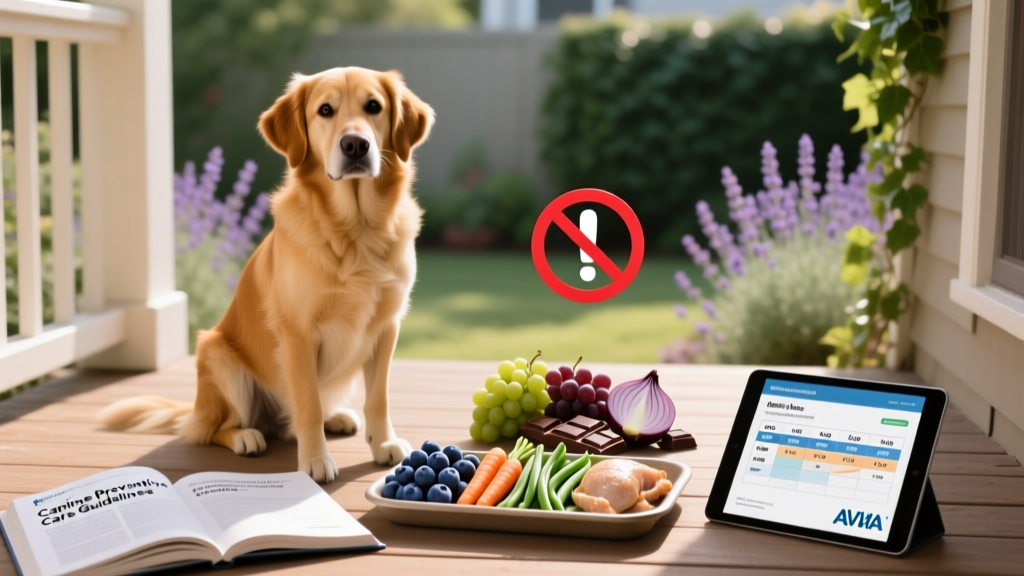
Can Dogs Have Pork Chops? Safe Feeding Guide for Dog Owners
Can dogs have pork chops safely? Learn exact serving sizes, preparation rules, nutritional benefits, and risks before sharing pork with your dog.

Dogs can eat plain, thoroughly cooked pork chop meat in small portions. The meat must be unseasoned, boneless, and trimmed of visible fat. Never feed raw pork, pork bones, or pork cooked with garlic, onion, or heavy seasoning. Pork chops are safe as an occasional treat — not a dietary staple.
Can Dogs Have Pork Chops? The Full Answer
If you've ever watched your dog stare longingly at a pork chop on your plate, you've probably wondered whether sharing is safe. The short answer is yes — cooked, unseasoned pork chop meat is not toxic to dogs and can serve as an occasional high-protein treat. However, the way pork chops are typically prepared for humans (salted, peppered, garlic-rubbed, bone-in, pan-fried in butter) makes them genuinely dangerous for dogs.
The muscle meat from a pork chop provides complete protein with all essential amino dogs need, along with B vitamins and minerals like selenium and zinc. The risks come not from pork itself but from common accompaniments: cooked bones that splinter, fat trimmings that trigger pancreatitis, and seasonings like garlic and onion powder that damage red blood cells.
According to the American Kennel Club, plain cooked pork is safe for dogs when fed responsibly. The key is understanding exactly what "plain" means and how much is appropriate for your dog's size.
How Much Pork Chop Can I Give My Dog?
Pork should never exceed 10% of your dog's daily caloric intake — this is the standard treat-to-meal ratio recommended by veterinary nutritionists. For pork chop meat specifically, here are precise serving guidelines based on body weight:
| Dog Weight Class | Weight Range | Max Serving (cooked, lean) | Frequency | Approx. Calories |
|---|---|---|---|---|
| Toy/Small | 5–15 lb (2–7 kg) | 1–2 tablespoons (shredded) | 1–2x per week | 25–50 kcal |
| Medium | 16–40 lb (7–18 kg) | 2–4 tablespoons (diced) | 1–2x per week | 50–100 kcal |
| Large | 41–80 lb (18–36 kg) | ¼–⅓ cup (diced) | 1–2x per week | 100–160 kcal |
| Giant | 81+ lb (36+ kg) | ⅓–½ cup (diced) | 1–2x per week | 160–240 kcal |
A standard boneless pork chop yields roughly 5–7 oz (140–200 g) of cooked lean meat at approximately 290 calories per 100 g serving. For a 30 lb (14 kg) dog eating roughly 700 kcal/day, the 10% treat cap is 70 kcal — translating to about 24 g of cooked lean pork, or roughly 3 tablespoons diced.
Is Pork Chop Meat Good for Dogs Nutritionally?
Cooked lean pork delivers a solid nutritional profile that complements a balanced commercial diet. Here's what a 100 g serving of cooked, trimmed pork loin (the cut most pork chops come from) provides, based on USDA FoodData Central values:
| Nutrient | Amount | Relevance to Dogs |
|---|---|---|
| Protein | 26 g | Complete amino acid profile for muscle maintenance |
| Fat (trimmed) | 8–12 g | Energy source; excess fat risks pancreatitis |
| Thiamine (B1) | 0.7 mg | Supports nerve function and carbohydrate metabolism |
| Niacin (B3) | 5.0 mg | Skin health, enzyme function, energy production |
| Vitamin B6 | 0.5 mg | Immune function, glucose regulation |
| Vitamin B12 | 0.7 µg | Red blood cell formation, neurological health |
| Selenium | 33 µg | Antioxidant, thyroid support |
| Zinc | 2.4 mg | Immune function, skin/coat health |
| Iron | 0.9 mg | Oxygen transport in blood |
| Phosphorus | 220 mg | Bone health (excess problematic for kidney-disease dogs) |
Pork is notably higher in thiamine (vitamin B1) than most other meats — roughly 5–10x more than beef or chicken. Thiamine supports neurological function and energy metabolism in dogs. However, pork's phosphorus content means it's not ideal for dogs with chronic kidney disease, where phosphorus restriction is standard veterinary practice.
The protein in pork is highly bioavailable for dogs, with a digestibility rate above 90% when cooked. This makes it a viable protein rotation option for dogs with chicken or beef sensitivities — though any novel protein should be introduced under veterinary guidance if your dog has a known food allergy history.
How Should I Prepare Pork Chops for My Dog?
Step-by-Step Safe Preparation
- Select lean cuts: Choose boneless center-cut pork loin chops. Avoid rib chops with heavy fat marbling or bone-in cuts.
- Trim all visible fat: Cut away the fat cap and any marbled sections before cooking. Fat content above 15–20% of the treat portion increases pancreatitis risk.
- Cook thoroughly to 145°F (63°C) minimum: The FDA recommends cooking pork to a safe internal temperature to kill parasites including Trichinella spiralis and bacteria like Salmonella. Use a meat thermometer to verify.
- Use plain cooking methods only: Bake, boil, or grill with no oil, butter, salt, pepper, garlic, onion, or marinades. A plain cast-iron skillet or baking sheet works best.
- Cool completely: Let the meat reach room temperature before serving to avoid mouth burns and slow digestion.
- Dice or shred into bite-sized pieces: For small dogs, pieces should be no larger than ½ inch. For large dogs, 1-inch cubes are appropriate.
- Store leftovers properly: Refrigerate cooked pork in an airtight container for up to 3 days. Discard any pork left at room temperature for more than 2 hours.
What About Pork Chop Bones?
Never feed pork chop bones to dogs — cooked or raw. Cooked pork bones become brittle and splinter into sharp fragments that can perforate the esophagus, stomach, or intestines. The Merck Veterinary Manual documents bone fragment obstruction as a common emergency surgical presentation. Raw pork bones carry a lower splintering risk but still pose choking hazards and can fracture teeth, particularly in aggressive chewers. Additionally, raw pork bones may harbor Salmonella and E. coli, creating zoonotic risk for humans handling the bones.
What Happens If My Dog Eats Too Much Pork?
Overconsumption of pork — especially fatty portions — can trigger a cascade of digestive and systemic issues. Here's what to watch for, organized by severity:
| Severity | Symptoms | Onset Timeline | Action |
|---|---|---|---|
| Mild | Loose stool, mild gas, slight lethargy | 4–12 hours | Withhold food 12h, offer water, monitor |
| Moderate | Vomiting, diarrhea with mucus, decreased appetite, abdominal discomfort | 6–24 hours | Call vet for guidance; bland diet transition |
| Severe | Repeated vomiting, bloody diarrhea, hunched posture (abdominal pain), fever, collapse | 12–48 hours | Emergency vet visit — possible pancreatitis |
The most serious acute risk from fatty pork overconsumption is acute pancreatitis — an inflammatory condition where digestive enzymes activate prematurely and begin digesting the pancreas itself. Breeds with known pancreatitis predisposition include Miniature Schnauzers, Yorkshire Terriers, Cocker Spaniels, and Dachshunds. Pancreatitis treatment costs typically range from $500 to $3,000 depending on hospitalization needs.
If your dog consumed a large quantity of fatty pork, seasoned pork, or pork bones, contact the ASPCA Animal Poison Control Center at (888) 426-4435 (24/7, consultation fee applies) or your emergency veterinarian immediately.
Foods Related to Pork Chops That Are Dangerous for Dogs
While plain cooked pork loin is safe, many pork-adjacent foods carry significant risks:
- Ham and bacon: Extremely high sodium content (ham: ~1,200 mg per 100 g; bacon: ~1,700 mg per 100 g). Excess sodium causes excessive thirst, urination, and in severe cases, sodium ion toxicity. Bacon fat is a notorious pancreatitis trigger.
- Pork sausage: Contains garlic, onion powder, sage, and other seasonings toxic to dogs. Fat content often exceeds 30%.
- Salami and pepperoni: Processed pork with high sodium, garlic, onion, and preservatives. A single slice of salami can contain 200+ mg sodium — nearly a full day's limit for a small dog.
- Pulled pork with barbecue sauce: BBQ sauces commonly contain onion, garlic, xylitol (an artificial sweetener that is lethally toxic to dogs), and high sugar content.
- Pork rinds: Deep-fried, heavily salted, and difficult to digest. Choking hazard for small dogs.
- Raw pork: Risk of Trichinella parasite infection, though commercial US pork has very low prevalence. Still carries Salmonella and Yersinia risk.
Are There Any Dogs Who Should Not Eat Pork?
Several categories of dogs should avoid pork entirely or require veterinary approval before consuming it:
- Dogs with pancreatitis history: Even lean pork contains enough fat to potentially trigger a recurrence. These dogs need ultra-low-fat diets.
- Dogs with chronic kidney disease (CKD): Pork's phosphorus content (220 mg per 100 g) complicates phosphorus management in CKD patients.
- Dogs with known pork allergy: While pork allergy is less common than chicken or beef allergy, it does occur. Symptoms include chronic ear infections, paw licking, and gastrointestinal upset.
- Puppies under 12 weeks: Immature digestive systems handle novel proteins poorly. Stick to their established puppy food.
- Senior dogs with dental disease: Dense pork chop meat can be difficult for dogs with compromised dentition. If feeding, shred finely.
- Dogs on prescription diets: Adding pork protein can disrupt carefully formulated therapeutic diets for conditions like urinary stones or hepatic disease.
- Vomiting more than twice within 12 hours
- Bloody or black, tarry stool
- Abdominal distension or hunched "prayer" posture (front legs down, rear up)
- Lethargy lasting more than 24 hours
- Refusal to drink water for 12+ hours
- Signs of allergic reaction: facial swelling, hives, difficulty breathing (emergency)
- Known bone ingestion — even if dog seems fine initially
When in doubt, call. A $50–$80 consultation can prevent a $2,000+ emergency surgery.
How to Introduce Pork Safely
If your dog has never eaten pork before, follow a structured introduction protocol:
- Day 1: Offer a single piece roughly the size of your pinky fingernail (about 5 g for small dogs, 10 g for large dogs).
- Monitor for 24–48 hours: Watch for itching, ear scratching, paw licking, vomiting, diarrhea, or changes in stool consistency.
- Day 3 (if no reaction): Increase to half the recommended serving size for your dog's weight class.
- Day 5 (if still no reaction): Feed the full recommended serving size.
- Ongoing: Limit pork to 1–2 servings per week, rotating with other safe protein treats like plain chicken, turkey, or cooked eggs.
This gradual introduction helps you identify food sensitivities before they escalate and gives your dog's gut microbiome time to adjust to a novel protein source.
Frequently Asked Questions
Can dogs eat pork chop fat?
No. Pork fat trimmings are one of the most common dietary triggers for acute pancreatitis in dogs. Even small amounts of rendered fat from a pork chop can cause vomiting, diarrhea, and abdominal pain within 12–24 hours. Always trim visible fat before cooking and discard it.
Is cooked pork better than raw pork for dogs?
Yes, significantly. Cooking pork to 145°F (63°C) internal temperature eliminates Trichinella parasites, Salmonella, and other pathogens. While trichinellosis is rare in modern US commercial pork, the risk is not zero. Raw pork also poses a zoonotic risk to humans handling it. The AVMA discourages feeding raw animal-source proteins to pets.
Can my dog eat pork chops every day?
No. Pork should be an occasional treat, fed no more than 1–2 times per week. Daily feeding increases the risk of dietary imbalance (pork alone doesn't provide the calcium-to-phosphorus ratio dogs need), obesity from caloric surplus, and potential pancreatitis from cumulative fat intake.
What if my dog ate a pork chop bone?
Contact your veterinarian immediately. Do not attempt to induce vomiting unless directed by a professional — bone fragments can cause additional damage on the way back up. Your vet may recommend monitoring with serial X-rays or, in some cases, endoscopic removal. Watch closely for vomiting, retching, drooling, or straining to defecate over the next 48–72 hours.
Is pork a common allergen for dogs?
Pork ranks lower than beef, chicken, dairy, and wheat on the canine food allergen list. A 2019 study published in the Journal of Veterinary Internal Medicine found pork accounted for approximately 2% of confirmed food allergy cases in dogs. However, individual sensitivities vary, so always introduce novel proteins gradually.
Can dogs with sensitive stomachs eat pork?
It depends on the underlying cause of sensitivity. Dogs with inflammatory bowel disease (IBD) or food-responsive enteropathy may tolerate pork well if it's not a trigger protein — but this should be determined through a veterinary-supervised elimination diet trial, not trial and error at home.
This article provides educational guidance and does not replace professional veterinary advice. Always consult your veterinarian before introducing new foods, especially if your dog has existing health conditions or is on a prescription diet.
Marcus Aldridge
All our authors care for dogs every day — read more of their work on the authors page.