Can Dogs Have Peas? A Complete Safety & Serving Guide
Can dogs have peas safely? Learn exact serving sizes by weight, nutritional benefits, preparation methods, and when peas could cause problems for your dog.
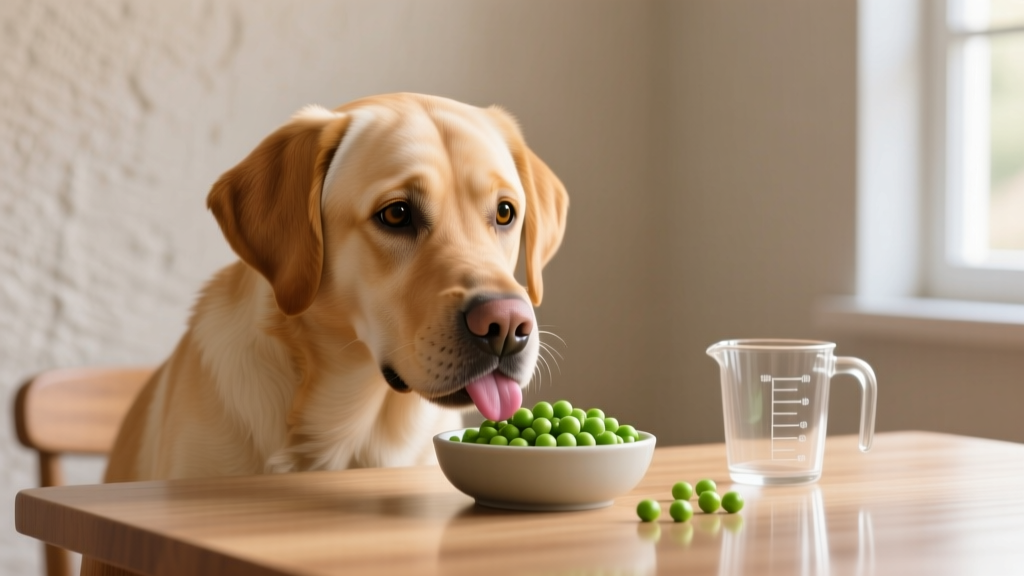
If you've ever dropped a pea on the kitchen floor and watched your dog snap it up, you've probably wondered: can dogs have peas? The short answer is yes — peas are safe for most dogs and even pack a respectable nutritional punch. But not all peas are created equal, and how you prepare them matters more than you might think.
Fresh, frozen, and thawed peas are safe for dogs. They are non-toxic, low in calories, and rich in fiber, vitamins A, B, and K. Avoid canned peas (high sodium) and never feed peas to dogs with kidney issues due to their purine content. Always serve plain — no butter, salt, garlic, or onion seasoning.
According to the American Kennel Club, green peas, snow peas, and sugar snap peas are all safe varieties for canine consumption. However, serving size and preparation are where most owners make mistakes. Below, we break down everything you need to know before adding peas to your dog's bowl.
How Much Peas Can I Give My Dog?
Portion control is critical. Peas are low-calorie (about 62 calories per cup, cooked), but overfeeding any treat can displace balanced nutrition from your dog's primary diet. The general veterinary guideline is that treats and supplemental foods should not exceed 10% of your dog's daily caloric intake.
| Dog Weight | Daily Serving | Approx. Calories | Frequency |
|---|---|---|---|
| Toy/Small (under 20 lb / 9 kg) | 1 teaspoon to 1 tablespoon (roughly 5–15 peas) | 2–4 kcal | 2–3 times per week |
| Medium (20–50 lb / 9–23 kg) | 1–2 tablespoons (roughly 15–30 peas) | 4–8 kcal | 3–4 times per week |
| Large (50–90 lb / 23–41 kg) | 2–4 tablespoons (roughly 30–60 peas) | 8–16 kcal | 3–4 times per week |
| Giant (90+ lb / 41+ kg) | ¼ cup (roughly 45–65 peas) | 15–20 kcal | 3–4 times per week |
These portions assume peas are a supplemental treat, not a meal replacement. If your dog is on a prescription diet or weight management plan, consult your veterinarian before introducing any new foods.
Are Peas Good for Dogs Nutritionally?
Peas are surprisingly nutrient-dense for such a small vegetable. Here's what a ½-cup serving (about 80 grams) of cooked green peas delivers, based on USDA FoodData Central values:
| Nutrient | Amount | Benefit for Dogs |
|---|---|---|
| Calories | 62 kcal | Low-calorie treat option |
| Protein | 4.1 g | Supports muscle maintenance |
| Fiber | 4.4 g | Aids digestion, supports gut health |
| Vitamin A | 765 IU | Skin, coat, and immune function |
| Vitamin K | 41.4 mcg | Blood clotting and bone metabolism |
| Vitamin C | 11.2 mg | Antioxidant support (dogs produce their own, but supplemental amounts are safe) |
| Thiamine (B1) | 0.2 mg | Energy metabolism, nerve function |
| Manganese | 0.5 mg | Bone development, enzyme function |
| Folate (B9) | 65 mcg | Cell division, red blood cell formation |
| Iron | 1.3 mg | Oxygen transport in blood |
| Lutein & Zeaxanthin | 1,232 mcg | Eye health, antioxidant protection |
The standout nutrients are lutein and zeaxanthin — carotenoids linked to retinal health in aging dogs — and the high fiber content, which supports healthy bowel movements. Peas also contain coumestrol, a phytonutrient with anti-inflammatory properties studied in veterinary nutrition research.
How to Prepare Peas for Your Dog
Not every pea preparation is dog-safe. Here's what you need to know about each type:
Safe Pea Types for Dogs
- Fresh green peas (shelled): Safe. Rinse and serve raw or lightly steamed. The pod is not toxic but is tough to digest — shell them first.
- Frozen peas: Safe. Thaw before serving to small dogs to reduce choking risk. No cooking needed.
- Snow peas and sugar snap peas: Safe, including the pod. Slice into bite-sized pieces for small breeds. Watch the sugar content — these are slightly higher in natural sugars than green peas.
- Steamed or boiled peas (plain): Safe and slightly easier to digest than raw. Cook without salt, butter, or oil.
Unsafe Pea Preparations
- Canned peas: AVOID. Canned peas typically contain 400–600 mg of sodium per half-cup — far too much for dogs. Excess sodium can lead to salt toxicity, especially in small breeds.
- Pea soup: AVOID. Most pea soup recipes contain onion, garlic, or leek — all members of the Allium family that are toxic to dogs and can cause hemolytic anemia.
- Wasabi peas: AVOID. The wasabi coating is an irritant and often contains high sodium, artificial flavoring, and sometimes garlic powder.
- Split pea soup: AVOID. Same Allium risk as regular pea soup. Split peas themselves are not toxic, but the preparation almost always includes harmful seasonings.
- Peas cooked with butter, garlic, or onion: AVOID. Garlic is toxic at doses as low as 15–30 g/kg body weight. Butter adds unnecessary fat that can trigger pancreatitis in predisposed dogs.
Preparation steps for safe pea treats:
- Shell fresh peas or measure frozen peas from the bag.
- Rinse under cool water to remove any residue.
- Optionally steam for 2–3 minutes (makes them easier to digest for dogs with sensitive stomachs).
- Cool to room temperature before serving.
- Serve plain — no seasoning, oil, or butter.
- For small dogs under 15 lb (7 kg), lightly mash or chop to prevent choking.
What Happens If My Dog Eats Too Many Peas?
Peas are not toxic, so overconsumption is unlikely to be life-threatening. However, eating a large quantity (more than 3–4 times the recommended serving) can cause several problems:
- Gastrointestinal upset: The high fiber content (4.4 g per ½ cup) can cause gas, bloating, and diarrhea. This is especially common in dogs not accustomed to plant-based fiber.
- Purine-related concerns: Peas contain purines, compounds that break down into uric acid. In dogs prone to urate bladder stones (Dalmatians, English Bulldogs, and dogs with portosystemic shunts), large amounts of purine-rich foods can contribute to stone formation.
- Choking risk: Whole frozen peas can be a choking hazard for small-breed dogs or fast eaters who don't chew thoroughly.
- Caloric creep: While peas are low-calorie, habitual overfeeding of any treat contributes to weight gain over time. A 20 lb dog eating ½ cup of peas daily (62 kcal) is consuming roughly 8–10% of their daily calorie needs from treats alone.
If your dog raids the freezer bag and eats a large amount of frozen peas, monitor for vomiting, diarrhea, or abdominal distension over the next 12–24 hours. Mild gas and loose stool usually resolve within 24 hours. If symptoms persist beyond 48 hours or your dog shows signs of pain, lethargy, or inability to keep food down, contact your veterinarian.
Dogs Who Should Not Eat Peas
While peas are safe for the majority of dogs, certain populations should avoid them or require veterinary clearance first:
| Dog Category | Why Peas May Be Problematic | Recommendation |
|---|---|---|
| Dogs with kidney disease | Purines increase uric acid load on compromised kidneys | Avoid; ask your vet about low-purine treat alternatives |
| Dogs with history of urate stones | Purine-rich foods contribute to ammonium urate crystal formation | Avoid; Dalmatians and English Bulldogs are especially predisposed |
| Puppies under 12 weeks | Immature digestive systems may struggle with high fiber | Wait until weaning is complete and solid food is established; introduce tiny amounts (2–3 peas) |
| Dogs on prescription renal diets | Supplemental foods may disrupt carefully balanced phosphorus/purine ratios | Consult your veterinarian before adding any supplemental foods |
| Dogs with known legume allergies | Rare but documented; can cause itching, hives, or GI distress | Avoid all legumes; consult a veterinary dermatologist |
How to Introduce Peas Safely
Any new food should be introduced gradually to avoid digestive upset. Follow this protocol:
- Day 1: Offer 2–3 individual peas as a treat. Observe for 24 hours.
- Watch for reactions: Vomiting, diarrhea, excessive gas, itching, facial swelling, or lethargy. Any of these within 24 hours suggests intolerance or allergy — discontinue immediately.
- Day 2–3: If no adverse reaction, increase to half the recommended serving size for your dog's weight class.
- Day 4–7: If stool remains normal and your dog shows no discomfort, you can serve the full recommended portion 2–3 times per week.
For dogs with a history of food sensitivities, extend this introduction period to 10–14 days, adding one additional pea per day. Keep a brief food journal noting stool quality (use the Merck Veterinary Manual fecal scoring guide if you're tracking closely).
Related Foods: What Else Is Safe or Unsafe?
If your dog enjoys peas, you might wonder about other vegetables in the same category:
| Food | Safe for Dogs? | Notes |
|---|---|---|
| Green beans (fresh/steamed) | Yes | Excellent low-calorie treat; avoid canned (high sodium) |
| Carrots (raw/steamed) | Yes | Great for dental health; cut into safe sizes for small dogs |
| Lentils (cooked, plain) | Yes, with caution | High in purines; avoid for dogs with kidney or urate stone history |
| Chickpeas (cooked, plain) | Yes, with caution | Can cause gas; avoid hummus (contains garlic and lemon) |
| Onions / Garlic / Leeks | NO — TOXIC | Allium family; causes hemolytic anemia. Never feed in any form. |
| Edamame (plain, shelled) | Yes | Soybean; safe in small amounts but common allergen |
Contact your veterinarian or the ASPCA Animal Poison Control hotline at (888) 426-4435 (24/7, consultation fee applies) if your dog shows any of the following after eating peas or pea-containing dishes:
- Vomiting or diarrhea lasting more than 24 hours
- Abdominal distension or signs of pain (whining, restlessness, hunched posture)
- Lethargy or collapse
- Facial swelling, hives, or difficulty breathing (signs of anaphylaxis — this is an emergency)
- Pale gums or rapid breathing (potential hemolytic anemia if the peas were cooked with garlic or onion)
If your dog consumed pea soup, wasabi peas, or any preparation containing garlic or onion, call your vet or poison control immediately — don't wait for symptoms to appear.
Frequently Asked Questions
Can puppies eat peas?
Puppies over 12 weeks old who are fully transitioned to solid food can have 2–3 peas as an occasional treat. Avoid giving peas to puppies younger than 12 weeks, as their digestive tracts are still developing. Introduce slowly and monitor stool quality for 48 hours.
Are frozen peas a choking hazard?
Yes, for small dogs (under 15 lb / 7 kg) and dogs that gulp food without chewing. Thaw frozen peas before serving to toy and small breeds, or lightly mash them. For large dogs, frozen peas are generally safe and some dogs enjoy them as a crunchy summer treat.
Can dogs eat pea pods?
Snow pea and sugar snap pea pods are safe and digestible. However, the tough outer pods of garden peas (English peas) are fibrous and difficult for dogs to break down. Shell garden peas and discard the pods, or compost them.
Will peas make my dog gassy?
Peas contain oligosaccharides — complex sugars that dogs lack the enzyme to fully break down in the small intestine. These sugars ferment in the large intestine, producing gas. This is normal but can be minimized by starting with small portions, cooking the peas (which breaks down some of the oligosaccharides), and gradually increasing the serving over a week.
Can diabetic dogs eat peas?
Peas have a glycemic index of approximately 48–58 (low to moderate), making them a reasonable treat for diabetic dogs in controlled portions. However, because managing a diabetic dog's carbohydrate intake requires precision, consult your veterinarian before adding peas or any supplemental food to a diabetic diet plan.
Are peas in commercial dog food safe?
Yes. Peas are a common ingredient in many AAFCO-approved commercial dog foods, used as a source of fiber, plant protein, and carbohydrates. If your dog tolerates their regular kibble containing peas, supplemental fresh or frozen peas in the serving sizes listed above are also safe.
This article is for informational purposes and does not replace professional veterinary advice. Always consult your veterinarian before making significant changes to your dog's diet, especially if your dog has existing health conditions or is on a prescription diet.
Jonas Cole
All our authors care for dogs every day — read more of their work on the authors page.


