Can Dogs Have Melatonin? Safety, Dosage & Vet Guidance
Can dogs have melatonin safely? Learn vet-backed dosage by weight, side effects, when to avoid it, and what to do if your dog eats too much.
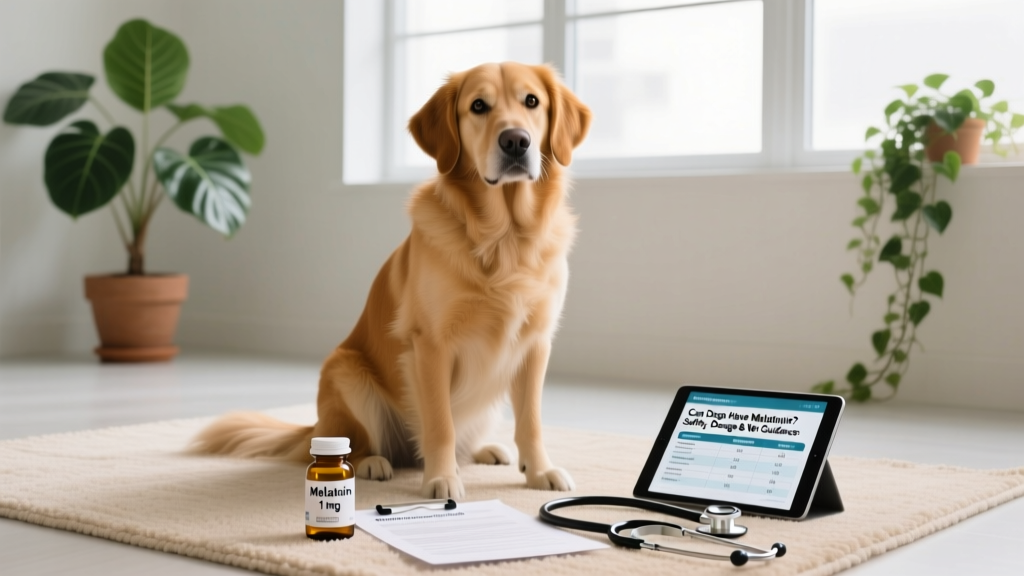
Can Dogs Have Melatonin? The Short Answer
Melatonin is a hormone produced by the pineal gland that regulates sleep-wake cycles in both humans and dogs. While it's widely available as a human supplement, using it for dogs requires precise dosing based on body weight, careful product selection, and awareness of contraindications. Unlike feeding your dog a blueberry or a slice of cucumber, melatonin is a biologically active compound that affects hormonal pathways — so the margin between helpful and harmful is narrower than with most "people foods" dogs can safely eat.
In my years working alongside veterinarians, I've seen melatonin used successfully for canine anxiety, sleep disturbances, and certain hormonal conditions. But I've also fielded panicked calls from owners who grabbed the wrong bottle — one containing xylitol (a sugar substitute lethal to dogs) or gave a 10-pound Chihuahua a dose meant for a 90-pound Labrador. This guide covers everything you need to know before reaching for that bottle.
Melatonin Dosage for Dogs by Weight
Dosing melatonin for dogs is weight-dependent, and getting it wrong is the most common mistake owners make. According to the Merck Veterinary Manual, typical therapeutic doses range from 0.5 mg to 6 mg per dog, depending on size and the condition being treated. Your veterinarian will determine the exact dose for your dog's specific needs.
| Dog Weight | Typical Dose Range | Frequency | Common Form |
|---|---|---|---|
| Under 10 lb (under 4.5 kg) | 0.5 – 1 mg | Every 8–12 hours as directed | Liquid or crushed tablet |
| 10–25 lb (4.5–11 kg) | 1 – 1.5 mg | Every 8–12 hours as directed | 1 mg tablet |
| 26–50 lb (12–23 kg) | 1.5 – 3 mg | Every 8–12 hours as directed | 3 mg tablet |
| 51–100 lb (23–45 kg) | 3 – 6 mg | Every 8–12 hours as directed | 3 mg tablet (may need 2) |
| Over 100 lb (over 45 kg) | 6 – 9 mg | Every 8–12 hours as directed | Multiple tablets or liquid |
Important: These are general reference ranges. Your vet may adjust the dose upward or downward based on your dog's health status, concurrent medications, and the specific condition being treated. For conditions like alopecia X (a hormonal coat disorder in breeds like Pomeranians and Alaskan Malamutes), veterinarians sometimes prescribe higher doses — but this should only happen under direct veterinary supervision.
Why Veterinarians Recommend Melatonin for Dogs
Melatonin isn't given to dogs for its nutritional value — it has none in the traditional sense. Instead, it's used therapeutically for several evidence-supported purposes:
Anxiety and Stress Reduction
Melatonin has mild anxiolytic (anxiety-reducing) properties. Vets commonly recommend it for noise phobias (thunderstorms, fireworks), separation anxiety, and travel stress. It works by promoting calmness and drowsiness, which can help dogs settle during triggering events. For best results, administer melatonin 30–60 minutes before the anticipated stressor.
Sleep Cycle Regulation
Senior dogs and dogs with cognitive dysfunction syndrome (CDS — the canine equivalent of dementia) often experience disrupted sleep-wake cycles, waking at night and pacing or vocalizing. Melatonin can help re-establish a normal circadian rhythm. A study published in the Journal of Veterinary Internal Medicine noted melatonin's role in managing behavioral changes in aging dogs.
Alopecia X and Hormonal Coat Disorders
One of the most well-documented veterinary uses of melatonin is treating alopecia X, a condition causing symmetrical hair loss primarily in double-coated breeds. According to veterinary dermatology references, melatonin supplementation at 3–6 mg twice daily can stimulate hair regrowth in 30–50% of affected dogs within 6–8 weeks. Breeds most commonly affected include Pomeranians, Chow Chows, Siberian Huskies, and Alaskan Malamutes.
Pre- and Post-Surgical Calming
Some veterinary practices use melatonin as a mild pre-operative sedative adjunct or to help dogs recover calmly after surgical procedures. This is always administered under direct clinical supervision.
How to Choose a Safe Melatonin Product for Your Dog
Not all melatonin supplements are created equal — and some contain ingredients that are outright dangerous for dogs. Here's what you need to check before purchasing:
- Check for xylitol (also listed as birch sugar). Xylitol is extremely toxic to dogs, causing rapid hypoglycemia and potentially fatal liver failure. Many "sugar-free" or "low-sugar" melatonin gummies and chewables contain xylitol. Always read the full ingredient list — never assume a product is safe because it's marketed as "natural."
- Avoid combination formulas. Products that combine melatonin with other sleep aids (valerian, 5-HTP, L-theanine, magnesium) may cause unpredictable interactions in dogs. Stick to single-ingredient melatonin unless your vet specifically recommends a combination product.
- Choose tablets or liquid over gummies. Gummies often contain added sugars, artificial colors, and potentially xylitol. Plain tablets (typically 1 mg or 3 mg) or unflavored liquid melatonin are the safest options for canine use.
- Verify the concentration. Liquid melatonin varies widely — some products contain 0.5 mg/mL while others contain 3 mg/mL. Measure with an oral syringe, not a kitchen spoon, for accuracy.
- Look for USP verification or third-party testing. The FDA does not regulate melatonin supplements as strictly as pharmaceuticals. Products with USP (United States Pharmacopeia) verification or those tested by independent labs (like NSF International or ConsumerLab) provide more reliable dosing accuracy.
Side Effects and Risks of Melatonin in Dogs
When dosed appropriately, melatonin has a wide safety margin in dogs. However, side effects can occur, especially at higher doses or in sensitive individuals:
| Side Effect | Frequency | What to Watch For |
|---|---|---|
| Drowsiness / sedation | Very common (expected) | Excessive lethargy lasting more than 8 hours |
| Gastrointestinal upset | Occasional | Vomiting, diarrhea, decreased appetite within 2–4 hours of dosing |
| Increased heart rate | Rare | Panting, restlessness, elevated pulse |
| Insulin resistance changes | Rare (long-term use) | Increased thirst, urination, or appetite — especially in diabetic dogs |
| Allergic reaction | Very rare | Hives, facial swelling, difficulty breathing |
| Reproductive hormone effects | Rare (intact dogs, long-term) | Changes in estrus cycles; not recommended for breeding dogs |
What Happens If My Dog Eats Too Much Melatonin?
Melatonin overdose in dogs is rarely life-threatening when the product contains only melatonin (no xylitol or other toxic additives). Signs of excessive dosing include profound sedation (dog is difficult to rouse), vomiting, incoordination (ataxia), and occasionally a rapid heart rate. Most dogs recover within 12–24 hours with supportive care.
However, if your dog consumes an entire bottle of melatonin — especially a high-dose formulation (5 mg or 10 mg tablets) — the total ingested dose could be significant. A 20-pound dog eating 30 tablets of 3 mg melatonin would ingest 90 mg, roughly 15–30 times the recommended dose. While melatonin's LD50 (lethal dose) is extremely high in dogs, this amount warrants an immediate call to your veterinarian or poison control.
- Ingested a melatonin product containing xylitol (any amount)
- Consumed more than 5x the recommended dose for their weight
- Is unresponsive or cannot stand
- Is vomiting repeatedly or has bloody diarrhea
- Shows signs of an allergic reaction (facial swelling, hives, labored breathing)
- Has a known seizure disorder and consumed an unknown amount
Dogs Who Should NOT Take Melatonin
While melatonin is broadly safe, certain dogs should avoid it entirely or use it only under close veterinary monitoring:
- Diabetic dogs: Melatonin can affect insulin sensitivity and glucose regulation. If your dog is on insulin or oral hypoglycemics, melatonin could destabilize their blood sugar control.
- Pregnant or nursing dogs: Melatonin crosses the placenta and is excreted in milk. Its effects on fetal and neonatal development in dogs are not well-studied, so it should be avoided during pregnancy and lactation.
- Puppies under 12 weeks: Their endocrine systems are still developing, and exogenous hormone supplementation could interfere with normal maturation.
- Dogs on certain medications: Melatonin may interact with sedatives (acepromazine, trazodone), immunosuppressants (cyclosporine), anticoagulants (warfarin), and certain blood pressure medications. Always disclose all current medications to your vet before starting melatonin.
- Dogs with autoimmune conditions: Because melatonin can stimulate aspects of immune function, it may theoretically exacerbate immune-mediated diseases like IMHA (immune-mediated hemolytic anemia) or lupus. Discuss with your vet.
- Intact breeding dogs: Melatonin influences reproductive hormones and may alter heat cycles or sperm production. Avoid in dogs actively used for breeding.
How to Introduce Melatonin Safely
If your veterinarian has approved melatonin for your dog, follow this stepwise introduction protocol:
- Start with the lowest dose. Begin at the bottom of the weight-appropriate range listed above. For a 30-pound dog, start with 1.5 mg rather than 3 mg.
- Administer with a small meal. Giving melatonin with food reduces the chance of stomach upset and may improve absorption consistency.
- Monitor for 24–48 hours. Watch for drowsiness level, appetite changes, vomiting, diarrhea, or unusual behavior. Keep a brief log noting the dose given, time administered, and any observed effects.
- Adjust only with vet approval. If the lowest dose isn't producing the desired effect (e.g., your dog is still anxious during thunderstorms), contact your vet before increasing the dose. They may suggest a gradual increase or an alternative approach.
- Evaluate effectiveness after 1–2 weeks. For situational anxiety, you may see results on the first dose. For alopecia X or chronic sleep disruption, allow at least 4–6 weeks before assessing whether the treatment is working.
Melatonin vs. Other Calming Options for Dogs
Melatonin isn't the only option for anxious or sleepless dogs. Here's how it compares to other commonly recommended calming supplements and approaches:
| Option | Best For | Onset Time | Typical Cost (Monthly) | Vet Prescription? |
|---|---|---|---|---|
| Melatonin | Sleep disruption, mild anxiety, alopecia X | 30–60 minutes | $5–$15 | No (but vet guidance recommended) |
| L-theanine (e.g., Solliquin) | General anxiety, situational stress | 30–45 minutes | $20–$35 | No |
| Trazodone | Moderate to severe anxiety, post-surgical rest | 1–2 hours | $10–$30 | Yes |
| Adaptil (DAP pheromone) | Environmental stress, new-home adjustment | Continuous (diffuser) | $25–$50 | No |
| Fluoxetine (Prozac) | Chronic separation anxiety, compulsive behaviors | 4–6 weeks to full effect | $15–$40 | Yes |
For many dogs, a combination approach works best — for example, using Adaptil diffusers in the home environment alongside melatonin for bedtime, with positive reinforcement training (counter-conditioning and desensitization) as the behavioral foundation. Avoid combining multiple sedating supplements or medications without explicit veterinary direction.
Frequently Asked Questions
Can I give my dog human melatonin?
Yes, but only if the product contains melatonin as the sole active ingredient and does not include xylitol, artificial sweeteners, or other additives toxic to dogs. Plain 1 mg or 3 mg tablets from reputable brands are typically the safest human products to use for dogs. Always verify the full ingredient list and confirm the dose with your veterinarian.
How long does melatonin take to work in dogs?
For anxiety or sleep support, melatonin typically takes effect within 30–60 minutes. For coat regrowth in alopecia X, visible results usually appear within 6–8 weeks of consistent twice-daily dosing, though some dogs require up to 12 weeks.
Can melatonin kill a dog?
Melatonin alone has an extremely high safety margin and is very unlikely to be fatal even at significant overdoses. The real danger comes from xylitol-containing formulations — xylitol can be lethal at doses as low as 0.05 g per pound of body weight. Always check the ingredient label and keep all supplements out of your dog's reach.
Can I give my dog melatonin every night?
For chronic conditions like cognitive dysfunction or ongoing sleep disruption, veterinarians may recommend nightly melatonin. For situational use (fireworks season, travel), it's typically given only as needed. Long-term daily use should always be monitored by your vet, especially in diabetic or senior dogs.
Is melatonin the same as a sedative?
No. Melatonin is a hormone that promotes drowsiness and regulates circadian rhythm — it does not produce the deep sedation or muscle relaxation associated with pharmaceutical sedatives like acepromazine or trazodone. Your dog should remain rousable and responsive, just calmer and more inclined to sleep.
What should I do if my dog ate a whole bottle of melatonin?
First, check the ingredient list for xylitol. If xylitol is present, call ASPCA Animal Poison Control at (888) 426-4435 or your emergency vet immediately. If the product contains only melatonin, estimate the total dose ingested (number of tablets × mg per tablet) and call your vet for guidance. Most dogs will experience heavy sedation but recover fully within 12–24 hours.
Disclaimer: This article is for informational purposes only and does not replace professional veterinary advice. Always consult your veterinarian before starting any supplement, including melatonin, for your dog. Your vet will determine the appropriate dose, frequency, and duration based on your dog's individual health profile.
Beth Carrasco
All our authors care for dogs every day — read more of their work on the authors page.