Can Dogs Have Cheetos? A Vet-Backed Safety Guide for Dog Owners
Can dogs have Cheetos? We break down the safety verdict, ingredient risks, serving limits, and healthier snack alternatives your dog will actually enjoy.
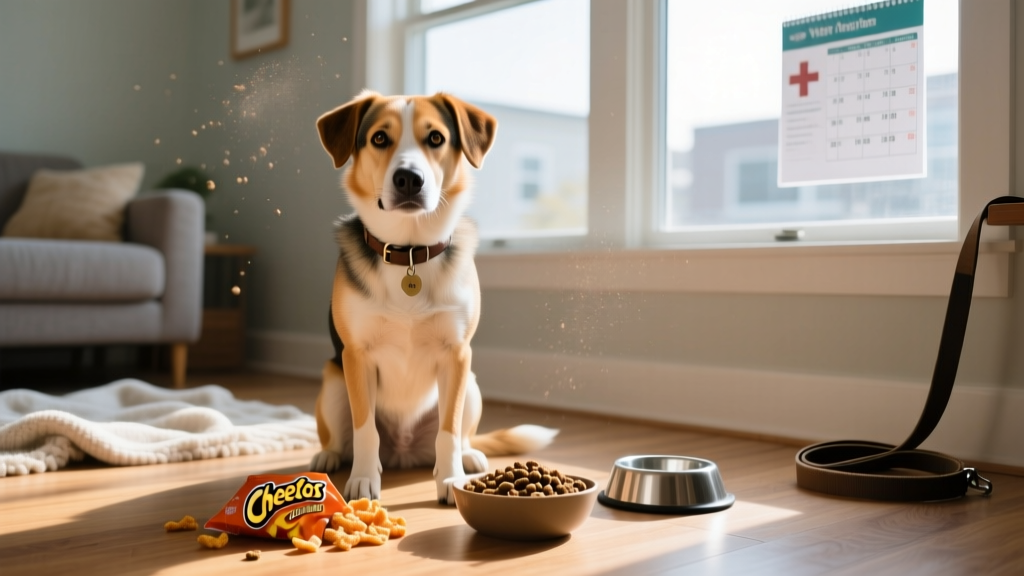
You're settling in on the couch with a bag of Cheetos, and those familiar puppy eyes lock onto you. Before you toss a cheesy puff your dog's way, you need to know: can dogs have Cheetos safely, or is this one snack that should stay strictly in human territory?
While a single accidentally dropped Cheeto is unlikely to cause a veterinary emergency, Cheetos offer zero nutritional benefit to dogs and contain ingredients — including high sodium, artificial flavors, onion powder, and excessive fat — that pose real health risks when consumed regularly or in quantity. There are far safer, healthier alternatives that satisfy your dog's crunch craving without the downside.
As someone who has counseled hundreds of dog owners through diet-related health scares, I've seen what happens when "just one chip" turns into a habit. Let's walk through exactly why Cheetos and dogs don't mix, what happens if your dog gets into the bag, and what you can offer instead.
What's Actually in a Cheeto? An Ingredient-by-Ingredient Breakdown
To understand why Cheetos aren't safe for dogs, we need to look past the bright orange dust and examine the actual ingredient list. Here's what a standard Cheetos Crunchy contains, and why each component matters for your dog:
| Ingredient | Risk Level for Dogs | Why It Matters |
|---|---|---|
| Enriched corn meal | Low | Not toxic, but offers empty carbohydrates with no canine nutritional benefit |
| Vegetable oil (canola, corn, or sunflower) | Moderate | High fat content can trigger pancreatitis in susceptible dogs; contributes to obesity |
| Cheese seasoning (whey, cheddar, buttermilk) | Moderate | Many dogs are lactose intolerant; dairy causes gas, diarrhea, and vomiting |
| Salt (sodium) | High | A 1-oz serving contains ~250mg sodium; a 30-lb dog's daily limit is ~100mg total |
| Onion powder & garlic powder | High | Allium family ingredients damage red blood cells and can cause hemolytic anemia |
| Artificial colors (Yellow 6, Yellow 5) | Moderate | Some dogs show sensitivity; linked to allergic reactions in susceptible individuals |
| MSG (monosodium glutamate) | Moderate | Can cause excessive thirst, digestive upset; unnecessary additive for dogs |
The biggest red flag here is the combination of onion powder and garlic powder. According to the ASPCA, all members of the Allium family — including powdered forms — are toxic to dogs. While the amount in a single Cheeto is small, cumulative exposure from seasoning-heavy snacks adds up, particularly in small breeds.
How Much Sodium Is Too Much? The Numbers Behind the Risk
Sodium is the most immediate concern with Cheetos. The National Research Council recommends that a dog's daily sodium intake should not exceed 100mg per 100 kcal of food consumed. Here's how a single serving of Cheetos stacks up against safe limits:
| Dog Size | Weight | Daily Sodium Limit (approx.) | Sodium in 1 oz Cheetos (~21 pieces) | % of Daily Limit Consumed |
|---|---|---|---|---|
| Small (Chihuahua, Yorkie) | 5–15 lb / 2–7 kg | 50–80 mg | 250 mg | 312–500% |
| Medium (Beagle, Cocker Spaniel) | 20–40 lb / 9–18 kg | 100–150 mg | 250 mg | 167–250% |
| Large (Lab, German Shepherd) | 50–90 lb / 23–41 kg | 200–250 mg | 250 mg | 100–125% |
Even for a large dog, a single one-ounce serving of Cheetos maxes out or exceeds their entire daily sodium allowance. For a Chihuahua, eating just three or four Cheetos can push sodium intake to dangerous levels, potentially causing sodium ion poisoning — symptoms include vomiting, diarrhea, tremors, seizures, and in severe cases, death.
What Happens if My Dog Eats Cheetos?
The severity of the reaction depends on how many Cheetos were consumed relative to your dog's body weight. Here's a realistic scenario breakdown:
Scenario 1: Your dog ate 1–3 Cheetos (accidental drop)
Likely outcome: No serious harm for most healthy adult dogs over 20 lb. You may notice increased thirst and possibly mild stomach upset. Monitor for 24 hours. Ensure fresh water is available.
Scenario 2: Your dog ate a handful (5–15 Cheetos)
Likely outcome: Moderate risk, especially for dogs under 30 lb. Expect gastrointestinal upset within 2–6 hours: vomiting, loose stools, excessive gas. The lactose in cheese seasoning combined with high fat and sodium creates a perfect storm for digestive distress. Small breeds may show signs of sodium toxicity.
Scenario 3: Your dog ate half a bag or more
Likely outcome: This is a veterinary concern. The combined sodium load, fat content, and Allium-family seasonings create real risk of salt poisoning, pancreatitis onset, and hemolytic anemia in the following 24–72 hours. Contact your veterinarian immediately.
- Vomiting more than twice in a 4-hour period
- Excessive drooling or signs of nausea lasting over 2 hours
- Tremors, muscle twitching, or unsteady gait
- Extreme thirst followed by frequent urination
- Lethargy or collapse
- Bloody or dark-colored stools (sign of possible hemolytic anemia)
- Abdominal bloating or signs of pain (hunched posture, whining when touched)
ASPCA Animal Poison Control: (888) 426-4435 (24/7, consultation fee applies)
Pet Poison Helpline: (855) 764-7661
Cheetos Varieties: Are Some "Safer" Than Others?
Short answer: none of them are safe. But some varieties carry additional risks worth knowing about:
| Cheetos Variety | Additional Risk Factors |
|---|---|
| Cheetos Crunchy (Original) | Baseline risk: high sodium, onion/garlic powder, artificial colors |
| Flamin' Hot Cheetos | Worse. Capsaicin irritates canine GI tract; causes oral burns, vomiting, diarrhea. More garlic powder than original. |
| Cheetos Puffs | Similar sodium/fat to Crunchy; softer texture poses choking risk for small dogs who inhale food |
| Cheetos Simply (White Cheddar) | Marketed as "no artificial colors" but still contains high sodium, dairy, and onion powder. Marginally fewer additives, still not safe. |
| Cheetos Mac 'n Cheese | Extreme sodium content; dairy-heavy; not a snack but a meal product with concentrated seasoning packet |
Flamin' Hot Cheetos deserve a specific warning. Capsaicin — the compound that creates the "hot" sensation — does not affect dogs the same way it affects humans. Dogs lack the cultural context to understand the burning sensation, and their response is pure physiological distress: oral irritation, pawing at the mouth, drooling, vomiting, and potentially painful diarrhea within 12–24 hours.
Healthier Crunchy Alternatives Your Dog Will Actually Love
If your dog craves crunchy snacks (and most do — the texture is a big part of why they beg for your chips), here are veterinarian-approved alternatives ranked by safety and nutritional value:
- Air-popped popcorn (plain, no butter or salt) — 1–2 tablespoons for small dogs, up to 1/4 cup for large dogs. Provides trace minerals including magnesium and phosphorus. Ensure no unpopped kernels remain, as these can crack teeth.
- Baby carrots (raw) — 1–2 for small dogs, 3–4 for large dogs. Excellent source of beta-carotene and fiber. The crunch satisfies the same textural craving. Low calorie: ~4 calories per carrot.
- Green beans (fresh or frozen, not canned) — 2–3 beans for small dogs, a small handful for large dogs. Rich in fiber, iron, and vitamins A, C, and K. Avoid canned versions due to added sodium.
- Apple slices (cored, seeds removed) — 2–3 thin slices for small dogs, half an apple for large dogs. Provides vitamins A and C and natural fiber. Always remove seeds — they contain amygdalin, which releases cyanide when chewed.
- Commercial dog treats (single-ingredient) — Look for freeze-dried liver, sweet potato chews, or salmon bites from brands like Stewart Pro-Treat, Whole Paws, or Zuke's. These typically cost $6–$14 per bag and are formulated to AAFCO standards.
According to the American Kennel Club's nutrition guide, treats of any kind — including healthy alternatives — should make up no more than 10% of your dog's daily caloric intake. For a 30-lb dog eating roughly 700 calories per day, that's a maximum of 70 calories from treats.
Dogs Who Should Never Eat Cheetos (or Any High-Sodium Snack)
While Cheetos aren't recommended for any dog, certain dogs face significantly elevated risk:
- Dogs with heart disease or congestive heart failure: Excess sodium causes fluid retention, increasing cardiac workload. Even small amounts can worsen symptoms.
- Dogs with kidney disease: Compromised kidneys cannot efficiently filter excess sodium, leading to dangerous electrolyte imbalances.
- Dogs with a history of pancreatitis: The high fat content in Cheetos (~10g per ounce) can trigger a pancreatitis flare-up, which is painful, expensive to treat ($2,000–$5,000+ in emergency veterinary costs), and potentially fatal.
- Dogs with food allergies or sensitivities: Corn, dairy, and artificial dyes are common canine allergens. Dogs with known sensitivities may develop hives, facial swelling, or severe GI distress.
- Puppies under 12 months: Their developing kidneys and smaller body mass make them far more susceptible to sodium toxicity and digestive upset.
- Senior dogs (7+ years, breed-dependent): Age-related decline in organ function means reduced ability to process high-sodium, high-fat foods.
What the Vet Wants You to Know About Feeding Human Snacks
I've had this conversation with veterinarians more times than I can count, and the consensus is clear: the problem isn't just the individual ingredients in Cheetos. It's the pattern of feeding human junk food that creates long-term health problems.
Dr. Jennifer Coates, a veterinary advisor with PetMD, notes that dogs who regularly receive table scraps and human snack foods are significantly more likely to develop obesity, pancreatitis, and food-seeking behavioral issues. A 2024 study published in the Journal of Veterinary Internal Medicine found that dogs fed human snack foods more than three times per week had a 28% higher incidence of gastrointestinal disorders over a two-year period compared to dogs fed only species-appropriate treats.
The behavioral side matters too. If you share your Cheetos with your dog even once, you've taught them that begging works. This creates a reinforcement cycle where your dog will escalate begging behaviors — pawing, whining, counter-surfing — every time they see a snack bag. The solution isn't occasional indulgence; it's consistent boundaries paired with offering appropriate alternatives.
Frequently Asked Questions
Can dogs eat Cheetos at all, even just one?
A single Cheeto is unlikely to harm a healthy adult dog over 30 lb, but it's still not recommended. The onion and garlic powder, even in trace amounts, offer no benefit and carry cumulative risk. If your dog grabs one off the floor, don't panic — just monitor for any signs of stomach upset and ensure they have plenty of water.
Are Flamin' Hot Cheetos more dangerous than regular Cheetos for dogs?
Yes, significantly. The capsaicin in Flamin' Hot seasoning causes direct irritation to your dog's mouth, esophagus, and stomach lining. Dogs cannot process spicy compounds the way humans do. Expect vomiting, diarrhea, and visible discomfort. If your dog eats Flamin' Hot Cheetos, offer water and bland food (boiled chicken and white rice) and contact your vet if symptoms persist beyond 12 hours.
My dog ate a whole bag of Cheetos — what should I do?
First, determine roughly how many Cheetos were consumed and your dog's weight. For any dog under 25 lb who ate more than half a standard 8.5-oz bag, contact your veterinarian or the ASPCA Animal Poison Control at (888) 426-4435 immediately. For larger dogs, monitor closely for the red-flag symptoms listed above. Do not induce vomiting unless specifically instructed by a veterinary professional — the high fat content increases aspiration risk.
Is cheese itself safe for dogs?
Plain, low-fat cheese (like mozzarella or cottage cheese) in small amounts is generally safe for dogs who are not lactose intolerant. However, the cheese seasoning on Cheetos is a powdered, heavily processed product with added salt, artificial flavors, and dairy concentrates that are much harder for dogs to digest. Think of it this way: a small piece of real cheddar is a treat; Cheeto cheese dust is a chemical seasoning.
What about other chip snacks — can dogs have Doritos, pretzels, or potato chips?
The same risks apply across virtually all commercial chip snacks: excessive sodium, unhealthy fats, artificial flavors, and potentially toxic seasonings (onion, garlic). According to the Merck Veterinary Manual, salt toxicosis in dogs can occur at doses as low as 2–3 grams of sodium chloride per kilogram of body weight. Plain, unsalted pretzels in tiny amounts are less risky than seasoned chips, but still offer no nutritional value. Stick to dog-appropriate treats.
How can I stop my dog from begging for my snacks?
Use positive reinforcement to teach an alternative behavior. When you sit down with a snack, give your dog a long-lasting chew (like a bully stick or a Kong stuffed with frozen peanut butter) in their bed or crate. Reward them for staying in their spot with calm praise and occasional treats. Never share your snack food — even once resets the training. Consistency from all household members is essential.
Disclaimer: This article is for informational purposes only and does not replace professional veterinary advice. Always consult your veterinarian before introducing new foods to your dog's diet, especially if your dog has pre-existing health conditions, is on medication, or has known food sensitivities.
Jonas Cole
All our authors care for dogs every day — read more of their work on the authors page.


