Can Dogs Have Beef Broth? Safety, Serving Sizes & Vet Tips
Can dogs have beef broth safely? Learn vet-backed serving sizes by weight, preparation rules, nutritional benefits, and when to avoid this popular topper.
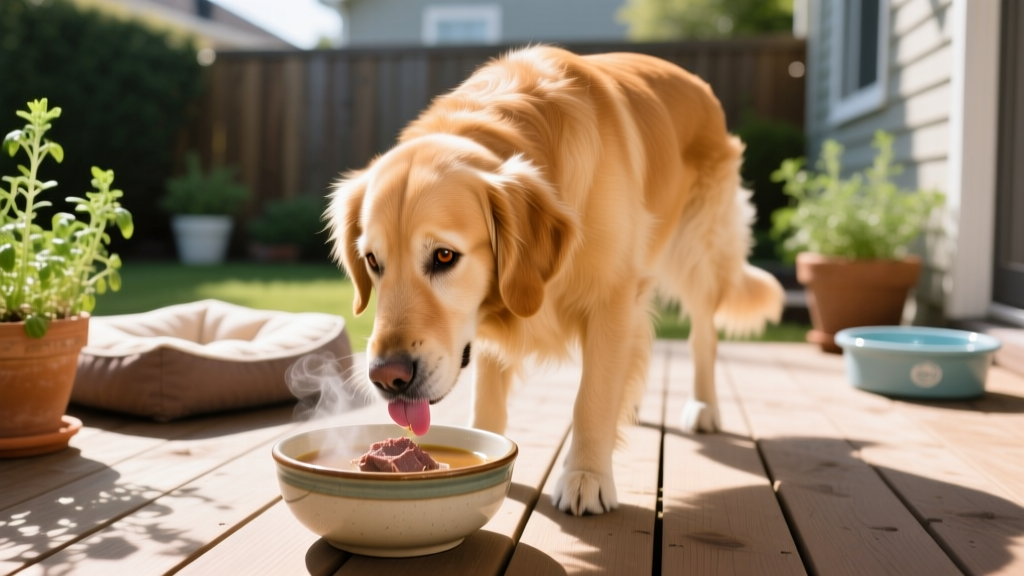
Plain, unseasoned beef broth is safe for most healthy adult dogs when served in appropriate portions. The critical factors are preparation method and ingredients: broth must be free of onions, garlic, excess sodium, and artificial flavorings. Store-bought broths labeled "low sodium" often still contain 140–500 mg of sodium per cup — far too much for small dogs. Homemade or pet-specific broth is always the safest choice.
If you've ever ladled beef stew into your dog's bowl and wondered whether the savory liquid is actually safe, you're asking the right question. Beef broth has surged in popularity as a kibble topper, hydration aid, and training treat — but not all broths are created equal. The difference between a nourishing supplement and a dangerous one often comes down to a single ingredient on the label.
In this guide, we break down exactly how much beef broth your dog can safely consume based on their weight, what nutrients they actually get from it, which commercial brands pass veterinary scrutiny, and the specific health conditions that make broth a bad idea. All serving data below references the ASPCA's toxic and non-toxic foods database and sodium guidelines from the Merck Veterinary Manual.
Is Beef Broth Good for Dogs Nutritionally?
Beef broth is not a nutritional powerhouse on its own, but it does deliver specific compounds that support canine health — particularly when made from bones with connective tissue. Here's what a typical 1-cup (240 mL) serving of plain, homemade beef bone broth provides:
| Nutrient | Approximate Amount per Cup | Canine Benefit |
|---|---|---|
| Protein | 6–10 g | Muscle maintenance, immune function |
| Collagen / Gelatin | 2–4 g | Joint support, gut lining integrity |
| Glycine | 1–2 g | Anti-inflammatory amino acid, supports liver detoxification |
| Glucosamine (natural) | Trace–50 mg | Cartilage support (amounts are low vs. supplements) |
| Calcium | 10–30 mg | Bone health (minimal contribution to daily needs) |
| Sodium (homemade, unsalted) | 40–80 mg | Electrolyte balance (commercial versions are 5–10× higher) |
| Calories | 15–35 kcal | Low-calorie flavor enhancement |
Key takeaway: Beef broth is best viewed as a functional supplement or food topper — not a meal replacement. The collagen and glycine content are the standout benefits, particularly for older dogs with mild joint stiffness. However, the glucosamine levels in broth are far too low to replace a dedicated joint supplement (which typically provides 500–1500 mg per dose).
How Much Beef Broth Can I Give My Dog?
Portion control matters because even low-sodium broth adds sodium and calories to your dog's daily intake. The American Kennel Club recommends treats and toppers should not exceed 10% of total daily caloric intake. Use the table below as a starting point for plain, homemade or pet-specific broth:
| Dog Weight | Safe Daily Serving | Max Sodium from Broth | Frequency |
|---|---|---|---|
| Under 15 lb (7 kg) — e.g., Chihuahua, Yorkie | 1–2 tablespoons (15–30 mL) | ≤ 50 mg/day | Daily or as kibble topper |
| 15–40 lb (7–18 kg) — e.g., Beagle, Cocker Spaniel | 2–4 tablespoons (30–60 mL) | ≤ 100 mg/day | Daily or as kibble topper |
| 40–80 lb (18–36 kg) — e.g., Labrador, German Shepherd | ¼ cup (60 mL) | ≤ 150 mg/day | Daily or as kibble topper |
| Over 80 lb (36+ kg) — e.g., Great Dane, Mastiff | ¼–½ cup (60–120 mL) | ≤ 200 mg/day | Daily or as kibble topper |
Sodium context: A healthy adult dog's daily sodium requirement is approximately 0.3–0.5 mg per pound of body weight (per NRC guidelines). A 50 lb dog needs roughly 15–25 mg of sodium daily from their complete diet. Even "low-sodium" commercial broths can deliver 140 mg per cup — which is why homemade unsalted broth or specifically formulated pet broths are strongly preferred.
How to Prepare Beef Broth for Your Dog
The safest beef broth for dogs is one you control from start to finish. Here's a vet-tech-approved preparation method:
- Choose your bones: Use 2–3 lb of beef marrow bones or knuckle bones (raw or roasted). Avoid cooked rib bones or T-bones that can splinter. If using meat only (no bones), use 1 lb of beef chuck or stew meat.
- Add water: Cover bones/meat with 8–10 cups of filtered water in a large stockpot or slow cooker.
- Add dog-safe aromatics (optional): 1–2 carrots (roughly chopped), 1 celery stalk, and a handful of fresh parsley. These add flavor and trace nutrients without risk.
- Strictly exclude: Onions (all forms), garlic, leeks, chives, salt, pepper, bay leaves, bouillon cubes, wine, or any seasoning blends. All allium-family vegetables are toxic to dogs.
- Simmer: Cook on low heat for 12–24 hours (slow cooker) or 3–4 hours (stovetop). Longer simmering extracts more collagen and gelatin.
- Strain and cool: Remove all bones and solid pieces. Pour broth through a fine-mesh strainer. Refrigerate for 4–6 hours until fat solidifies on top.
- Skim fat: Remove and discard the hardened fat layer. Excess dietary fat can trigger pancreatitis, especially in predisposed breeds like Miniature Schnauzers and Yorkshire Terriers.
- Store: Refrigerate in sealed containers for up to 5 days, or freeze in ice cube trays (each cube ≈ 2 tablespoons) for up to 3 months.
Commercial broth buying checklist: If you opt for store-bought, read the ingredient list for these red flags: onion powder, garlic powder, "natural flavors" (which can include allium derivatives), yeast extract (high in sodium), MSG, and sodium levels above 100 mg per serving. Pet-specific brands like Honest Kitchen Daily Servings, Open Farm Bone Broth, and Bone Broth for Pets by Native Pet are formulated without these risks and typically contain 15–50 mg sodium per serving. Expect to pay $3–$7 per 16 oz carton for pet-grade broth.
Potential Risks: What Happens If My Dog Eats Too Much Beef Broth?
While plain beef broth is generally well-tolerated, overconsumption or broth made with unsafe ingredients can cause problems ranging from mild to severe:
- Sodium overload (hypernatremia): Excess sodium causes increased thirst, excessive urination, and in severe cases, sodium ion poisoning. Symptoms include vomiting, diarrhea, tremors, seizures, and elevated body temperature. This is most dangerous in small breeds and dogs with heart or kidney disease. Toxicity can occur at sodium doses above 2–3 g per kg of body weight.
- Onion/garlic toxicity: Even small amounts of onion or garlic in broth can cause oxidative damage to red blood cells, leading to hemolytic anemia. Symptoms may be delayed 3–5 days after ingestion and include pale gums, weakness, rapid breathing, and dark-colored urine. The toxic dose is approximately 15–30 g of onion per kg of body weight, but garlic is roughly 5× more potent.
- Gastrointestinal upset: Rich, fatty broth (especially if the fat layer isn't skimmed) can cause vomiting, diarrhea, or pancreatitis. Signs of pancreatitis include a hunched back, repeated vomiting, abdominal pain, and lethargy — this is a veterinary emergency.
- Splintered bone fragments: If cooked bones are left in the broth and your dog gnaws on them, cooked bone can splinter and cause oral injuries, esophageal tears, or intestinal perforation.
- Vomiting or diarrhea lasting more than 24 hours after consuming broth
- Pale or bluish gums (sign of anemia from onion/garlic toxicity)
- Excessive thirst and urination that doesn't resolve within 12 hours
- Tremors, disorientation, or seizures
- Abdominal pain (hunched posture, whining when touched)
- Blood in vomit or stool
ASPCA Animal Poison Control: (888) 426-4435 — available 24/7 (consultation fee applies). Call if you suspect your dog consumed broth containing onion, garlic, or large quantities of sodium.
Which Dogs Should NOT Have Beef Broth?
Beef broth isn't appropriate for every dog. Consult your veterinarian before offering broth if your dog falls into any of these categories:
| Condition / Life Stage | Why Broth Is Risky | Alternative |
|---|---|---|
| Puppies under 12 weeks | Immature kidneys cannot handle sodium fluctuations; risk of GI upset during dietary transitions | Warm water to soften kibble |
| Dogs with kidney disease (CKD) | Even low-sodium broth adds phosphorus and protein load to compromised kidneys | Prescription renal diet hydration per vet guidance |
| Dogs with heart disease (CHF, DCM) | Sodium retention worsens fluid buildup and cardiac workload | Plain water or vet-recommended low-sodium hydration supplement |
| Dogs with pancreatitis (current or history) | Fat content in broth can trigger flare-ups even after skimming | Fat-free, low-sodium chicken broth (vet-approved) |
| Dogs with beef protein allergy | Beef is among the top 5 canine food allergens; symptoms include itching, ear infections, GI signs | Novel protein broth (e.g., venison, duck) if tolerated |
| Dogs on sodium-restricted diets | Any added sodium, even trace amounts, may interfere with therapeutic diet | Follow veterinarian's specific dietary protocol |
Foods to Avoid That Are Similar to Beef Broth
If you're exploring liquid toppers and supplements for your dog, be aware that several related products carry significant risks:
- Beef bouillon cubes and granules: Extremely concentrated sodium (often 800–1200 mg per cube) and almost always contain onion/garlic powder. Never feed these to dogs.
- Beef gravy mixes and packets: Typically contain wheat flour (thickener), onion, garlic, and high sodium levels. Many also include xanthan gum and artificial flavors.
- Beef stew or soup leftovers: Almost always seasoned with alliums and contain excessive sodium and fat.
- Beef fat or tallow drippings: Pure fat poses a severe pancreatitis risk, especially in small breeds and predisposed dogs.
- Bone broth with apple cider vinegar (for dogs): While small amounts of ACV (¼ tsp per 20 lb) are generally safe, concentrated doses can cause GI irritation and erode tooth enamel over time.
- "Human-grade" bone broth from grocery stores: Brands like Pacific Foods, Swanson, and Progresso typically contain 400–700 mg sodium per cup and often list onion or garlic in the ingredient panel. Always verify before purchasing.
How to Introduce Beef Broth Safely
Any new food should be introduced gradually to monitor for adverse reactions. Here's a practical protocol:
- Day 1: Offer 1 teaspoon (5 mL) of plain, cooled broth — regardless of your dog's size. Mix it into their regular food or offer it on a spoon.
- Days 2–3: If no vomiting, diarrhea, or itching occurs, increase to half the recommended serving for your dog's weight class.
- Days 4–5: Increase to the full recommended serving if your dog continues to tolerate it well.
- Monitor for 48 hours after each increase: Watch for loose stools, increased gas, excessive licking/scratching (allergy sign), or changes in thirst/urination patterns.
- Long-term use: Once tolerated, beef broth can be offered daily as a topper or treat. Rotate with other safe liquids (plain chicken broth, goat's milk in small amounts) for variety.
Pro tip for picky eaters: Pour 1–2 tablespoons of warm (not hot) broth over dry kibble and let it soak for 2–3 minutes. This softens the kibble and intensifies the aroma, which is especially helpful for senior dogs with diminished sense of smell or dogs recovering from illness.
Frequently Asked Questions
Can dogs have beef broth made with onions?
No. Onions in any form — raw, cooked, powdered, or dehydrated — are toxic to dogs. Onion contains N-propyl disulfide, which damages red blood cells and causes hemolytic anemia. Even broth that was "just simmered" with an onion and then had the onion removed retains toxic compounds dissolved in the liquid. Always prepare broth without any allium-family ingredients.
Is store-bought beef broth safe for dogs?
Most standard grocery-store beef broths are not safe due to high sodium content (400–700 mg per cup) and the frequent inclusion of onion powder, garlic powder, or undisclosed "natural flavors." If you must use a commercial human product, look for brands with sodium under 100 mg per serving and a short, readable ingredient list with zero alliums. Pet-specific broths from brands like Honest Kitchen or Native Pet are the safer commercial option.
Can beef broth help a sick dog eat?
Yes — warm beef broth can entice dogs with reduced appetite due to illness, dental pain, or medication side effects. The strong aroma and palatable flavor make it an effective food topper for convalescent dogs. However, broth alone does not provide complete nutrition. If your dog refuses food for more than 24 hours, consult your veterinarian to address the underlying cause.
Can I freeze beef broth for my dog?
Absolutely. Freezing in ice cube trays is one of the best storage methods. Each standard ice cube holds approximately 2 tablespoons (30 mL), making it easy to portion by your dog's weight. Frozen broth cubes keep for up to 3 months. Thaw in the refrigerator overnight or warm briefly in the microwave (stir well and check temperature before serving to avoid burns).
Does beef broth help with dog joint pain?
Beef bone broth contains natural collagen and trace amounts of glucosamine and chondroitin, which support joint health. However, the concentrations in broth are significantly lower than what therapeutic joint supplements provide. For a dog with diagnosed osteoarthritis or hip dysplasia, broth can be a complementary addition but should not replace veterinary-prescribed joint supplements (typically 500–1500 mg glucosamine per dose) or NSAID therapy.
How long does homemade beef broth last in the fridge?
Properly stored in a sealed glass or BPA-free container, homemade beef broth lasts 4–5 days in the refrigerator at or below 40°F (4°C). If the broth develops a sour smell, cloudy appearance, or visible mold, discard it immediately. When in doubt, freeze portions you won't use within 3 days.
Disclaimer: This article is for informational purposes and does not replace professional veterinary advice. Always consult your veterinarian before making changes to your dog's diet, especially if your dog has pre-existing health conditions or is on a therapeutic diet. If you suspect your dog has ingested a toxic substance, contact the ASPCA Animal Poison Control Center at (888) 426-4435 (24/7, consultation fee applies) or your nearest emergency veterinary clinic.
Beth Carrasco
All our authors care for dogs every day — read more of their work on the authors page.