Can Dogs Eat Turnips? A Complete Safety & Serving Guide
Can dogs eat turnips? Yes — learn safe serving sizes by weight, preparation tips, nutritional benefits, and when to call your vet in this detailed guide.
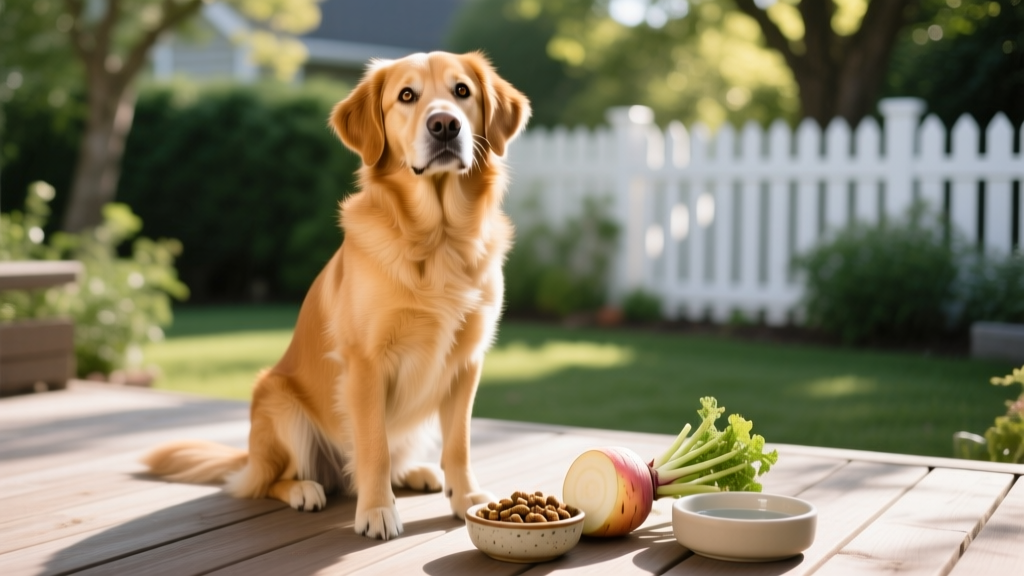
Turnips (both the root bulb and the leafy greens) are safe for dogs when prepared properly. They are low in calories, rich in vitamin C, vitamin B6, folate, and dietary fiber, and are non-toxic according to the ASPCA's non-toxic plant database. Serve them plain — cooked or raw — in weight-appropriate portions. No seasoning, butter, or oils.
If you've spotted your dog sniffing around your grocery bag and wondered whether that knobby purple-and-white root is safe to share, you're not alone. Turnips are an underrated root vegetable in the brassica family (alongside cabbage, broccoli, and Brussels sprouts), and they make an excellent occasional treat for most dogs. Below, you'll find exact serving sizes, preparation methods, and the few scenarios where turnips should be avoided.
Nutritional Benefits of Turnips for Dogs
Turnips are roughly 92% water and deliver a modest but meaningful nutrient profile per 100 grams (about ⅔ cup diced raw), according to USDA FoodData Central:
| Nutrient | Amount per 100 g Raw Turnip | Why It Matters for Dogs |
|---|---|---|
| Calories | 28 kcal | Low-cal treat option for weight management |
| Dietary Fiber | 2.8 g | Supports healthy digestion and stool bulk |
| Vitamin C | 21 mg | Antioxidant; immune support (dogs synthesize their own but benefit from supplemental sources during stress or illness) |
| Vitamin B6 | 0.09 mg | Supports glucose metabolism and neurotransmitter function |
| Folate (B9) | 15 µg | Important for cell division and red blood cell formation |
| Potassium | 191 mg | Electrolyte balance, nerve signaling, muscle contraction |
| Calcium | 30 mg | Bone health (minor contribution at treat-level servings) |
Turnip greens are actually more nutrient-dense than the root itself — they contain significantly higher levels of vitamin K, vitamin A (as beta-carotene), and calcium. If you buy turnips with the tops still attached, don't throw those greens away; they're a bonus treat.
Safe Serving Sizes by Dog Weight
The general veterinary guideline is that treats — including vegetables — should make up no more than 10% of your dog's daily caloric intake. Because turnips are only 28 kcal per 100 g, they're one of the more forgiving treats. Here are specific portion recommendations:
| Dog Weight Class | Weight Range | Turnip Root Serving | Turnip Greens Serving | Max Frequency |
|---|---|---|---|---|
| Small | Under 20 lb (9 kg) | 1–2 tablespoons diced (approx. 10–20 g) | 1 teaspoon finely chopped | 2–3 times per week |
| Medium | 20–50 lb (9–23 kg) | 3–4 tablespoons diced (approx. 30–50 g) | 1 tablespoon chopped | 2–3 times per week |
| Large | 50–90 lb (23–41 kg) | ¼ cup diced (approx. 50–70 g) | 2 tablespoons chopped | 3–4 times per week |
| Giant | Over 90 lb (41+ kg) | ⅓ cup diced (approx. 70–90 g) | 2–3 tablespoons chopped | 3–4 times per week |
Practical tip: One medium turnip (about 122 g) yields roughly 34 kcal. For a 30 lb (14 kg) dog needing ~600 kcal/day, half a medium turnip as a treat stays well within the 10% treat allowance.
How to Prepare Turnips for Your Dog
Turnips can be served raw or cooked, but preparation matters for safety and digestibility. Here's a step-by-step approach:
- Wash thoroughly. Scrub the turnip under cool running water to remove dirt, pesticide residue, and wax coating (some commercial turnips are lightly waxed for shelf life).
- Peel the root. The skin is not toxic, but it's tough, fibrous, and harder to digest — especially for small dogs. Use a vegetable peeler to remove the outer layer.
- Cut into appropriate pieces. For raw serving: dice into ½-inch cubes to reduce choking risk. For cooked serving: steam or boil until fork-tender, then mash or cut into bite-sized chunks.
- Serve plain. No salt, pepper, butter, garlic, onion powder, or oil. Seasonings that are harmless to humans — particularly garlic and onion — are toxic to dogs and can cause hemolytic anemia.
- Separate greens from root. Rinse greens separately and chop finely. They can be lightly steamed or offered raw in small quantities.
Raw vs. cooked: Raw turnip has a crisp, slightly peppery flavor that some dogs enjoy as a crunchy snack. However, cooking breaks down the cell walls and makes the fiber easier to digest, reducing gas. For dogs with sensitive stomachs or seniors with dental issues, steamed or boiled turnip is the better choice.
Potential Risks and Side Effects
While turnips are broadly safe, there are specific scenarios to watch for:
- Gastrointestinal gas and bloating: Turnips are a cruciferous (brassica) vegetable. They contain raffinose, a complex sugar that dogs lack the enzyme to fully break down in the small intestine. Bacteria in the large intestine ferment it, producing gas. In most dogs this means mild flatulence. In susceptible dogs — particularly deep-chested breeds like Great Danes, German Shepherds, and Standard Poodles — excessive gas can theoretically contribute to the risk of gastric dilatation-volvulus (GDV, or bloat), a life-threatening emergency. Feed brassica vegetables in modest portions and avoid feeding a large quantity right before vigorous exercise.
- Choking hazard: Whole raw turnip chunks are hard and round — a choking risk, especially for small breeds and enthusiastic gulpers. Always dice into appropriately sized pieces.
- Thyroid considerations (goitrogens): Raw turnips contain glucosinolates, which can interfere with thyroid hormone synthesis when consumed in very large quantities over time. This is primarily a concern for dogs with pre-existing hypothyroidism. Cooking deactivates most of the goitrogenic compounds, so steaming or boiling is the safer option for hypothyroid dogs.
- Kidney stone risk (oxalates): Turnip greens contain moderate levels of oxalates. For dogs with a history of calcium oxalate bladder or kidney stones, limit or avoid turnip greens specifically. The root bulb is lower in oxalates.
- Allergic reaction: True food allergy to turnips is rare but possible. Signs include facial swelling, hives, itching, vomiting, or diarrhea within minutes to a few hours of ingestion.
What Happens If My Dog Eats Too Much Turnip?
If your dog raids the grocery bag and eats an entire raw turnip (or a large bowl of prepared turnip), here's what to expect:
Most likely outcome: Gas, mild abdominal discomfort, and possibly loose stools within 12–24 hours. This is self-limiting and typically resolves without intervention. Ensure fresh water is available and withhold further treats until stools normalize.
Less common but concerning: If a small dog swallows large, unchewed chunks of raw turnip, there's a risk of esophageal or intestinal obstruction. Signs include repeated retching, drooling, inability to keep water down, abdominal pain, or no bowel movement for 24+ hours.
Contact your veterinarian or an emergency clinic immediately if your dog shows any of these signs after eating turnips:
- Repeated vomiting or retching (especially without producing anything)
- Distended or hard abdomen
- Excessive drooling or signs of oral/throat obstruction
- Lethargy or collapse
- Bloody diarrhea
- Facial swelling, hives, or difficulty breathing (allergic reaction)
ASPCA Animal Poison Control: (888) 426-4435 — available 24/7 (consultation fee applies). While turnips themselves are non-toxic, this hotline is invaluable if you suspect your dog also ingested a harmful seasoning or another food.
Dogs Who Should Not Eat Turnips
Most healthy adult dogs tolerate turnips well. However, the following groups should avoid them or require veterinary approval first:
| Dog Category | Reason for Caution | Recommendation |
|---|---|---|
| Puppies under 6 months | Developing GI tracts are more sensitive to raffinose fermentation and fiber load | Avoid or offer only a tiny taste (½ tsp) of well-cooked, mashed turnip |
| Dogs with hypothyroidism | Raw turnips contain goitrogens that may suppress thyroid function | Only serve cooked (goitrogens largely deactivated); consult your vet for frequency |
| Dogs with history of calcium oxalate stones | Turnip greens are moderate in oxalates | Avoid greens; root bulb in small amounts is generally acceptable — confirm with your vet |
| Deep-chested breeds at GDV risk | Gas-producing foods may theoretically elevate bloat risk | Serve cooked only, in small portions, never immediately before exercise |
| Dogs with known brassica sensitivity | Prior GI upset from broccoli, cabbage, or cauliflower | Skip turnips or do a cautious single-teaspoon trial |
Related Foods: What's Safe and What's Not
If you're exploring root vegetables and brassicas for your dog, here's a quick reference for related foods:
| Food | Safe for Dogs? | Notes |
|---|---|---|
| Rutabaga (swede) | ✅ Yes | Very similar to turnip; prepare the same way |
| Parsnip | ✅ Yes | Peel, cook, and serve plain; slightly higher in sugar |
| Radish | ✅ Yes | Spicy flavor may deter some dogs; not toxic |
| Carrot | ✅ Yes | Excellent low-cal treat; high in beta-carotene |
| Sweet potato | ✅ Yes (cooked) | Must be cooked; higher calorie — watch portions for overweight dogs |
| Onion / garlic / leek / chive | ❌ NO — Toxic | All allium family members cause oxidative damage to red blood cells; never feed in any amount |
| Raw potato (green skin) | ⚠️ Caution | Contains solanine; only feed cooked, skinless potato in small amounts |
How to Introduce Turnips Safely
Any new food should be introduced gradually. Here's a practical protocol:
- Day 1 — Taste test: Offer a single small piece (about ½ teaspoon for small dogs, 1 teaspoon for medium/large dogs) of cooked, plain turnip.
- Days 1–2 — Monitor: Watch for vomiting, diarrhea, excessive gas, itching, or behavioral changes over the next 24–48 hours.
- Days 3–5 — Gradual increase: If no adverse reaction, increase to the full weight-appropriate serving size listed above.
- Ongoing: Incorporate turnips as an occasional treat, not a daily staple. Rotate with other safe vegetables (carrots, green beans, cucumber) for nutritional variety.
Pro tip for picky eaters: If your dog turns their nose up at plain turnip, try mashing a small amount into their regular kibble or mixing it with a tablespoon of plain, unsweetened pumpkin purée. You can also dehydrate thin turnip slices at 135°F (57°C) for 6–8 hours to make crunchy, single-ingredient treats — a healthier alternative to most commercial biscuits.
Frequently Asked Questions
Can dogs eat turnip greens?
Yes, turnip greens are safe and nutritionally rich — they contain more vitamin A, vitamin K, and calcium than the root. However, they are higher in oxalates, so dogs with a history of calcium oxalate urinary stones should avoid them. Always chop greens finely to prevent choking and serve in smaller portions than the root.
Can puppies eat turnips?
Puppies under 6 months have immature digestive systems and are more prone to gas and GI upset from high-fiber cruciferous vegetables. It's safest to wait until your puppy is at least 6 months old before introducing turnips, and even then, start with a tiny amount of well-cooked, mashed turnip. Always consult your veterinarian before adding human foods to a puppy's diet.
Are canned or pickled turnips safe for dogs?
No. Canned turnips (and pickled turnips) typically contain added sodium, preservatives, and sometimes seasonings like garlic or onion powder that are toxic to dogs. A single pickled turnip can contain 400–800 mg of sodium — far exceeding a small dog's daily limit. Stick to fresh or frozen turnips prepared at home.
Can dogs with diabetes eat turnips?
Yes, turnips are an excellent treat for diabetic dogs. With only 28 kcal and 6.4 g of carbohydrates per 100 g (and a glycemic index of approximately 62 for boiled turnip — moderate), they have a much lower glycemic impact than many commercial treats. However, always coordinate treat choices with your veterinarian's dietary plan for a diabetic dog.
How do turnips compare to other root vegetables for dogs?
Turnips are among the lowest-calorie root vegetables available. Compared to sweet potato (86 kcal/100 g) and parsnip (75 kcal/100 g), turnips at 28 kcal/100 g are ideal for overweight dogs or dogs on calorie-restricted diets. They're slightly higher in vitamin C than carrots but lower in beta-carotene. For variety, rotate turnips with carrots and cooked sweet potato rather than relying on a single vegetable.
Bottom line: Turnips are a safe, low-calorie, nutrient-rich treat for most dogs when served plain, in appropriate portions, and introduced gradually. If your dog has thyroid issues, a history of urinary stones, or a sensitive stomach, consult your veterinarian before adding turnips to their treat rotation. For any concerns about toxic ingestion or unusual symptoms, contact the ASPCA Animal Poison Control at (888) 426-4435 (24/7, fee applies).
Tom Renshaw
All our authors care for dogs every day — read more of their work on the authors page.


