Can Dogs Eat Turkey Necks? A Complete Safety & Feeding Guide
Can dogs eat turkey necks safely? Learn preparation methods, portion sizes by weight, nutritional benefits, choking risks, and when to avoid this treat.
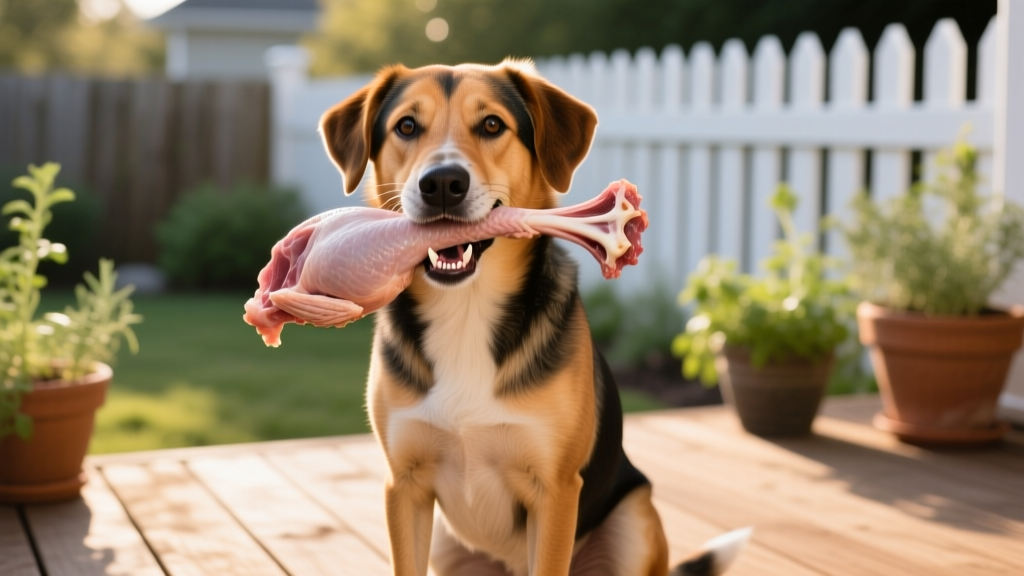
If you've ever carved a Thanksgiving turkey and wondered whether those leftover necks are safe for your dog, you're not alone. Turkey necks are a popular topic in raw-feeding communities and among owners looking for natural dental chews. But before you toss one to your pup, there are critical safety distinctions you need to understand.
Dogs can eat turkey necks, but only when raw or properly dehydrated. Cooked turkey necks become brittle and splinter easily, creating serious choking and internal injury risks. Even when fed raw, turkey necks should be sized appropriately for your dog's weight and chewing style, and always given under direct supervision. They are not suitable for puppies under 6 months, aggressive gulpers, or dogs with a history of pancreatitis or gastrointestinal obstruction.
Nutritional Profile: What Turkey Necks Offer Your Dog
Turkey necks are more than a chew toy — they're a nutrient-dense food when prepared correctly. A single raw turkey neck (approximately 4 oz / 113 g) provides a concentrated source of protein, joint-supporting compounds, and essential minerals. Here's what the USDA nutritional data shows for raw turkey necks with skin and bone:
| Nutrient | Amount (per 4 oz / 113 g raw neck) | Benefit for Dogs |
|---|---|---|
| Crude Protein | ~18–22 g | Muscle maintenance, immune function |
| Calcium | ~800–1,200 mg (from bone) | Bone density, nerve signaling, muscle contraction |
| Phosphorus | ~400–600 mg | Works with calcium for skeletal health |
| Glucosamine & Chondroitin | Naturally present in cartilage | Joint support, cartilage repair |
| Collagen | Abundant in connective tissue | Skin elasticity, coat health, joint integrity |
| Fat | ~8–14 g (varies with skin) | Energy, fat-soluble vitamin absorption |
| Iron | ~1.5–2.5 mg | Oxygen transport, red blood cell production |
| Zinc | ~1.8–2.2 mg | Immune function, wound healing |
The calcium-to-phosphorus ratio in turkey necks (approximately 1.5:1 to 2:1) aligns well with the AAFCO recommended range for adult dog maintenance. This makes them a functional component of a balanced raw diet, not just a recreational chew.
Safe Serving Sizes by Dog Weight
Portion control matters because turkey necks are calorie-dense and high in bone content. Overfeeding bone can lead to constipation or even intestinal impaction. Use the table below as a starting guideline, adjusting based on your dog's body condition score (BCS) and activity level.
| Dog Weight | Serving Size | Frequency | Calories (approx.) |
|---|---|---|---|
| Small (10–25 lb / 4.5–11 kg) | ½ raw turkey neck (2 oz / 57 g) | 2–3 times per week | 60–80 kcal |
| Medium (26–50 lb / 12–23 kg) | 1 whole raw turkey neck (4 oz / 113 g) | 2–3 times per week | 120–160 kcal |
| Large (51–90 lb / 23–41 kg) | 1–2 whole raw turkey necks (4–8 oz / 113–227 g) | 3–4 times per week | 120–320 kcal |
| Giant (91+ lb / 41+ kg) | 2 whole raw turkey necks (8 oz / 227 g) | 3–4 times per week | 240–320 kcal |
Important: Turkey necks should not exceed 10% of your dog's total daily caloric intake. The remaining 90% should come from a complete and balanced diet. If you're feeding a raw diet that includes turkey necks as a primary bone source, consult a board-certified veterinary nutritionist to ensure all nutrient requirements are met.
How to Prepare Turkey Necks Safely for Your Dog
Preparation method is the single most important safety factor when feeding turkey necks. The wrong preparation can turn a nutritious treat into a veterinary emergency.
Cooking (roasting, boiling, baking, smoking, or air-frying) changes the bone structure, making it brittle. Cooked poultry bones splinter into sharp shards that can perforate the esophagus, stomach, or intestines. The FDA has issued warnings about the dangers of cooked bone treats. This is non-negotiable.
Safe Preparation Methods
- Raw (Preferred): Purchase human-grade turkey necks from a reputable butcher or supplier. Freeze for at least 72 hours at 0°F (-18°C) to reduce parasite risk (per USDA food safety guidelines). Thaw in the refrigerator overnight before serving. Serve cold or at room temperature — never microwave to "take the chill off," as even brief heating can begin to calcify the bone.
- Dehydrated (Acceptable Alternative): Use a food dehydrator set to 155°F (68°C) for 12–24 hours until fully dried but still slightly pliable. Dehydrated necks retain some flexibility and are less likely to splinter than fully cooked necks, but they are harder on teeth than raw. Supervise closely.
- Freeze-Dried (Commercial): Several brands sell freeze-dried turkey necks (e.g., Stella & Chewy's, Primal, K9 Natural). These are shelf-stable and can be served dry or rehydrated. Check the ingredient list for additives — plain turkey neck should be the only ingredient.
Pre-Feeding Checklist
- Remove any visible excess skin or fat if your dog is prone to pancreatitis
- Cut necks in half crosswise for small dogs (under 25 lb / 11 kg) to reduce choking risk
- Inspect for sharp bone fragments or irregular edges before serving
- Do not season, marinate, or add any salt, garlic, onion, or spices
Potential Risks: What Can Go Wrong
Even when prepared correctly, turkey necks carry inherent risks that every owner should understand before feeding them.
Choking and Obstruction
Turkey necks are cylindrical and can be swallowed whole by enthusiastic chewers — particularly breeds like Labrador Retrievers, Golden Retrievers, and Pit Bull-type dogs that tend to gulp. A whole turkey neck lodged in the esophagus or stomach constitutes a life-threatening obstruction requiring emergency surgery, which typically costs $2,000–$5,000 at an emergency veterinary hospital.
Bone Splintering (Cooked Necks Only)
As discussed, cooked turkey neck bones splinter into razor-sharp fragments. These can cause esophageal lacerations, gastric perforation, peritonitis, or intestinal blockage. Symptoms may not appear for 12–72 hours after ingestion.
Bacterial Contamination (Raw Necks)
Raw poultry carries a known risk of Salmonella, Campylobacter, and Listeria. While healthy adult dogs have shorter GI transit times and more acidic stomach environments than humans — making them more resistant to foodborne illness — the risk is not zero. Immunocompromised dogs, puppies under 6 months, and senior dogs over 10 years are at elevated risk. Additionally, handling raw turkey necks poses a zoonotic risk (transmissible to humans) for household members. Always wash hands, surfaces, and bowls with hot soapy water after handling.
Constipation and Bone Impaction
Excessive bone consumption leads to hard, chalky stools (often called "bone stool") that are difficult to pass. In severe cases, this causes fecal impaction requiring veterinary enemas or manual extraction under sedation. If your dog's stools become white, dry, and crumbly after eating turkey necks, reduce the frequency immediately.
Pancreatitis Trigger
The skin and fat on turkey necks are rich in saturated fat. For dogs predisposed to pancreatitis — particularly Miniature Schnauzers, Cocker Spaniels, and Yorkshire Terriers — even a single fatty turkey neck can trigger an acute pancreatic episode. Symptoms include severe vomiting, abdominal pain, lethargy, and dehydration, often requiring hospitalization.
Dogs Who Should NOT Eat Turkey Necks
Turkey necks are not appropriate for every dog. Avoid feeding them to:
- Puppies under 6 months: Their deciduous (baby) teeth are fragile, and their immune systems are still developing. The bacterial load in raw poultry poses unnecessary risk. Wait until adult teeth are fully erupted and your vet confirms the puppy's immune competence.
- Senior dogs with dental disease: Dogs with loose teeth, periodontal disease, or prior tooth extractions may fracture remaining teeth on the dense bone structure.
- Aggressive gulpers: Dogs that don't chew methodically and instead attempt to swallow large pieces whole are at high risk for esophageal obstruction. If this describes your dog, consider ground turkey neck (available from raw food suppliers) as a safer alternative that provides the same nutrients without the choking hazard.
- Dogs with a history of pancreatitis: The fat content is too high for dogs with prior pancreatic episodes.
- Dogs with chronic kidney disease (CKD): The high phosphorus content from bone can accelerate kidney damage in dogs with Stage 2+ CKD.
- Dogs on prescription diets: If your dog is on a veterinary therapeutic diet (e.g., Hill's k/d, Royal Canin Renal), adding turkey necks disrupts the carefully calibrated mineral balance.
- Immunocompromised dogs: Dogs undergoing chemotherapy, long-term corticosteroid therapy, or those with autoimmune conditions should avoid raw meat due to bacterial risk.
How to Introduce Turkey Necks Safely
If your dog is a healthy adult and a candidate for turkey necks, follow this introduction protocol:
- Start with half a neck (regardless of dog size) for the first feeding session.
- Supervise the entire session. Do not leave your dog alone with a turkey neck. Watch for gulping, gagging, or distress.
- Hold one end of the neck while your dog chews the other — this forces slower, more deliberate chewing and prevents whole-neck swallowing.
- Monitor for 24–48 hours after the first feeding. Watch for vomiting, diarrhea, constipation (straining, dry white stools), lethargy, abdominal pain (hunched posture, whining when picked up), or loss of appetite.
- If no adverse reactions occur, increase to the full serving size for your dog's weight class at the next feeding.
- Limit frequency to the schedule in the serving table above. More is not better — bone accumulation causes real problems.
Contact your veterinarian or an emergency clinic right away if your dog shows any of these signs after eating a turkey neck:
- Repeated vomiting or retching (especially if unproductive — could indicate obstruction)
- Visible distress, pawing at the mouth or throat
- Blood in vomit or stool
- Abdominal distension or pain (hunched posture, reluctance to move)
- No bowel movement for 48+ hours after consumption
- Lethargy combined with loss of appetite lasting more than 12 hours
- Difficulty breathing or swallowing
For suspected poisoning or toxic ingestion concerns, contact the ASPCA Animal Poison Control Center: (888) 426-4435 (24/7, consultation fee applies).
Related Foods to Avoid
While raw turkey necks can be safe, several related foods are dangerous and should never be fed to dogs:
| Food | Safe? | Reason |
|---|---|---|
| Cooked turkey necks (any method) | NO | Bones splinter into sharp fragments; high risk of perforation |
| Cooked chicken bones | NO | Same splintering risk as cooked turkey; even more brittle due to smaller size |
| Smoked turkey necks | NO | Smoking cooks and dries the bone; plus, high sodium and potential seasoning toxicity |
| Turkey necks seasoned with onion/garlic | NO | Allium species cause hemolytic anemia in dogs — toxic even in small amounts |
| Raw chicken necks | YES (with same cautions) | Similar nutritional profile; smaller size makes them better for small breeds |
| Raw duck necks | YES (with same cautions) | Higher fat content; good novel protein option for dogs with turkey/chicken sensitivity |
| Turkey liver (cooked or raw) | CAUTION | Safe in very small amounts; excess causes vitamin A toxicity (hypervitaminosis A) |
Frequently Asked Questions
Can dogs eat turkey necks every day?
No. Feeding turkey necks daily leads to excessive bone and calcium intake, which causes constipation, potential mineral imbalances, and in growing dogs, developmental orthopedic issues. Stick to 2–4 times per week depending on your dog's size, and always account for the calories in your dog's overall daily intake.
What happens if my dog eats a cooked turkey neck by accident?
Don't induce vomiting unless directed by your veterinarian — sharp bone fragments can cause more damage coming back up. Instead, monitor closely for 72 hours. Feed a bland diet (boiled chicken breast and white rice) to help cushion any fragments moving through the GI tract. If you observe vomiting, lethargy, abdominal pain, or blood in stool, seek emergency veterinary care immediately. Many dogs pass small amounts of cooked bone without incident, but the risk of perforation is real and warrants close observation.
Are turkey necks good for cleaning my dog's teeth?
Chewing on raw turkey necks provides some mechanical scraping action against tartar, similar to other raw meaty bones. However, they are not a substitute for regular dental care. According to the AVMA, daily tooth brushing and professional veterinary cleanings remain the gold standard for canine dental health. Think of turkey necks as a supplementary dental aid, not a replacement for your dog's oral hygiene routine.
Can I feed turkey necks to my puppy?
Not before 6 months of age. Puppies have developing immune systems that are more vulnerable to bacterial contamination in raw meat, and their baby teeth can fracture on dense bone. Once your puppy has fully transitioned to adult teeth (typically by 6–7 months) and your veterinarian confirms healthy immune function, you can introduce half a raw turkey neck under close supervision.
Where should I buy turkey necks for my dog?
Purchase human-grade turkey necks from a reputable butcher, local farm, or grocery store meat counter. Avoid pre-packaged "pet-grade" necks from unknown suppliers — these may not meet the same handling and storage standards. If you buy in bulk, portion and freeze immediately. Frozen turkey necks keep for 3–4 months at 0°F (-18°C). Some raw-feeding co-ops and online suppliers (e.g., Hare Today, Raw Feeding Miami) also carry turkey necks specifically marketed for canine raw diets with transparent sourcing information.
My dog swallowed a turkey neck whole — should I panic?
Stay calm but act promptly. A whole turkey neck in the stomach of a large dog (50+ lb) may pass without incident, but it's a genuine obstruction risk for small and medium dogs. Do not induce vomiting. Call your veterinarian for guidance — they may recommend an X-ray to assess the neck's position and size relative to your dog's GI tract. In many cases, the vet will advise monitoring with a high-fiber diet to promote passage, but surgical intervention may be necessary if the neck doesn't move within 24–48 hours.
This article is for informational purposes only and does not replace professional veterinary advice. Always consult your veterinarian before introducing new foods to your dog's diet, especially if your dog has existing health conditions or is on a prescription diet. Individual dogs may react differently to any food, and your veterinarian is the best resource for personalized nutritional guidance.
Jonas Cole
All our authors care for dogs every day — read more of their work on the authors page.