Can Dogs Eat Turkey Bacon? Safety, Serving Sizes & Risks
Can dogs eat turkey bacon? Learn safe serving sizes by weight, preparation tips, nutritional benefits, and when this breakfast meat poses health risks.
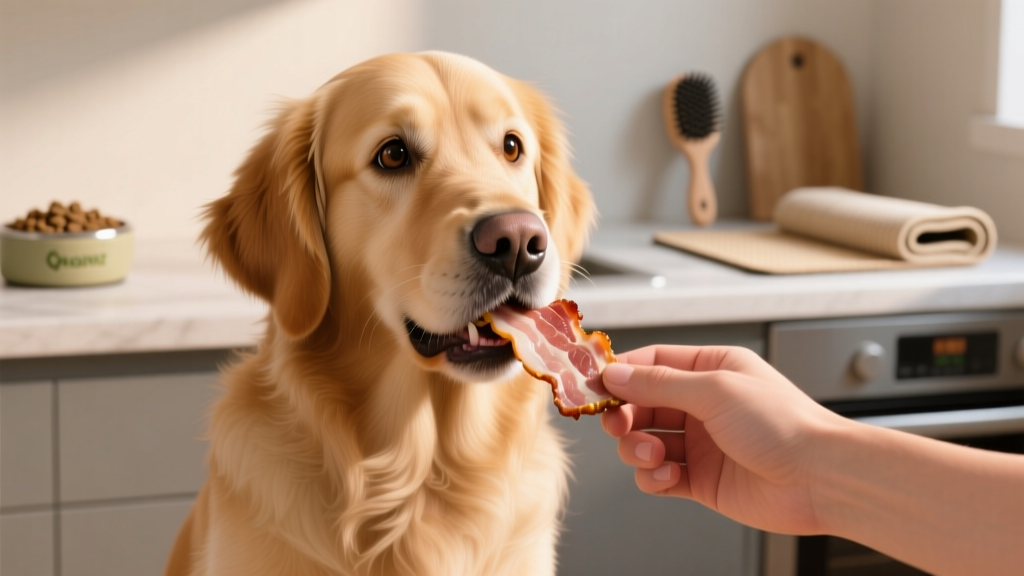
If you've ever stood at the stove on a Saturday morning with your dog giving you that unmistakable "please share" stare, you've probably wondered whether turkey bacon is a safer alternative to regular pork bacon. It's a reasonable question — turkey is generally leaner, and many people assume turkey bacon is a "health food" swap. But when it comes to feeding your dog, the answer isn't that straightforward.
Dogs can eat turkey bacon in very small amounts as an occasional treat, but it should never be a regular part of their diet. Turkey bacon is highly processed, loaded with sodium, and often contains additives like garlic powder, onion powder, or artificial preservatives that are toxic to dogs. A tiny piece as a training reward or special occasion snack is generally safe for healthy adult dogs, but the risks outweigh the benefits if fed frequently or in large quantities.
In this guide, we'll break down exactly how much turkey bacon is safe, how to prepare it properly, which dogs should avoid it entirely, and what to do if your dog sneaks a full strip off the counter.
How Much Turkey Bacon Can I Give My Dog?
Portion control is the single most important factor when feeding turkey bacon to your dog. Even though turkey bacon is leaner than pork bacon, it still contains significant sodium and fat relative to a dog's daily requirements. According to the American Kennel Club, high-fat, high-sodium foods should make up no more than 10% of your dog's daily caloric intake — and that's across all treats combined, not just bacon.
Here are specific, weight-based serving guidelines for plain, cooked turkey bacon with no added seasonings:
| Dog Weight Class | Weight Range | Max Serving (per occasion) | Frequency |
|---|---|---|---|
| Toy/Small | 5–20 lb (2–9 kg) | ½ strip (torn into pea-sized pieces) | Once per week max |
| Medium | 21–50 lb (10–23 kg) | 1 strip (cut into small pieces) | Once per week max |
| Large | 51–90 lb (23–41 kg) | 1½ strips (cut into small pieces) | Once per week max |
| Giant | 90+ lb (41+ kg) | 2 strips (cut into small pieces) | Once per week max |
Important context: A single slice of commercially prepared turkey bacon (about 14g) contains roughly 70–90 mg of sodium. The National Research Council recommends a daily sodium intake of approximately 200 mg for a 30-lb dog. That means one strip of turkey bacon can represent 35–45% of your medium-sized dog's entire daily sodium allowance — before accounting for their regular food.
Is Turkey Bacon Good for Dogs Nutritionally?
Turkey bacon does contain some nutrients that are beneficial to dogs, but the processing and additives significantly diminish its value as a nutritional food. Here's what you're actually getting per standard strip (approximately 14g, cooked):
| Nutrient | Amount per Strip | Benefit to Dogs |
|---|---|---|
| Protein | ~3g | Muscle maintenance, tissue repair |
| Fat (total) | ~2.5g | Energy source, coat health (but excess is harmful) |
| Sodium | 70–90 mg | Electrolyte balance (but excessive in processed form) |
| Iron | ~0.3 mg | Oxygen transport in blood |
| Vitamin B12 | ~0.2 mcg | Nervous system function, red blood cell formation |
| Zinc | ~0.4 mg | Immune function, skin health |
| Selenium | ~4 mcg | Antioxidant protection |
The honest assessment: While turkey bacon contains protein, B12, iron, and zinc — all nutrients dogs need — your dog's complete-and-balanced commercial diet already provides these in appropriate amounts without the sodium overload, processing chemicals, or fat concentration. Turkey bacon is not a nutritional upgrade; it's a high-value treat that should be used sparingly, like a piece of candy rather than a health food.
For comparison, 14g of plain, cooked turkey breast (no skin, no seasoning) provides approximately 4.5g of protein, 0.5g of fat, and only 12 mg of sodium — making it a dramatically superior protein treat for dogs.
How Should I Prepare Turkey Bacon for My Dog?
Preparation matters enormously. Most store-bought turkey bacon is seasoned with ingredients that are actively harmful to dogs. Here's how to make it as safe as possible:
Step-by-Step Safe Preparation
- Read the ingredient label first. Avoid any turkey bacon containing garlic powder, onion powder, black pepper, paprika, smoke flavoring with unknown additives, sodium nitrite, or xylitol (a sweetener highly toxic to dogs). Look for the shortest ingredient list possible — ideally just turkey, salt, and a preservative like celery powder.
- Cook it thoroughly. Never feed raw turkey bacon to your dog. Raw processed meats carry risks of Salmonella, Listeria, and E. coli contamination. Cook in a skillet over medium heat for 3–4 minutes per side until fully crisp, or bake at 400°F (200°C) for 10–12 minutes on a parchment-lined sheet.
- Blot excess grease. Place cooked turkey bacon on paper towels and press gently to absorb rendered fat. This step alone can reduce the fat content by 20–30%.
- Let it cool completely. Hot grease can burn your dog's mouth and esophagus. Allow at least 5 minutes of cooling time.
- Cut into small, bite-sized pieces. For small dogs, tear into pea-sized bits. For larger dogs, cut into ½-inch pieces. This reduces choking risk and makes it easier to use as a training reward.
- Do NOT add any butter, oil, or seasoning. The turkey bacon already contains enough fat and sodium. Adding more increases pancreatitis risk.
A note on cooking methods: Microwaving turkey bacon is acceptable (30–45 seconds on a paper towel-lined plate), but pan-frying or baking gives you more control over crispness and grease removal. Air frying at 375°F (190°C) for 5–7 minutes is also an excellent low-added-fat option.
What Happens If My Dog Eats Too Much Turkey Bacon?
If your dog gets into a full package of turkey bacon — or even just eats 4–5 strips — you need to watch for several potential complications, ranging from mild digestive upset to veterinary emergencies.
Mild to Moderate Reactions (Monitor at Home)
- Vomiting — typically within 2–6 hours of ingestion, caused by the high fat content irritating the stomach lining
- Diarrhea — may appear within 6–12 hours, often greasy or loose due to fat malabsorption
- Excessive thirst and urination — the sodium load triggers increased water intake; ensure fresh water is available at all times
- Gas and bloating — mild abdominal distension and flatulence from processing additives
Serious Reactions (Contact Your Veterinarian)
🚨 Call Your Vet Immediately If You Notice:
- Repeated vomiting (more than 2 episodes in 12 hours) or inability to keep water down
- Severe abdominal pain — your dog may assume a "prayer position" (front legs stretched forward, rear elevated), whine when touched around the belly, or pace restlessly
- Pancreatitis symptoms — vomiting, diarrhea, lethargy, loss of appetite, and a hunched back. This can develop 12–24 hours after a high-fat meal and is a genuine emergency, particularly in Miniature Schnauzers, Cocker Spaniels, and Yorkshire Terriers
- Sodium ion poisoning signs — tremors, seizures, extreme lethargy, disorientation, or collapse (rare from turkey bacon alone but possible if a very small dog eats a large amount)
- Bloat/GDV symptoms — unproductive retching, rapid abdominal swelling, pale gums, labored breathing. This is a life-threatening emergency requiring immediate surgical intervention
ASPCA Animal Poison Control: (888) 426-4435 (24/7, consultation fee applies) — call if your dog consumed turkey bacon containing garlic, onion, xylitol, or other toxic additives.
Pancreatitis deserves special attention. According to the Merck Veterinary Manual, acute pancreatitis in dogs is frequently triggered by ingestion of high-fat foods. Turkey bacon, while leaner than pork bacon, still contains approximately 35–40% of its calories from fat. Dogs with a history of pancreatitis, or breeds predisposed to it, should never be fed turkey bacon at any quantity.
Are There Any Dogs Who Should Not Eat Turkey Bacon?
Yes — several categories of dogs should avoid turkey bacon entirely. The risks are simply too high relative to any treat value it provides.
| Dog Category | Why Turkey Bacon Is Unsafe |
|---|---|
| Puppies (under 12 months) | Developing digestive systems are more sensitive to high sodium and fat. Puppies have strict nutritional requirements for growth, and processed meats displace balanced nutrition. |
| Senior dogs (8+ years) | Higher risk of kidney disease, heart disease, and pancreatitis — all conditions worsened by excess sodium and fat. |
| Dogs with pancreatitis (current or history) | Even small amounts of fat can trigger a painful, potentially life-threatening pancreatitis flare-up. |
| Dogs with kidney disease | Compromised kidneys cannot efficiently process excess sodium, leading to fluid retention and elevated blood pressure. |
| Dogs with heart disease or hypertension | Sodium directly worsens cardiac workload and fluid buildup. The AVMA notes that sodium restriction is a cornerstone of canine cardiac management. |
| Overweight or obese dogs (BCS 7–9) | High-calorie, high-fat treats undermine weight management plans and increase joint stress. |
| Dogs with food allergies or sensitive stomachs | Turkey bacon often contains soy, wheat, corn syrup, and artificial additives — common allergens. Processing chemicals may trigger GI inflammation. |
Similar Foods to Avoid and Safer Alternatives
If you're considering turkey bacon as a treat, you might also be wondering about related breakfast meats and protein snacks. Here's a quick-reference guide to similar foods:
Foods to Avoid
- Pork bacon — higher in fat and sodium than turkey bacon; poses greater pancreatitis risk
- Canadian bacon (back bacon) — leaner than strip bacon but still heavily cured with sodium and nitrates
- Ham and deli ham — extremely high sodium content; a single slice of deli ham can contain 250–400 mg sodium
- Sausage (any type) — very high fat, often seasoned with garlic and onion
- Beef jerky (human-grade) — high sodium, often contains garlic, onion, and xylitol; the FDA has also flagged certain jerky treats for dogs
- Pepperoni and salami — heavily spiced, high sodium, often contains garlic
Safer High-Value Protein Treats
- Plain cooked turkey breast — no skin, no seasoning, cut into small pieces (approximately 4.5g protein per 14g serving with minimal fat)
- Plain cooked chicken breast — excellent lean protein, easy to digest, widely recommended by veterinarians
- Freeze-dried liver treats — single-ingredient, high-value for training, available from brands like Stewart and Stella & Chewy's ($8–$14 per 5 oz bag)
- Plain cooked salmon — rich in omega-3 fatty acids for coat and joint health (must be fully cooked to eliminate parasite risk)
- Low-sodium string cheese — small pieces work well for training; monitor for lactose sensitivity
How to Introduce Turkey Bacon Safely
If your dog is a healthy adult with no contraindications and you want to offer turkey bacon as an occasional treat, follow this introduction protocol:
- Start with a single small piece — approximately the size of your pinky nail for small dogs, or a ¼-inch square for large dogs.
- Offer it on an empty stomach — at least 2 hours after their last meal, so you can clearly observe any digestive reaction.
- Monitor for 24–48 hours. Watch for vomiting, diarrhea, excessive gas, lethargy, changes in appetite, or signs of abdominal discomfort (whining, restlessness, hunched posture).
- If no adverse reaction occurs, you can offer the full weight-appropriate serving size (see table above) on the next occasion — but no more than once per week.
- Use it strategically. Reserve turkey bacon for high-distraction training sessions, vet visit desensitization, or nail trimming rewards where you need maximum motivation. Don't waste its "high-value" status on everyday moments.
This gradual introduction approach follows the same principle used by veterinary behaviorists when introducing any novel food: isolate the variable, observe the response, and scale up only if the dog tolerates it well.
Frequently Asked Questions
Can dogs eat raw turkey bacon?
No. Raw turkey bacon is a processed meat product that has not been heat-treated to a food-safe internal temperature. It may harbor Salmonella, Listeria monocytogenes, or E. coli. Always cook turkey bacon to an internal temperature of 165°F (74°C) before offering any to your dog.
Can puppies eat turkey bacon?
No. Puppies under 12 months should not eat turkey bacon. Their developing digestive systems are more vulnerable to the effects of excess sodium and fat, and their nutritional needs are best met through a complete-and-balanced puppy food. If you need a high-value training treat for a puppy, use tiny pieces of plain boiled chicken breast instead.
Is turkey bacon better for dogs than pork bacon?
Turkey bacon is marginally better than pork bacon — it contains roughly 30–40% less fat and slightly fewer calories per strip. However, "better" doesn't mean "good." Both are highly processed, high-sodium meats that should only be offered as rare treats. Neither should be a regular part of your dog's diet.
My dog ate an entire package of turkey bacon — what should I do?
First, check the ingredient list for toxic additives (garlic, onion, xylitol). If any are present, call the ASPCA Animal Poison Control at (888) 426-4435 immediately. If the ingredients are benign but the quantity was large, withhold food for 12 hours, provide plenty of fresh water, and monitor closely for vomiting, diarrhea, abdominal pain, or lethargy. Contact your veterinarian if any symptoms develop or if your dog is a small breed, senior, or has pre-existing health conditions. For a 10-lb dog eating a full 12 oz package, the sodium load alone could be dangerous.
Can I use turkey bacon as a pill-hiding treat for my dog?
You can, but consider the tradeoffs. Wrapping a pill in a small piece of turkey bacon works well because the strong smell and taste mask medication flavors. However, if your dog needs daily medication, you'd be adding processed sodium and fat to their diet every day. For daily pill administration, consider using commercially designed pill pockets (like Greenies Pill Pockets, approximately $6–$8 for 30 count) or a small piece of plain cooked chicken, which is far healthier for regular use.
Does turkey bacon contain xylitol?
Most standard turkey bacon brands do not contain xylitol, but some "sugar-free" or "low-sugar" varieties of processed meats use xylitol as a sweetener. Xylitol is extremely toxic to dogs — even small amounts can cause rapid insulin release, hypoglycemia, and liver failure. Always read the full ingredient list before feeding any processed human food to your dog. If you suspect xylitol ingestion, this is a veterinary emergency.
How does turkey bacon compare to turkey jerky made for dogs?
Commercially prepared turkey jerky made specifically for dogs (like those from brands such as Full Moon or PureBites) is a far better choice than human turkey bacon. Dog-specific jerky treats are formulated with minimal ingredients, appropriate sodium levels, and no toxic seasonings. They also undergo quality control testing for contaminants. Expect to pay $10–$18 for a 6 oz bag of quality dog-specific turkey jerky.
The bottom line: Turkey bacon isn't toxic to dogs in the way that chocolate, grapes, or xylitol are, but it also isn't a healthy treat. The sodium, fat, processing chemicals, and potential toxic seasonings make it a poor choice for regular feeding. If your dog loves the taste, a tiny piece once in a while won't cause harm to a healthy adult dog — but there are dozens of safer, more nutritious treats available that provide the same high-value motivation without the health risks. When in doubt, consult your veterinarian before introducing any human food into your dog's diet.
Dr. Hannah Wickes
All our authors care for dogs every day — read more of their work on the authors page.


