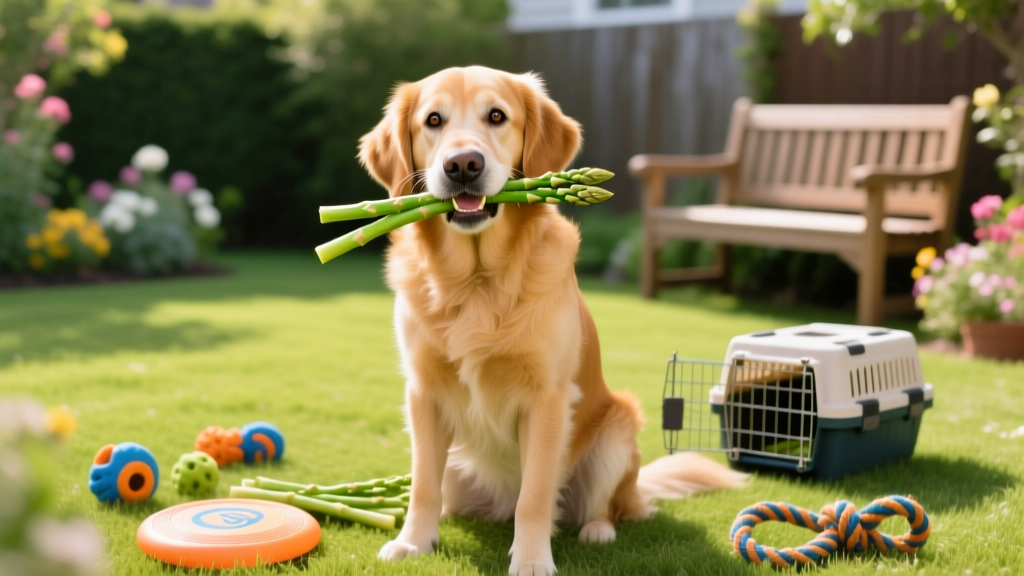
Can Dogs Eat Tomato Sauce? Safety Guide for Dog Owners
Can dogs eat tomato sauce? Learn which sauces are safe, toxic ingredients to avoid, proper serving sizes by weight, and when to call your vet.

If you've ever had a dollop of tomato sauce land on the kitchen floor, you've probably wondered whether it's safe for your dog to lick up. The short answer depends entirely on what's in the sauce — and most commercial and homemade tomato sauces contain ingredients that range from mildly upsetting to genuinely toxic for dogs.
Standard tomato sauce (jarred, canned, or homemade with typical seasoning) contains garlic, onion, excess sodium, and sometimes xylitol or other toxic ingredients. Plain, unseasoned cooked tomato puree in tiny amounts is generally safe, but anything labeled "tomato sauce" on your grocery shelf should be kept away from your dog. If your dog has ingested sauce containing garlic or onion, contact the ASPCA Animal Poison Control Center at (888) 426-4435 (24/7, consultation fee applies).
Why Most Tomato Sauce Is Dangerous for Dogs
The tomato itself isn't the problem — ripe tomatoes are generally safe in small quantities. The danger lies in the additives. According to the ASPCA, the green parts of the tomato plant (stems, leaves, unripe fruit) contain solanine and tomatine, which are toxic to dogs. But commercial tomato sauce uses ripe fruit, so the real culprits are the seasonings and preservatives.
The Big Three Offenders
| Ingredient | Toxicity Level | What It Does |
|---|---|---|
| Garlic | High — toxic at ~15-30 g/kg body weight | Damages red blood cells, causes hemolytic anemia. Effects may appear 3-5 days after ingestion. |
| Onion (including powder) | High — toxic at ~15-30 g/kg body weight | Contains N-propyl disulfide; destroys red blood cells. Onion powder is more concentrated and more dangerous than fresh onion. |
| Sodium (salt) | Moderate — jarred sauces average 400-600 mg per ½ cup | Excess sodium causes dehydration, sodium ion poisoning at high doses. A 30-lb dog's daily sodium need is only ~100 mg. |
Beyond these three, many sauces also contain sugar (unnecessary calories and potential GI upset), Italian seasoning blends (which may include garlic and onion powder), and in some "sugar-free" or "low-sugar" brands, xylitol — an artificial sweetener that is extremely toxic to dogs even in tiny amounts, causing rapid hypoglycemia and liver failure.
Is Plain Tomato Safe? Nutritional Breakdown
If you strip away all seasoning and additives, plain cooked tomato puree does offer some nutritional value. Here's what 100 grams of plain, unsalted cooked tomato provides, based on USDA FoodData Central values:
| Nutrient | Amount per 100g | Benefit for Dogs |
|---|---|---|
| Vitamin C | 12.7 mg | Antioxidant support; dogs synthesize their own, so supplemental benefit is limited |
| Vitamin A (as beta-carotene) | 63 µg RAE | Vision and immune function support |
| Potassium | 229 mg | Electrolyte balance, muscle function |
| Lycopene | 2.6 mg | Antioxidant; cooking increases bioavailability |
| Fiber | 1.2 g | Digestive regularity |
| Calories | 18 kcal | Low-calorie treat option |
The reality is that while these nutrients are beneficial, your dog's complete-and-balanced commercial diet already covers them. Tomato shouldn't be relied on as a nutritional supplement — it's an occasional treat at best, and only in its plain, unseasoned form.
How Much Plain Tomato Can I Safely Give My Dog?
If you want to offer your dog plain, cooked, unsalted tomato puree (not jarred sauce), here are specific serving guidelines based on body weight. Treats of any kind should never exceed 10% of your dog's daily caloric intake, per the AKC.
| Dog Size | Weight Range | Max Serving (Plain Cooked Tomato) | Frequency |
|---|---|---|---|
| Small breeds | Under 20 lb / 9 kg | 1 teaspoon (5 mL) | 2-3 times per week max |
| Medium breeds | 20-50 lb / 9-23 kg | 1 tablespoon (15 mL) | 2-3 times per week max |
| Large breeds | 50-90 lb / 23-41 kg | 2 tablespoons (30 mL) | 2-3 times per week max |
| Giant breeds | Over 90 lb / 41 kg | 3 tablespoons (45 mL) | 2-3 times per week max |
Important: These portions apply only to plain, cooked, unsalted tomato puree — not to any commercial tomato sauce, pasta sauce, pizza sauce, ketchup, or seasoned preparation. If the ingredient list includes anything beyond "tomatoes," don't serve it to your dog.
How to Prepare Tomato Safely for Your Dog
- Select ripe, red tomatoes only. Green or unripe tomatoes contain higher levels of solanine and tomatine, which can cause gastrointestinal distress and neurological symptoms. Discard any tomatoes with green patches.
- Remove stems, leaves, and the core. These plant parts concentrate the highest levels of tomatine. Even a small amount of stem material can cause mild toxicity in small dogs.
- Wash thoroughly. Rinse under cool water to remove pesticide residue. Organic tomatoes reduce but don't eliminate this concern.
- Cook without any additives. Simmer chopped tomatoes in a plain saucepan with a small amount of water until broken down (approximately 15-20 minutes on medium-low heat). Do NOT add salt, garlic, onion, olive oil, herbs, sugar, or any seasoning.
- Cool completely before serving. Hot tomato can burn your dog's mouth and esophagus. Cool to room temperature (approximately 30-45 minutes on the counter).
- Portion according to the serving table above and offer as a food topper or standalone treat.
What Happens If My Dog Eats Tomato Sauce?
The severity depends on what the sauce contained and how much your dog consumed relative to their body weight. Here's a practical decision framework:
| Scenario | Risk Level | Action |
|---|---|---|
| Small lick of plain tomato sauce off the floor (no visible garlic/onion chunks) | Low | Monitor for 24-48 hours. Watch for vomiting, diarrhea, lethargy. |
| Dog ate a moderate amount (2+ tablespoons) of sauce containing garlic or onion | Moderate to High | Call your vet or ASPCA Poison Control (888-426-4435) within 1-2 hours. Note the approximate amount eaten and your dog's weight. |
| Sauce contained xylitol (check label for "birch sugar" or "sugar alcohol") | Emergency | Go to emergency vet immediately. Xylitol causes life-threatening hypoglycemia within 10-60 minutes and potential liver failure within 24-72 hours. |
| Dog consumed an entire jar of commercial pasta sauce | High | Contact vet immediately. The combination of garlic, onion, high sodium, and fat poses serious risk of GI distress, sodium ion poisoning, and delayed hemolytic anemia. |
Symptoms to Watch For (Onset Timeline)
- Within 1-4 hours: Vomiting, diarrhea, drooling, abdominal discomfort — common with high-sodium or acidic foods
- Within 10-60 minutes (xylitol only): Weakness, collapse, seizures — this is an emergency
- Within 1-5 days (garlic/onion): Pale gums, rapid breathing, dark or reddish urine, lethargy — signs of hemolytic anemia that develop as damaged red blood cells are destroyed
- Vomiting that persists beyond 2 episodes in 12 hours
- Pale, white, or bluish gums
- Dark, reddish-brown, or bloody urine
- Rapid or labored breathing
- Seizures, collapse, or inability to stand
- Known ingestion of sauce containing xylitol — regardless of amount
Have ready: your dog's weight, the product label or ingredient list, approximate amount consumed, and time of ingestion.
Dogs Who Should Never Eat Tomato (Even Plain)
Even properly prepared, unseasoned tomato isn't appropriate for every dog. The following groups should avoid tomato entirely:
- Dogs with kidney disease: Tomatoes are high in potassium (229 mg per 100g). Dogs with chronic kidney disease (CKD) often require potassium-restricted diets, and even small amounts of tomato can push levels too high.
- Dogs with acid reflux or sensitive stomachs: Tomatoes are acidic (pH approximately 4.3-4.9). This can aggravate gastroesophageal reflux, gastritis, or inflammatory bowel disease (IBD).
- Puppies under 6 months: Their digestive systems are still developing, and introducing acidic, novel foods increases the risk of GI upset during a critical growth period.
- Dogs with known nightshade sensitivity: Tomatoes belong to the Solanaceae (nightshade) family. While true nightshade allergy is uncommon in dogs, some individuals show inflammatory responses. If your dog reacts to potatoes or peppers, avoid tomatoes as well.
- Dogs on sodium-restricted diets: Even plain tomato contains trace sodium, but the primary concern is accidental exposure to seasoned sauces in households where tomato-based foods are common.
If your dog falls into any of these categories, consult your veterinarian before introducing any tomato-based food, even in plain form.
Related Tomato Products: What's Safe and What Isn't
| Product | Safe? | Notes |
|---|---|---|
| Ripe red tomato (raw, no stem) | ✅ Yes, small amounts | Remove seeds for small dogs (choking risk). Limit to serving sizes above. |
| Plain cooked tomato puree (no additives) | ✅ Yes, small amounts | Must be homemade with only tomatoes and water. |
| Jarred pasta sauce (Ragù, Prego, Classico, etc.) | ❌ No | Contains garlic, onion, excess sodium, and often sugar. |
| Pizza sauce | ❌ No | High sodium (typically 200-350 mg per 2 Tbsp), garlic, oregano. |
| Ketchup | ❌ No | High sugar (4g per tablespoon), salt, and often onion powder. A small lick won't harm, but don't offer it. |
| Tomato soup (canned) | ❌ No | Averages 400-700 mg sodium per serving; may contain cream, onion, garlic. |
| Salsa | ❌ No | Contains onion, jalapeño (capsaicin irritates canine GI tract), and excess salt. |
| Green (unripe) tomatoes | ❌ No | Higher solanine/tomatine concentration. Fried green tomatoes add fat and breading — doubly unsafe. |
| Sun-dried tomatoes (plain, unsalted) | ⚠️ Caution | Only if packed without oil, garlic, or salt. Most commercial sun-dried tomatoes are packed in seasoned oil. Check label carefully. |
How to Introduce Plain Tomato Safely
If your dog has never had tomato before and doesn't fall into any of the exclusion groups above, follow this gradual introduction protocol:
- Day 1: Offer half the recommended serving size for your dog's weight class (e.g., ½ teaspoon for a small dog). Mix it into their regular food.
- Monitor for 24-48 hours. Watch for vomiting, diarrhea, excessive gas, itching, paw-licking, or ear scratching (potential allergic response).
- Day 3 (if no reaction): Offer the full recommended serving size, again mixed with regular food.
- Monitor another 24 hours. If stools remain normal and no behavioral changes occur, plain tomato can be an occasional treat at the serving frequencies listed above.
If any adverse symptoms appear at any stage, discontinue immediately and do not reintroduce. For persistent symptoms lasting more than 24 hours after discontinuation, contact your veterinarian.
Frequently Asked Questions
Can dogs eat tomato sauce from a jar if it doesn't have visible garlic pieces?
No. Even if you can't see chunks of garlic or onion, virtually all commercial tomato sauces contain garlic powder, onion powder, or dehydrated onion as base seasoning ingredients. These powdered forms are actually more concentrated and potentially more toxic than fresh forms. Always check the ingredient label — if garlic or onion appear anywhere on the list, the sauce is unsafe regardless of whether you can see or taste them.
My dog licked a plate with spaghetti sauce on it. Should I panic?
A single lick or two from a dinner plate is unlikely to cause serious harm in a medium-to-large dog. The amount of garlic and onion ingested from a lick is typically well below the toxic threshold of 15-30 g/kg. However, monitor your dog for 3-5 days for signs of anemia (pale gums, lethargy, dark urine), since allium toxicity has a delayed onset. For very small dogs (under 10 lb / 4.5 kg), even a few licks warrant a call to your vet for guidance.
Is tomato sauce good for dogs nutritionally?
No. Even setting aside the toxic ingredients, tomato sauce offers no nutritional advantage over your dog's balanced diet. The lycopene and vitamin content in plain tomatoes are present in such small quantities at safe serving sizes that they provide negligible benefit. Your dog's AAFCO-formulated food already provides complete nutrition. If you're looking for healthy treat alternatives, consider dog-safe options like plain cooked sweet potato, blueberries, or carrot sticks — all of which offer more nutritional density without the risk profile.
Can puppies eat tomato sauce?
No. Puppies under 6 months should not eat any tomato products, including plain cooked tomato. Their developing digestive systems are more sensitive to acidic foods, and their small body weight means that even trace amounts of garlic or onion in sauce could approach toxic thresholds more easily than in adult dogs. Stick to puppy-formulated treats and foods approved by your veterinarian.
Are there any tomato-based dog foods or treats?
Some commercial dog foods and treats include tomato pomace (the skin, seeds, and pulp left after processing) as a fiber source. This ingredient is safe because it's processed and included in nutritionally balanced formulations at controlled levels. Look for it in ingredient lists of reputable brands — it typically appears near the bottom, indicating a small inclusion rate. However, this is very different from feeding your dog table-scraps of tomato sauce.
Bottom line: When someone asks "can dogs eat tomato sauce," the practical answer for real-world kitchen scenarios is no. The combination of garlic, onion, salt, and potentially xylitol makes commercial and homemade seasoned tomato sauces unsafe. If you want to share tomato with your dog, prepare plain cooked tomato puree at home with zero additives, follow the serving guidelines above, and always consult your veterinarian if your dog has underlying health conditions. When in doubt after an accidental ingestion, the ASPCA Animal Poison Control Center is available 24/7 at (888) 426-4435.
Aaron Whyte
All our authors care for dogs every day — read more of their work on the authors page.