Can Dogs Eat Raisins? The Toxic Truth Every Owner Must Know
Can dogs eat raisins? No — raisins and grapes are highly toxic to dogs. Learn the symptoms, toxic dose thresholds, and what to do if your dog eats one.

Raisins (and their fresh counterpart, grapes) are highly toxic to dogs. Even a single raisin can trigger acute kidney failure in susceptible dogs. There is no known safe serving size. The exact toxic mechanism was only recently identified — tartaric acid — but individual sensitivity varies wildly, meaning no amount is considered safe. If your dog has ingested raisins, contact your veterinarian or the ASPCA Animal Poison Control hotline at (888) 426-4435 immediately.
Why Raisins Are Dangerous for Dogs
For years, veterinarians knew that grapes and raisins caused acute renal failure in dogs but couldn't pinpoint the exact toxin. In 2021, researchers at the AVMA-affiliated institutions identified tartaric acid as the likely toxic compound in grapes and raisins. Tartaric acid is present in varying concentrations depending on the grape variety, growing conditions, and drying process — which explains why some dogs appear to eat raisins without immediate symptoms while others develop kidney failure from a small handful.
The Merck Veterinary Manual classifies grape and raisin ingestion as a potential veterinary emergency. The toxic dose is not well-established as a single threshold, but documented cases of kidney failure have occurred with ingestions as low as 0.05 oz of raisins per kilogram of body weight (approximately 0.002 oz/lb). For a 10 lb (4.5 kg) dog, that's roughly 0.2 oz of raisins — about 10-12 individual raisins.
What makes raisins particularly dangerous compared to fresh grapes is their concentrated nature. The drying process removes water but retains tartaric acid, meaning a small volume of raisins contains the equivalent toxic load of a much larger quantity of fresh grapes. A box of raisins that fits in your palm could be lethal to a small dog.
Symptoms of Raisin Toxicity in Dogs
Symptoms typically follow a predictable timeline, though individual variation exists. Understanding this timeline helps you communicate effectively with your veterinarian and recognize when to act.
| Timeframe | Symptoms | Severity |
|---|---|---|
| 2-12 hours | Vomiting (often with visible raisin pieces), diarrhea, lethargy, decreased appetite, abdominal pain | Early — GI distress |
| 12-24 hours | Dehydration, increased thirst initially, weakness, trembling | Moderate — systemic involvement |
| 24-72 hours | Decreased or absent urination (oliguria/anuria), oral ulcers, ammonia-smelling breath, severe lethargy, coma | Critical — acute kidney failure |
The most alarming aspect of raisin toxicity is that some dogs show no early GI symptoms and present directly with kidney failure 24-48 hours after ingestion. This is why veterinary professionals recommend treating all raisin ingestions as emergencies regardless of whether your dog appears fine initially.
- Your dog ate any quantity of raisins, grapes, currants, or sultanas
- Vomiting occurs within 12 hours of suspected ingestion
- Your dog stops urinating or produces very little urine
- Lethargy, weakness, or refusal to eat persists beyond 12 hours
- You find an empty raisin package and aren't sure how much was consumed
ASPCA Animal Poison Control: (888) 426-4435 (24/7, consultation fee applies)
Pet Poison Helpline: (855) 764-7661 (24/7, consultation fee applies)
What Your Veterinarian Will Do
When you bring your dog in after raisin ingestion, expect a structured decontamination and monitoring protocol. Here's what typically happens at the clinic:
- Induced vomiting — If ingestion occurred within the past 2 hours, your vet will administer apomorphine (a prescription emetic) to expel stomach contents. Cost: approximately $50-80 for the procedure.
- Activated charcoal — Given orally to bind any remaining toxins in the GI tract. This turns stool black and may cause one additional episode of vomiting. Cost: included in decontamination fee, typically $30-50.
- Aggressive IV fluid therapy — The cornerstone of treatment. Your dog will receive intravenous crystalloid fluids for 48-72 hours minimum to flush the kidneys and maintain urine production. Hospitalization cost: $1,500-3,000+ depending on duration and clinic location.
- Blood work monitoring — Serial blood panels measuring BUN (blood urea nitrogen), creatinine, and phosphorus levels at 24, 48, and 72 hours to assess kidney function. Each panel costs $80-150.
- Urine output monitoring — A urinary catheter may be placed to precisely measure urine production. Oliguria (less than 0.5 mL/kg/hr) is a poor prognostic indicator.
According to the Merck Veterinary Manual, dogs that remain non-azotemic (normal kidney values) after 72 hours of fluid therapy have a good prognosis. Dogs that develop anuria (no urine production) despite treatment have a grave prognosis, and euthanasia may be discussed as a humane option.
Related Foods That Are Also Toxic
Raisins don't exist in isolation. Several related products carry the same tartaric acid risk and should be treated with equal urgency:
| Food Item | Relative Risk | Common Sources |
|---|---|---|
| Fresh grapes (all varieties) | High — tartaric acid present in flesh and skin | Fruit bowls, lunchboxes, charcuterie boards |
| Raisins | Very High — concentrated tartaric acid | Trail mix, baked goods, cereal, oatmeal packets |
| Currants (Zante currants) | Very High — dried small grapes, highly concentrated | Scones, fruitcakes, hot cross buns |
| Sultanas | Very High — golden dried grapes | Baking ingredients, Middle Eastern dishes |
| Grape juice / wine | Moderate — tartaric acid present, but alcohol is an additional toxin | Spilled drinks, cooking ingredients |
| Cream of tartar | High — concentrated tartaric acid derivative | Baking supplies, homemade playdough |
A critical note on hidden sources: Many commercial products contain raisins in ways owners don't immediately consider. Raisin bran cereal, granola bars, protein balls, holiday breads (panettone, stollen), stuffing recipes, and even some commercial dog treat recalls have involved raisin contamination. Always check ingredient labels before sharing any human food with your dog.
Safe Fruit Alternatives to Raisins
If you're looking for a sweet, chewy treat to replace raisins in your dog's diet, several fruits offer similar textural appeal without the toxicity risk. These are safe when prepared properly — washed, seeds/pits removed, and offered in appropriate portions:
- Blueberries — Rich in antioxidants (anthocyanins), low in sugar. Serving: 2-3 berries for small dogs, 5-8 for medium, 10-12 for large dogs. Can be frozen for a crunchy summer treat.
- Apple slices (no seeds, no core) — Good source of vitamin C and pectin fiber. Serving: 2-3 thin slices for small dogs, half an apple for large dogs. Seeds contain amygdalin (cyanide precursor), so always remove them.
- Banana pieces — High in potassium and vitamin B6. Serving: 2-3 small pieces for small dogs, half a banana for large dogs. Higher in sugar, so limit frequency to 2-3 times per week.
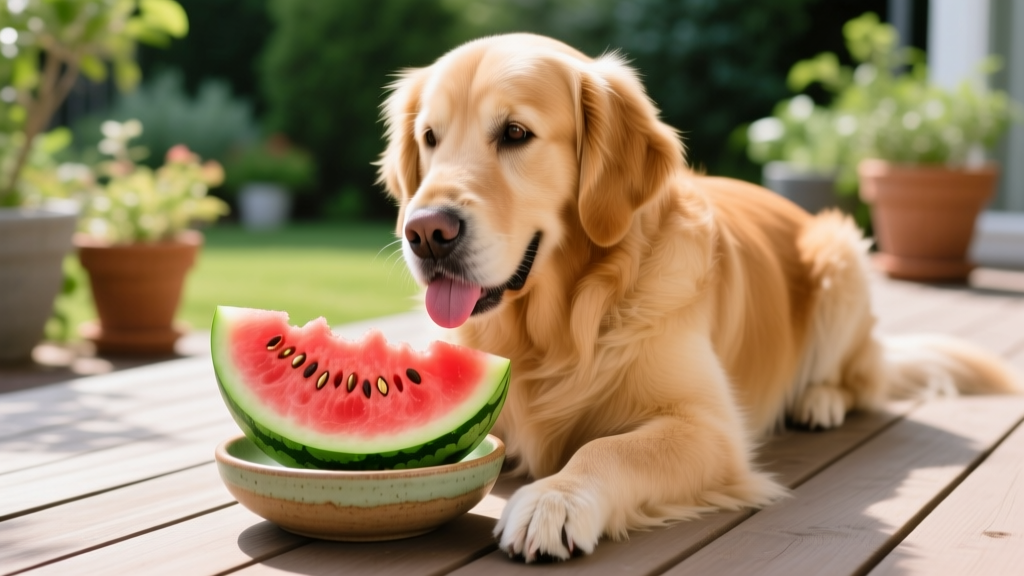
- Watermelon (seedless, no rind) — 92% water, excellent hydration treat. Serving: 2-3 cubes for small dogs, a cup for large dogs. Remove all seeds and rind to prevent GI blockage.
- Dried cranberries (unsweetened, no raisin mix) — Tartaric acid-free alternative with urinary tract benefits. Serving: 2-3 pieces for small dogs, 5-6 for large dogs. Ensure the package says only cranberries — mixed dried fruit packages often contain raisins.
Prevention: Keeping Raisins Out of Reach
The most effective treatment for raisin toxicity is preventing exposure entirely. Based on common ingestion scenarios veterinary clinics report, here are the highest-risk situations and practical prevention strategies:
Kitchen counters and tables: Dogs can jump or climb to reach snack bowls. Store all dried fruit in sealed containers inside closed cabinets — not in decorative bowls or bread boxes at counter height.
Children's lunchboxes and backpacks: Kids frequently drop raisin snack packs or leave backpacks on the floor. Teach children to put bags away immediately after school and never share raisin-containing snacks with the family dog.
Holiday baking season: Fruitcakes, mince pies, stollen, and panettone all contain raisins or currants. Keep baking ingredients in sealed containers and never leave cooling baked goods unattended at dog-nose height.
Trail mix and snack bars: Many trail mixes combine raisins with dog-safe ingredients like peanuts, creating a confusing scent profile. Store all trail mix in sealed containers, and check the floor for dropped pieces.
Garden grapevines: If you grow grapes at home, fence off the vine area or harvest promptly before fallen grapes become accessible. Wind-blown grapes from neighboring properties are also a risk — inspect your yard after storms if nearby vines exist.
Frequently Asked Questions About Raisins and Dogs
My dog ate one raisin — should I panic?
While a single raisin is unlikely to cause kidney failure in a large dog, there is no proven safe threshold. Individual sensitivity varies unpredictably. Contact your veterinarian for guidance based on your dog's weight, health history, and the exact quantity ingested. They may recommend monitoring at home or coming in for preventive decontamination — especially for dogs under 20 lb (9 kg).
Why can some dogs eat raisins and seem fine?
This is one of the most dangerous misconceptions in dog nutrition. Tartaric acid sensitivity varies between individual dogs — and even the same dog may react differently to different exposures depending on the grape variety, concentration, and the dog's current kidney health. A dog that tolerated raisins previously is not immune to future toxicity. Each exposure carries independent risk.
Are raisins in baked goods less toxic than plain raisins?
No. Cooking and baking do not destroy tartaric acid. Raisins in cookies, bread, cakes, and cereals retain their full toxic potential. Additionally, baked goods may contain other toxic ingredients like xylitol (artificial sweetener), chocolate, or macadamia nuts — compounding the risk.
How long after eating raisins will symptoms appear?
Gastrointestinal symptoms (vomiting, diarrhea) typically appear within 2-12 hours. Kidney-related symptoms (decreased urination, lethargy, oral ulcers) develop within 24-72 hours. The absence of early vomiting does not mean your dog is safe — kidney damage can occur without preceding GI signs.
Can I induce vomiting at home if my dog eats raisins?
Only under direct veterinary instruction. Hydrogen peroxide (3%) is sometimes recommended at a dose of 1 mL per pound of body weight (maximum 45 mL), but it can cause severe gastritis, aspiration pneumonia, or esophageal damage if administered incorrectly. Call your vet or poison control first — they will tell you whether home emesis is appropriate or if you should go directly to the clinic.
Are grape seed extract supplements safe for dogs?
Commercial grape seed extract supplements are processed differently from whole grapes and typically contain negligible tartaric acid. However, because the toxic threshold is not fully established, most veterinary toxicologists recommend avoiding grape-derived supplements entirely. There are safer antioxidant alternatives (vitamin E, fish oil, green-lipped mussel) with established safety profiles for canine use. Consult your veterinarian before starting any supplement.
What is the survival rate for dogs with raisin toxicity?
Dogs that receive prompt decontamination and aggressive IV fluid therapy within 18 hours of ingestion have a good prognosis — most recover fully with no lasting kidney damage. Dogs that develop oliguric or anuric kidney failure have a significantly worse prognosis. A study referenced by the AVMA found that approximately 50-75% of dogs that develop acute kidney injury from grape/raisin ingestion survive with intensive treatment, but some require dialysis and may have permanent renal impairment.
Disclaimer: This article is for informational purposes only and does not replace professional veterinary advice. If your dog has ingested raisins or any potentially toxic substance, contact your veterinarian or the ASPCA Animal Poison Control hotline at (888) 426-4435 immediately. Always consult your veterinarian before making changes to your dog's diet or if you have concerns about your dog's health.
Marcus Aldridge
All our authors care for dogs every day — read more of their work on the authors page.